 EN
EN
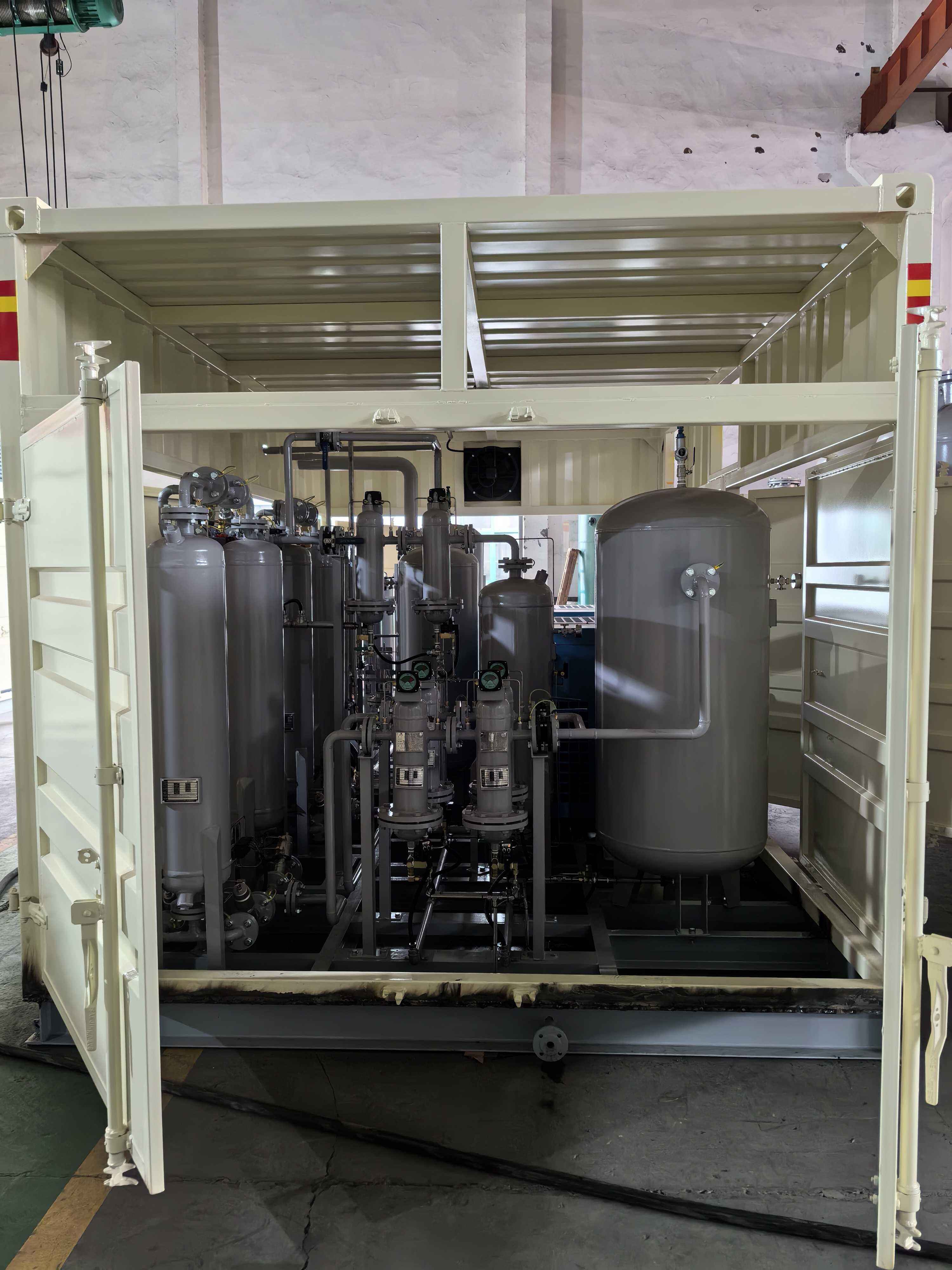
Selecting the right nitrogen machine for your industrial operation in 2025 requires careful evaluation of brand reputation, technology maturity, application compatibility, and long-term service capabilities. As nitrogen generation systems become increasingly critical across pharmaceutical manufacturing, food packaging, electronics production, and chemical processing, understanding which brands deliver proven performance and reliable support becomes essential for making informed capital equipment decisions. This comprehensive buyer's guide examines the leading nitrogen machine manufacturers, their technological approaches, and the key factors that distinguish exceptional systems from merely adequate ones.
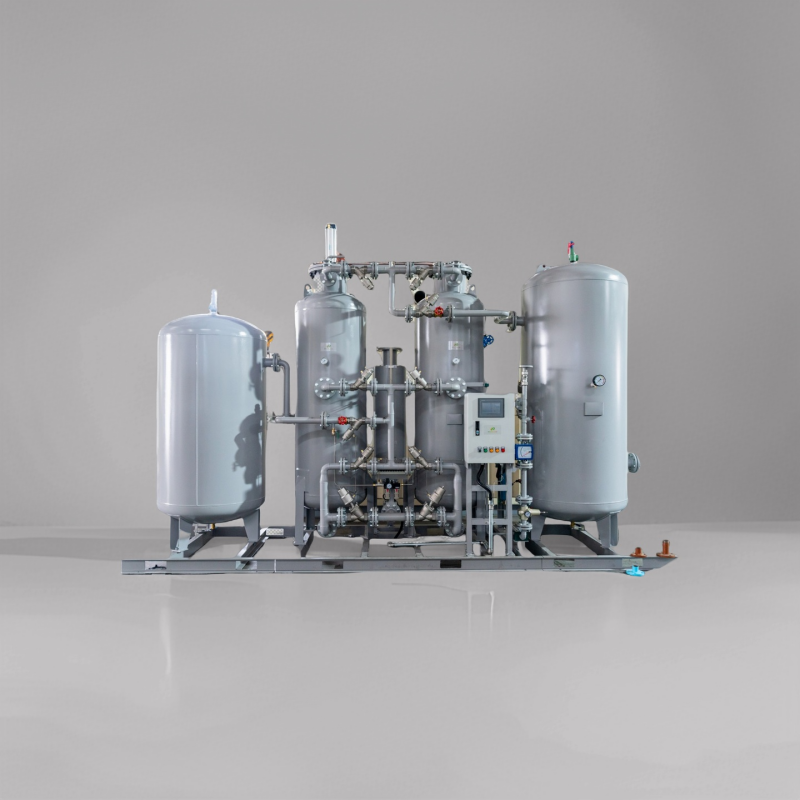
The nitrogen machine market has evolved significantly over the past decade, with technological innovations improving energy efficiency, purity consistency, and operational automation. Modern pressure swing adsorption systems, membrane nitrogen generators, and cryogenic separation units each serve distinct application profiles, and choosing the appropriate technology and manufacturer directly impacts production uptime, operating costs, and product quality outcomes. This guide provides industrial buyers with structured evaluation criteria, helping you navigate manufacturer claims, assess total cost of ownership, and identify which nitrogen machine brands align with your specific operational requirements and quality standards.
Understanding Nitrogen Machine Technology Landscape
Core Generation Technologies and Their Industrial Applications
The nitrogen machine sector encompasses three primary generation technologies, each suited to different purity requirements and flow rate specifications. Pressure swing adsorption systems utilize carbon molecular sieves to separate nitrogen from compressed air through selective adsorption, typically delivering purities between ninety-five and ninety-nine point nine percent with excellent energy efficiency for mid-range applications. Membrane nitrogen generators employ hollow fiber membranes that allow oxygen and moisture to permeate faster than nitrogen, producing nitrogen at ninety to ninety-nine percent purity levels ideal for applications where ultra-high purity is not critical. Cryogenic separation systems cool air to liquefaction temperatures and fractionally distill components based on boiling point differences, generating nitrogen at purities exceeding ninety-nine point nine nine nine percent for demanding pharmaceutical and electronics manufacturing environments.
Industrial buyers must align nitrogen machine technology with application-specific requirements rather than defaulting to highest available purity levels. Food packaging operations typically require nitrogen purity between ninety-seven and ninety-nine point five percent to prevent oxidation while maintaining cost efficiency, whereas semiconductor fabrication demands nitrogen purity exceeding ninety-nine point nine nine nine percent with stringent moisture and hydrocarbon contamination limits. Chemical processing applications may require varying purity levels depending on reaction sensitivity and product specifications. Understanding these application-technology relationships prevents over-specification that increases capital and operating costs while ensuring selected nitrogen machine systems meet quality assurance requirements without compromise.
Evaluating Manufacturer Engineering Capabilities
Top-tier nitrogen machine manufacturers distinguish themselves through comprehensive engineering support that extends from initial system sizing through installation commissioning and ongoing optimization. Leading brands maintain in-house application engineering teams capable of conducting detailed flow pattern analysis, purity requirement verification, and integration planning with existing compressed air systems and facility utilities. These manufacturers provide computational fluid dynamics modeling for complex installations, pressure drop calculations across distribution networks, and redundancy planning for mission-critical applications. Engineering capability assessment should examine whether manufacturers offer customized system configurations rather than forcing standard catalog units onto unique application requirements, and whether their technical staff demonstrates genuine understanding of your specific industry processes and quality standards.
The best nitrogen machine suppliers invest significantly in research and development, continuously improving adsorbent materials, control algorithms, and energy recovery systems. Manufacturers with strong engineering foundations typically hold multiple patents covering adsorption cycle optimization, valve sequencing methodologies, or specialized molecular sieve formulations. These innovations translate into tangible operational benefits including reduced compressed air consumption per unit nitrogen produced, extended adsorbent lifespan before regeneration or replacement, and improved purity stability across varying ambient conditions. When evaluating nitrogen machine brands, request documentation of recent technological improvements and assess whether manufacturers actively publish technical papers or participate in industry standard development organizations, which signals commitment to advancing field knowledge rather than merely repackaging commodity equipment.
Manufacturing Quality Standards and Certification Programs
Manufacturing quality directly influences nitrogen machine reliability, with leading brands maintaining ISO 9001 certified production facilities and implementing rigorous component testing protocols. Premium manufacturers source critical components like pneumatic valves, pressure vessels, and control systems from tier-one suppliers with established reliability records, while lower-tier brands may compromise on component quality to reduce initial purchase prices at the expense of long-term performance. Pressure vessel fabrication for nitrogen machine systems requires ASME certification in North American markets, with reputable manufacturers maintaining current authorizations and employing certified welding procedures. European manufacturers typically demonstrate PED compliance for pressure equipment directive requirements, ensuring vessels meet safety and structural integrity standards.
Quality assurance extends beyond component selection to encompass factory acceptance testing procedures that verify each nitrogen machine meets specification before shipment. Established brands conduct comprehensive performance testing including purity verification across the full flow range, pressure dewpoint measurement, power consumption validation, and control system functional testing. These manufacturers provide detailed test reports documenting actual performance against guaranteed specifications, offering buyers confidence that equipment will perform as promised upon installation. When comparing nitrogen machine options, request factory test procedures and examine whether manufacturers allow customer representatives to witness testing, which signals transparency and quality confidence that less established brands may avoid.
Key Selection Criteria for Nitrogen Machine Procurement
Assessing Total Cost of Ownership Beyond Initial Capital
Sophisticated nitrogen machine buyers evaluate total cost of ownership spanning equipment lifespan rather than focusing exclusively on initial purchase price. Operating expenses including compressed air consumption, electrical power for controls and valves, periodic adsorbent replacement, and routine maintenance typically exceed capital costs within three to five years of operation. Premium nitrogen machine manufacturers optimize energy efficiency through advanced valve sequencing that minimizes purge air requirements, variable frequency drives that adjust compressor output to actual demand, and heat recovery systems that capture compression heat for facility use. These efficiency features reduce operating costs substantially over equipment lifetime, often justifying higher initial investment through quantifiable energy savings and reduced maintenance downtime.
Maintenance cost predictability represents another critical total cost factor, with leading nitrogen machine brands providing transparent consumable replacement schedules and competitive spare parts pricing. Some manufacturers design systems with modular adsorbent vessels that allow quick cartridge replacement without specialized tools or extensive downtime, while others require complete system shutdown and specialized service technician intervention for routine maintenance. Buyers should request detailed maintenance schedules including estimated labor hours, required tools and equipment, and consumable costs over five and ten year periods. Comparing these projections across candidate nitrogen machine brands reveals true ownership costs and identifies manufacturers whose designs prioritize serviceability and operational continuity alongside initial performance specifications.
Service Network Coverage and Technical Support Accessibility
Local service network presence significantly impacts nitrogen machine uptime and operational continuity, particularly for facilities operating continuous processes where extended downtime creates substantial production losses. Top nitrogen machine manufacturers maintain regional service centers staffed with factory-trained technicians capable of responding to emergency calls within hours rather than days, and stocking commonly required spare parts for immediate availability. These service networks conduct preventive maintenance according to manufacturer recommendations, perform system health assessments that identify potential issues before failures occur, and provide performance optimization services that fine-tune systems as application conditions evolve. Buyers operating multiple facilities benefit from manufacturers with consistent service quality across geographic regions, ensuring standardized support regardless of installation location.
Technical support accessibility extends beyond emergency response to encompass application assistance, troubleshooting guidance, and system optimization consulting. Leading nitrogen machine brands provide direct access to application engineers who understand specific industry requirements and can recommend operational adjustments that improve efficiency or address changing production needs. These manufacturers offer remote monitoring capabilities that allow technical staff to diagnose issues, adjust control parameters, and verify system performance without site visits, reducing response time and minimizing production disruption. When evaluating service capabilities, assess whether manufacturers provide twenty-four hour technical hotlines staffed by knowledgeable engineers rather than call centers reading from scripts, and whether remote connectivity options include cybersecurity protections appropriate for industrial networks.
System Scalability and Future Expansion Flexibility
Forward-thinking nitrogen machine procurement considers future production growth and process changes that may increase nitrogen demand beyond current requirements. Premium manufacturers design systems with modular architectures that accommodate capacity expansion through adding parallel generation units rather than requiring complete system replacement. These scalable designs maintain consistent purity and pressure characteristics across the operating range, ensuring product quality remains stable as production volumes increase. Some advanced nitrogen machine systems incorporate intelligent load-sharing algorithms that optimize efficiency across multiple generators, automatically adjusting individual unit operation based on total demand and maintaining equipment runtime balance that extends component life across the entire installation.
Expansion flexibility also encompasses integration capability with emerging Industry 4.0 technologies and plant-wide automation systems. Modern nitrogen machine platforms offer communication protocols compatible with major programmable logic controller brands, enabling seamless integration with existing facility control infrastructure. Leading manufacturers provide data logging capabilities that track purity trends, flow patterns, and energy consumption over time, supporting continuous improvement initiatives and predictive maintenance programs. These connectivity features become increasingly valuable as manufacturing operations adopt analytics-driven optimization approaches. Buyers planning long-term nitrogen machine investments should verify that control systems support firmware updates enabling new features and communication standards rather than becoming obsolete as industrial networking technologies evolve.
Application-Specific Considerations Across Industries
Pharmaceutical Manufacturing Requirements and Compliance
Pharmaceutical applications impose stringent nitrogen machine requirements including validated purity levels, comprehensive documentation, and change control procedures that ensure product safety and regulatory compliance. Leading nitrogen machine suppliers serving pharmaceutical markets understand FDA expectations regarding equipment qualification, providing installation qualification, operational qualification, and performance qualification documentation that supports validation efforts. These manufacturers design systems with sanitary connections, electropolished wetted surfaces where contact occurs, and comprehensive particulate filtration that prevents contamination. Pharmaceutical-grade nitrogen machines typically include redundant purity monitoring, automated diversion systems that prevent off-specification nitrogen from reaching process equipment, and comprehensive audit trail capabilities that document all operational parameters and alarm conditions.
Regulatory compliance extends to ongoing system maintenance and performance verification, with pharmaceutical facilities requiring periodic requalification that confirms continued specification compliance. Premium nitrogen machine manufacturers support these requirements through providing calibration services for analytical instrumentation, maintaining detailed service records compatible with quality management systems, and offering validation support during regulatory inspections. Buyers operating in pharmaceutical environments should evaluate whether candidate nitrogen machine brands demonstrate established track records in regulated industries, maintain quality systems aligned with pharmaceutical manufacturing expectations, and provide technical staff familiar with validation protocols and documentation requirements. These capabilities significantly reduce implementation risk and ongoing compliance burden compared to manufacturers lacking pharmaceutical market experience.
Food and Beverage Packaging Applications
Food packaging operations utilize nitrogen machines for modified atmosphere packaging, preventing oxidation that degrades product quality and extends shelf life for perishable items including snack foods, coffee, and fresh produce. These applications require nitrogen purity levels typically between ninety-seven and ninety-nine point five percent, with critical considerations including oil carryover prevention from compressed air systems and moisture control that prevents condensation within packages. Leading nitrogen machine manufacturers serving food industries provide food-grade certifications, stainless steel construction for exposed surfaces, and comprehensive filtration systems that remove particulates, aerosols, and hydrocarbon contamination. These systems often incorporate oxygen analyzers that continuously verify purity levels and provide documentation supporting HACCP programs and food safety audits.
Beverage applications including beer and wine production require nitrogen for tank blanketing, carbonation displacement, and transfer operations that minimize oxygen exposure during processing and packaging. These applications demand consistent nitrogen purity and pressure stability, with variations potentially introducing oxidation that affects product flavor and shelf stability. Premium nitrogen machine systems serving beverage industries incorporate pressure buffering that smooths demand fluctuations from intermittent packaging line operation, preventing pressure swings that might compromise package integrity. Manufacturers with strong food and beverage market presence understand sanitation requirements, provide systems compatible with wash-down environments, and offer technical guidance regarding installation locations that prevent contamination risks while maintaining convenient access for operation and maintenance activities.
Electronics Manufacturing and Precision Applications
Electronics manufacturing environments including semiconductor fabrication, LED production, and advanced display manufacturing require ultra-high purity nitrogen with stringent contamination limits for moisture, oxygen, hydrocarbons, and particulates. These demanding applications typically specify nitrogen purity exceeding ninety-nine point nine nine nine percent with moisture dewpoints below negative sixty degrees Celsius and hydrocarbon levels measured in parts per billion. Leading nitrogen machine manufacturers serving electronics markets offer specialized purification systems combining pressure swing adsorption or membrane generation with catalytic purification, additional desiccant drying, and activated carbon filtration that achieves semiconductor-grade specifications. These systems incorporate continuous purity monitoring using advanced analytical instrumentation and automated quality assurance protocols that prevent contamination events.
Precision electronics applications demand exceptional nitrogen machine reliability given the high value of work-in-process materials and potential for contamination events causing significant yield losses. Premium manufacturers design systems with redundant generation capacity, automatic switchover capabilities, and comprehensive alarm systems that alert operations staff immediately when parameters deviate from specifications. These nitrogen machine platforms often integrate with facility building management systems, providing centralized monitoring and control that supports proactive maintenance scheduling and performance optimization. Electronics manufacturers evaluating nitrogen machine options should prioritize suppliers with established semiconductor industry presence, demonstrated understanding of cleanroom requirements, and technical capabilities supporting ultra-high purity applications where standard industrial-grade systems prove inadequate.
Emerging Technologies and Future Market Developments
Advanced Materials and Energy Efficiency Innovations
Recent nitrogen machine technology developments focus on advanced adsorbent materials that improve separation efficiency and reduce energy consumption compared to traditional carbon molecular sieves. Next-generation materials including metal-organic frameworks and engineered zeolites offer enhanced nitrogen-oxygen selectivity, enabling higher purity achievement with reduced adsorbent volumes and shorter cycle times. These materials demonstrate improved moisture tolerance and resistance to contamination from compressor lubricants, extending service life and reducing maintenance frequency. Leading nitrogen machine manufacturers actively research and pilot these advanced materials, with some offering optional configurations incorporating next-generation adsorbents for applications where efficiency gains justify premium material costs.
Energy recovery systems represent another innovation frontier, with advanced nitrogen machine designs capturing waste heat from compression processes for space heating, process applications, or absorption cooling. Variable speed drive integration allows precise compressor output matching to actual nitrogen demand, eliminating constant-speed operation inefficiencies during partial load conditions. Some manufacturers now offer nitrogen machine systems with integrated compressed air generation optimized specifically for nitrogen production rather than general plant air, achieving efficiency improvements through eliminating intermediate drying and filtration stages. These integrated approaches reduce capital costs by consolidating equipment and improve overall energy efficiency through optimizing the complete air-to-nitrogen pathway rather than treating generation and compression as separate systems.
Digitalization and Predictive Maintenance Capabilities
Digital transformation initiatives are reshaping nitrogen machine operation and maintenance through incorporating sensors, connectivity, and analytics that enable condition-based maintenance and performance optimization. Modern nitrogen machine platforms integrate vibration sensors on rotating equipment, temperature monitoring throughout the gas path, and sophisticated control algorithms that detect subtle performance degradation indicating developing issues. These systems transmit operational data to cloud-based analytics platforms where machine learning algorithms identify patterns associated with specific failure modes, enabling predictive maintenance that addresses issues before equipment failures occur. Leading manufacturers offer these digital capabilities as standard features or available upgrades, supporting operations' transition from time-based maintenance schedules to condition-driven approaches that reduce costs while improving reliability.
Remote connectivity enables nitrogen machine manufacturers to provide enhanced technical support including real-time troubleshooting, performance optimization, and proactive maintenance scheduling based on actual operating conditions rather than generic recommendations. These digital services create ongoing manufacturer-customer relationships extending beyond initial equipment sale, with some suppliers offering performance guarantees backed by remote monitoring and intervention when parameters deviate from optimal ranges. Buyers evaluating nitrogen machine investments should assess manufacturers' digital capabilities and service models, considering both immediate connectivity benefits and longer-term value from analytics-driven optimization. However, cybersecurity considerations require careful evaluation of network architectures, data ownership policies, and security protocols protecting industrial control systems from unauthorized access while enabling beneficial remote support capabilities.
Sustainability and Environmental Impact Considerations
Environmental sustainability increasingly influences nitrogen machine procurement decisions as organizations pursue carbon footprint reduction and circular economy principles. Energy-efficient nitrogen machine systems directly reduce greenhouse gas emissions associated with electricity consumption, with premium manufacturers providing detailed carbon footprint documentation and energy optimization services. Some leading brands now offer equipment refurbishment programs that extend nitrogen machine service life through comprehensive rebuilding, component replacement, and control system upgrades that restore performance to like-new condition at substantially lower cost and environmental impact than complete replacement. These programs align with corporate sustainability objectives while delivering economic benefits through extending capital equipment longevity.
Lifecycle assessment approaches evaluate nitrogen machine environmental impact from manufacturing through operation and eventual decommissioning, with forward-thinking manufacturers designing systems for recyclability and using materials with lower embodied energy. Refrigerant-free designs eliminate synthetic coolants with high global warming potential, while modular construction facilitates component reuse and repair rather than complete system disposal. Buyers prioritizing sustainability should evaluate manufacturers' environmental policies, request lifecycle impact documentation, and assess whether design philosophies emphasize longevity and serviceability rather than planned obsolescence. These considerations align equipment procurement with corporate environmental commitments while often delivering economic benefits through reduced operating costs and extended useful life.
FAQ
What nitrogen purity level does my application actually require?
Application purity requirements vary significantly across industries, with food packaging typically needing ninety-seven to ninety-nine percent, general manufacturing requiring ninety-nine to ninety-nine point five percent, and electronics or pharmaceutical applications demanding ninety-nine point nine nine nine percent or higher. Consult with process engineers to determine actual oxygen sensitivity rather than over-specifying purity, as each additional nine in purity specification substantially increases capital costs, energy consumption, and system complexity. Many operations discover through testing that processes tolerate lower purity than initially assumed, enabling significant cost savings through appropriate nitrogen machine sizing.
How do I calculate the true total cost of ownership for a nitrogen machine?
Total cost of ownership calculation should include initial capital investment, installation costs, compressed air consumption at your local electricity rate, routine maintenance including labor and consumables, periodic major overhauls, spare parts inventory, and projected downtime costs over expected equipment life typically ten to fifteen years. Request detailed operating cost projections from manufacturers including kilowatt-hours per cubic meter of nitrogen produced, annual maintenance schedules with associated costs, and adsorbent replacement intervals. Compare these projections across candidate systems using consistent assumptions regarding operating hours, production rates, and utility costs to identify which nitrogen machine configuration delivers lowest lifecycle cost for your specific application.
Should I choose membrane or PSA nitrogen generation technology?
Technology selection depends primarily on required purity levels, with membrane systems most economical for applications needing ninety to ninety-nine percent purity and PSA technology preferred for ninety-nine to ninety-nine point nine nine nine percent specifications. Membrane nitrogen machines offer simpler operation with no moving parts and minimal maintenance, but energy efficiency decreases substantially at higher purity levels. PSA systems require more sophisticated controls and periodic adsorbent replacement but deliver better energy efficiency above ninety-nine percent purity. Consider both current and anticipated future purity requirements, as selecting membrane technology for current ninety-five percent need may prove limiting if processes later require ninety-nine percent, necessitating complete system replacement rather than simple capacity expansion.
What manufacturer support capabilities should I prioritize during selection?
Prioritize manufacturers with local service presence including stocked spare parts and factory-trained technicians capable of responding within your required timeframe, typically four to twenty-four hours depending on process criticality. Verify technical support availability through direct engineer access rather than call center routing, and assess whether manufacturers offer remote monitoring capabilities that enable proactive issue identification. Request customer references from similar applications and industries, specifically asking about responsiveness during emergency situations, parts availability, and technical staff knowledge. Strong manufacturer support significantly impacts long-term ownership satisfaction and should weigh heavily in selection decisions alongside technical specifications and pricing considerations.