 EN
EN
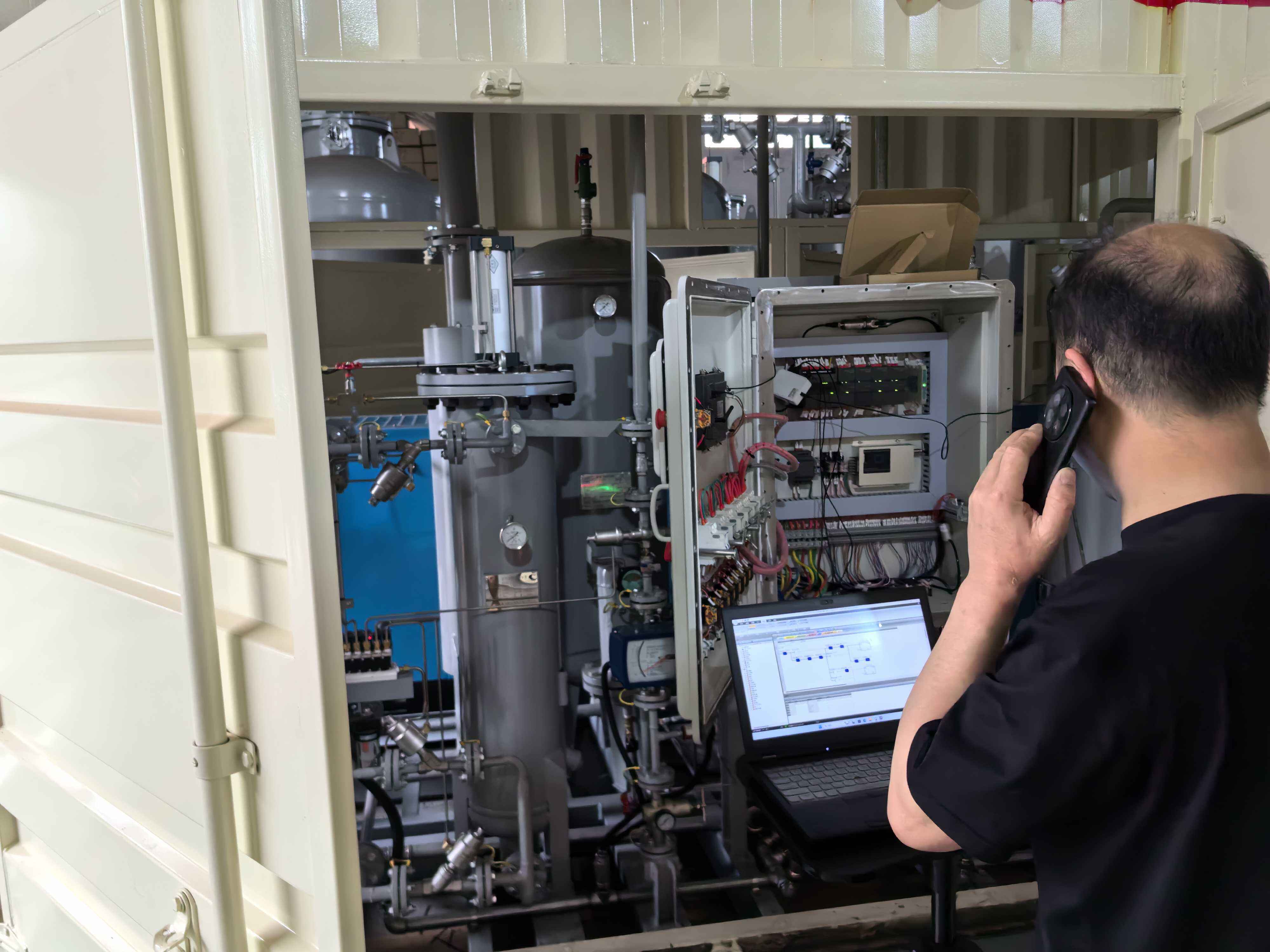
In the rapidly evolving landscape of industrial gas solutions, selecting the right industrial nitrogen generation system has become a critical decision for manufacturers, chemical processors, food packaging facilities, and electronics producers worldwide. As we progress through 2025, the demand for on-site nitrogen generation continues to surge, driven by the need for cost efficiency, supply chain independence, and operational reliability. The industrial nitrogen generation system market has matured significantly, with technological innovations in pressure swing adsorption (PSA) and membrane separation technologies offering unprecedented purity levels, energy efficiency, and integration capabilities. Understanding which manufacturers lead this competitive sector requires examining not only their technological capabilities but also their global service networks, customization flexibility, and proven track records across diverse industrial applications.
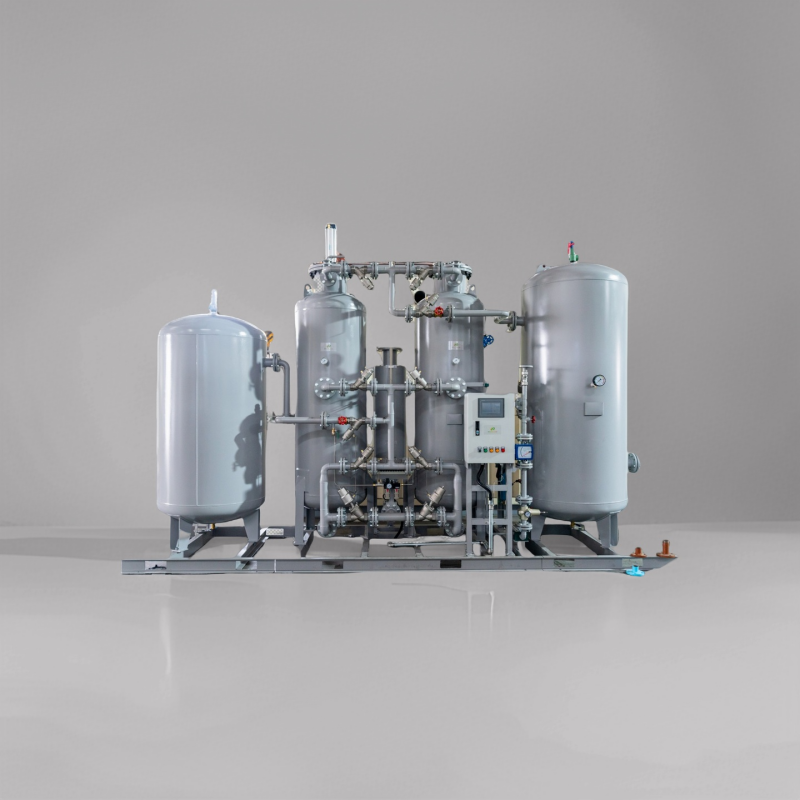
The selection of an industrial nitrogen generation system manufacturer extends far beyond initial equipment costs, encompassing factors such as long-term operational expenses, maintenance requirements, technical support availability, and the ability to scale production as business needs evolve. This comprehensive analysis examines the five leading manufacturers who have distinguished themselves through consistent innovation, robust engineering, extensive industry experience, and demonstrated ability to deliver reliable nitrogen generation solutions across multiple sectors. These industry leaders have established themselves through decades of research and development, strategic partnerships with end-users, and continuous investment in advanced materials, control systems, and energy-efficient designs that reduce both capital expenditure and ongoing operational costs for their clients.
Evaluating Leadership Criteria in Nitrogen Generation Technology
Technological Innovation and System Efficiency
The foremost manufacturers in the industrial nitrogen generation system sector distinguish themselves through continuous technological advancement and measurable system performance improvements. Leading companies invest heavily in research and development to optimize molecular sieve formulations, improve compressor efficiency, and develop intelligent control systems that automatically adjust operating parameters based on real-time demand fluctuations. These innovations translate directly into reduced energy consumption per unit of nitrogen produced, extended maintenance intervals, and enhanced system reliability that minimizes costly production disruptions.
Advanced industrial nitrogen generation system designs now incorporate predictive maintenance algorithms that monitor critical components and provide early warning of potential failures before they impact production. The integration of Internet of Things (IoT) sensors throughout the generation process enables remote monitoring, performance optimization, and data analytics that help operators identify efficiency improvement opportunities. Manufacturers who prioritize these technological capabilities deliver systems that not only meet current nitrogen purity and flow requirements but also adapt to changing production demands without requiring complete system replacements.
Global Service Infrastructure and Technical Support
A manufacturer's service network represents a critical differentiator in the industrial nitrogen generation system market, particularly for multinational corporations operating production facilities across multiple continents. Leading manufacturers maintain strategically located service centers, stock comprehensive spare parts inventories, and employ certified technicians who understand both the equipment and the specific industrial processes their clients operate. This global support infrastructure ensures rapid response times when technical issues arise, minimizing production downtime and preserving the economic advantages that on-site nitrogen generation provides.
The most respected industrial nitrogen generation system manufacturers offer comprehensive training programs that enable client maintenance teams to perform routine service procedures, troubleshoot common issues, and optimize system performance independently. This knowledge transfer reduces dependence on external service providers while maintaining system reliability and performance standards. Additionally, manufacturers who provide 24/7 technical support hotlines, remote diagnostic capabilities, and emergency dispatch services demonstrate their commitment to client success beyond the initial equipment sale.
Customization Capabilities and Application Expertise
Industrial nitrogen applications vary dramatically across sectors, with pharmaceutical manufacturers requiring ultra-high purity nitrogen for inerting reactors, food processors needing consistent flow for modified atmosphere packaging, and electronics fabricators demanding precise humidity control alongside nitrogen delivery. Top-tier industrial nitrogen generation system manufacturers demonstrate deep understanding of these diverse requirements and possess the engineering flexibility to customize standard platforms for specific applications without compromising reliability or significantly extending delivery timelines.
This customization expertise extends to integration with existing plant infrastructure, including compatibility with building management systems, synchronization with production scheduling software, and coordination with backup nitrogen supply systems for critical applications. Manufacturers who maintain application engineering teams with hands-on experience across multiple industries bring valuable insights during system specification, helping clients avoid over-sizing that wastes capital and energy or under-sizing that creates production bottlenecks.
Manufacturing Excellence and Quality Assurance Standards
Production Facility Capabilities and Component Sourcing
The manufacturing facilities where industrial nitrogen generation system components are produced significantly impact final system quality, consistency, and long-term reliability. Leading manufacturers operate state-of-the-art production plants equipped with precision machining centers, automated welding systems, and rigorous testing protocols that ensure every vessel, valve, and control component meets exacting specifications before assembly. These facilities typically maintain ISO 9001 quality management certification and often hold additional industry-specific certifications that verify their commitment to consistent quality standards.
Component sourcing strategies also differentiate premium industrial nitrogen generation system manufacturers from competitors who prioritize cost reduction over performance. Top manufacturers establish long-term partnerships with proven suppliers of critical components such as molecular sieves, compressors, and programmable logic controllers, often specifying custom formulations or configurations that optimize system performance. This vertical integration or carefully managed supply chain ensures component quality, availability, and traceability while reducing the risk of counterfeit or substandard parts entering production systems.
Testing Protocols and Performance Validation
Before any industrial nitrogen generation system leaves the factory, reputable manufacturers subject it to comprehensive testing that simulates actual operating conditions and verifies performance against stated specifications. These factory acceptance tests typically include pressure testing of all vessels and piping, leak detection procedures, purity verification across the specified flow range, and extended run tests that confirm system stability and control system functionality. Manufacturers who invest in sophisticated testing infrastructure can identify and resolve potential issues before systems reach client facilities, reducing commissioning time and ensuring reliable startup.
The most thorough industrial nitrogen generation system manufacturers also conduct accelerated life testing on critical components, exposing them to elevated stress conditions that simulate years of operation in compressed timeframes. This approach identifies potential failure modes and enables design improvements that extend component life and reduce maintenance requirements. Documentation of all testing procedures and results provides clients with confidence in system reliability and creates valuable reference materials for troubleshooting if issues arise during operation.
Market Presence and Industry Track Record
Installation Base and Application Diversity
A manufacturer's installed base of operating industrial nitrogen generation system units provides tangible evidence of market acceptance, technical reliability, and customer satisfaction. Leading companies have supplied thousands of systems across diverse industries including chemical processing, pharmaceutical manufacturing, food and beverage production, electronics fabrication, laser cutting operations, and heat treatment facilities. This breadth of application experience enables manufacturers to anticipate client needs, recommend proven configurations, and avoid experimental approaches that might compromise system performance.
The geographic distribution of installed systems also indicates a manufacturer's ability to support clients across different regulatory environments, climate conditions, and infrastructure standards. Industrial nitrogen generation system manufacturers with successful installations spanning North America, Europe, Asia, and emerging markets demonstrate adaptability and global operational capability. Client references from similar industries and comparable production scales provide prospective buyers with valuable insights into actual system performance, manufacturer responsiveness, and long-term cost of ownership.
Financial Stability and Long-Term Viability
Selecting an industrial nitrogen generation system represents a significant capital investment with an expected operational lifespan exceeding fifteen years in most applications. The financial stability and long-term viability of the equipment manufacturer therefore become important selection criteria, as clients depend on ongoing parts availability, technical support, and potential system upgrades throughout the equipment lifecycle. Established manufacturers with decades of continuous operation, diversified product portfolios, and strong financial performance offer greater assurance of sustained support compared to newer entrants or companies with volatile ownership structures.
Leading industrial nitrogen generation system manufacturers typically belong to larger industrial gas or industrial equipment corporations that provide financial resources for continued research and development, global expansion, and sustained customer support operations. This corporate backing enables investment in next-generation technologies, expansion of service networks, and weathering of economic downturns without compromising client support. Prospective buyers benefit from investigating manufacturer ownership structure, financial stability indicators, and investment patterns in technology development when making supplier selection decisions.
Energy Efficiency and Environmental Performance
Power Consumption and Operating Cost Optimization
Energy consumption represents the largest component of operating costs for most industrial nitrogen generation system installations, often exceeding initial equipment costs within three to five years of operation. The most advanced manufacturers have invested heavily in compressor technology optimization, heat recovery systems, and intelligent control algorithms that minimize power consumption while maintaining required nitrogen purity and flow rates. These efficiency improvements directly impact client profitability and increasingly align with corporate sustainability objectives and carbon reduction commitments.
Top-performing industrial nitrogen generation system designs incorporate variable speed drive compressors that adjust output to match real-time nitrogen demand rather than operating continuously at maximum capacity and venting excess production. Advanced models include sophisticated pressure sensing and flow control systems that optimize the adsorption cycle timing, reducing unnecessary compression work and extending molecular sieve life. Manufacturers who provide detailed energy consumption data across various operating scenarios enable clients to accurately model total cost of ownership and justify capital investment based on documented operational savings.
Environmental Impact and Sustainability Features
Beyond direct energy efficiency, leading industrial nitrogen generation system manufacturers increasingly emphasize environmental responsibility through reduced refrigerant usage, elimination of hazardous materials in construction, and design for end-of-life recyclability. Systems that generate nitrogen on-site eliminate the transportation emissions associated with delivered liquid nitrogen, reducing carbon footprint significantly for facilities with substantial nitrogen consumption. This environmental advantage becomes increasingly important as regulatory frameworks tighten and corporate stakeholders demand measurable progress toward sustainability goals.
Progressive manufacturers also provide carbon footprint calculators and lifecycle assessment data that enable clients to quantify environmental benefits and report sustainability metrics accurately. Some industrial nitrogen generation system suppliers have committed to carbon-neutral manufacturing operations, renewable energy sourcing for production facilities, and take-back programs that ensure proper recycling of decommissioned equipment. These environmental commitments resonate particularly strongly with multinational corporations facing stakeholder pressure to demonstrate environmental stewardship across their entire supply chain.
Integration Capabilities and Scalability Considerations
Modular Design and Future Expansion Options
Business growth and evolving production requirements often necessitate increased nitrogen generation capacity beyond initial system specifications. The most forward-thinking industrial nitrogen generation system manufacturers design equipment with inherent scalability, allowing clients to add parallel generation trains, increase compressor capacity, or enhance purity levels without replacing core system components. This modular approach protects initial capital investment while providing flexibility to respond to changing business needs without extended production disruptions during capacity upgrades.
Modular industrial nitrogen generation system architectures also provide redundancy benefits, as multiple smaller generation units can continue supplying nitrogen even if one unit requires maintenance or experiences technical issues. This configuration particularly benefits continuous process industries where nitrogen supply interruption creates significant production losses or safety concerns. Manufacturers who offer standardized expansion modules with pre-engineered interfaces minimize engineering costs and implementation timelines for capacity increases, providing clients with clear growth pathways from initial installation.
Control System Integration and Industry 4.0 Readiness
Modern manufacturing facilities increasingly operate integrated production systems where individual equipment components communicate seamlessly with centralized monitoring and control platforms. Leading industrial nitrogen generation system manufacturers design equipment with open communication protocols that interface readily with common industrial automation systems including Siemens, Rockwell, and Schneider platforms. This connectivity enables nitrogen generation to respond automatically to production schedule changes, coordinate with upstream and downstream processes, and provide real-time performance data to plant-wide dashboards.
Industry 4.0 capabilities extend beyond basic connectivity to include advanced analytics that identify optimization opportunities, predict maintenance requirements, and benchmark performance against similar installations. Sophisticated industrial nitrogen generation system control platforms can implement machine learning algorithms that continuously refine operating parameters based on historical performance data, ambient condition variations, and production pattern analysis. Manufacturers who invest in these digital capabilities help clients maximize return on investment through ongoing performance improvements that compound over the system's operational life.
FAQ
What distinguishes premium industrial nitrogen generation system manufacturers from budget alternatives?
Premium manufacturers differentiate themselves through superior component quality, comprehensive testing protocols, extensive service networks, and proven reliability across thousands of installations. While initial equipment costs may exceed budget alternatives, premium systems deliver lower total cost of ownership through reduced energy consumption, longer component life, fewer unplanned maintenance events, and better resale value. Budget manufacturers often compromise on control system sophistication, use lower-grade molecular sieves, and provide limited technical support, resulting in higher operational costs and greater risk of production disruptions. The decision between premium and budget suppliers should consider the criticality of nitrogen supply to production operations, internal maintenance capabilities, and long-term capacity requirements rather than focusing exclusively on initial purchase price.
How do service capabilities vary among leading industrial nitrogen generation system manufacturers?
Service capability differences manifest in response time guarantees, spare parts availability, technician certification levels, and remote support infrastructure. Top-tier manufacturers maintain regional service centers that can dispatch certified technicians within 24 hours for emergency situations, stock complete spare parts inventories including long-lead components, and provide 24/7 telephone support with access to engineering specialists. Mid-tier manufacturers may rely on third-party service providers in some regions, resulting in longer response times and less system-specific expertise. When evaluating manufacturers, clients should request specific service level agreements, verify parts availability for critical components, and confirm that local service partners have completed manufacturer training programs and maintain current certification status.
What role does manufacturer scale play in industrial nitrogen generation system selection?
Manufacturer scale influences several critical factors including research and development investment, purchasing power for premium components, geographic service coverage, and financial stability for long-term support. Large, established manufacturers benefit from economies of scale that enable sophisticated testing facilities, global spare parts distribution networks, and dedicated application engineering teams. However, smaller specialized manufacturers sometimes offer superior customization flexibility, more responsive customer service, and innovative technologies not yet adopted by larger competitors. The optimal manufacturer scale depends on client requirements, with multinational corporations typically preferring large manufacturers with global presence while smaller facilities with unique requirements may benefit from specialized suppliers offering customized solutions and direct access to engineering teams.
How important is application-specific experience when selecting an industrial nitrogen generation system manufacturer?
Application-specific experience significantly impacts system performance, commissioning efficiency, and long-term reliability. Manufacturers with extensive installations in a client's specific industry understand unique regulatory requirements, typical purity specifications, integration challenges with existing processes, and common operational issues that may arise. This experience enables accurate system sizing, appropriate component selection, and proactive design features that prevent problems before they occur. For specialized applications such as pharmaceutical manufacturing requiring validated systems or food processing demanding specific sanitary certifications, manufacturer experience in that sector becomes essential. Prospective buyers should request references from similar applications, review case studies demonstrating relevant expertise, and verify that the manufacturer's application engineering team includes specialists with direct experience in their industry segment.
Table of Contents
- Evaluating Leadership Criteria in Nitrogen Generation Technology
- Manufacturing Excellence and Quality Assurance Standards
- Market Presence and Industry Track Record
- Energy Efficiency and Environmental Performance
- Integration Capabilities and Scalability Considerations
-
FAQ
- What distinguishes premium industrial nitrogen generation system manufacturers from budget alternatives?
- How do service capabilities vary among leading industrial nitrogen generation system manufacturers?
- What role does manufacturer scale play in industrial nitrogen generation system selection?
- How important is application-specific experience when selecting an industrial nitrogen generation system manufacturer?