 EN
EN
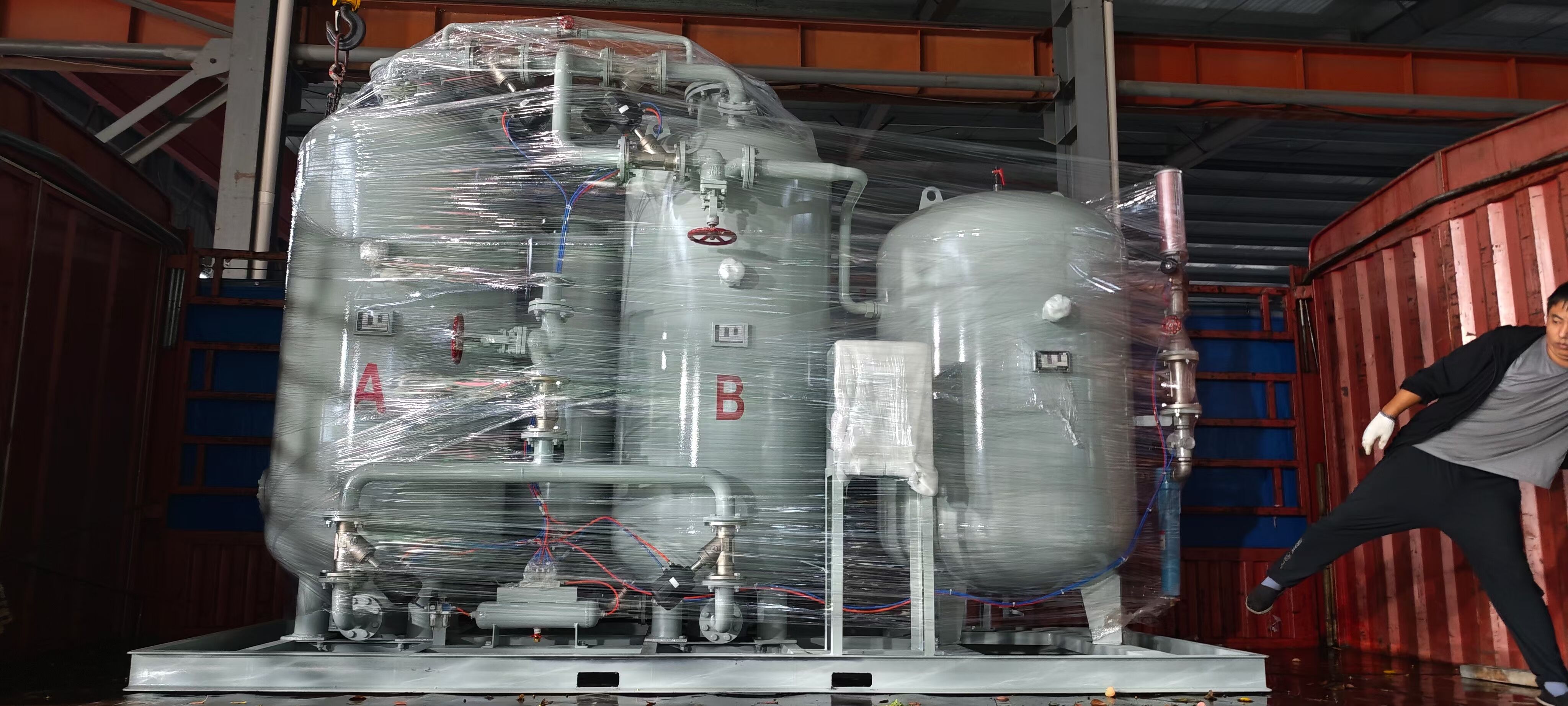
Modern nitrogen generator systems have revolutionized industrial gas supply by offering businesses unprecedented control, cost savings, and operational efficiency. These advanced systems deliver on-demand nitrogen production directly at the point of use, eliminating the traditional challenges associated with bulk nitrogen delivery and storage. The five key benefits of implementing modern nitrogen generator systems extend far beyond simple cost reduction, encompassing enhanced safety protocols, environmental sustainability, operational flexibility, and long-term strategic advantages that position companies for sustained growth and competitive advantage.
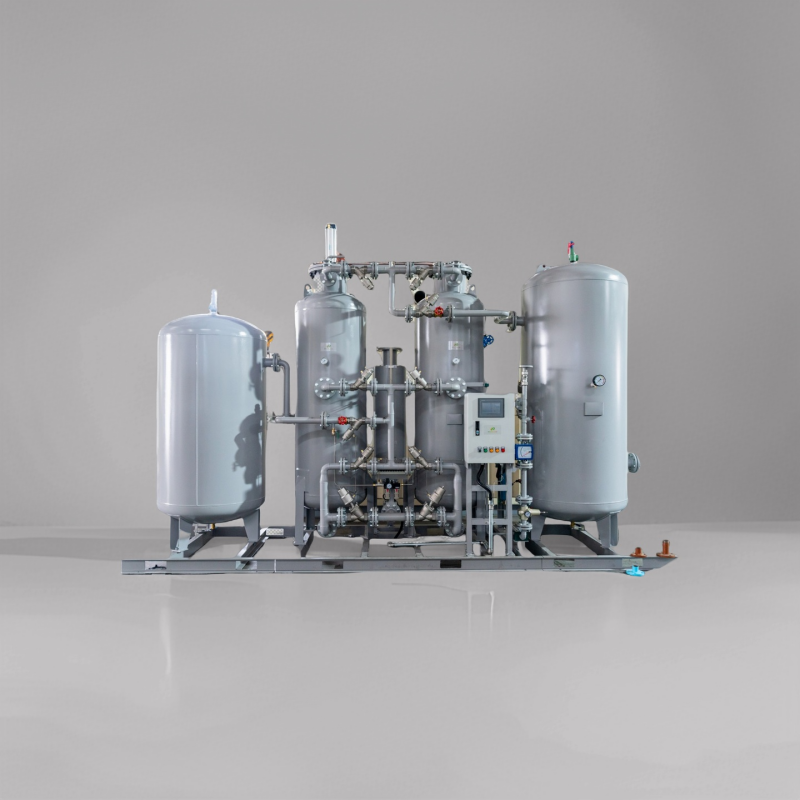
Understanding these five transformative benefits enables industrial decision-makers to make informed choices about nitrogen supply strategies that align with both immediate operational needs and future business objectives. From pharmaceutical manufacturing to food packaging, electronics production to oil and gas operations, modern nitrogen generator systems provide measurable improvements across multiple performance indicators while delivering the reliability and consistency that mission-critical applications demand.
Significant Cost Reduction and Financial Benefits
Elimination of Recurring Nitrogen Purchase Costs
Modern nitrogen generator systems deliver substantial cost savings by eliminating recurring expenses associated with purchased nitrogen gas. Traditional nitrogen supply methods require ongoing purchases of liquid or compressed nitrogen, creating continuous operational expenses that compound over time. Businesses typically experience cost reductions of 40-70% within the first year of implementing on-site nitrogen generation, with savings continuing to accumulate throughout the system's operational lifespan.
The financial impact becomes particularly pronounced for facilities with high nitrogen consumption rates. Manufacturing operations that previously spent tens of thousands of dollars monthly on nitrogen purchases can redirect these funds toward core business activities and capital improvements. Modern nitrogen generator systems transform nitrogen from a variable operating expense into a predictable capital investment with measurable return on investment calculations.
Long-term financial projections demonstrate that nitrogen generator systems typically achieve full cost recovery within 12-24 months, depending on usage patterns and local nitrogen pricing. The remaining operational lifespan, often spanning 15-20 years, represents pure cost savings that directly enhance profitability and competitive positioning in the marketplace.
Reduced Transportation and Handling Expenses
Traditional nitrogen supply chains involve significant transportation and handling costs that modern nitrogen generator systems eliminate entirely. Delivery scheduling, offloading equipment, storage infrastructure, and inventory management create hidden expenses that accumulate beyond the base nitrogen purchase price. On-site generation removes these logistical complexities while reducing the total cost of nitrogen ownership.
Transportation cost volatility, particularly fuel price fluctuations, creates unpredictable expense patterns that complicate budget planning and financial forecasting. Nitrogen generator systems provide cost stability by eliminating transportation dependencies and creating predictable operational expenses based solely on electrical consumption and routine maintenance requirements.
The elimination of handling costs extends beyond direct financial benefits to include reduced labor requirements, decreased insurance liabilities, and simplified regulatory compliance. These operational efficiencies contribute to the overall financial advantage that modern nitrogen generator systems provide compared to traditional supply methods.
Enhanced Operational Independence and Supply Security
Elimination of Supply Chain Vulnerabilities
Modern nitrogen generator systems provide complete independence from external supply chains, eliminating vulnerabilities that can disrupt production schedules and compromise operational continuity. Traditional nitrogen supply depends on complex logistics networks involving production facilities, transportation systems, and distribution infrastructure that remain susceptible to disruptions from weather events, transportation strikes, equipment failures, and supply shortage conditions.
Supply chain independence becomes particularly critical for facilities operating in remote locations or regions with limited nitrogen suppliers. Nitrogen generator systems ensure continuous availability regardless of external market conditions, supplier capacity constraints, or geographic isolation factors that might otherwise limit nitrogen access or increase supply costs significantly.
The strategic advantage of supply independence extends to emergency response capabilities and business continuity planning. Organizations with on-site nitrogen generation maintain operational capabilities during supply disruptions that could otherwise force production shutdowns and result in significant revenue losses and customer service impacts.
Flexible Production Scheduling and Demand Response
On-site nitrogen generator systems enable flexible production scheduling by providing nitrogen availability that matches operational demands without advance planning or inventory management requirements. Traditional supply methods require production scheduling coordination with delivery schedules, storage capacity limitations, and minimum order quantities that constrain operational flexibility and responsiveness to market opportunities.
Demand response capabilities allow facilities to increase or decrease nitrogen production in real-time based on actual requirements rather than predetermined delivery schedules. This flexibility proves particularly valuable for seasonal operations, variable production schedules, and facilities experiencing growth phases that require scalable nitrogen supply solutions.
Modern nitrogen generator systems support lean manufacturing principles by enabling just-in-time nitrogen production that eliminates waste, reduces inventory carrying costs, and optimizes resource utilization patterns. This operational agility contributes to improved overall equipment effectiveness and enhanced competitiveness in dynamic market conditions.
Superior Safety Performance and Risk Mitigation
Elimination of High-Pressure Gas Storage Hazards
Modern nitrogen generator systems significantly enhance workplace safety by eliminating the need for high-pressure gas storage tanks and associated handling procedures. Traditional nitrogen supply methods require storage of compressed gas cylinders or cryogenic liquid tanks that present inherent safety risks including pressure vessel failures, cryogenic exposure hazards, and compressed gas handling injuries.
On-site generation produces nitrogen at operating pressures that match application requirements without intermediate high-pressure storage steps. This approach reduces safety risks associated with pressure vessel maintenance, inspection requirements, and emergency response procedures that high-pressure storage systems necessitate for regulatory compliance and personnel protection.
Safety risk reduction extends to transportation hazards eliminated through on-site generation. Delivery truck accidents, loading dock incidents, and materials handling injuries associated with traditional nitrogen supply methods are eliminated when nitrogen generator systems provide continuous production at the point of use.
Reduced Emergency Response and Compliance Requirements
Nitrogen generator systems simplify emergency response planning and regulatory compliance by eliminating hazardous materials storage and handling requirements associated with traditional nitrogen supply methods. High-pressure gas storage requires comprehensive emergency response procedures, specialized training programs, and regulatory reporting that on-site generation systems avoid through their inherently safer design approach.
Compliance simplification reduces administrative burden and associated costs while minimizing exposure to regulatory violations and enforcement actions. Modern nitrogen generator systems operate under standard electrical and mechanical equipment regulations rather than specialized compressed gas storage and handling requirements that apply to traditional supply methods.
The reduction in emergency response complexity improves overall facility safety management by allowing safety resources to focus on core production hazards rather than nitrogen supply risks. This concentration of safety efforts on primary operational risks enhances overall safety performance and reduces total risk exposure across facility operations.
Environmental Sustainability and Carbon Footprint Reduction
Elimination of Transportation-Related Emissions
Modern nitrogen generator systems contribute significantly to environmental sustainability goals by eliminating transportation-related carbon emissions associated with traditional nitrogen delivery methods. Truck-based delivery systems generate substantial greenhouse gas emissions through diesel fuel consumption, particularly for facilities requiring frequent deliveries or located in remote areas with extended transportation distances.
On-site nitrogen production eliminates the entire transportation component of the nitrogen supply chain, reducing carbon footprint by eliminating delivery truck emissions, fuel consumption, and associated environmental impacts. This emission reduction contributes directly to corporate sustainability initiatives and environmental compliance objectives while supporting broader climate change mitigation efforts.
Environmental impact reduction extends beyond direct emission elimination to include reduced packaging waste, elimination of returnable container transportation, and decreased traffic congestion impacts. These comprehensive environmental benefits align with increasingly stringent corporate sustainability requirements and stakeholder environmental expectations.
Energy Efficiency and Resource Optimization
Advanced nitrogen generator systems incorporate energy-efficient technologies that optimize resource utilization while minimizing environmental impact. Modern pressure swing adsorption systems and membrane separation technologies achieve high nitrogen recovery rates with reduced energy consumption compared to traditional industrial nitrogen production methods.
Resource optimization includes the elimination of nitrogen waste associated with storage losses, transportation spillage, and inventory expiration that characterize traditional supply methods. On-site generation produces nitrogen only as needed, eliminating waste streams and maximizing resource efficiency throughout the production and consumption cycle.
Energy efficiency improvements in modern nitrogen generator systems continue advancing through technological innovations including variable speed drive systems, advanced control algorithms, and heat recovery integration. These developments further enhance environmental performance while reducing operational costs and supporting long-term sustainability objectives.
Advanced Control and Quality Assurance Capabilities
Precise Purity Control and Monitoring
Modern nitrogen generator systems provide precise control over nitrogen purity levels with continuous monitoring capabilities that ensure consistent gas quality for critical applications. Advanced sensor technology and automated control systems maintain specified purity levels within tight tolerances, providing quality assurance that exceeds traditional supply methods where purity can vary between deliveries and storage conditions.
Real-time purity monitoring enables immediate detection of quality deviations and automatic system adjustments to maintain specification compliance. This continuous quality control capability proves essential for applications requiring consistent nitrogen properties, such as pharmaceutical manufacturing, electronics production, and food packaging where product quality depends on precise gas specifications.
Quality documentation and traceability features built into modern nitrogen generator systems support regulatory compliance and quality management system requirements. Automated data logging provides comprehensive records of nitrogen purity, flow rates, and system performance parameters that facilitate audit compliance and process validation activities.
Integration with Process Control Systems
Advanced nitrogen generator systems integrate seamlessly with facility process control systems, enabling coordinated operation and optimized nitrogen supply management. Integration capabilities include communication protocols, automated startup sequences, and demand-responsive production adjustments that align nitrogen generation with production schedules and process requirements.
Process integration extends to predictive maintenance capabilities and performance optimization features that maximize system reliability while minimizing operational costs. Smart monitoring systems analyze performance trends, predict maintenance requirements, and optimize operating parameters to ensure consistent nitrogen supply while extending equipment lifespan.
Remote monitoring and control capabilities enable facility management to oversee nitrogen generator systems from centralized control rooms or mobile devices. This connectivity supports proactive maintenance scheduling, performance optimization, and troubleshooting activities that maintain high system availability and operational efficiency.
FAQ
What are the typical payback periods for nitrogen generator systems?
Most modern nitrogen generator systems achieve full cost recovery within 12-24 months of installation, depending on nitrogen consumption rates and local supply costs. High-usage facilities often see payback periods as short as 8-12 months, while moderate usage applications typically recover costs within 18-24 months. The remaining operational lifespan of 15-20 years represents significant cost savings and return on investment.
How do nitrogen generator systems maintain consistent purity levels?
Advanced nitrogen generator systems use sophisticated sensor technology and automated control systems to continuously monitor and adjust nitrogen purity in real-time. Pressure swing adsorption systems employ precise timing cycles and pressure management, while membrane systems use selective permeation control. These technologies maintain purity levels within ±0.1% of specified targets with automatic adjustments to compensate for varying feed conditions.
What maintenance requirements do modern nitrogen generator systems have?
Modern nitrogen generator systems require minimal routine maintenance, typically consisting of filter replacements every 6-12 months, annual system inspections, and periodic calibration of monitoring instruments. Preventive maintenance schedules are designed to maximize system availability while minimizing operational disruption. Most systems include predictive maintenance capabilities that alert operators to potential issues before they impact nitrogen production.
Can nitrogen generator systems scale with changing production demands?
Yes, modern nitrogen generator systems offer excellent scalability through modular designs and variable capacity control. Systems can adjust production rates from 10-100% of rated capacity to match real-time demand, while modular configurations allow capacity expansion through additional generator modules. This flexibility supports business growth and changing production requirements without requiring complete system replacement.