 EN
EN
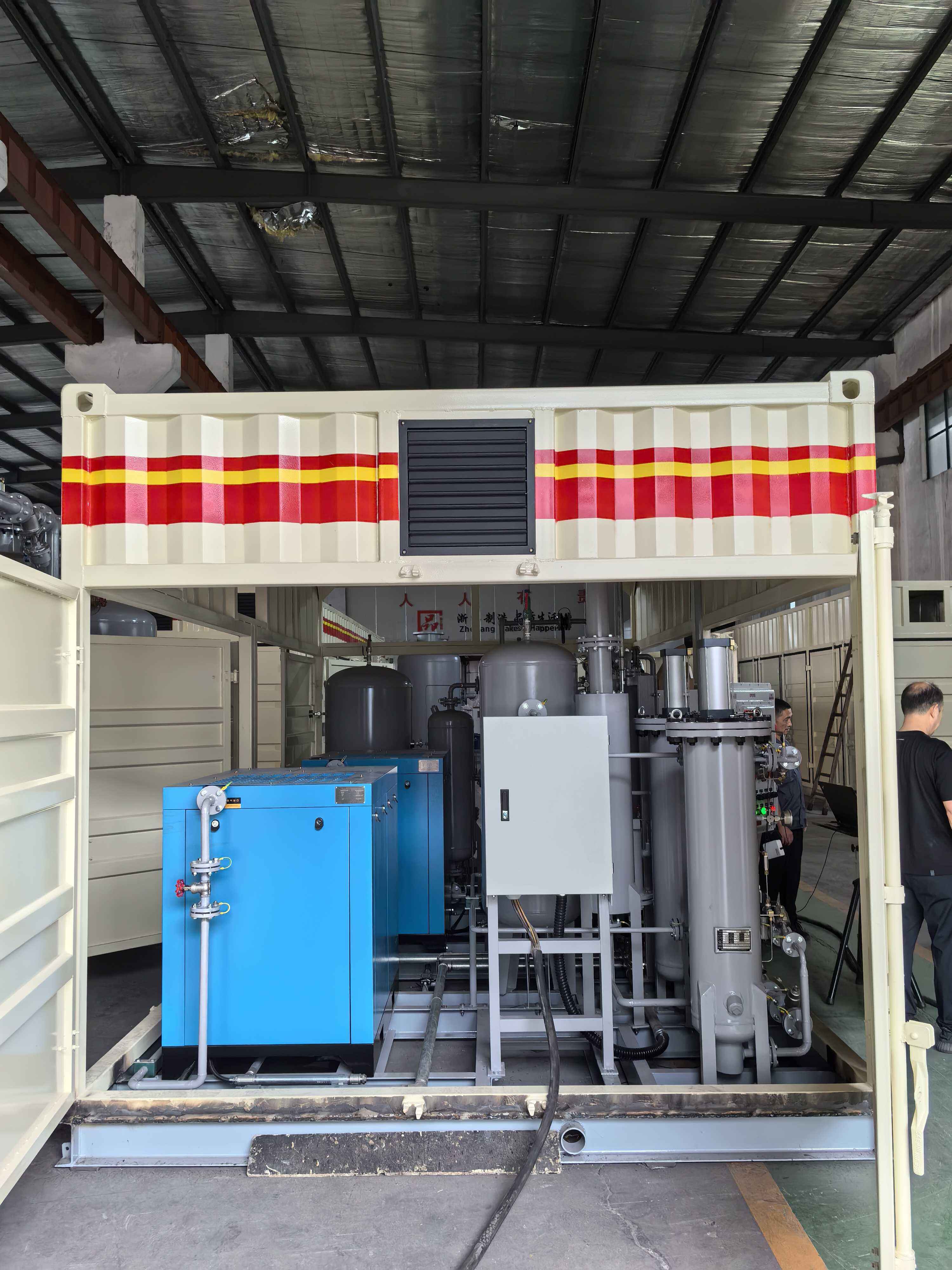
Selecting the right nitrogen generator manufacturer is a critical business decision that can significantly impact your operational efficiency, production costs, and long-term industrial success. With numerous suppliers claiming superiority in the market, the challenge lies in identifying which manufacturer can truly deliver reliable, cost-effective nitrogen generation solutions tailored to your specific industrial requirements. The decision extends beyond initial purchase price to encompass service quality, technical support, equipment longevity, and total cost of ownership over the system's operational lifespan.
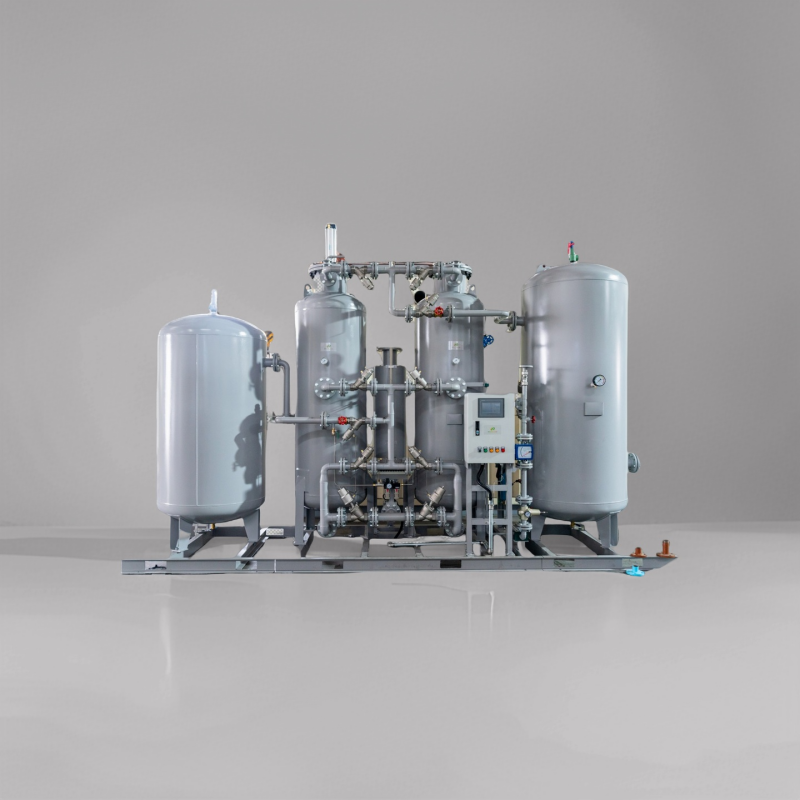
Understanding the key evaluation criteria for nitrogen generator manufacturers enables informed decision-making that protects your investment while ensuring consistent nitrogen supply for your operations. This comprehensive selection process involves analyzing technical capabilities, manufacturing standards, service infrastructure, financial stability, and industry expertise to identify a partner capable of supporting your nitrogen generation needs both immediately and throughout the equipment's operational life. The right manufacturer choice establishes a foundation for reliable nitrogen production that supports your business objectives while minimizing operational risks.
Technical Expertise and Manufacturing Standards
Engineering Capabilities and Design Innovation
A reliable nitrogen generator manufacturer demonstrates advanced engineering capabilities through innovative system designs that optimize nitrogen production efficiency while minimizing energy consumption. Technical expertise manifests in the ability to customize nitrogen generator solutions for specific industrial applications, incorporating advanced control systems, automated monitoring features, and energy-efficient components. Manufacturers with strong engineering backgrounds typically offer comprehensive technical documentation, detailed system specifications, and transparent performance data that enables accurate evaluation of equipment capabilities.
Manufacturing excellence includes implementing rigorous quality control processes, utilizing premium components, and maintaining consistent production standards across all nitrogen generator units. Leading manufacturers invest in research and development to continuously improve their nitrogen generator technology, incorporating feedback from industrial users to enhance system reliability and operational efficiency. The engineering team's experience with diverse industrial nitrogen applications indicates their capability to understand your specific requirements and recommend appropriate solutions.
Quality Certifications and Compliance Standards
Reputable nitrogen generator manufacturers maintain relevant industry certifications that validate their commitment to quality, safety, and environmental standards. These certifications typically include ISO 9001 for quality management systems, pressure vessel certifications for safe operation, and environmental compliance documentation. Manufacturers adhering to international standards demonstrate their commitment to producing reliable nitrogen generator systems that meet or exceed industry requirements.
Compliance with industry-specific standards becomes particularly important when selecting a nitrogen generator for regulated industries such as pharmaceuticals, food processing, or aerospace applications. Manufacturers familiar with these specialized requirements can provide nitrogen generator systems designed to meet stringent purity standards, documentation requirements, and validation protocols. The presence of third-party certifications and regular audits indicates a manufacturer's dedication to maintaining consistent quality standards throughout their production processes.
Service Infrastructure and Technical Support
Geographic Coverage and Local Presence
A manufacturer's service infrastructure directly impacts the long-term reliability and operational efficiency of your nitrogen generator investment. Companies with established local service networks can provide faster response times for maintenance, repairs, and technical support, minimizing potential production disruptions. Geographic coverage becomes particularly critical for businesses operating multiple facilities or remote locations where immediate service access is essential for maintaining continuous nitrogen supply.
Local presence also facilitates easier communication, cultural understanding, and familiarity with regional regulations or industry practices that may affect nitrogen generator operation. Manufacturers with regional service centers typically maintain parts inventories, trained technicians, and service equipment within reasonable proximity to customer locations. This infrastructure investment demonstrates the manufacturer's commitment to supporting customers throughout the nitrogen generator's operational lifespan rather than focusing solely on initial equipment sales.
Training Programs and Technical Documentation
Comprehensive training programs indicate a manufacturer's commitment to ensuring proper nitrogen generator operation and maintenance by customer personnel. Quality manufacturers provide detailed operator training, maintenance instruction, troubleshooting guidance, and ongoing technical support to maximize equipment reliability and performance. Training programs should cover system operation, routine maintenance procedures, safety protocols, and basic troubleshooting techniques that enable customers to address minor issues independently.
Technical documentation quality reflects the manufacturer's professionalism and attention to detail in supporting customer success. Complete documentation packages include installation manuals, operating procedures, maintenance schedules, spare parts catalogs, and performance specifications that enable effective nitrogen generator management. Manufacturers providing comprehensive documentation demonstrate their commitment to transparency and customer support, facilitating effective equipment management throughout the system's operational life.
Financial Stability and Industry Experience
Company History and Market Reputation
Evaluating a nitrogen generator manufacturer's financial stability and industry longevity provides insight into their ability to support customers over the long term. Established manufacturers with proven track records typically possess the resources, experience, and commitment necessary to provide ongoing support, honor warranties, and continue product development. Company longevity indicates successful navigation of market challenges, customer satisfaction, and sustainable business practices that support continued operation.
Market reputation among existing customers provides valuable insight into manufacturer reliability, service quality, and product performance. Customer testimonials, case studies, and industry references offer practical perspectives on working relationships, problem resolution capabilities, and overall satisfaction with nitrogen generator performance. Manufacturers willing to provide customer references demonstrate confidence in their products and services while enabling prospective customers to verify claims through direct communication with existing users.
Research and Development Investment
A manufacturer's commitment to research and development indicates their dedication to continuous improvement and technological advancement in nitrogen generator design. Companies investing in R&D typically offer more advanced features, improved efficiency, and innovative solutions that provide competitive advantages for their customers. This investment also suggests the manufacturer's commitment to remaining current with industry trends, regulatory changes, and evolving customer requirements.
Innovation capability becomes particularly important as industrial nitrogen applications evolve and efficiency requirements increase. Manufacturers with active R&D programs can adapt their nitrogen generator offerings to meet changing market demands, incorporate new technologies, and provide solutions that deliver improved performance and cost-effectiveness. This forward-looking approach ensures that customers benefit from ongoing technological improvements and maintain competitive advantages in their respective industries.
Application-Specific Expertise and Customization Capabilities
Industry Knowledge and Application Experience
Manufacturers with extensive experience in your specific industry or application typically understand the unique requirements, challenges, and performance expectations associated with your nitrogen generator needs. Industry-specific knowledge enables manufacturers to recommend appropriate system configurations, anticipate potential issues, and provide solutions optimized for your operational environment. This expertise becomes particularly valuable for specialized applications requiring specific purity levels, flow rates, or integration requirements.
Application experience also influences the manufacturer's ability to provide relevant case studies, performance data, and technical guidance that facilitates informed decision-making. Manufacturers serving diverse industries typically possess broader knowledge bases and can apply lessons learned across different applications to improve nitrogen generator design and performance. However, deep expertise in your specific industry may provide more targeted solutions and better understanding of your operational requirements.
Customization and Integration Capabilities
The ability to customize nitrogen generator systems for specific applications demonstrates manufacturing flexibility and engineering capability to meet unique customer requirements. Customization options may include modified control systems, specialized monitoring features, integration with existing plant systems, or adaptation to specific space constraints. Manufacturers offering customization services typically possess the engineering resources and production flexibility necessary to deliver tailored solutions without compromising reliability or performance.
Integration capabilities become increasingly important as industrial facilities seek to optimize overall system performance and operational efficiency. Nitrogen generator manufacturers capable of integrating their equipment with existing plant control systems, monitoring networks, or process automation platforms provide additional value through improved operational visibility and control. This integration expertise indicates advanced technical capabilities and understanding of modern industrial automation requirements.
Cost Structure and Value Proposition
Total Cost of Ownership Analysis
Evaluating the total cost of ownership rather than focusing solely on initial purchase price provides a more accurate assessment of nitrogen generator value over the equipment's operational lifespan. Total cost considerations include purchase price, installation costs, energy consumption, maintenance expenses, spare parts costs, and potential downtime impacts. Manufacturers providing transparent cost breakdowns and realistic operating cost projections demonstrate confidence in their value proposition and commitment to customer success.
Energy efficiency significantly impacts long-term operating costs, making it essential to evaluate power consumption characteristics of different nitrogen generator options. Manufacturers investing in energy-efficient designs typically offer systems with lower operating costs that offset higher initial investments through reduced utility expenses. Additionally, reliable manufacturers often provide performance guarantees or warranties that protect against unexpected costs associated with equipment failures or performance shortfalls.
Warranty Terms and Service Agreements
Comprehensive warranty coverage and service agreement options reflect manufacturer confidence in their nitrogen generator reliability and commitment to customer support. Warranty terms should cover major components, provide reasonable coverage periods, and include clear definitions of covered conditions and exclusions. Extended warranty options and comprehensive service agreements can provide additional protection against unexpected costs while ensuring ongoing technical support throughout the equipment's operational life.
Service agreement structures vary significantly among nitrogen generator manufacturers, with some offering comprehensive coverage including preventive maintenance, emergency repairs, and parts replacement, while others provide more limited support options. Evaluating service agreement terms, response time commitments, and cost structures enables comparison of long-term support options and associated costs. Quality manufacturers typically offer flexible service options that can be tailored to specific customer requirements and risk tolerance levels.
FAQ
How long should I expect a nitrogen generator to operate before requiring major maintenance?
Most industrial nitrogen generators from reputable manufacturers are designed to operate continuously for 8,000 to 20,000 hours before requiring major maintenance, depending on the technology used and operating conditions. PSA (Pressure Swing Adsorption) systems typically require adsorbent replacement every 5-10 years, while membrane-based systems may need membrane replacement after 3-7 years. Regular preventive maintenance, including filter changes and system inspections, significantly extends equipment life and maintains optimal performance throughout the operational period.
What nitrogen purity levels can different manufacturers typically achieve?
Established nitrogen generator manufacturers can typically produce nitrogen with purity levels ranging from 95% to 99.9995%, depending on the technology employed and system configuration. PSA nitrogen generators commonly achieve purities of 95-99.5%, while membrane systems typically produce 95-99% purity nitrogen. For applications requiring ultra-high purity nitrogen above 99.9%, manufacturers may recommend specialized PSA configurations or hybrid systems that combine multiple purification technologies to achieve the required specifications.
How do I evaluate the technical support quality before making a purchase decision?
Evaluate technical support quality by requesting detailed information about service response times, local technician availability, training programs, and documentation quality. Ask for customer references who can provide firsthand experience with the manufacturer's support services, including responsiveness during emergencies and effectiveness of routine maintenance support. Request demonstration of remote monitoring capabilities, availability of technical hotlines, and access to replacement parts inventories that impact ongoing support quality and equipment reliability.
What factors should influence my choice between local and international nitrogen generator manufacturers?
Consider local service availability, cultural and language compatibility, regulatory compliance familiarity, and total cost including shipping and import duties when choosing between local and international manufacturers. Local manufacturers often provide faster service response and better understanding of regional requirements, while international manufacturers may offer more advanced technology or competitive pricing. Evaluate each manufacturer's local presence, service infrastructure, and ability to provide ongoing support regardless of their geographic origin to ensure reliable long-term partnership.
Table of Contents
- Technical Expertise and Manufacturing Standards
- Service Infrastructure and Technical Support
- Financial Stability and Industry Experience
- Application-Specific Expertise and Customization Capabilities
- Cost Structure and Value Proposition
-
FAQ
- How long should I expect a nitrogen generator to operate before requiring major maintenance?
- What nitrogen purity levels can different manufacturers typically achieve?
- How do I evaluate the technical support quality before making a purchase decision?
- What factors should influence my choice between local and international nitrogen generator manufacturers?