 EN
EN
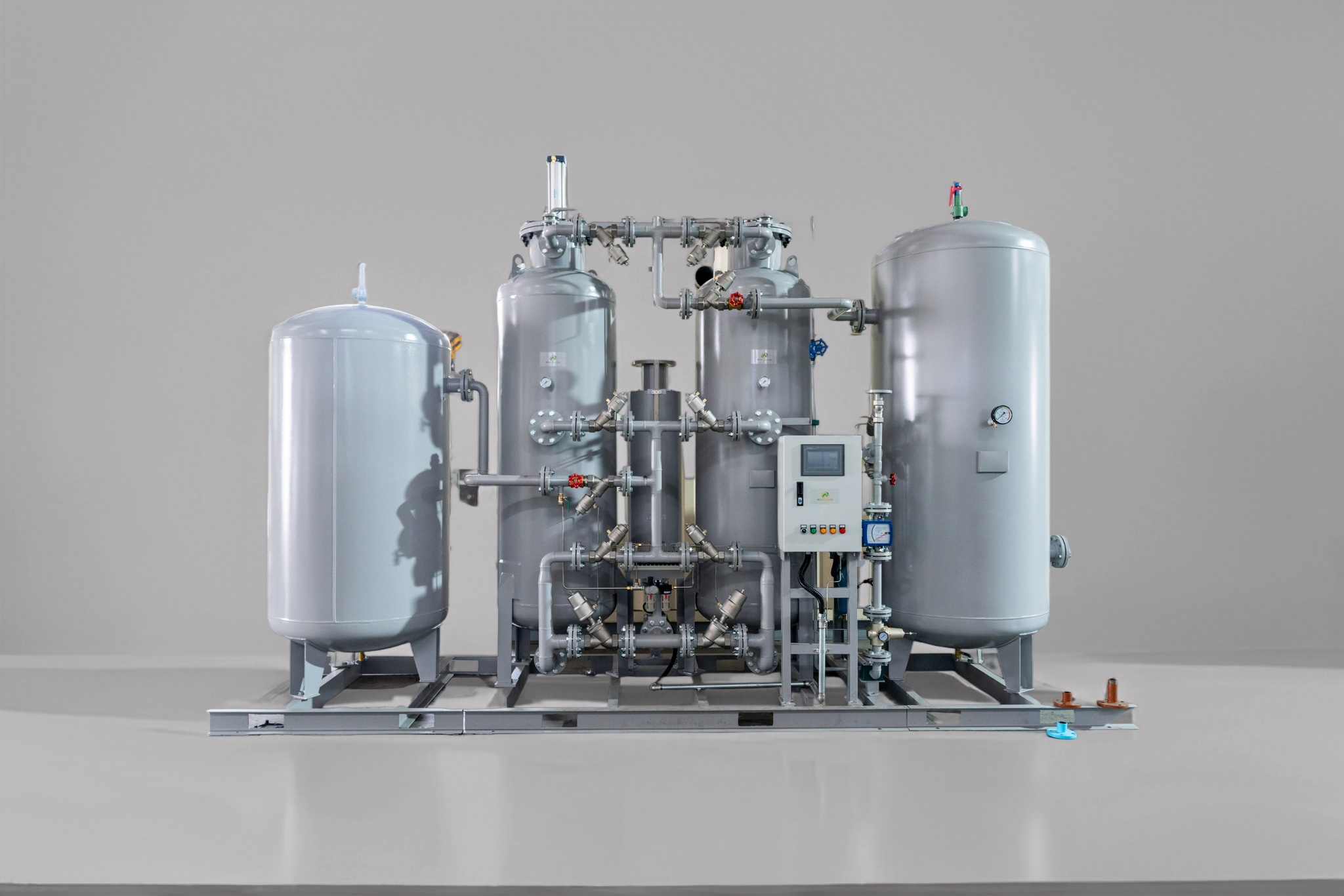
When industrial facilities and manufacturing plants evaluate nitrogen generator systems for their operations, one of the most significant decisions involves choosing between Asian and Western nitrogen generator manufacturers. This comparison goes far beyond simple geography or pricing structures. The distinctions between these two manufacturing regions encompass engineering philosophies, quality control methodologies, regulatory compliance frameworks, after-sales support models, and long-term operational considerations that directly impact total cost of ownership and system reliability. Understanding these differences enables procurement teams and engineering managers to make informed decisions aligned with their specific operational requirements, budget constraints, and performance expectations.
The nitrogen generation industry has experienced substantial globalization over the past two decades, with manufacturers from both Asian and Western markets establishing strong footholds across diverse industrial sectors. Asian nitrogen generator manufacturers have historically competed on cost efficiency and rapid production scaling, while Western manufacturers have traditionally emphasized precision engineering and stringent quality assurance protocols. However, these distinctions have become increasingly nuanced as Asian manufacturers have invested heavily in technological advancement and quality improvement, while Western manufacturers have optimized production efficiency to remain competitive. This evolving landscape requires a deeper examination of what truly differentiates these manufacturing approaches and how those differences translate into practical performance outcomes for end users.
Engineering Philosophy and Design Approach
Fundamental Design Methodologies
Western nitrogen generator manufacturers typically follow engineering design philosophies rooted in precision specification and comprehensive testing protocols established over decades of industrial manufacturing tradition. These manufacturers often design systems with extensive documentation, detailed engineering calculations, and conservative safety margins that prioritize long-term reliability over initial cost optimization. Design teams at Western facilities generally work within established regulatory frameworks such as ASME, PED, or ATEX directives from the earliest conceptual stages, integrating compliance requirements directly into the fundamental system architecture rather than treating them as post-design adaptations.
Asian nitrogen generator manufacturers have historically adopted more flexible design approaches that emphasize rapid adaptation to customer specifications and cost-effective solutions. Many Asian manufacturers excel at reverse engineering proven designs and implementing incremental improvements that enhance functionality while maintaining competitive pricing structures. This approach allows for faster customization cycles and greater willingness to accommodate non-standard specifications that might be considered too costly or operationally risky by Western counterparts. The engineering teams at Asian facilities often demonstrate remarkable adaptability in modifying standard designs to meet unique application requirements without extensive re-certification processes.
Material Selection and Component Sourcing
Material selection represents another significant differentiation point between Asian and Western nitrogen generator manufacturers. Western manufacturers typically maintain strict material specifications with limited approved supplier lists, often sourcing critical components exclusively from established Western suppliers with documented quality histories. This approach ensures material traceability and consistency but contributes to higher baseline manufacturing costs. Components such as carbon molecular sieves, pneumatic valves, pressure vessels, and control systems are frequently sourced from premium suppliers with extensive certification documentation.
Asian manufacturers have developed sophisticated supply chain networks that blend international premium components with locally manufactured alternatives for non-critical applications. This hybrid approach allows Asian nitrogen generator manufacturers to offer competitive pricing while maintaining acceptable performance standards for most industrial applications. Many Asian manufacturers have established long-term relationships with component suppliers throughout the region, creating supply chain efficiencies that Western manufacturers find difficult to replicate. However, material consistency and quality variance can present challenges, particularly when manufacturers switch suppliers to maintain cost competitiveness during periods of raw material price volatility.
Innovation and Technology Development
The innovation landscape differs substantially between these manufacturing regions. Western nitrogen generator manufacturers typically invest heavily in fundamental research and development, focusing on breakthrough technologies, advanced control systems, and proprietary processes that can be protected through patents and intellectual property frameworks. This innovation approach emphasizes differentiation through technological superiority and often targets premium market segments willing to pay for cutting-edge capabilities. Western manufacturers frequently collaborate with universities and research institutions to develop next-generation separation technologies and energy optimization algorithms.
Asian manufacturers generally prioritize applied innovation focused on incremental improvements, cost reduction engineering, and practical feature enhancements that address specific customer pain points. This approach results in rapid deployment of proven technologies with modifications that improve usability, reduce maintenance requirements, or enhance energy efficiency without fundamental redesigns. Asian nitrogen generator manufacturers have become increasingly sophisticated in developing proprietary control systems and monitoring capabilities that rival Western alternatives at substantially lower price points, challenging traditional assumptions about technology leadership in the nitrogen generation sector.
Quality Control Standards and Manufacturing Processes
Production Environment and Process Control
Manufacturing facility standards represent a critical differentiation area between Asian and Western nitrogen generator manufacturers. Western facilities typically operate under comprehensive quality management systems certified to ISO 9001, ISO 14001, and industry-specific standards, with extensive documentation requirements and formal audit protocols. Production environments emphasize cleanroom standards for sensitive component assembly, calibrated tooling for precision fabrication, and rigorous process control measures that ensure batch-to-batch consistency. These facilities maintain detailed production records that enable complete traceability from raw materials through final system commissioning.
Asian manufacturing facilities vary considerably in quality system sophistication, ranging from world-class operations that meet or exceed Western standards to smaller manufacturers with less formalized quality protocols. Leading Asian nitrogen generator manufacturers have invested substantially in modern production facilities featuring automated welding systems, precision machining centers, and sophisticated testing equipment comparable to Western counterparts. However, smaller Asian manufacturers may rely more heavily on manual processes and less stringent process controls, resulting in greater performance variability between individual units. This variance makes manufacturer selection and facility auditing particularly important when sourcing from Asian suppliers.
Testing and Validation Protocols
Testing rigor differs significantly across manufacturers in both regions. Western nitrogen generator manufacturers typically implement comprehensive factory acceptance testing protocols that simulate actual operating conditions, including extended runtime testing, thermal cycling, pressure fluctuation analysis, and purity verification under various load conditions. These manufacturers maintain dedicated testing facilities with calibrated instrumentation and documented testing procedures that customers can witness before shipment. Performance guarantees are typically backed by extensive test data and conservative rating methodologies that account for real-world operating variations.
Asian manufacturers have substantially improved testing capabilities in recent years, with leading firms implementing sophisticated testing protocols that rival Western standards. However, testing duration and comprehensiveness may vary based on project timelines and customer requirements. Some Asian nitrogen generator manufacturers offer expedited production schedules that compress testing phases to meet aggressive delivery commitments, potentially reducing the validation depth compared to standard Western practice. Customers sourcing from Asian manufacturers should clearly specify testing requirements and consider independent third-party verification for critical applications where system reliability directly impacts production continuity or safety outcomes.
Quality Assurance Documentation
Documentation practices represent another meaningful distinction between manufacturing regions. Western manufacturers typically provide comprehensive documentation packages including detailed engineering drawings, material certificates, welding records, pressure vessel certifications, electrical schematics, control system programming documentation, and complete operation and maintenance manuals. This documentation facilitates long-term system maintenance, troubleshooting, and eventual system modifications or expansions. The documentation quality often reflects decades of refinement based on customer feedback and regulatory requirements in mature industrial markets.
Asian nitrogen generator manufacturers have made significant progress in documentation quality, particularly among larger firms serving international markets. However, documentation completeness and technical accuracy can vary substantially across the Asian manufacturing landscape. Translation quality sometimes presents challenges, with technical manuals occasionally containing ambiguous instructions or inconsistent terminology that complicates maintenance and troubleshooting efforts. Leading Asian manufacturers now employ technical writers with strong English proficiency and industry knowledge to produce documentation that meets international standards, but smaller manufacturers may still provide minimal documentation that requires supplementation through direct technical support channels.
Regulatory Compliance and Certification Standards
International Standards Adherence
Regulatory compliance represents a fundamental differentiation point between Asian and Western nitrogen generator manufacturers. Western manufacturers typically design systems for compliance with multiple international standards simultaneously, including ASME Section VIII for pressure vessels in North American markets, PED (Pressure Equipment Directive) for European applications, and various national standards for other regions. This multi-standard approach ensures broad market applicability but increases engineering complexity and manufacturing costs. Western manufacturers maintain extensive certification portfolios and regularly update designs to accommodate evolving regulatory requirements across their target markets.
Asian manufacturers often take a more targeted approach to regulatory compliance, obtaining certifications specific to their primary export markets rather than maintaining comprehensive multi-regional compliance portfolios. Many Asian nitrogen generator manufacturers hold ISO certifications and basic pressure vessel approvals suitable for less regulated markets, while obtaining additional certifications on a project-specific basis when required by customer specifications. This approach reduces baseline costs but may extend project timelines when specialized certifications become necessary. Customers operating in highly regulated industries should verify that Asian manufacturers possess appropriate certifications before issuing purchase orders to avoid costly delays or non-compliance issues.
Safety Standards and Risk Management
Safety philosophy and risk management approaches differ between manufacturing traditions. Western nitrogen generator manufacturers typically implement conservative safety design principles with multiple redundant protection systems, comprehensive hazard analyses following methodologies like HAZOP or FMEA, and safety margins that exceed minimum regulatory requirements. This approach reflects liability concerns in Western legal systems and customer expectations in industries where safety incidents carry severe consequences. Safety documentation, including risk assessments and safety data sheets, is typically comprehensive and regularly updated to reflect operational experience and regulatory changes.
Asian manufacturers have increasingly adopted sophisticated safety practices, particularly those serving multinational corporations with standardized global procurement requirements. However, safety design philosophy may emphasize meeting specified requirements rather than exceeding them with conservative margins. Some Asian nitrogen generator manufacturers demonstrate flexibility in adjusting safety system configurations based on customer specifications and local regulatory requirements, which can be advantageous for cost optimization but requires careful evaluation to ensure adequate protection for specific applications. Customers should clearly communicate safety expectations and consider requiring design reviews by qualified safety engineers familiar with applicable industry standards.
Environmental and Sustainability Certifications
Environmental considerations have become increasingly important in manufacturer selection decisions. Western manufacturers typically maintain comprehensive environmental management systems certified to ISO 14001, implement extensive sustainability initiatives, and provide detailed environmental impact documentation for their products. These manufacturers often emphasize energy efficiency as a key differentiator and invest in research to reduce the environmental footprint of nitrogen generation systems throughout their lifecycle. Carbon footprint calculations, recyclability analyses, and environmental product declarations are commonly available from Western suppliers.
Asian nitrogen generator manufacturers vary considerably in environmental certification levels and sustainability focus. Leading Asian firms have achieved ISO 14001 certification and implemented energy efficiency improvements comparable to Western alternatives, recognizing that environmental performance increasingly influences purchasing decisions in developed markets. However, smaller Asian manufacturers may place less emphasis on environmental documentation and sustainability initiatives, focusing primarily on functional performance and cost competitiveness. Customers with corporate sustainability goals should evaluate environmental certifications and request energy efficiency data when comparing manufacturers across regions to ensure alignment with organizational environmental commitments.
After-Sales Support and Service Infrastructure
Technical Support Accessibility
After-sales technical support represents a critical consideration when comparing Asian and Western nitrogen generator manufacturers. Western manufacturers typically maintain extensive service networks with regional offices, local service technicians, and 24/7 technical support hotlines staffed by experienced engineers familiar with their product lines. This infrastructure enables rapid response to technical issues, minimizes production downtime, and provides customers with direct access to engineering expertise for troubleshooting complex problems. Western manufacturers often offer comprehensive service agreements with guaranteed response times and performance guarantees backed by established service organizations.
Asian manufacturers have worked to expand their international service capabilities, with leading firms establishing regional service centers and partnering with local distributors to provide technical support in key markets. However, service infrastructure depth varies significantly across Asian nitrogen generator manufacturers. Smaller manufacturers may rely primarily on remote technical support with limited local presence, potentially complicating troubleshooting efforts and extending resolution times for complex technical issues. Time zone differences can also affect support accessibility, although many Asian manufacturers now maintain support staff aligned with Western business hours to serve international customers effectively.
Spare Parts Availability and Lead Times
Spare parts logistics represent another important operational consideration. Western manufacturers typically maintain comprehensive spare parts inventories in regional distribution centers, enabling rapid parts delivery for routine maintenance and emergency repairs. Parts standardization across product lines facilitates inventory management and reduces the total number of unique components that customers must stock for maintenance purposes. Western nitrogen generator manufacturers generally provide detailed parts lists with clear identification systems and established pricing structures that remain stable over equipment lifecycles.
Asian manufacturers have improved spare parts availability substantially in recent years, with major firms establishing parts distribution networks in primary export markets. However, parts availability for specialized components may require longer lead times, particularly for customized systems with non-standard specifications. Some Asian nitrogen generator manufacturers utilize more diverse component sourcing strategies, which can complicate long-term parts availability if suppliers change over the equipment lifecycle. Customers should evaluate parts inventory practices and consider stocking critical spare parts locally when sourcing from Asian manufacturers with limited regional distribution infrastructure.
Training and Knowledge Transfer
Training programs and knowledge transfer capabilities differ between manufacturing regions. Western manufacturers typically offer comprehensive training programs covering system operation, routine maintenance, troubleshooting procedures, and advanced diagnostics. These programs may include hands-on training at customer facilities, classroom instruction at manufacturer training centers, and online learning modules that provide ongoing educational resources. Western manufacturers often provide detailed technical documentation and maintenance videos that support in-house capability development and reduce dependence on external service providers.
Asian nitrogen generator manufacturers have expanded training offerings in response to customer requirements, with leading firms providing installation supervision, operational training, and basic maintenance instruction as standard project deliverables. However, training depth and documentation quality may not match Western standards across all Asian manufacturers. Language barriers occasionally complicate knowledge transfer, particularly for complex troubleshooting procedures or advanced system optimization techniques. Customers should explicitly specify training requirements in procurement specifications and consider requesting English-speaking trainers when sourcing from Asian manufacturers to ensure effective knowledge transfer to operations and maintenance personnel.
Total Cost of Ownership Considerations
Initial Capital Investment Comparison
Initial purchase price represents the most obvious distinction between Asian and Western nitrogen generator manufacturers. Asian manufacturers typically offer capital cost advantages ranging from twenty to forty percent compared to Western alternatives for systems with similar specifications. This pricing differential reflects lower labor costs, optimized supply chains, manufacturing scale economies, and competitive market dynamics in the Asian manufacturing sector. For price-sensitive applications or projects with constrained capital budgets, this cost advantage can be decisive in manufacturer selection decisions, particularly when performance requirements fall within standard industrial specifications rather than demanding extreme purity, pressure, or reliability parameters.
Western manufacturers justify premium pricing through superior engineering documentation, comprehensive testing, extensive certification portfolios, and established brand reputations built over decades of reliable performance. The price premium reflects not only manufacturing cost differences but also research and development investments, comprehensive warranty programs, and service infrastructure maintenance. For critical applications where system downtime carries severe production or safety consequences, the additional capital investment in Western equipment may be justified by reduced operational risk and greater confidence in long-term reliability. Customers should evaluate total cost of ownership rather than focusing exclusively on initial capital costs when comparing nitrogen generator manufacturers across regions.
Operating Cost and Energy Efficiency
Energy consumption represents a significant ongoing operational expense for nitrogen generation systems. Western nitrogen generator manufacturers typically emphasize energy efficiency as a key design priority, implementing advanced control algorithms, optimized valve timing, and sophisticated pressure management systems that minimize compressed air consumption per unit of nitrogen produced. These efficiency improvements can reduce operating costs substantially over system lifecycles, particularly in applications with high nitrogen consumption rates or elevated energy costs. Western manufacturers often provide detailed energy consumption data and lifecycle cost analyses that demonstrate payback periods for premium pricing through reduced operating expenses.
Asian manufacturers have made significant progress in energy efficiency optimization, with leading firms implementing sophisticated control systems and process improvements that approach Western performance standards. However, energy efficiency may receive lower design priority compared to initial cost optimization, particularly among smaller manufacturers serving price-sensitive market segments. Energy consumption variations between individual units may also be greater due to less stringent manufacturing tolerances and component quality variations. Customers should request verified energy consumption data and consider conducting independent efficiency testing when evaluating Asian manufacturers for applications where energy costs significantly impact total cost of ownership over system lifecycles.
Maintenance Requirements and Lifecycle Costs
Maintenance intensity and associated costs vary between manufacturing traditions. Western nitrogen generator manufacturers typically design systems for extended maintenance intervals using premium components with documented reliability histories. Maintenance procedures are clearly documented with specific parts lists, recommended service intervals, and detailed instructions that facilitate efficient maintenance execution by trained technicians. Component quality and manufacturing precision generally result in longer mean time between failures and reduced unscheduled maintenance requirements that minimize production disruptions and maintenance labor costs over system lifecycles.
Asian nitrogen generator manufacturers may specify shorter maintenance intervals or utilize components with less extensive reliability documentation, potentially increasing ongoing maintenance requirements and associated costs. However, parts costs for Asian systems are often substantially lower than Western alternatives, partially offsetting increased maintenance frequency. Some Asian manufacturers intentionally design systems for simpler maintenance procedures that reduce skill requirements and enable in-house maintenance by plant personnel with basic technical training. Customers should evaluate comprehensive maintenance cost projections including parts, labor, and downtime impacts when comparing manufacturers across regions to accurately assess lifecycle cost implications.
FAQ
How do warranty terms typically differ between Asian and Western nitrogen generator manufacturers?
Western nitrogen generator manufacturers generally offer comprehensive warranty programs ranging from one to three years covering parts, labor, and performance guarantees with clearly defined terms and established claims processes. These warranties are typically backed by financially stable organizations with long operational histories and insurance coverage for warranty obligations. Asian manufacturers commonly provide one-year warranties covering parts and manufacturing defects, though warranty enforcement can be more complex for international customers requiring service coordination across borders. Leading Asian manufacturers increasingly offer extended warranty options and performance guarantees comparable to Western standards, particularly for systems supplied to multinational corporations with standardized procurement requirements. Customers should carefully review warranty terms, understand claims procedures, and consider the practical enforceability of warranty provisions when evaluating manufacturers across regions.
Can Asian nitrogen generator manufacturers meet the same purity specifications as Western manufacturers?
Modern Asian nitrogen generator manufacturers can absolutely achieve purity specifications equivalent to Western alternatives, with leading Asian firms routinely supplying systems producing nitrogen at purities exceeding 99.999 percent for demanding applications in electronics manufacturing, pharmaceuticals, and other industries requiring ultra-high purity inert gas. Purity achievement depends primarily on carbon molecular sieve quality, system design optimization, and process control sophistication rather than manufacturing geography. However, purity consistency and long-term stability may vary based on manufacturing quality control and component selection. Customers requiring extreme purity specifications should request performance verification data, consider third-party testing, and evaluate the manufacturer's experience with similar high-purity applications regardless of geographic origin. Both Asian and Western manufacturers utilize similar separation technologies and can achieve specified purity targets when systems are properly designed and manufactured with appropriate quality controls.
What factors should determine whether to choose an Asian or Western nitrogen generator manufacturer?
Manufacturer selection should be based on a comprehensive evaluation of application criticality, performance requirements, budget constraints, service infrastructure needs, and corporate procurement preferences rather than geographic origin alone. Critical applications where nitrogen supply interruption carries severe production or safety consequences may justify premium investment in Western manufacturers with extensive service networks and documented reliability histories. Price-sensitive applications with standard performance requirements and in-house technical capabilities may benefit from the cost advantages offered by quality Asian manufacturers. Customers should evaluate specific manufacturers based on relevant certifications, reference installations in similar applications, documented performance data, service capabilities in their geographic region, and total cost of ownership projections rather than making assumptions based solely on manufacturing location. Both Asian and Western nitrogen generator manufacturers offer viable solutions across diverse industrial applications when selected appropriately based on specific project requirements and operational priorities.
How has the quality gap between Asian and Western nitrogen generator manufacturers changed in recent years?
The quality differential between leading Asian and Western nitrogen generator manufacturers has narrowed substantially over the past fifteen years as Asian manufacturers have invested heavily in manufacturing capabilities, quality systems, testing infrastructure, and engineering expertise. Major Asian manufacturers now operate facilities with quality standards rivaling Western counterparts and supply systems to demanding multinational customers with stringent performance requirements. However, significant quality variation persists across the Asian manufacturing landscape, with smaller manufacturers maintaining more traditional approaches emphasizing cost competitiveness over quality consistency. The quality gap has essentially bifurcated into two distinct comparisons: leading Asian manufacturers versus Western manufacturers show minimal quality differences for most industrial applications, while smaller Asian manufacturers continue to offer lower-cost alternatives with corresponding quality trade-offs. Customers should evaluate specific manufacturers based on facility audits, quality certifications, reference projects, and documented performance rather than assuming uniform quality characteristics across all manufacturers within geographic regions.
Table of Contents
- Engineering Philosophy and Design Approach
- Quality Control Standards and Manufacturing Processes
- Regulatory Compliance and Certification Standards
- After-Sales Support and Service Infrastructure
- Total Cost of Ownership Considerations
-
FAQ
- How do warranty terms typically differ between Asian and Western nitrogen generator manufacturers?
- Can Asian nitrogen generator manufacturers meet the same purity specifications as Western manufacturers?
- What factors should determine whether to choose an Asian or Western nitrogen generator manufacturer?
- How has the quality gap between Asian and Western nitrogen generator manufacturers changed in recent years?