 EN
EN
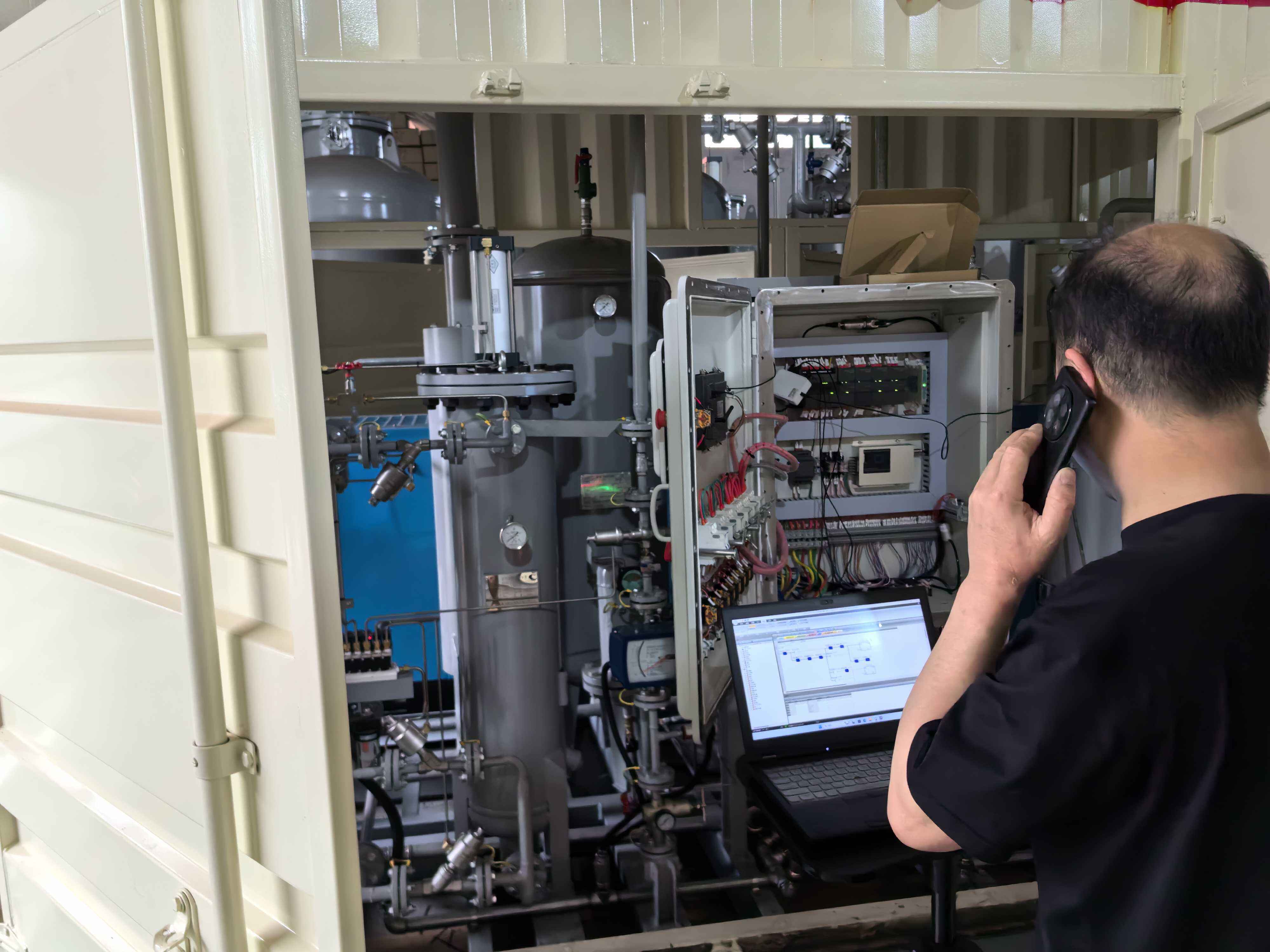
Selecting the right industrial nitrogen supplier represents one of the most critical procurement decisions for manufacturing facilities, chemical plants, and processing operations. The choice between supplier partnerships can directly impact production uptime, operational costs, safety performance, and long-term competitiveness. With nitrogen consumption ranging from small-scale purging applications to large-volume blanketing systems, the supplier relationship extends far beyond simple commodity transactions to encompass technical support, delivery reliability, and strategic alignment with operational objectives.
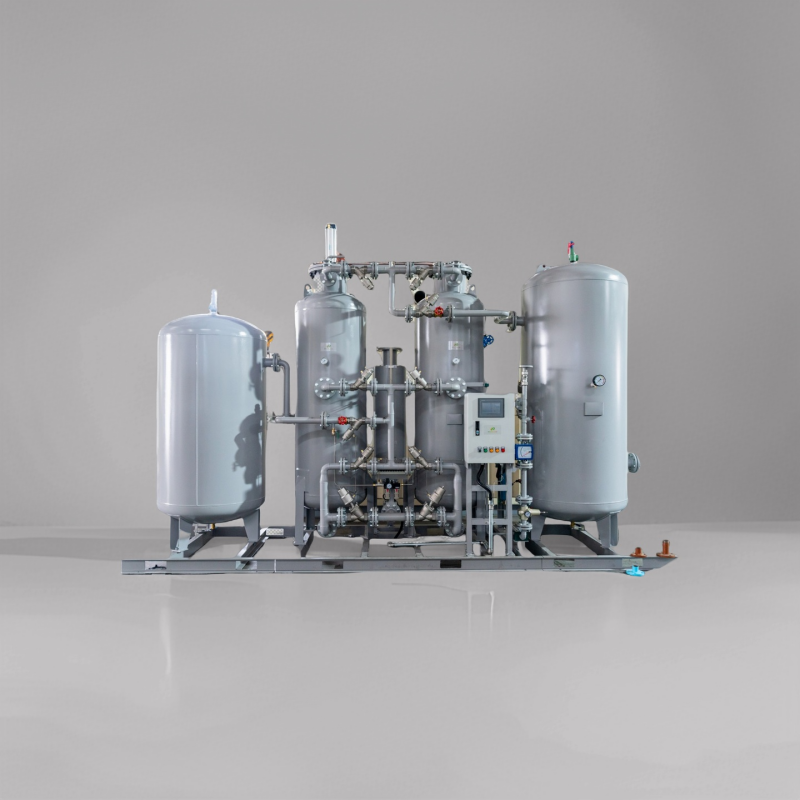
Industrial operations face increasing pressure to optimize nitrogen supply chains while maintaining uninterrupted access to this essential utility gas. Whether transitioning from bulk liquid delivery to on-site generation, expanding existing nitrogen infrastructure, or evaluating supplier performance against industry benchmarks, facility managers must navigate complex technical and commercial considerations. The evaluation framework must balance immediate cost considerations with long-term value creation, examining not just unit pricing but total cost of ownership, technical capability, service responsiveness, and alignment with operational requirements across multiple dimensions.
Supply Reliability and Delivery Consistency
Delivery Infrastructure and Logistics Capability
When evaluating an industrial nitrogen supplier, delivery infrastructure forms the foundation of supply reliability. Suppliers with dedicated distribution networks, strategically located production facilities, and robust logistics systems can maintain consistent supply even during demand fluctuations or regional disruptions. The physical proximity of supplier assets to your facility directly influences delivery frequency options, emergency response times, and transportation costs embedded in pricing structures. Facilities with critical continuous processes require suppliers capable of maintaining buffer inventory, providing backup delivery routes, and executing contingency plans during transportation disruptions or extreme weather events.
Delivery consistency extends beyond simple scheduling adherence to encompass product quality maintenance throughout the supply chain. Nitrogen purity can degrade through contamination during storage, transfer, or delivery processes, making supplier handling procedures and equipment maintenance protocols essential evaluation criteria. Industrial nitrogen supplier candidates should demonstrate documented quality control procedures, regular equipment calibration schedules, and traceability systems that track product integrity from production through final delivery. For operations requiring pharmaceutical-grade or ultra-high purity nitrogen, supplier certification to relevant quality standards becomes non-negotiable.
Supply Agreement Flexibility and Scalability
Production variability characterizes many industrial operations, creating demand patterns that fluctuate seasonally, cyclically, or in response to market conditions. An effective industrial nitrogen supplier relationship accommodates these variations through flexible supply agreements that adjust delivery volumes without penalty structures that punish operational realities. Suppliers offering tiered pricing models, seasonal adjustment clauses, and volume commitment structures aligned with actual consumption patterns provide significant value beyond basic commodity supply. The ability to scale supply rapidly during production increases or new product launches without extended lead times or capacity constraints separates strategic supplier partners from transactional vendors.
Contract flexibility also encompasses technical specifications and delivery modes. Operations may require transitions between liquid bulk delivery and tube trailer supply, shifts in purity specifications as processes evolve, or integration of on-site generation systems that supplement rather than replace external supply. Industrial nitrogen supplier candidates demonstrating willingness to adapt commercial terms, technical specifications, and delivery infrastructure in response to evolving customer requirements create long-term partnerships that support operational growth and process optimization rather than constraining strategic options through rigid contractual frameworks.
Technical Expertise and Application Support
Process Engineering Knowledge and Consultation Services
Beyond commodity supply, leading industrial nitrogen suppliers provide technical expertise that optimizes nitrogen applications and enhances process efficiency. Supplier engineering teams with deep industry knowledge can evaluate current nitrogen usage patterns, identify inefficiencies in delivery systems or application methods, and recommend improvements that reduce consumption while maintaining or improving process outcomes. This consultative approach transforms the supplier relationship from transactional commodity purchase to strategic partnership that contributes measurable value through reduced operating costs, improved safety performance, and enhanced process reliability.
Technical support capabilities become especially critical during process modifications, capacity expansions, or new application implementations. An industrial nitrogen supplier with application engineering resources can assist with system sizing calculations, equipment selection, installation oversight, and commissioning support that ensures nitrogen systems integrate properly with existing infrastructure. Suppliers maintaining technical documentation libraries, providing operator training programs, and offering troubleshooting support create knowledge transfer that builds internal capability while maintaining external expertise access for complex challenges beyond routine operational requirements.
Safety Protocol Implementation and Training Programs
Nitrogen handling presents specific safety challenges including asphyxiation risks, cold burn hazards from cryogenic liquid, and pressure system dangers that require comprehensive safety management. Industrial nitrogen supplier evaluation must include assessment of supplier safety culture, documented safety procedures, and training program availability. Suppliers providing comprehensive safety training for facility personnel, conducting regular safety audits of nitrogen systems, and maintaining emergency response protocols demonstrate commitment to safety that extends beyond regulatory compliance to genuine risk management partnership.
Safety considerations also encompass equipment design, installation quality, and maintenance practices. Suppliers specifying properly engineered systems with appropriate safety devices, pressure relief mechanisms, oxygen monitoring systems, and emergency shutdown capabilities reduce operational risk while ensuring regulatory compliance. The industrial nitrogen supplier relationship should include regular safety system inspections, preventive maintenance programs, and documentation that supports facility safety management systems and demonstrates due diligence during regulatory audits or incident investigations.
Cost Structure and Total Economic Value
Transparent Pricing Models and Cost Components
Nitrogen pricing structures vary significantly between suppliers and delivery modes, making direct comparison challenging without detailed cost component analysis. Bulk liquid nitrogen pricing typically includes base product cost, delivery charges, equipment rental fees, and minimum volume commitments that collectively determine total expenditure. Industrial nitrogen supplier proposals should provide complete transparency regarding all cost components, price adjustment mechanisms, and conditions triggering surcharges or penalties. Hidden fees embedded in complex pricing structures can substantially increase total costs relative to headline unit prices, making comprehensive economic evaluation essential during supplier selection.
Total cost of ownership extends beyond purchase price to encompass operational expenses, maintenance requirements, system reliability impacts, and opportunity costs from supply disruptions. An industrial nitrogen supplier offering slightly higher unit pricing but superior reliability, faster emergency response, and comprehensive technical support may deliver substantially better economic value than low-cost alternatives with higher total system costs. Evaluation frameworks should quantify reliability value through production downtime costs, calculate technical support value through internal resource requirements, and assess flexibility value through ability to optimize consumption and adjust supply parameters as operational requirements evolve.
Investment in On-Site Generation Alternatives
For facilities with substantial nitrogen consumption, on-site generation through pressure swing adsorption or membrane separation systems may offer superior economics compared to ongoing supplier relationships. Progressive industrial nitrogen suppliers recognize this reality and offer generation system supply, installation, and maintenance services that transition the relationship from gas supply to equipment partnership. This approach aligns supplier incentives with customer cost optimization rather than volume maximization, creating collaborative relationships that genuinely serve customer interests rather than conflicting with them through traditional supply models.
On-site generation evaluation requires comprehensive financial modeling that compares capital investment, operating expenses, maintenance costs, and system reliability against ongoing supply contracts. A capable industrial nitrogen supplier provides objective analysis supporting informed decision-making rather than pushing predetermined solutions. The assessment should examine consumption patterns, purity requirements, backup supply arrangements, and total economic impact over relevant equipment lifecycles. For many facilities, hybrid approaches combining on-site generation for base load consumption with supplier backup for peak demand or system maintenance periods optimize both economics and supply security.
Quality Assurance and Regulatory Compliance
Product Specifications and Quality Documentation
Nitrogen purity requirements vary dramatically across industrial applications, ranging from 95% purity for basic blanketing applications to 99.9999% or higher for semiconductor manufacturing and analytical instrumentation. Industrial nitrogen supplier capabilities must align with specific application requirements through documented quality assurance systems, regular product testing, and certification to relevant purity standards. Suppliers should provide certificates of analysis, maintain traceability systems linking delivered product to production batches, and implement quality control procedures that prevent contamination throughout storage and delivery infrastructure.
Quality assurance extends to consistency maintenance across multiple deliveries and over extended time periods. Process validation in pharmaceutical manufacturing, food packaging quality control, and precision manufacturing applications depends on nitrogen specifications remaining within tight tolerance bands. Industrial nitrogen supplier selection criteria should include quality consistency track records, statistical process control implementation, and corrective action protocols activated when quality deviations occur. Suppliers demonstrating proactive quality management through continuous monitoring, regular equipment calibration, and preventive maintenance scheduling provide the consistency foundation that quality-critical processes require.
Industry Certifications and Regulatory Expertise
Regulated industries including pharmaceuticals, food processing, and medical device manufacturing face specific nitrogen supply requirements encompassing supplier qualification, documentation standards, and change control procedures. An industrial nitrogen supplier serving these sectors must maintain relevant certifications, understand regulatory expectations, and implement quality management systems supporting customer compliance obligations. Supplier audit readiness, documentation package completeness, and change notification procedures directly impact customer regulatory standing, making supplier compliance capability a critical selection criterion for regulated operations.
Regulatory expertise also encompasses safety standards, pressure equipment regulations, and environmental compliance requirements that vary across jurisdictions. Industrial nitrogen suppliers operating across multiple regions must navigate complex regulatory landscapes while ensuring consistent compliance across their service territories. Supplier compliance track records, regulatory violation history, and proactive engagement with evolving standards provide insight into organizational compliance culture and risk management capability. Facility managers selecting suppliers essentially outsource aspects of regulatory compliance, making supplier regulatory performance a direct extension of internal compliance programs.
Service Responsiveness and Partnership Approach
Emergency Response Capabilities and Support Infrastructure
Equipment failures, delivery disruptions, or demand surges create emergency scenarios requiring rapid supplier response to prevent production losses or safety incidents. Industrial nitrogen supplier emergency response capabilities including 24/7 availability, dedicated emergency contact systems, and rapid deployment protocols determine downtime duration and financial impact during supply interruptions. Suppliers maintaining emergency inventory, backup delivery assets, and expedited service procedures demonstrate commitment to customer operational continuity that extends beyond contractual minimum obligations.
Service infrastructure supporting routine operations proves equally important for long-term relationship success. Regular account management interaction, proactive system monitoring, and preventive maintenance scheduling prevent many emergency situations while optimizing system performance. An industrial nitrogen supplier investing in customer relationship infrastructure through dedicated account teams, regular business reviews, and performance metric tracking creates collaborative partnerships that identify improvement opportunities and address emerging challenges before they escalate to critical issues affecting production or safety.
Communication Standards and Performance Transparency
Effective supplier relationships depend on clear communication channels, responsive information exchange, and transparent performance reporting. Industrial nitrogen suppliers should establish defined communication protocols covering routine operations, planned maintenance, emergency situations, and business reviews. Regular performance reporting including delivery accuracy, product quality results, safety metrics, and service responsiveness creates accountability while identifying continuous improvement opportunities. Suppliers embracing transparency through open data sharing and candid discussion of both successes and shortfalls build trust foundations that strengthen partnerships through inevitable challenges.
Communication quality particularly matters during problem resolution when rapid information exchange and collaborative troubleshooting determine resolution speed and outcome quality. Industrial nitrogen supplier responsiveness to technical questions, willingness to engage engineering resources for complex challenges, and commitment to root cause analysis rather than superficial fixes distinguish partnership-oriented suppliers from transactional vendors. The supplier communication approach during initial evaluation conversations and contract negotiations often predicts long-term relationship quality, making communication style assessment a valuable selection criterion alongside technical capability and commercial terms.
FAQ
What volume thresholds make on-site nitrogen generation more economical than supplier delivery?
On-site nitrogen generation typically becomes economically attractive for facilities consuming more than 20 cubic meters per hour on a continuous basis, though the specific threshold varies based on local delivered gas pricing, electricity costs, capital availability, and purity requirements. Facilities with steady consumption patterns, lower purity requirements (95-99%), and adequate space for generation equipment installation generally achieve faster payback periods. Comprehensive economic analysis should compare total delivered gas costs including rental fees and minimum purchase commitments against generation system capital investment, operating expenses, maintenance costs, and backup supply arrangements over a 5-10 year period. Many operations find hybrid approaches optimal, using on-site generation for base load with industrial nitrogen supplier backup for peaks and maintenance periods.
How can facilities verify nitrogen purity claims from potential suppliers?
Nitrogen purity verification requires independent testing using appropriate analytical methods matched to specification levels. For standard industrial purity grades, oxygen analyzers measuring residual oxygen content provide quick verification, with nitrogen purity calculated by difference. Higher purity applications require gas chromatography or mass spectrometry analyzing trace impurities including oxygen, moisture, carbon dioxide, and hydrocarbons. Facility managers should request certificates of analysis from potential industrial nitrogen suppliers, verify that testing methods align with relevant standards, and consider independent third-party testing for critical applications. Establishing routine sampling protocols and periodic verification testing maintains quality assurance throughout supplier relationships, particularly following equipment changes or process modifications that might introduce contamination sources.
What contract terms protect against supply disruptions from industrial nitrogen suppliers?
Comprehensive supply contracts should include specific provisions addressing supplier responsibilities during supply disruptions, notification requirements for planned maintenance or delivery interruptions, and remedies for service failures. Key protective terms include guaranteed response times for emergency supply situations, backup delivery commitments during primary supply interruptions, and financial remedies such as service credits or liquidated damages when suppliers fail to meet availability commitments. Contracts should specify supplier obligations to maintain adequate inventory, provide advance notice of planned outages, and execute contingency plans including sourcing from alternative production facilities or arranging third-party supply during extended disruptions. Force majeure clauses require careful review to ensure they appropriately balance risk allocation rather than providing suppliers excessive protection from performance obligations during commercially inconvenient circumstances.
How frequently should industrial nitrogen supplier performance be formally reviewed?
Formal supplier performance reviews should occur quarterly for critical nitrogen supply relationships, covering delivery accuracy, product quality results, safety performance, service responsiveness, and commercial terms competitiveness. These structured reviews create documentation supporting continuous improvement initiatives, identify emerging issues before they impact operations, and maintain alignment between supplier performance and evolving facility requirements. Annual comprehensive reviews should examine strategic fit, total cost of ownership, technology opportunities, and contract term optimization. Many facilities implement monthly operational scorecards tracking key performance indicators including on-time delivery percentage, quality deviation frequency, emergency response times, and invoice accuracy, with quarterly reviews analyzing trends and implementing corrective actions. Regular performance assessment maintains supplier accountability while providing data supporting renewal decisions or supplier change justifications when performance consistently fails to meet operational requirements.
Table of Contents
- Supply Reliability and Delivery Consistency
- Technical Expertise and Application Support
- Cost Structure and Total Economic Value
- Quality Assurance and Regulatory Compliance
- Service Responsiveness and Partnership Approach
-
FAQ
- What volume thresholds make on-site nitrogen generation more economical than supplier delivery?
- How can facilities verify nitrogen purity claims from potential suppliers?
- What contract terms protect against supply disruptions from industrial nitrogen suppliers?
- How frequently should industrial nitrogen supplier performance be formally reviewed?