 EN
EN
Selecting the right nitrogen supplier is a critical decision that can significantly impact your operational efficiency, production quality, and bottom line. Whether your facility relies on nitrogen for food packaging, electronics manufacturing, pharmaceutical production, or metal processing, the supplier you choose will influence everything from gas purity and delivery reliability to long-term costs and technical support. Many industrial buyers focus solely on price per cubic meter, overlooking crucial factors like supply consistency, emergency response capabilities, and the total cost of ownership. This comprehensive guide will walk you through the essential considerations and provide a practical framework for evaluating potential nitrogen suppliers to ensure your business makes an informed, strategic choice.
The nitrogen supply landscape has evolved considerably in recent years, with businesses now having multiple options ranging from bulk liquid delivery and cylinder supply to on-site generation systems. Each delivery method comes with distinct advantages and limitations, and the optimal choice depends heavily on your consumption patterns, operational requirements, and facility constraints. Understanding these options and how they align with your specific needs is the foundation of selecting a supplier that will support your operations reliably for years to come. This article will equip you with expert insights and a detailed checklist to navigate the supplier selection process with confidence, helping you avoid common pitfalls and establish a partnership that drives operational excellence.
Understanding Your Nitrogen Requirements Before Approaching Suppliers
Calculating Your Actual Nitrogen Consumption Patterns
Before you begin evaluating any nitrogen supplier, you must develop a clear understanding of your facility's nitrogen consumption profile. This means going beyond simple average usage figures to identify peak demand periods, baseline consumption rates, and seasonal variations that might affect your needs. Many facilities discover significant discrepancies between their estimated and actual nitrogen usage once they implement proper monitoring systems. Document your consumption data over at least three months, noting any production cycles, maintenance shutdowns, or operational changes that create demand fluctuations. This baseline data becomes essential when discussing capacity requirements and delivery schedules with potential suppliers.
Your consumption analysis should also identify which processes consume the most nitrogen and whether those applications have specific purity requirements. Different industrial applications demand different nitrogen grades, ranging from standard industrial grade at 95-99% purity to ultra-high purity nitrogen at 99.9999% for specialized electronics or pharmaceutical applications. A reputable nitrogen supplier will ask detailed questions about your purity requirements and help you avoid over-specifying when lower grades would perform adequately, potentially saving significant costs. Equally important is understanding your flow rate requirements, as some suppliers may struggle to meet high instantaneous demand even if your average consumption falls within their capacity range.
Defining Critical Supply Parameters and Specifications
Once you understand your consumption patterns, translate these into specific technical requirements that will form the basis of your supplier evaluation. Key parameters include minimum purity levels, maximum allowable moisture content, pressure requirements at point of use, and acceptable delivery temperature ranges. For applications like laser cutting, food packaging, or pharmaceutical processing, these specifications are non-negotiable and must be guaranteed by your nitrogen supplier through regular testing and certification. Request detailed specification sheets from potential suppliers and verify that they can consistently meet your requirements, not just under ideal conditions but during peak demand periods and adverse weather conditions that might affect delivery logistics.
Beyond technical specifications, define your operational requirements including delivery frequency, minimum order quantities, storage capacity constraints, and acceptable lead times for both routine deliveries and emergency situations. If your operation runs continuously, you need a nitrogen supplier with 24/7 emergency response capabilities and backup supply arrangements. Consider also whether you need technical support services such as system design assistance, leak detection, usage optimization consulting, or training for your maintenance team. These value-added services can significantly differentiate suppliers who view themselves as true partners versus those who simply deliver a commodity product. Document all these requirements in a comprehensive specification document that will serve as your evaluation framework throughout the supplier selection process.
Assessing Your Current and Future Nitrogen Needs
A forward-thinking approach to nitrogen supplier selection must account for business growth projections and potential changes in your production processes. If your company plans facility expansion, new product lines, or process modifications within the next three to five years, discuss these plans with potential suppliers to ensure they can scale with your business. Some nitrogen suppliers operate at near capacity and cannot accommodate significant growth, while others have invested in infrastructure that positions them well for expanding customer relationships. A supplier's ability to grow with your business can save you the considerable expense and disruption of changing suppliers down the road.
Consider also how emerging technologies or regulatory changes might impact your nitrogen requirements. For instance, if your industry faces tightening environmental regulations, you might need to shift from liquid nitrogen delivery to on-site generation to reduce your carbon footprint and transportation-related emissions. Progressive nitrogen suppliers stay informed about industry trends and can provide strategic guidance on supply methods that position your facility for future compliance requirements. Evaluate whether potential suppliers demonstrate this forward-thinking approach and willingness to invest in long-term customer relationships rather than focusing solely on immediate transactional opportunities.
Evaluating Supply Method Options and Total Cost of Ownership
Comparing Liquid Nitrogen Delivery Versus On-Site Generation
The fundamental decision in nitrogen supply involves choosing between purchasing from an external nitrogen supplier who delivers liquid nitrogen in bulk tanks or investing in on-site nitrogen generation equipment that produces gas as needed. Liquid nitrogen delivery works well for facilities with intermittent or relatively low consumption, as it requires minimal capital investment and transfers equipment maintenance responsibility to the supplier. However, liquid nitrogen incurs ongoing delivery charges, evaporation losses during storage, and dependency on the supplier's delivery schedule and reliability. For many low-volume users, these trade-offs remain acceptable, particularly when the nitrogen supplier offers flexible delivery terms and maintains multiple distribution points for redundancy.
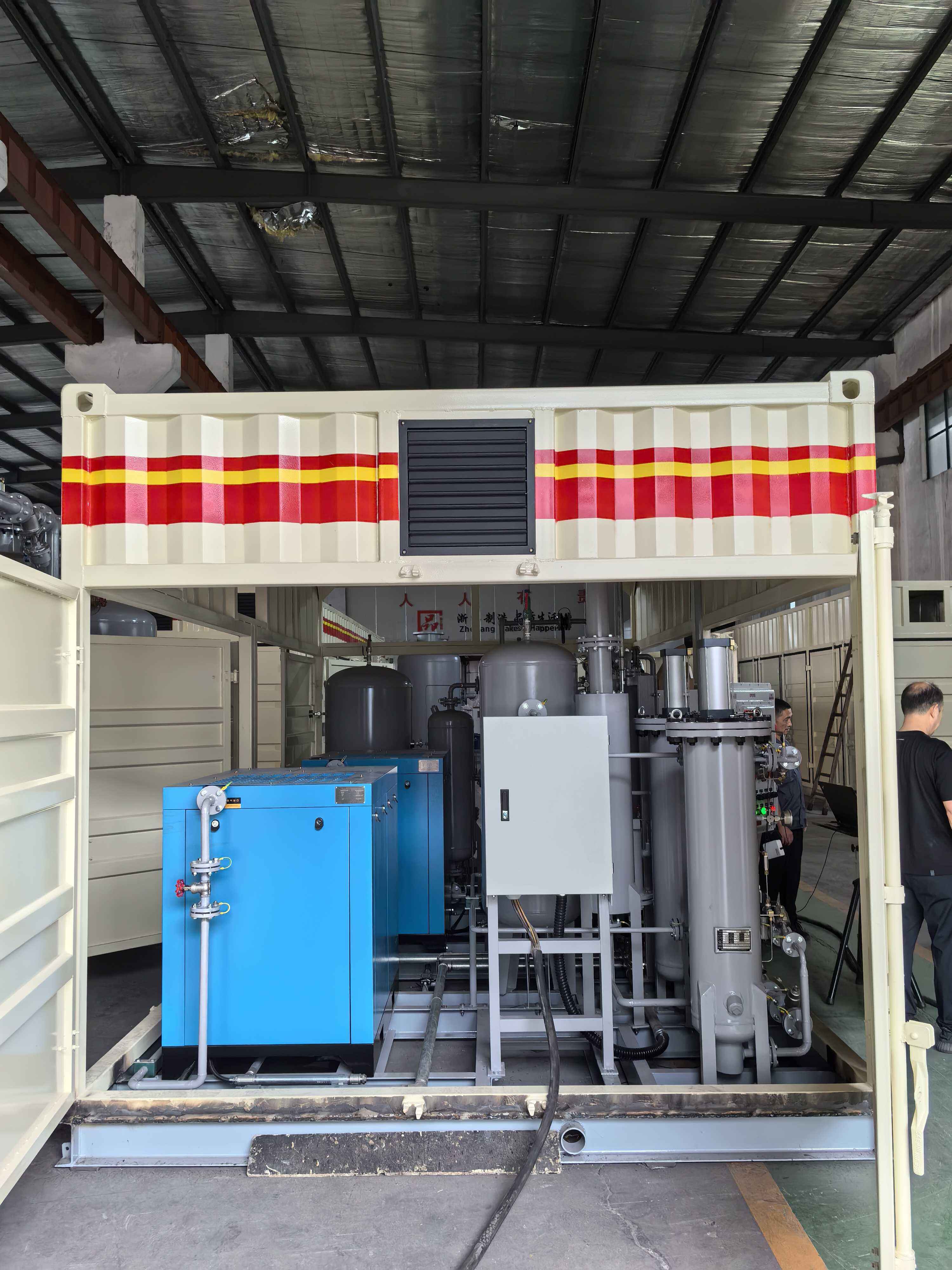
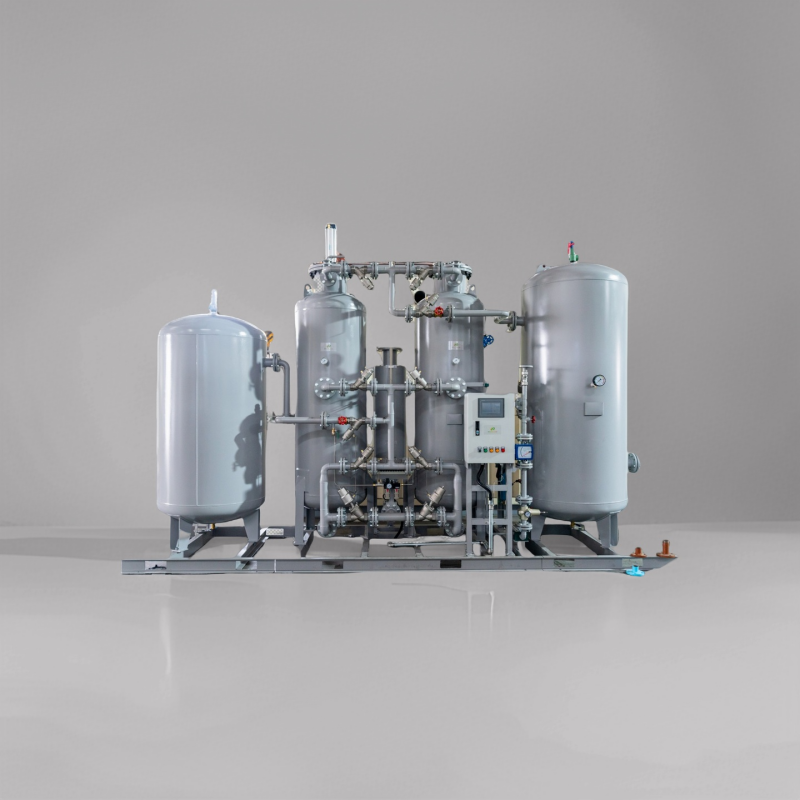
On-site nitrogen generation using pressure swing adsorption or membrane technology offers compelling advantages for medium to high-volume consumers, despite higher initial capital costs. Modern nitrogen supplier systems can achieve rapid payback periods, often between 12 and 24 months, for facilities consuming significant volumes daily. Beyond cost savings, on-site generation eliminates delivery dependencies, reduces your carbon footprint by eliminating transportation, and provides complete control over production scheduling without worrying about supplier delivery windows or potential shortages. The decision between these supply methods should be based on detailed total cost of ownership calculations that account for your specific consumption profile, electricity costs, maintenance requirements, and the value you place on supply independence and operational flexibility.
Analyzing Complete Cost Structures Beyond Unit Pricing
Many businesses make the mistake of selecting a nitrogen supplier based primarily on the quoted price per cubic meter or per cylinder, overlooking numerous other cost factors that significantly impact total expenditure. Comprehensive cost analysis must include delivery fees, cylinder rental or tank lease charges, minimum order requirements that might force you to purchase more than needed, and price escalation clauses that could dramatically increase costs over your contract term. Some suppliers quote attractive initial pricing but include automatic annual increases or tie prices to commodity indexes that introduce unpredictability into your cost structure. Request complete pricing transparency including all fees, surcharges, and the methodology for any variable pricing components.
Beyond direct purchase costs, factor in operational expenses related to handling, storage, and managing your nitrogen supply. Liquid nitrogen storage tanks require periodic inspection and maintenance, while cylinder handling creates labor costs and workplace safety considerations. Calculate the fully loaded cost including these operational factors, and don't overlook the cost of nitrogen losses due to evaporation, leaks, or inefficient usage practices. A knowledgeable nitrogen supplier should be able to help you identify opportunities to reduce these hidden costs through better equipment, improved handling procedures, or usage optimization strategies. Some suppliers offer value-added services like leak detection surveys or application optimization consultations that generate savings far exceeding any price premium their core product might carry.
Understanding Contract Terms and Flexibility Requirements
Contract structure represents another critical dimension in nitrogen supplier selection, as the terms you agree to will define your relationship and options for years to come. Long-term contracts typically secure better pricing but reduce flexibility if your needs change or if you become dissatisfied with service quality. Carefully examine contract duration, volume commitments, termination clauses, and penalties for early exit or failure to meet minimum purchase requirements. Some nitrogen suppliers impose restrictive terms that essentially lock you in regardless of service issues, while others offer more balanced agreements that protect both parties' interests. If your business experiences seasonal demand variations, ensure the contract accommodates these fluctuations without penalties for lower consumption during slow periods.
Pay particular attention to clauses addressing force majeure events, supply interruptions, and the supplier's liability for damages resulting from delivery failures or gas quality issues. A responsible nitrogen supplier will maintain backup supply arrangements and clearly define their commitments regarding response times for emergency situations. Review price adjustment mechanisms carefully, as some contracts include vague language that gives suppliers broad discretion to increase prices based on claimed cost increases that may not reflect actual market conditions. Consider negotiating caps on annual price increases or requiring that adjustments be tied to published industry indexes rather than unilateral supplier decisions. Well-negotiated contract terms establish a foundation for a productive long-term relationship while protecting your interests if circumstances change or problems arise.
Assessing Supplier Reliability and Service Quality Indicators
Investigating Supply Chain Resilience and Backup Capabilities
Supply reliability represents perhaps the most critical factor when selecting a nitrogen supplier, as even brief interruptions can halt production, compromise product quality, or create safety hazards depending on your application. Investigate potential suppliers' track records for on-time delivery, their procedures for handling weather disruptions or transportation challenges, and whether they maintain strategic inventory reserves to buffer against supply chain disruptions. Ask specifically about their contingency plans for equipment failures, natural disasters, or other events that might interrupt normal supply operations. A mature nitrogen supplier will have documented business continuity plans and potentially redundant supply sources that can step in if their primary production or distribution infrastructure experiences problems.
Geographic distribution of the supplier's production and distribution facilities also impacts reliability, particularly for liquid nitrogen delivery that depends on regular trucking schedules. Suppliers with multiple production sites and strategically located distribution terminals can maintain service even when individual facilities experience problems, and they typically achieve better delivery economics due to reduced transportation distances. For critical applications where even short supply interruptions create significant business impact, consider whether the nitrogen supplier can establish emergency backup arrangements such as maintaining dedicated reserve inventory at your site or guaranteeing priority delivery status. These arrangements typically involve additional costs but provide invaluable insurance against costly production interruptions.
Evaluating Technical Support and Application Expertise
Superior nitrogen suppliers distinguish themselves not just through reliable product delivery but through technical expertise that helps customers optimize their nitrogen usage and troubleshoot application challenges. During your evaluation process, assess each potential supplier's technical capabilities by discussing specific application challenges you face or hypothetical scenarios relevant to your industry. Strong suppliers employ applications engineers who understand various nitrogen uses across different industries and can provide practical guidance on flow rates, pressure requirements, purity specifications, and system design considerations. This expertise becomes particularly valuable when you're establishing new processes, modifying existing applications, or troubleshooting quality issues that might relate to your nitrogen supply.
Beyond initial system design support, evaluate what ongoing technical services each nitrogen supplier provides. Value-added services might include periodic usage audits to identify optimization opportunities, leak detection surveys using ultrasonic or infrared technology, operator training programs, and consultation on emerging nitrogen applications that could benefit your operations. Some suppliers offer sophisticated monitoring systems that track your consumption patterns in real time and alert both you and their team to anomalies that might indicate leaks, equipment malfunctions, or process changes. These proactive services transform the supplier relationship from a simple commodity transaction into a genuine partnership that continuously improves your nitrogen management and reduces total costs.
Reviewing Safety Records and Regulatory Compliance
Safety considerations must factor prominently in nitrogen supplier selection, as improper handling or equipment failures can create serious hazards including asphyxiation risks, cold burns from cryogenic liquids, and over-pressurization incidents. Request safety performance data from potential suppliers including their lost-time incident rates, vehicle accident records, and any regulatory violations or citations they've received. Reputable nitrogen suppliers maintain comprehensive safety programs, conduct regular driver training, properly maintain their delivery equipment, and follow strict protocols for tank installation and servicing. They should be willing to discuss their safety procedures transparently and provide documentation of their safety performance.
Verify that potential suppliers maintain appropriate certifications and comply with relevant regulations governing nitrogen production, transportation, and storage. This includes Department of Transportation certifications for their delivery vehicles, proper licensing for cryogenic liquid handling, and compliance with occupational safety regulations protecting their workers and your personnel during delivery operations. A quality nitrogen supplier will also help ensure your facility maintains compliance with applicable codes and standards, providing guidance on proper storage tank siting, ventilation requirements for nitrogen use areas, oxygen deficiency monitoring systems, and emergency response procedures. Their expertise in regulatory requirements should augment your own safety program and help identify potential compliance gaps before they become problems.
Conducting Due Diligence and Reference Checks
Requesting and Verifying Customer References
No evaluation of a potential nitrogen supplier is complete without speaking directly with their current customers, particularly those with similar applications and consumption profiles to your own. Request references from at least three existing customers, ideally including at least one long-term relationship of five years or more that can speak to the supplier's consistency over time. When contacting references, ask specific questions about delivery reliability, how the supplier handles problems or service failures, responsiveness of their technical support team, and whether costs have remained predictable and competitive over the relationship duration. References can provide candid insights into supplier strengths and weaknesses that won't emerge from sales presentations or marketing materials.
Structure your reference conversations to explore scenarios most relevant to your concerns. If supply reliability is your primary worry, ask references about the worst service disruption they've experienced and how the nitrogen supplier responded. If you're concerned about technical support quality, ask whether the supplier has helped them solve application challenges or optimize their nitrogen usage. Don't hesitate to ask whether references would choose the same supplier again knowing what they now know, and whether they've seriously considered switching to alternative suppliers. These unscripted responses often reveal important information about the real customer experience that helps you make a more informed decision.
Conducting Site Visits and Operational Assessments
For relationships involving significant volume or critical applications, consider conducting site visits to evaluate potential nitrogen suppliers' operations firsthand. Visiting production facilities, distribution terminals, or regional service centers provides valuable insights into their operational sophistication, equipment quality, and organizational culture that cannot be fully assessed through sales meetings alone. Observe their facilities' cleanliness and organization, the condition of their delivery fleet, how they manage inventory and quality control, and how their personnel interact with each other and with visitors. These observations help gauge whether the supplier operates with the professionalism and attention to detail that should characterize companies handling critical industrial supplies.
During site visits, request meetings with key personnel beyond the sales team, including operations managers, quality assurance staff, and customer service representatives who will be handling your account. Ask to see their dispatch and logistics systems, quality testing laboratories, and maintenance facilities for their delivery equipment. A confident, well-run nitrogen supplier will welcome these visits as opportunities to differentiate themselves from competitors, while suppliers with operational weaknesses may resist or make excuses to avoid facility tours. The transparency and confidence a supplier demonstrates during the due diligence process often predicts how they'll communicate and cooperate once you become a customer.
Reviewing Financial Stability and Business Continuity
The financial stability of your nitrogen supplier matters because you're potentially entering a long-term relationship where their business continuity directly impacts your operations. While private companies may not disclose detailed financial information, you can assess stability through factors like how long they've been in business, their ownership structure, recent growth trajectory, and investment in infrastructure and equipment. Suppliers backed by established industrial gas companies or with long operating histories generally present lower risk than startups or companies that have changed ownership frequently. Check whether potential suppliers carry adequate insurance coverage including product liability, and investigate whether they've faced recent lawsuits, liens, or other legal issues that might indicate financial or operational problems.
Consider also the supplier's market position and customer base diversification. A nitrogen supplier heavily dependent on one or two large customers or concentrated in a struggling industry sector faces greater business risk than one with a diversified customer portfolio across multiple stable industries. Ask about their customer retention rates and average relationship duration as indicators of satisfaction and stability. While you shouldn't automatically exclude smaller or newer suppliers who may offer competitive advantages through flexibility and customer focus, factor business continuity risk appropriately into your decision, particularly if nitrogen supply interruptions would create severe consequences for your operations.
Making the Final Selection and Establishing the Partnership
Creating a Weighted Scoring System for Objective Comparison
After completing your evaluation of potential nitrogen suppliers, systematically compare your options using a weighted scoring framework that reflects your priorities and requirements. Assign importance weights to key decision factors such as delivered cost, supply reliability, technical support capabilities, safety record, financial stability, and contract terms flexibility. Score each candidate supplier on these dimensions based on your research, reference checks, and proposal evaluations. This structured approach helps overcome the recency bias where the most recent supplier presentation unduly influences your decision, and it creates an objective record of your selection rationale that can be reviewed and defended if questioned by stakeholders.
Your scoring system should reflect the specific circumstances and priorities of your operation rather than generic industry preferences. For a facility where nitrogen supply interruptions would create catastrophic safety or quality issues, reliability factors might receive triple the weight of cost considerations. Conversely, for applications with substantial buffer capacity and flexible production schedules, cost optimization might appropriately dominate your decision criteria. Include both quantitative factors like pricing and delivery frequency, and qualitative assessments like cultural fit and confidence in the supplier's commitment to partnership rather than transactional relationships. Review your preliminary scores with key stakeholders to ensure the weighting and assessment reflect organizational priorities accurately before finalizing your selection.
Negotiating Contract Terms and Service Level Agreements
Once you've identified your preferred nitrogen supplier, invest effort in negotiating a comprehensive agreement that clearly defines expectations, responsibilities, and remedies for both parties. Beyond basic pricing and volume commitments, negotiate specific service level agreements covering delivery windows, emergency response times, gas quality standards with testing frequency, and communication protocols for routine and urgent matters. Clearly define what constitutes a service failure and what remedies or compensation you're entitled to when failures occur. Strong suppliers will accept reasonable accountability for their performance rather than seeking contracts that provide them maximum flexibility while locking you into rigid commitments.
Negotiate also for flexibility that accommodates potential changes in your business without excessive penalties. This might include provisions for adjusting contracted volumes based on documented business conditions, options for converting from delivered supply to on-site generation if your consumption grows significantly, and reasonable exit terms if you're acquired by another company or face business circumstances that fundamentally change your needs. Consider requesting a shorter initial term with options to extend based on satisfactory performance, providing you leverage to address service issues while giving the nitrogen supplier reasonable opportunity to demonstrate their capabilities. Well-negotiated contracts establish clear expectations that reduce conflicts and form the foundation for productive long-term relationships.
Establishing Communication Protocols and Performance Review Processes
Successful nitrogen supplier relationships require ongoing communication and performance management rather than simply signing a contract and assuming everything will work smoothly. Establish regular review meetings, perhaps quarterly initially and semi-annually once the relationship matures, where you and the supplier review delivery performance, discuss usage trends, address any service issues, and explore opportunities for optimization. These structured reviews create accountability, demonstrate that you're actively managing the relationship, and provide forums for addressing minor concerns before they escalate into serious problems. Document these reviews and track action items to ensure follow-through on commitments made by both parties.
Define also the day-to-day communication protocols for routine matters like delivery scheduling and for urgent situations requiring immediate attention. Ensure you have direct contact information for key supplier personnel including account managers, technical support specialists, and emergency dispatch, and test these communication channels periodically to verify they work when needed. Consider establishing joint performance metrics that you both track, creating shared visibility into the relationship's health and fostering a partnership mindset where you work collaboratively toward mutual success. The nitrogen supplier you select should welcome this structured approach to relationship management as it demonstrates your commitment to being a valuable customer while ensuring you receive the service quality your operations require.
FAQ
What is the typical contract length when working with a nitrogen supplier?
Nitrogen supply contracts typically range from one to five years, with three-year terms being most common for commercial and industrial applications. Longer contracts generally secure better pricing but reduce flexibility if your needs change or service issues arise. Many businesses find that initial contracts of one to two years with renewal options provide a good balance, allowing you to verify the supplier's performance before committing to an extended relationship. For large-volume customers or those requiring significant infrastructure investment by the supplier, longer terms may be necessary to justify the supplier's capital commitment. Always ensure contracts include reasonable provisions for early termination if the supplier fails to meet defined service standards.
How much can businesses typically save by switching from delivered nitrogen to on-site generation?
Savings from switching to on-site nitrogen generation vary significantly based on consumption volume, local delivered nitrogen pricing, electricity costs, and system utilization rates, but facilities consuming nitrogen continuously often achieve 40-70% reduction in their total nitrogen costs. The payback period for the capital investment in generation equipment typically ranges from 12 to 36 months for medium to high-volume users. However, on-site generation isn't automatically superior for all applications—facilities with low or highly intermittent nitrogen usage may find delivered supply more economical when considering the full lifecycle costs including system maintenance and eventual replacement. A thorough total cost of ownership analysis specific to your consumption profile should guide this decision rather than generic industry benchmarks.
What are the most important safety considerations when selecting a nitrogen supplier?
The primary safety considerations include the supplier's safety performance record, the quality and maintenance status of their delivery equipment, their personnel training programs, and their ability to support your facility's safety compliance requirements. Nitrogen presents specific hazards including asphyxiation risk in confined or poorly ventilated spaces, cold burn hazards from cryogenic liquids, and over-pressurization risks if systems are improperly designed or operated. Your supplier should demonstrate comprehensive safety protocols, maintain proper insurance coverage, help ensure your storage and usage systems meet applicable codes and standards, and provide guidance on oxygen deficiency monitoring, proper ventilation, emergency procedures, and personnel training. Request documentation of their safety performance and any relevant certifications or industry recognitions for safety excellence.
Should businesses prioritize local nitrogen suppliers over national companies?
The choice between local and national nitrogen suppliers depends on your specific priorities and circumstances rather than a universal preference for one over the other. Local suppliers often provide more personalized service, greater flexibility in delivery scheduling, and stronger relationships with customer facilities, which can be valuable for resolving issues quickly and accommodating special requests. However, national suppliers typically offer more robust backup capabilities, greater technical resources, standardized quality systems, and potential cost advantages through economies of scale. For facilities with critical applications where supply reliability is paramount, national suppliers' redundant infrastructure may outweigh the service advantages of local companies. Evaluate specific suppliers based on their capabilities, performance record, and fit with your requirements rather than making decisions based solely on their geographic scope or company size.
Table of Contents
- Understanding Your Nitrogen Requirements Before Approaching Suppliers
- Evaluating Supply Method Options and Total Cost of Ownership
- Assessing Supplier Reliability and Service Quality Indicators
- Conducting Due Diligence and Reference Checks
- Making the Final Selection and Establishing the Partnership
-
FAQ
- What is the typical contract length when working with a nitrogen supplier?
- How much can businesses typically save by switching from delivered nitrogen to on-site generation?
- What are the most important safety considerations when selecting a nitrogen supplier?
- Should businesses prioritize local nitrogen suppliers over national companies?