 EN
EN

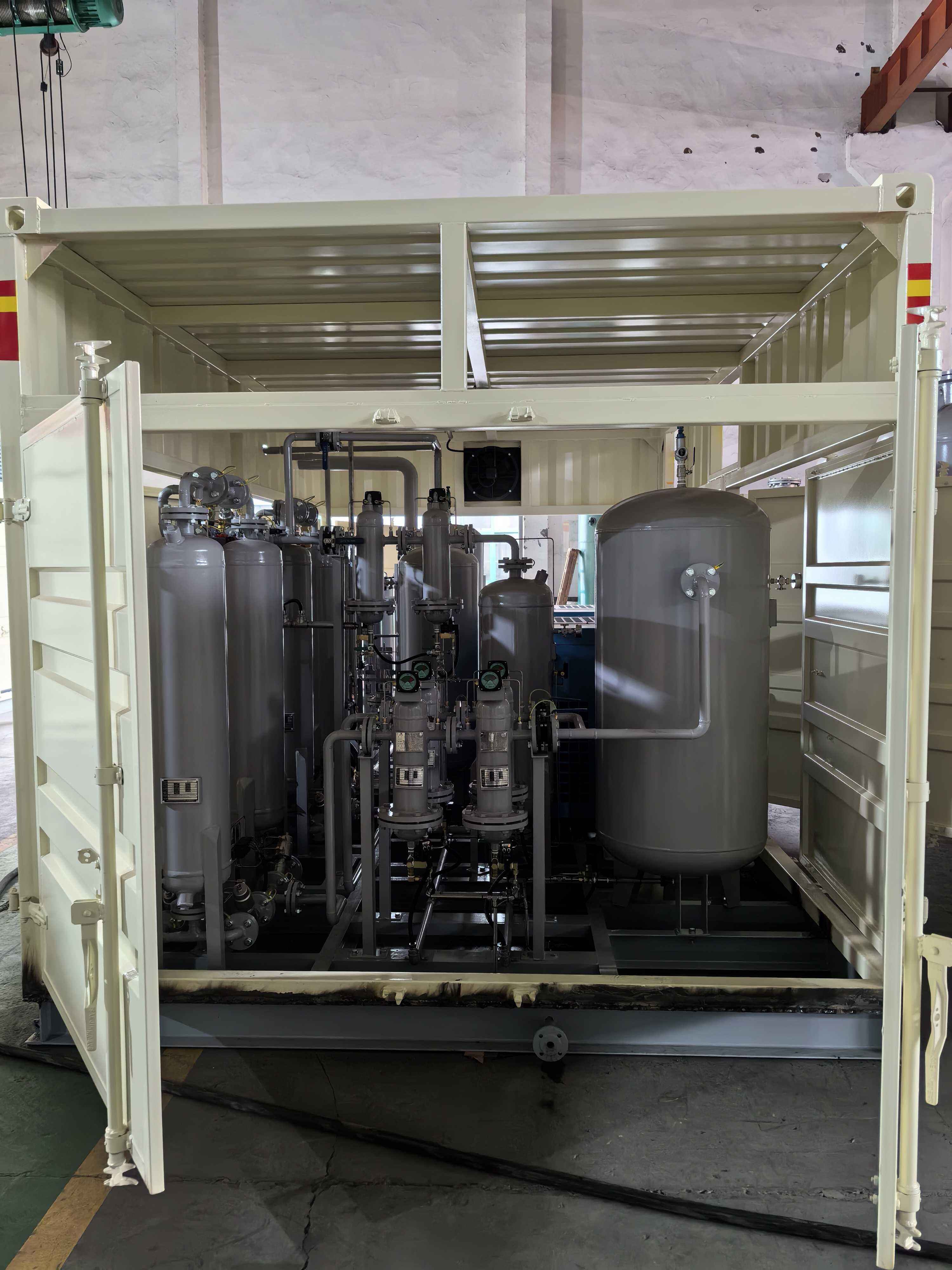
Understanding the fundamental differences between industrial and laboratory nitrogen generators is crucial for businesses seeking the right gas generation solution for their specific applications. While both systems serve the common purpose of producing high-purity nitrogen on-demand, their design specifications, operational requirements, and performance characteristics vary significantly to meet distinct environmental and productivity demands.
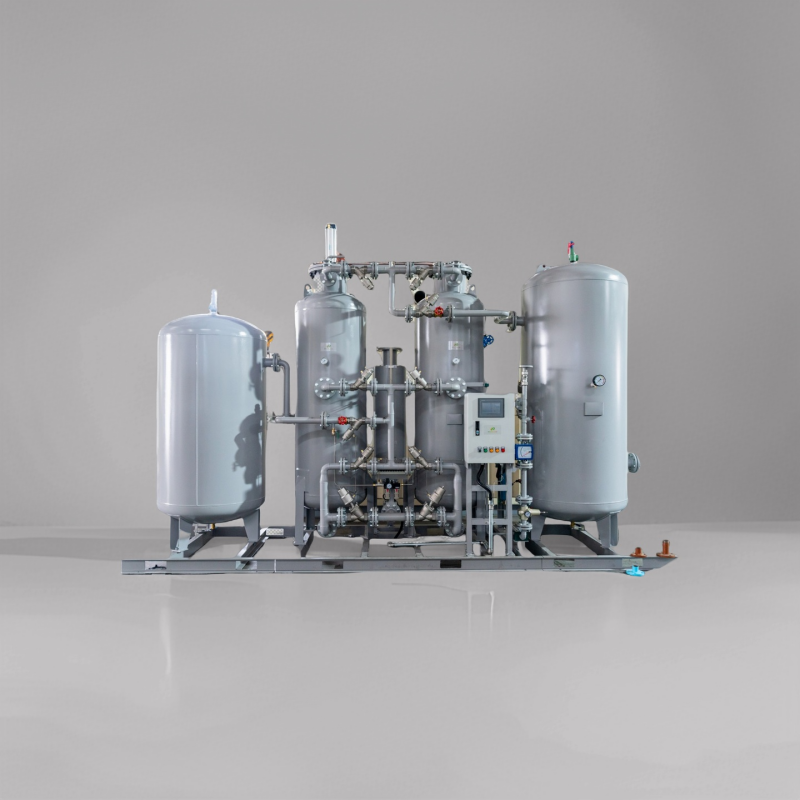
The selection between industrial and laboratory nitrogen generation systems impacts operational efficiency, cost-effectiveness, and long-term maintenance requirements. Modern facilities increasingly rely on nitrogen for diverse applications ranging from food packaging and pharmaceutical manufacturing to analytical testing and research protocols. Each environment presents unique challenges that influence the optimal choice of nitrogen generation technology.
Organizations must carefully evaluate their nitrogen consumption patterns, purity requirements, and operational constraints before investing in generation equipment. The wrong choice can lead to insufficient gas supply, excessive operating costs, or compromised product quality. This comprehensive analysis examines the critical distinctions between industrial and laboratory nitrogen systems to guide informed decision-making.
Fundamental Design Differences
Capacity and Output Specifications
Industrial nitrogen generators typically feature significantly higher production capacities compared to their laboratory counterparts, often generating hundreds to thousands of cubic feet per hour of nitrogen gas. These systems are engineered to support continuous, high-volume operations where consistent gas supply is essential for manufacturing processes, packaging lines, or large-scale chemical reactions. The robust construction allows for 24/7 operation with minimal downtime requirements.
Laboratory nitrogen generators focus on precision and consistency rather than sheer volume, producing smaller quantities of ultra-high-purity nitrogen suitable for analytical instruments, sample preparation, and sensitive research applications. These compact systems often generate between 10 to 200 cubic feet per hour, perfectly matching the intermittent usage patterns common in research environments. The emphasis shifts from maximum throughput to exceptional purity levels and stable output characteristics.
The scalability differences between these systems reflect their intended operational environments. Industrial units can be configured in parallel arrangements to meet expanding production demands, while laboratory systems prioritize space efficiency and integration with existing analytical equipment. This fundamental approach to capacity planning influences every aspect of system design and performance optimization.
Construction Materials and Durability
Industrial nitrogen generation systems incorporate heavy-duty materials designed to withstand harsh manufacturing environments, including temperature fluctuations, vibration, dust, and chemical exposure. Stainless steel components, reinforced piping, and industrial-grade compressors ensure reliable operation under demanding conditions. These systems often feature weatherproof enclosures for outdoor installation and specialized coatings to prevent corrosion in aggressive atmospheres.
Laboratory systems emphasize clean construction using materials compatible with sensitive analytical procedures and sterile environments. Components are selected to minimize contamination risks and maintain the ultra-high purity levels required for research applications. Specialized filtration systems and clean-room compatible materials ensure that the generated nitrogen meets stringent laboratory standards without introducing unwanted impurities.
The durability requirements also differ significantly between applications. Industrial systems must maintain consistent performance over extended operational periods with minimal maintenance windows, while laboratory systems focus on precision and reliability during critical analytical procedures. This distinction influences component selection, redundancy planning, and maintenance scheduling protocols.
Purity Requirements and Applications
Industrial Purity Standards
Industrial applications typically require nitrogen purity levels ranging from 95% to 99.9%, depending on the specific process requirements. Food packaging operations may function effectively with 99% purity nitrogen for modified atmosphere packaging, while semiconductor manufacturing demands ultra-high purity levels approaching 99.999%. The nitrogen generators used in industrial settings are optimized to achieve these target purity levels efficiently and cost-effectively.
Manufacturing processes often involve continuous nitrogen consumption for inerting, blanketing, or purging applications where consistent purity is more important than absolute maximum purity. The economic considerations of industrial operations favor systems that balance purity achievement with energy efficiency and operational costs. Slight variations in purity levels are generally acceptable as long as they remain within specified process tolerances.
Industrial nitrogen applications include metal fabrication, chemical processing, pharmaceutical manufacturing, electronics production, and oil and gas operations. Each industry has established purity standards based on process requirements and regulatory compliance needs. The flexibility to adjust purity levels based on specific applications allows industrial systems to optimize performance for different production scenarios.
Laboratory Analytical Requirements
Laboratory nitrogen generation systems must deliver exceptional purity levels, often exceeding 99.999% to support sensitive analytical instruments such as gas chromatographs, mass spectrometers, and atomic absorption spectrometers. Even trace levels of oxygen, moisture, or hydrocarbon contamination can interfere with analytical results or damage expensive instrumentation. The precision requirements of laboratory applications demand specialized purification technologies and continuous monitoring systems.
Research environments often require nitrogen for sample preparation, instrument calibration, and analytical procedures where repeatability and accuracy are paramount. The nitrogen quality directly impacts measurement precision and data reliability, making purity consistency more critical than in most industrial applications. Laboratory systems incorporate advanced purification stages and real-time purity monitoring to ensure consistent performance.
Specialized laboratory applications may require nitrogen with specific trace element profiles or certified purity levels for regulatory compliance. Pharmaceutical research, environmental testing, and food safety analysis all demand documented purity levels with certificates of analysis. Laboratory nitrogen generators must provide traceability and validation data to support quality assurance protocols and regulatory requirements.
Installation and Space Requirements
Industrial Installation Considerations
Industrial nitrogen generation systems require substantial floor space and infrastructure support, including dedicated electrical service, compressed air supply, and adequate ventilation. These systems often weigh several thousand pounds and may require concrete pads or structural reinforcement for proper installation. The installation process typically involves coordination with facility engineering teams and may require temporary production shutdowns for integration with existing gas distribution networks.
Utility requirements for industrial systems include three-phase electrical power, cooling water connections, and compressed air supply for pneumatic controls. The heat generated by large-scale nitrogen production may necessitate additional ventilation or cooling systems to maintain acceptable ambient temperatures. Proper installation planning must account for maintenance access, safety clearances, and future expansion possibilities.
Industrial installations often incorporate redundant systems or backup capabilities to ensure continuous nitrogen supply during maintenance periods or equipment failures. The critical nature of nitrogen supply in manufacturing processes requires careful planning of installation logistics, startup procedures, and integration with existing production systems. Proper installation directly impacts system reliability and operational efficiency.
Laboratory Space Optimization
Laboratory nitrogen generators are designed for compact installation within existing laboratory spaces, often fitting under benches or in utility areas with minimal floor space requirements. These systems typically operate on standard laboratory electrical supplies and may incorporate noise reduction features to maintain acceptable working conditions in occupied spaces. The compact design facilitates integration with existing laboratory infrastructure without major modifications.
Laboratory installations prioritize convenience and accessibility, with user-friendly interfaces and minimal maintenance requirements. Many systems feature plug-and-play installation capabilities, requiring only electrical connection and instrument gas line hookup. The compact footprint allows for placement near analytical instruments to minimize gas line lengths and reduce pressure drop concerns.
Space constraints in laboratory environments often necessitate creative installation solutions, including wall-mounted units or integration with laboratory furniture systems. The quiet operation and minimal heat generation of laboratory systems make them suitable for installation in occupied work areas. Proper space planning ensures adequate access for routine maintenance while maximizing valuable laboratory space utilization.
Operating Costs and Energy Efficiency
Industrial Energy Consumption Patterns
Industrial nitrogen generators consume significantly more energy due to their higher production capacities and continuous operation requirements. The energy costs represent a substantial portion of total operating expenses, making efficiency optimization a critical factor in system selection and operation. Large-scale systems benefit from economies of scale in energy consumption, often achieving lower per-unit energy costs despite higher absolute consumption levels.
Energy efficiency in industrial systems depends on factors including compressor efficiency, heat recovery systems, and process optimization. Modern industrial nitrogen generators incorporate variable frequency drives, energy recovery systems, and intelligent control algorithms to minimize energy consumption while maintaining required production levels. The continuous operation of industrial systems allows for optimization strategies that may not be practical in intermittent-use applications.
Power quality and utility rate structures significantly impact industrial operating costs. Many facilities negotiate special utility rates for large nitrogen generation systems or implement power factor correction to reduce demand charges. The high energy consumption of industrial systems justifies investment in energy monitoring and optimization equipment to identify efficiency improvement opportunities.
Laboratory Operational Economics
Laboratory nitrogen generators typically feature lower absolute energy consumption due to their smaller capacity and intermittent operation patterns. However, the per-unit energy costs may be higher due to the intensive purification requirements and smaller scale of operation. The economic analysis of laboratory systems must consider both energy costs and the value of improved analytical precision and instrument protection.
Operating cost considerations for laboratory systems include energy consumption, consumable replacement, and maintenance requirements. The specialized components and high-purity requirements of laboratory systems may result in higher maintenance costs compared to industrial units. However, the elimination of cylinder rental fees and delivery logistics often provides significant cost savings over bottled gas supplies.
Laboratory systems offer the advantage of on-demand operation, allowing energy consumption to match actual usage patterns rather than maintaining continuous production. This operational flexibility can result in substantial energy savings compared to oversized systems or continuous operation scenarios. The ability to shut down during non-operating hours provides additional cost control opportunities.
Maintenance and Service Requirements
Industrial Maintenance Protocols
Industrial nitrogen generation systems require comprehensive preventive maintenance programs to ensure reliable operation and maximum equipment life. The maintenance schedules typically include daily operational checks, weekly system inspections, and scheduled component replacements based on operating hours or time intervals. The critical nature of nitrogen supply in industrial processes necessitates proactive maintenance approaches to prevent unexpected downtime.
Maintenance personnel for industrial systems must possess specialized training in high-pressure gas systems, electrical controls, and process optimization. The complexity of large-scale nitrogen generators requires skilled technicians capable of troubleshooting sophisticated control systems and performing precision adjustments. Many organizations establish partnerships with equipment manufacturers for technical support and specialized maintenance procedures.
Spare parts inventory management becomes critical for industrial nitrogen generators due to the cost of production interruptions caused by equipment failures. Organizations typically maintain strategic spare parts inventories including filters, valves, sensors, and other consumable components. The maintenance planning must balance inventory costs with the risk of extended downtime during component failures.
Laboratory System Servicing
Laboratory nitrogen generators are designed for minimal maintenance requirements, often featuring automated diagnostic systems and user-replaceable consumable components. The maintenance procedures are simplified to accommodate laboratory personnel who may not have specialized gas generation expertise. Routine maintenance typically consists of filter replacements, system calibration, and periodic purity verification procedures.
Service requirements for laboratory systems emphasize convenience and minimal disruption to research activities. Many systems incorporate remote monitoring capabilities and predictive maintenance features to minimize service interruptions. The compact design and modular construction facilitate rapid component replacement and system servicing without extensive downtime.
Laboratory maintenance protocols must consider the critical nature of analytical procedures and the need for documented purity verification. Service procedures often include purity testing, calibration verification, and documentation updates to maintain analytical quality assurance requirements. The maintenance scheduling must accommodate research project timelines and instrument availability requirements.
FAQ
What are the main capacity differences between industrial and laboratory nitrogen generators
Industrial nitrogen generators typically produce hundreds to thousands of cubic feet per hour to support continuous manufacturing processes, while laboratory systems generate 10 to 200 cubic feet per hour for intermittent analytical applications. Industrial systems prioritize high-volume output for 24/7 operation, whereas laboratory units focus on precision and ultra-high purity for sensitive instrumentation. The capacity requirements directly influence system size, energy consumption, and installation requirements.
How do purity requirements differ between industrial and laboratory applications
Industrial applications generally require nitrogen purity levels from 95% to 99.9% depending on the specific process, while laboratory applications demand exceptional purity exceeding 99.999% for analytical instruments. Industrial processes can often tolerate slight purity variations as long as they meet process specifications, but laboratory applications require consistent ultra-high purity to prevent interference with sensitive measurements. The purity requirements significantly impact system design, purification technology, and operating costs.
What installation considerations are different for industrial versus laboratory systems
Industrial systems require substantial floor space, heavy-duty electrical service, structural support, and extensive utility connections including compressed air and cooling water. Laboratory systems are designed for compact installation within existing spaces, operating on standard laboratory electrical supplies with minimal infrastructure requirements. Industrial installations often need redundant systems for critical applications, while laboratory systems prioritize convenience and integration with existing analytical equipment.
How do operating costs compare between industrial and laboratory nitrogen generators
Industrial systems consume more absolute energy due to higher capacity but often achieve better per-unit efficiency through economies of scale and continuous operation optimization. Laboratory systems have lower absolute energy consumption but may have higher per-unit costs due to intensive purification requirements and smaller scale operation. The economic analysis must consider energy costs, maintenance requirements, and the value proposition of eliminating bottled gas supplies and improving operational flexibility.
Table of Contents
- Fundamental Design Differences
- Purity Requirements and Applications
- Installation and Space Requirements
- Operating Costs and Energy Efficiency
- Maintenance and Service Requirements
-
FAQ
- What are the main capacity differences between industrial and laboratory nitrogen generators
- How do purity requirements differ between industrial and laboratory applications
- What installation considerations are different for industrial versus laboratory systems
- How do operating costs compare between industrial and laboratory nitrogen generators