 EN
EN
Industrial professionals working with nitrogen generation systems often encounter complex technical terminology that can significantly impact equipment selection and operational efficiency. Understanding nitrogen generator specifications requires familiarity with industry-standard measurements, performance indicators, and technical parameters that define system capabilities. These specifications serve as the foundation for making informed decisions about equipment procurement, installation requirements, and long-term operational costs in various industrial applications.
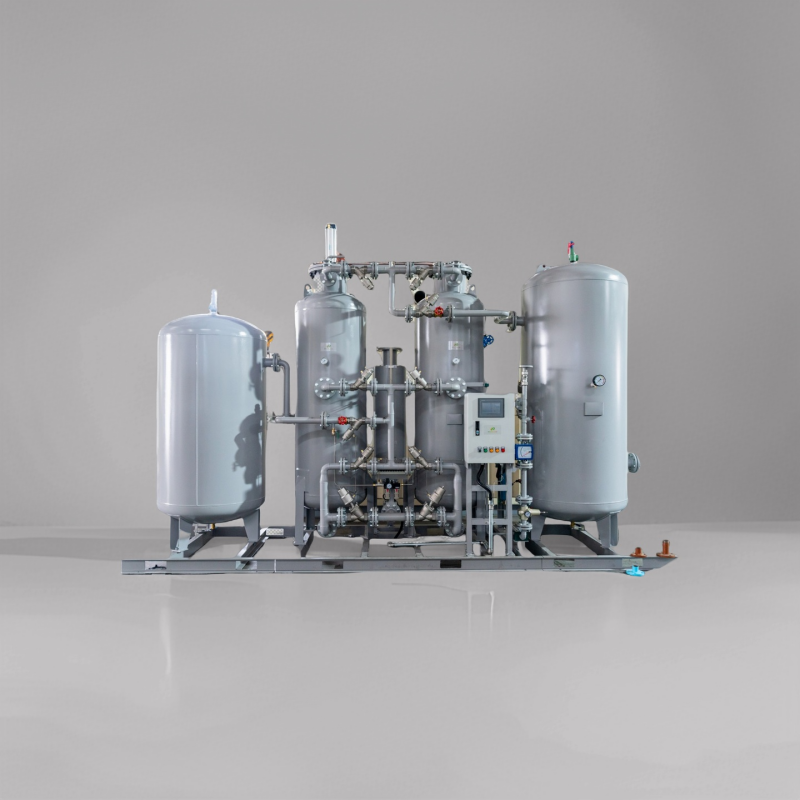
Modern nitrogen generation technology encompasses multiple system types, each with distinct specification requirements and performance characteristics. From pressure swing adsorption systems to membrane-based solutions, each technology presents unique advantages depending on specific application requirements. The complexity of these systems necessitates comprehensive understanding of technical specifications to ensure optimal performance and cost-effectiveness across diverse industrial environments.
Fundamental Performance Metrics
Flow Rate and Capacity Parameters
Flow rate specifications represent one of the most critical performance indicators for nitrogen generation systems. Measured in standard cubic feet per hour, cubic meters per hour, or liters per minute, flow rate determines the system's ability to meet continuous nitrogen demand across various applications. Understanding these measurements helps engineers select appropriately sized equipment that can handle peak demand periods while maintaining consistent output quality.
Capacity parameters extend beyond simple flow rate measurements to include factors such as turndown ratio, which indicates the system's ability to operate efficiently at reduced output levels. This specification becomes particularly important in applications with variable nitrogen demand, allowing operators to maintain energy efficiency during periods of lower consumption while ensuring adequate supply during peak usage periods.
Maximum capacity ratings define the upper limits of system performance under optimal operating conditions. These specifications typically include ambient temperature ranges, inlet air quality requirements, and electrical supply parameters that influence overall system output. Understanding maximum capacity helps prevent equipment oversizing while ensuring adequate performance margin for future expansion requirements.
Purity Levels and Quality Standards
Nitrogen purity specifications define the concentration of nitrogen gas produced by the generation system, typically expressed as percentage purity or parts per million of contaminants. Industrial applications require varying purity levels, from 95% for general inerting applications to 99.999% for specialized processes such as electronic component manufacturing or pharmaceutical production.
Quality standards encompass additional parameters beyond basic purity measurements, including moisture content, hydrocarbon levels, and particulate contamination. These specifications directly impact application suitability and may require additional filtration or purification equipment to meet specific industry requirements. Understanding quality standards helps ensure compliance with regulatory requirements and process specifications.
Oxygen content specifications represent the inverse of nitrogen purity and provide critical information for safety-sensitive applications. Lower oxygen levels indicate higher nitrogen purity, with specific oxygen concentration limits required for different industrial processes. These measurements help determine appropriate system selection for applications requiring precise atmospheric control or explosion prevention measures.
Pressure and Temperature Operating Parameters
Operating Pressure Requirements
Operating pressure specifications define the pressure levels at which nitrogen generation systems function optimally and safely. These parameters include inlet air pressure requirements, typically ranging from 100 to 150 PSIG for pressure swing adsorption systems, and output pressure capabilities that determine downstream application compatibility without additional compression equipment.
Pressure stability specifications indicate the system's ability to maintain consistent output pressure despite variations in demand or operating conditions. This parameter becomes crucial for applications requiring precise pressure control, such as chemical processing or pneumatic conveying systems where pressure fluctuations can impact product quality or process efficiency.
Maximum working pressure ratings establish safety limits for system operation and help determine appropriate piping, valving, and safety equipment requirements. Understanding these specifications ensures compliance with pressure vessel codes and safety regulations while providing adequate safety margins for normal operating conditions and potential pressure excursions.
Temperature Performance Characteristics
Ambient temperature specifications define the environmental conditions under which nitrogen generation systems can operate effectively. These parameters typically range from 40°F to 100°F for standard systems, with extended temperature ranges available for specialized applications or harsh environmental conditions requiring additional protective measures or cooling systems.
Output temperature specifications indicate the temperature of nitrogen gas delivered by the generation system. This parameter affects downstream equipment design and may influence application requirements where temperature-sensitive processes or materials are involved. Understanding output temperature helps determine whether additional cooling or heating equipment is necessary for specific applications.
Temperature stability requirements define acceptable variations in output temperature during normal operation. These specifications become important for continuous processes where temperature fluctuations could impact product quality or equipment performance. Systems with superior temperature stability may require less downstream conditioning equipment, reducing overall system complexity and operating costs.
Energy Consumption and Efficiency Specifications
Power Requirements and Electrical Specifications
Electrical power specifications define the energy requirements for nitrogen generation system operation, typically expressed in kilowatts or horsepower. These parameters include startup power requirements, continuous operating power consumption, and power factor characteristics that influence electrical system design and operating costs over the equipment lifecycle.
Voltage and frequency specifications ensure compatibility with facility electrical systems and may influence installation costs if electrical modifications are required. Standard specifications include single-phase or three-phase power requirements, voltage tolerance ranges, and frequency stability requirements that affect motor performance and system reliability.
Energy efficiency ratings provide comparative information about system performance relative to energy consumption. These specifications help evaluate long-term operating costs and environmental impact while supporting sustainability initiatives. Higher efficiency ratings typically correlate with lower operating costs and reduced carbon footprint over the equipment lifecycle.
Performance Optimization Parameters
Specific energy consumption specifications express the energy required to produce a unit volume of nitrogen, typically measured in kilowatt-hours per thousand cubic feet or kilowatt-hours per cubic meter. This parameter provides direct comparison between different system technologies and helps evaluate total cost of ownership including energy expenses.
Load factor specifications describe system efficiency at various operating levels below maximum capacity. Understanding load factor performance helps optimize system selection for applications with variable demand patterns and can significantly impact energy costs in installations with fluctuating nitrogen requirements throughout operating cycles.
Recovery time specifications indicate how quickly systems can return to full capacity after startup or following demand interruptions. This parameter affects system sizing decisions and helps determine whether backup nitrogen storage is necessary for critical applications that cannot tolerate supply interruptions during system restart periods.
System Integration and Control Features
Automation and Monitoring Capabilities
Control system specifications define the level of automation available for nitrogen generation systems, including programmable logic controller capabilities, human-machine interface options, and remote monitoring features. Advanced control systems enable automated startup and shutdown sequences, adaptive capacity control, and predictive maintenance capabilities that optimize system performance and reduce operating costs.
Data logging and reporting specifications describe the system's ability to collect, store, and transmit operational data for analysis and compliance reporting. These features support quality management systems, energy management programs, and regulatory compliance requirements while providing valuable information for system optimization and maintenance planning.
Alarm and safety system specifications outline protective features built into nitrogen generation systems, including pressure relief capabilities, oxygen monitoring for safety, and automatic shutdown features for abnormal operating conditions. Understanding these specifications ensures compliance with safety codes and helps prevent equipment damage or personnel injury.
Communication and Integration Protocols
Communication protocol specifications define how nitrogen generation systems interface with facility control systems, including industrial ethernet, serial communication options, and wireless connectivity features. These capabilities enable integration with existing facility automation systems and support centralized monitoring and control strategies.
Industry-standard protocol support ensures compatibility with common industrial automation platforms such as Modbus, Ethernet/IP, or Profibus networks. Understanding communication specifications helps determine integration costs and capabilities while ensuring seamless operation within existing facility infrastructure and control philosophies.
Remote access specifications describe capabilities for off-site monitoring and troubleshooting, including secure virtual private network connections, cloud-based monitoring platforms, and mobile device compatibility. These features enable proactive maintenance strategies and rapid response to operational issues while reducing service costs and system downtime.
Installation and Maintenance Specifications
Physical Installation Requirements
Dimensional specifications define space requirements for nitrogen generation systems, including equipment footprint, clearance requirements for maintenance access, and ventilation needs for proper operation. Understanding these parameters helps ensure adequate facility preparation and compliance with manufacturer recommendations for optimal system performance and serviceability.
Foundation and mounting specifications describe structural requirements for nitrogen generation system installation, including vibration isolation needs, anchor bolt patterns, and load distribution requirements. Proper foundation design ensures system stability, reduces vibration transmission, and prevents alignment issues that could affect equipment performance and longevity.
Utility connection specifications outline requirements for compressed air supply, electrical connections, drainage provisions, and nitrogen output piping interfaces. These specifications help determine installation costs and ensure proper system integration with facility infrastructure while meeting manufacturer requirements for warranty compliance and optimal performance.
Maintenance and Service Parameters
Maintenance interval specifications define recommended service schedules for various system components, including filter replacement frequencies, adsorbent material changeout requirements, and routine inspection procedures. Understanding maintenance requirements helps budget ongoing operating costs and ensures optimal system performance throughout the equipment lifecycle.
Service accessibility specifications describe design features that facilitate maintenance operations, including removable panels, quick-disconnect fittings, and diagnostic access points. These features affect maintenance costs and downtime requirements while influencing long-term system reliability and availability for continuous nitrogen production applications.
Replacement parts specifications provide information about component availability, recommended spare parts inventory, and expected component lifespans. Understanding parts specifications helps develop maintenance strategies and inventory management programs that minimize downtime while controlling maintenance costs over the equipment lifecycle.
Environmental and Safety Considerations
Environmental Operating Conditions
Environmental specifications define acceptable operating conditions for nitrogen generation systems, including humidity limits, dust levels, and corrosive atmosphere compatibility. These parameters help determine whether additional protective measures or specialized equipment variants are necessary for specific installation environments or harsh operating conditions.
Noise level specifications describe acoustic emissions from nitrogen generation systems during normal operation, typically expressed in decibels at specific distances. Understanding noise specifications helps ensure compliance with workplace safety regulations and community noise ordinances while determining whether sound attenuation measures are necessary for specific installations.
Emission specifications outline environmental impact characteristics, including refrigerant types for systems requiring cooling, lubricant specifications for oil-lubricated compressors, and waste stream characteristics that may require special handling or disposal procedures. These specifications support environmental compliance and sustainability program requirements.
Safety and Compliance Features
Safety certification specifications identify third-party testing and approval standards met by nitrogen generation systems, including UL listing, CE marking, or other regional certification requirements. Understanding certification specifications ensures compliance with local codes and regulations while providing assurance of equipment safety and reliability.
Hazardous area classification specifications describe system suitability for installation in classified locations with potential explosive atmospheres. These specifications include electrical equipment ratings, purging requirements, and special construction features necessary for safe operation in chemical processing, petroleum refining, or other hazardous environments.
When evaluating nitrogen generator specifications, safety interlocks and protective features provide crucial information about system design philosophy and risk mitigation strategies. These features include emergency shutdown capabilities, pressure relief systems, and oxygen deficiency monitoring that protect personnel and equipment from potential hazards associated with nitrogen generation and use.
FAQ
What factors most significantly impact nitrogen generator specifications selection?
The most significant factors affecting nitrogen generator specifications selection include required purity levels, flow rate demands, operating pressure requirements, and ambient environmental conditions. Additionally, energy efficiency considerations, installation space constraints, and integration requirements with existing facility systems play crucial roles in determining optimal specifications for specific applications.
How do nitrogen purity specifications affect system design and cost?
Higher nitrogen purity specifications typically require more sophisticated separation technology, additional processing stages, or larger equipment to achieve the desired purity levels. Systems producing ultra-high purity nitrogen above 99.9% often incorporate multiple purification stages, specialized adsorbent materials, or membrane technologies that increase both initial capital costs and ongoing operating expenses compared to lower purity applications.
What maintenance specifications should be prioritized for critical applications?
For critical applications, prioritize maintenance specifications that include predictive maintenance capabilities, redundant system components, extended service intervals, and comprehensive diagnostic features. Additionally, specifications for rapid parts availability, skilled service technician access, and system designs that allow maintenance without complete shutdown become crucial for maintaining continuous nitrogen supply in mission-critical operations.
How do environmental conditions affect nitrogen generator specifications requirements?
Environmental conditions significantly influence nitrogen generator specifications, particularly ambient temperature ranges, humidity levels, and air quality parameters. Extreme temperatures may require enhanced cooling or heating systems, high humidity environments need additional moisture removal equipment, and contaminated air supplies necessitate upgraded filtration systems, all of which affect system specifications and performance characteristics.
Table of Contents
- Fundamental Performance Metrics
- Pressure and Temperature Operating Parameters
- Energy Consumption and Efficiency Specifications
- System Integration and Control Features
- Installation and Maintenance Specifications
- Environmental and Safety Considerations
-
FAQ
- What factors most significantly impact nitrogen generator specifications selection?
- How do nitrogen purity specifications affect system design and cost?
- What maintenance specifications should be prioritized for critical applications?
- How do environmental conditions affect nitrogen generator specifications requirements?