 EN
EN
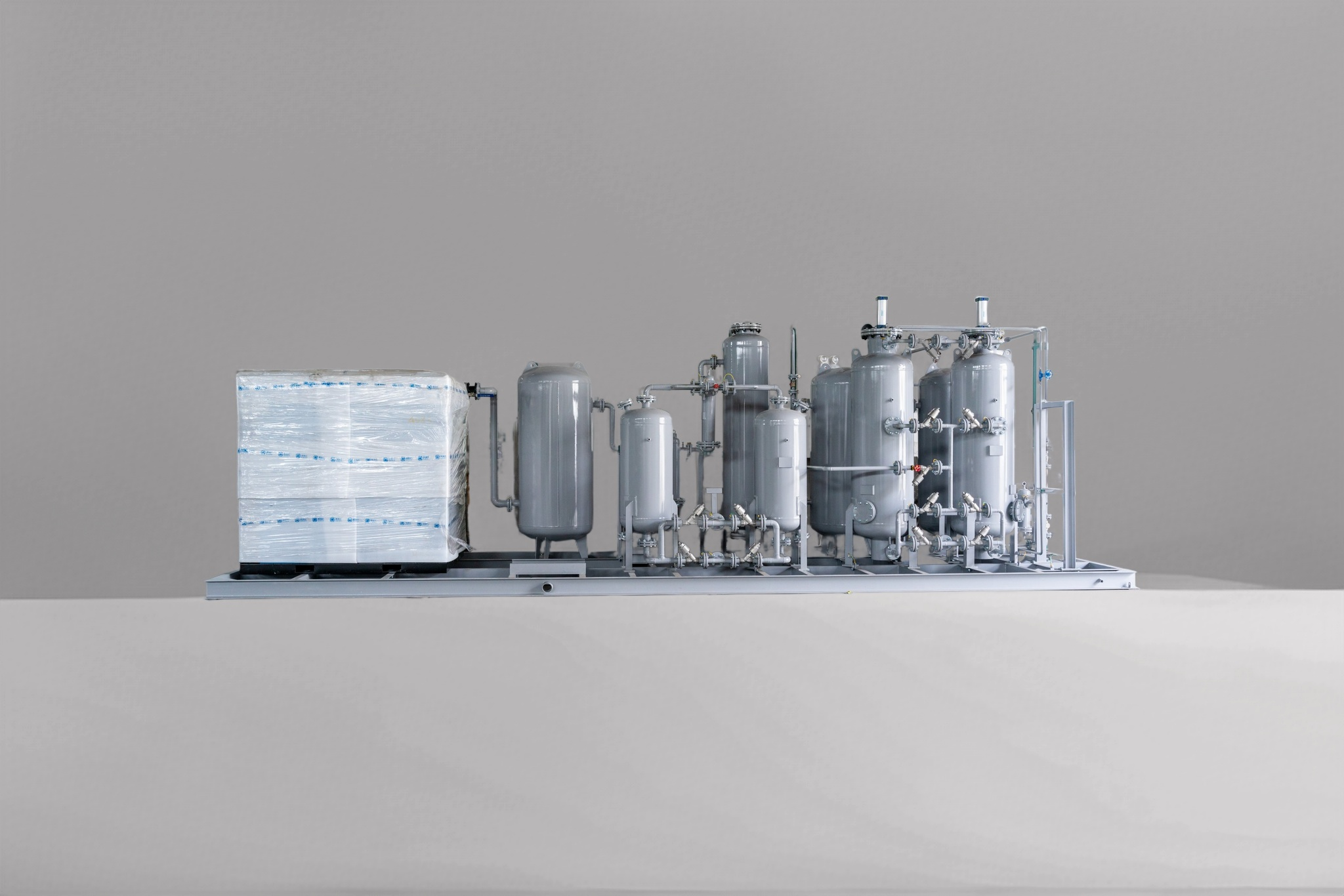
Selecting the right nitrogen generation system requires careful evaluation of both manufacturer quality and total cost of ownership. Industrial buyers frequently face the challenge of balancing upfront investment against long-term performance, reliability, and operational efficiency. Understanding how leading nitrogen generator manufacturers position themselves along the quality-cost spectrum enables informed procurement decisions that align with specific operational requirements and budget constraints. This comprehensive analysis explores the critical factors that differentiate manufacturers in terms of engineering excellence, component quality, service infrastructure, and pricing strategies.
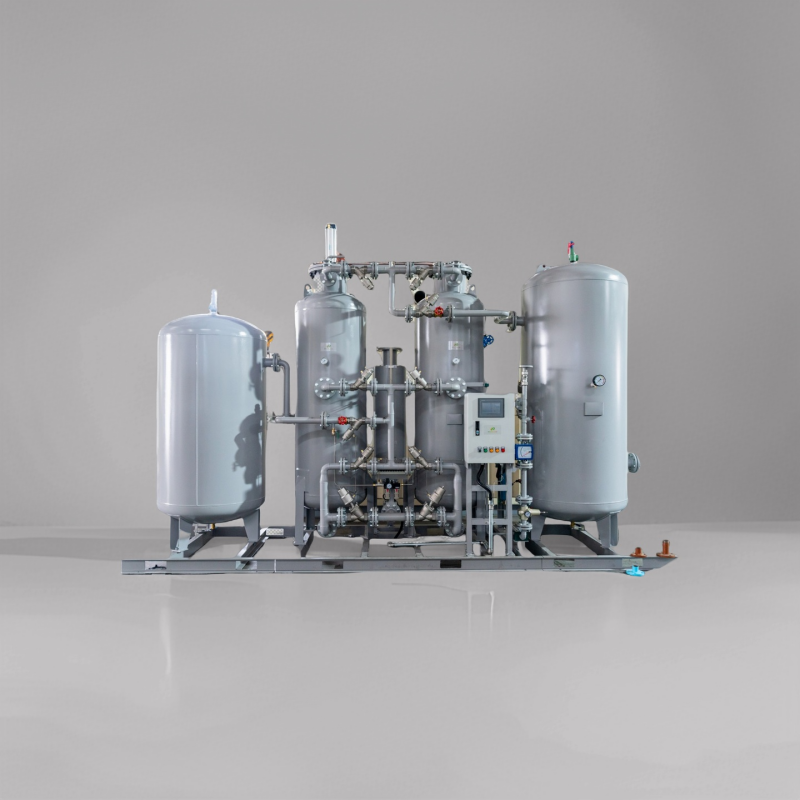
The nitrogen generation equipment market features diverse manufacturers serving industries from food packaging to electronics assembly, each with distinct value propositions. While some nitrogen generator manufacturers emphasize premium engineering and extended warranties, others compete through competitive pricing and simplified designs. The decision framework extends beyond initial purchase price to encompass energy efficiency, maintenance frequency, consumable costs, and system longevity. Successful buyers recognize that the lowest-cost system rarely delivers the best value over a typical 10-15 year operational lifespan, yet premium pricing does not always correlate with proportional performance gains for every application scenario.
Engineering Standards and Component Quality Across Manufacturer Tiers
Pressure Swing Adsorption Technology Variations
The core technology employed by nitrogen generator manufacturers significantly influences both system cost and nitrogen purity consistency. Pressure Swing Adsorption systems from established manufacturers typically utilize high-grade carbon molecular sieves with uniform particle distribution and extended cycle life. Premium-tier manufacturers source CMS materials with certified performance specifications, ensuring predictable nitrogen output even under fluctuating ambient conditions. These quality differences manifest in purity stability over time, with superior materials maintaining specification compliance for 7-10 years compared to 3-5 years for economy-grade alternatives.
Manufacturing precision in vessel construction and valve assembly directly impacts operational reliability. Leading nitrogen generator manufacturers employ automated welding processes and pressure vessel certifications that exceed minimum regulatory requirements. The quality differential becomes apparent in leak rates, pressure drop characteristics, and thermal management efficiency. Systems built to higher engineering standards demonstrate measurably lower failure rates and reduced maintenance interventions, offsetting higher acquisition costs through decreased downtime and service expenses over the equipment lifecycle.
Compressor Integration and Energy Efficiency
Energy consumption represents the largest operational expense for nitrogen generation systems, making compressor selection and integration critical cost factors. Distinguished nitrogen generator manufacturers partner with premium compressor suppliers or engineer proprietary compression solutions optimized for PSA duty cycles. These integrated systems achieve 15-25% better energy efficiency compared to systems using generic industrial compressors, translating to substantial electricity cost savings in continuous-operation applications. The efficiency advantage compounds over time, often recovering price premiums within 24-36 months of operation.
Variable speed drive implementation and intelligent load-matching algorithms separate advanced manufacturers from basic suppliers. Sophisticated control systems continuously optimize compressor output to match nitrogen demand fluctuations, eliminating the energy waste inherent in constant-speed operation. While these features increase initial system cost by 12-18%, facilities with variable nitrogen consumption patterns realize immediate operational savings. Budget-oriented manufacturers typically omit these adaptive features, positioning their products for price-sensitive buyers willing to accept higher energy costs in exchange for lower capital expenditure.
Control System Sophistication and Monitoring Capabilities
Modern nitrogen generator manufacturers differentiate through control system intelligence and remote monitoring integration. Premium systems feature touchscreen interfaces with real-time performance analytics, predictive maintenance alerts, and network connectivity for enterprise asset management integration. These capabilities enable proactive service scheduling and operational optimization that reduces unplanned downtime by 40-60% compared to basic systems with simple on-off controls. The value proposition becomes particularly compelling for mission-critical applications where nitrogen supply interruption carries significant production or safety consequences.
Data logging and compliance documentation features add cost but deliver substantial value in regulated industries. Leading nitrogen generator manufacturers incorporate automated record-keeping that simplifies quality system audits and regulatory compliance verification. Systems lacking these capabilities require manual monitoring and documentation, adding hidden labor costs that accumulate throughout the equipment lifecycle. The total cost comparison must account for these operational differences rather than focusing exclusively on equipment purchase price.
Service Infrastructure and Technical Support Comparison
Geographic Coverage and Response Time Commitments
The service network maintained by nitrogen generator manufacturers directly impacts system uptime and maintenance cost predictability. Established manufacturers with extensive service infrastructure can commit to guaranteed response times and maintain regional spare parts inventory, minimizing production disruption when service interventions become necessary. This service advantage justifies premium pricing for facilities where nitrogen supply interruption creates costly production delays or product quality risks. Buyers should quantify the business impact of potential downtime when evaluating manufacturer service capabilities against system pricing.
International operations require particular attention to manufacturer service footprint. Global nitrogen generator manufacturers with factory-trained technicians in multiple regions provide consistent service quality and simplified warranty administration across facilities worldwide. Regional manufacturers may offer attractive pricing but lack the infrastructure to support multinational operations efficiently. The service coverage evaluation should include technician certification standards, spare parts availability timelines, and emergency support protocols that become critical during unexpected equipment failures.
Warranty Terms and Long-Term Service Agreements
Warranty comprehensiveness varies substantially among nitrogen generator manufacturers, reflecting confidence in product reliability and commitment to customer success. Premium manufacturers typically offer 3-5 year comprehensive warranties covering labor, travel, and component replacement, while economy suppliers may limit coverage to 12-18 months with exclusions for consumable components. The warranty value calculation should consider historical failure rates, typical repair costs, and the manufacturer's warranty claim processing efficiency. Extended warranty terms reduce financial risk during the critical early operational period when equipment issues most commonly emerge.
Structured service agreements provide cost predictability and performance assurance throughout the equipment lifecycle. Leading nitrogen generator manufacturers offer tiered service plans with guaranteed preventive maintenance schedules, priority response commitments, and performance guarantees. These agreements transform unpredictable maintenance expenses into fixed operational costs while ensuring optimal system performance. The service agreement value depends on internal maintenance capabilities, application criticality, and the complexity of the nitrogen generation system, requiring careful analysis of contract terms against anticipated service requirements.
Total Cost of Ownership Analysis Framework
Capital Investment and Financial Structuring Options
Initial purchase price represents only one component of the comprehensive cost comparison among nitrogen generator manufacturers. Capital equipment expenses must be evaluated alongside installation costs, utility infrastructure upgrades, and operational training requirements. Premium manufacturers often provide turnkey installation services and comprehensive operator training that reduces deployment complexity and accelerates time-to-production. These bundled services increase the upfront investment but eliminate coordination challenges and reduce the risk of installation errors that compromise system performance.
Financing and leasing programs offered by various nitrogen generator manufacturers can significantly alter the effective cost comparison. Some manufacturers provide attractive equipment financing with competitive interest rates or operating lease structures that preserve capital for core business investments. These financial arrangements make premium systems accessible to organizations with capital constraints while shifting the acquisition decision focus from purchase price to operational cash flow impact. The financing evaluation should incorporate tax implications, balance sheet treatment preferences, and alignment with corporate capital allocation strategies.
Energy Consumption and Utility Cost Projection
Electricity costs typically exceed equipment acquisition costs within 2-4 years of continuous operation, making energy efficiency the dominant long-term cost factor. Superior nitrogen generator manufacturers publish verified specific power consumption data enabling accurate operational cost projection. A system requiring 0.35 kWh per cubic meter of nitrogen versus 0.45 kWh represents a 22% energy cost difference that compounds annually throughout the 15-year typical equipment life. At industrial electricity rates, this efficiency differential can exceed the initial equipment price premium multiple times over.
Compressed air quality requirements and filtration infrastructure add hidden costs often overlooked in initial comparisons. Systems designed by established nitrogen generator manufacturers typically incorporate superior inlet filtration that protects molecular sieve materials and extends service intervals. Economy systems may specify minimal filtration, transferring costs to more frequent consumable replacement and reduced sieve lifespan. The comprehensive energy analysis must account for compressor operation, filtration system pressure drop, and ancillary equipment power consumption to accurately project total utility expenses.
Maintenance Frequency and Consumable Costs
Preventive maintenance requirements vary substantially across nitrogen generator manufacturers based on component quality and engineering margins. Premium systems engineered with conservative design factors and quality components typically specify 6-12 month service intervals, while economy systems may require quarterly maintenance to sustain performance specifications. The maintenance cost differential extends beyond service frequency to include consumable component pricing, with proprietary parts from premium manufacturers sometimes commanding higher unit costs but delivering extended service life that reduces annualized expenses.
Carbon molecular sieve replacement represents the most significant periodic maintenance expense, with replacement cycles ranging from 5-10 years depending on manufacturer quality standards and operating conditions. Leading nitrogen generator manufacturers provide detailed guidance on sieve life expectancy based on operating hours, cycle frequency, and inlet air quality, enabling accurate long-term budgeting. The sieve replacement cost comparison must consider both material expense and system downtime required for the replacement procedure, with well-engineered systems featuring accessibility designs that minimize labor hours and production interruption.
Application-Specific Suitability and Performance Requirements
Purity Specification and Flow Rate Consistency
Different industrial applications demand varying nitrogen purity levels and flow characteristics that influence optimal manufacturer selection. Electronics manufacturing and pharmaceutical applications requiring 99.999% purity with minimal oxygen content variation necessitate systems from nitrogen generator manufacturers with proven capability at these demanding specifications. These specialized systems incorporate redundant purification stages, continuous oxygen monitoring, and automatic pressure compensation that increase cost but ensure critical quality requirements. Applications tolerant of 95-98% purity can utilize simpler, more economical systems without sacrificing operational adequacy.
Flow rate stability during demand fluctuations separates industrial-grade systems from entry-level alternatives. Premium nitrogen generator manufacturers design buffer capacity and dynamic response capabilities that maintain purity specifications even during rapid flow changes. This performance characteristic proves critical in batch production environments where nitrogen demand varies significantly throughout production cycles. Economy systems may exhibit purity degradation during high-demand periods, potentially compromising product quality in sensitive applications. The manufacturer selection must align system capabilities with actual application performance requirements rather than merely meeting nominal specifications.
Environmental Operating Conditions and Reliability
Ambient temperature extremes, humidity variations, and installation environment characteristics influence system reliability and manufacturer suitability. Industrial-grade nitrogen generator manufacturers engineer systems for operation across wide ambient temperature ranges with compensating controls that maintain performance in challenging conditions. Systems designed primarily for controlled indoor environments may experience reduced efficiency or reliability when installed in warehouses, outdoor enclosures, or tropical climates. The environmental specification review should encompass temperature ratings, humidity tolerance, and dust ingress protection appropriate to the actual installation location.
Coastal installations, chemical processing environments, and other corrosive atmospheres require enhanced materials and protective coatings available from manufacturers experienced in these applications. Premium nitrogen generator manufacturers offer corrosion-resistant configurations with stainless steel construction, specialized coatings, and sealed electrical components that extend equipment life in aggressive environments. While these protective features increase initial cost, they prevent premature equipment degradation and maintain warranty coverage in conditions that would void standard product warranties. The environmental assessment should identify application-specific hazards and verify manufacturer experience in similar operating conditions.
FAQ
How do I determine whether premium nitrogen generator manufacturers justify their higher prices for my specific application?
Calculate total cost of ownership over your expected equipment lifecycle by incorporating energy costs, maintenance expenses, and downtime impact alongside purchase price. Premium systems typically justify their cost when nitrogen demand exceeds 50 cubic meters per hour, operations run continuously or near-continuously, or application criticality makes supply reliability essential. Request detailed energy consumption specifications, maintenance schedules, and warranty terms from multiple nitrogen generator manufacturers, then project 10-year costs using your facility's utility rates and operational patterns. Applications with lower utilization rates or non-critical nitrogen requirements often achieve better value from mid-tier manufacturers offering solid reliability without premium features.
What specific questions should I ask nitrogen generator manufacturers to accurately compare quality levels?
Request carbon molecular sieve specifications including material grade, expected lifespan, and replacement cost. Ask for documented specific power consumption at your required flow rate and purity, verified through independent testing rather than theoretical calculations. Inquire about service technician locations relative to your facility, guaranteed response times, and spare parts inventory practices. Request customer references operating similar systems in comparable applications, then contact these references to discuss actual reliability, service experiences, and unanticipated costs. Quality-focused nitrogen generator manufacturers readily provide detailed technical documentation and facilitate reference discussions, while suppliers uncomfortable with these requests may indicate quality concerns.
Can regional nitrogen generator manufacturers provide comparable quality to established international suppliers at lower cost?
Regional manufacturers sometimes deliver excellent value by focusing on specific market segments and eliminating costs associated with global operations. Their competitive advantage typically centers on responsive local service, competitive pricing, and willingness to customize systems for specific applications. However, buyers should carefully verify component sourcing, engineering certifications, and long-term parts availability that international manufacturers guarantee through established supply chains. Regional suppliers excel when supporting standard applications within their service geography but may lack resources for complex custom systems or international facility support. Evaluate the manufacturer's financial stability, technical depth, and customer base maturity to assess their capability for long-term partnership beyond initial equipment supply.
How significantly does energy efficiency vary among nitrogen generator manufacturers, and what drives these differences?
Energy consumption differences of 20-30% commonly exist between premium and economy nitrogen generator manufacturers, primarily driven by molecular sieve quality, vessel design optimization, and compressor integration sophistication. Superior manufacturers invest in computational fluid dynamics modeling, pressure drop minimization, and thermal management that reduce parasitic energy losses. Variable speed drive implementation, intelligent demand-matching controls, and low-pressure-drop filtration further enhance efficiency in advanced systems. For a 100 cubic meter per hour system operating continuously, a 25% efficiency advantage translates to approximately 30,000-40,000 kWh annual savings, representing substantial cost reduction that accumulates throughout the equipment lifecycle. Request verified performance data at your specific operating conditions rather than relying on optimal-condition specifications that may not reflect actual installed performance.
Table of Contents
- Engineering Standards and Component Quality Across Manufacturer Tiers
- Service Infrastructure and Technical Support Comparison
- Total Cost of Ownership Analysis Framework
- Application-Specific Suitability and Performance Requirements
-
FAQ
- How do I determine whether premium nitrogen generator manufacturers justify their higher prices for my specific application?
- What specific questions should I ask nitrogen generator manufacturers to accurately compare quality levels?
- Can regional nitrogen generator manufacturers provide comparable quality to established international suppliers at lower cost?
- How significantly does energy efficiency vary among nitrogen generator manufacturers, and what drives these differences?