nitrogen generator working principle
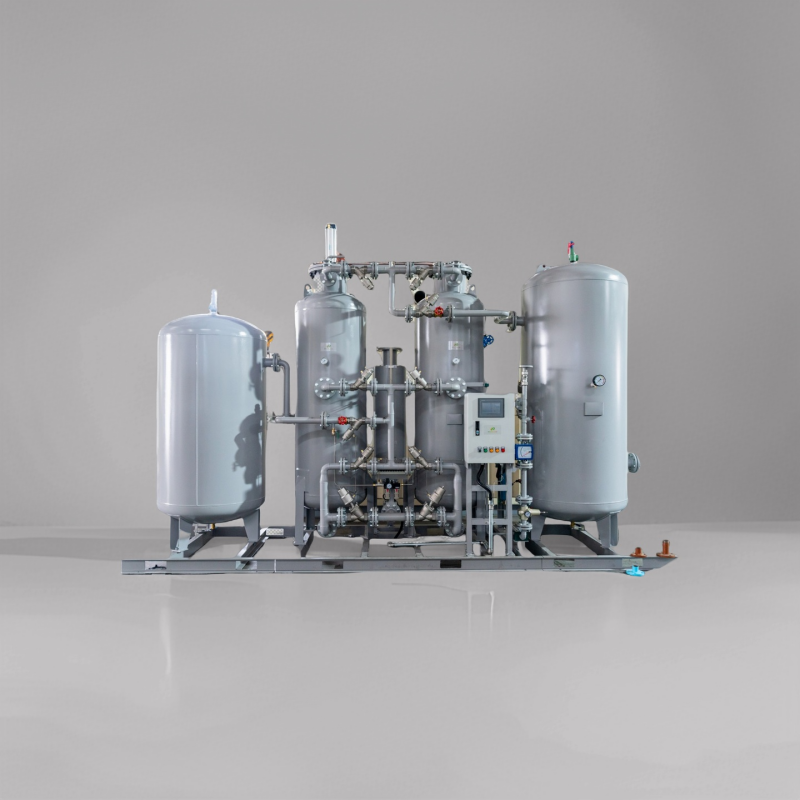
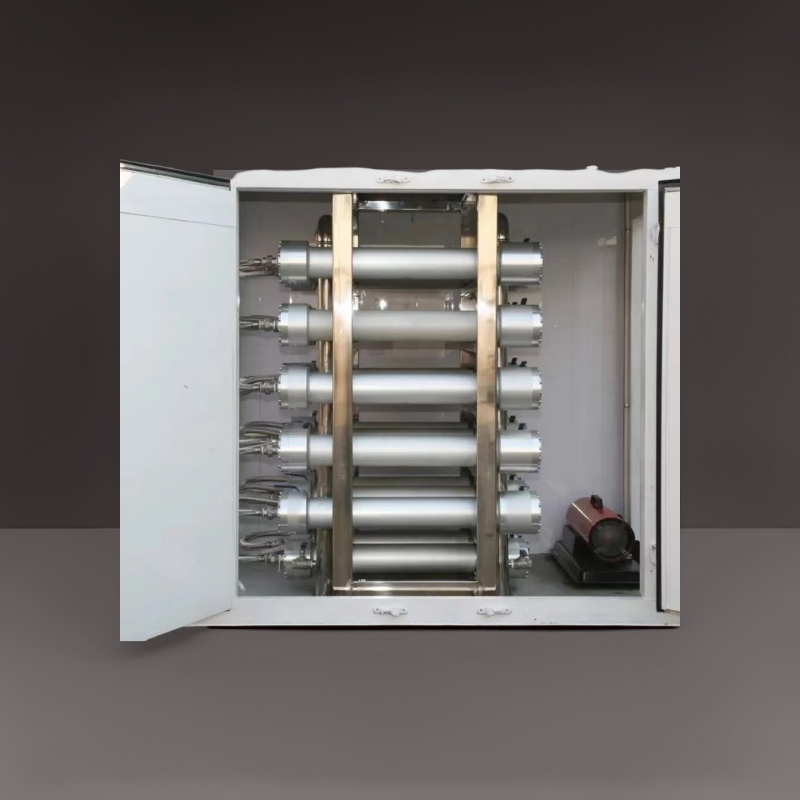
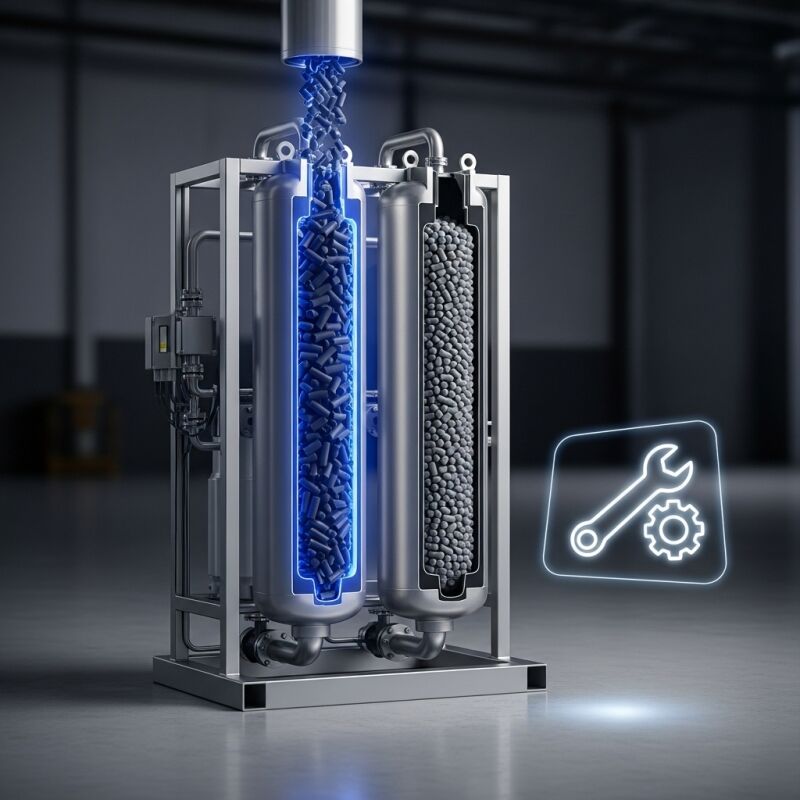
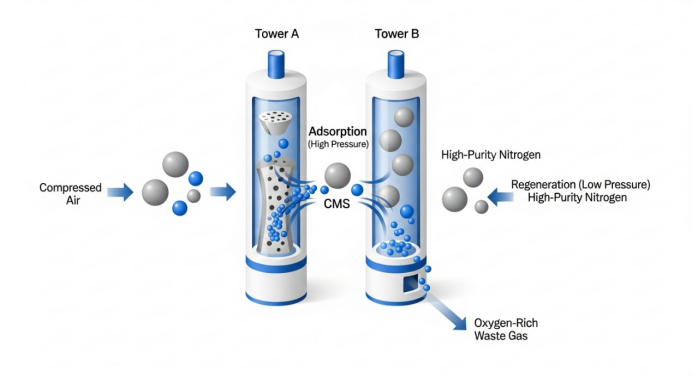
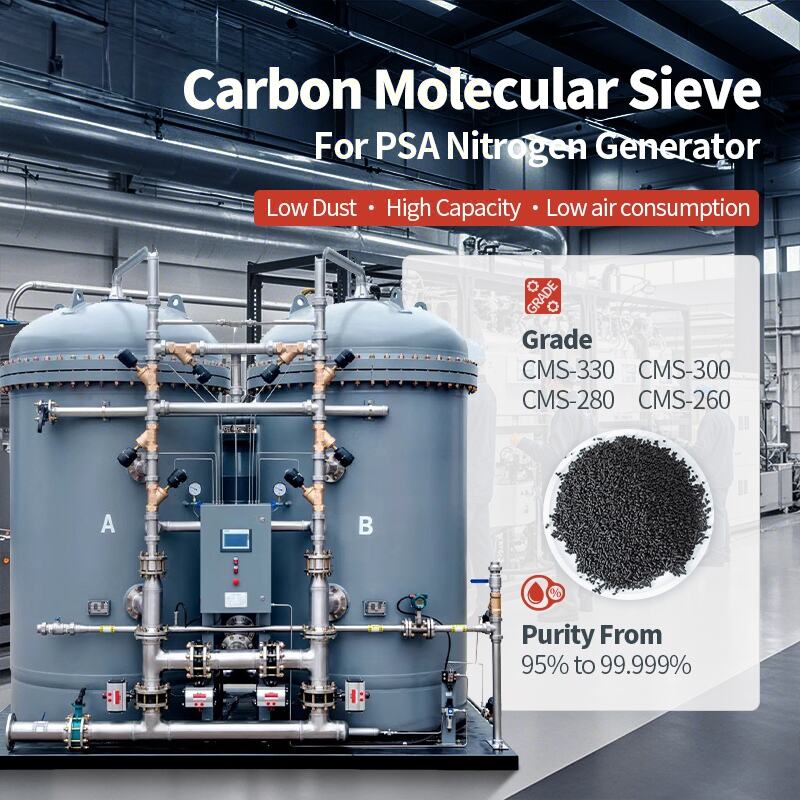
A nitrogen generator operates on the principle of separating nitrogen from compressed air through specialized technology. The process begins when atmospheric air is drawn into the system and compressed. This compressed air then undergoes a cooling phase and filtration to remove contaminants, moisture, and particles. The core functionality relies on either Pressure Swing Adsorption (PSA) or membrane separation technology. In PSA systems, compressed air passes through a carbon molecular sieve that selectively adsorbs oxygen while allowing nitrogen to pass through. The membrane technology utilizes hollow fiber membranes with specific permeation rates for different gases, effectively separating nitrogen from other atmospheric components. The separated nitrogen is then collected and stored for use, while other gases are safely vented. Modern nitrogen generators can achieve purity levels ranging from 95% to 99.999%, depending on the application requirements. These systems are equipped with advanced control mechanisms that monitor pressure, flow rates, and purity levels to ensure consistent output quality. The technology finds extensive applications across various industries, including food packaging, pharmaceutical manufacturing, electronics production, and chemical processing, where high-purity nitrogen is essential for different processes.
 EN
EN