 EN
EN

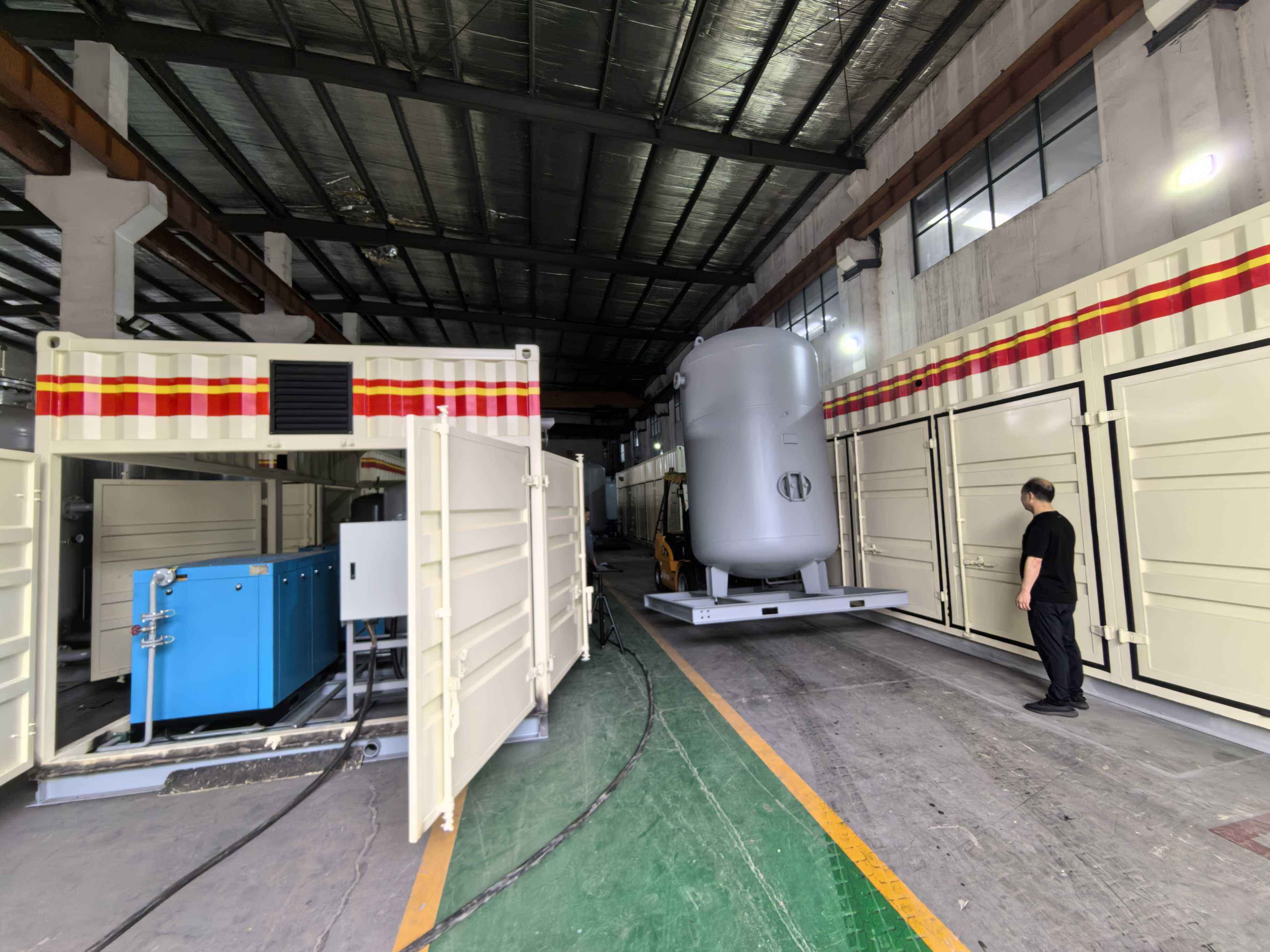
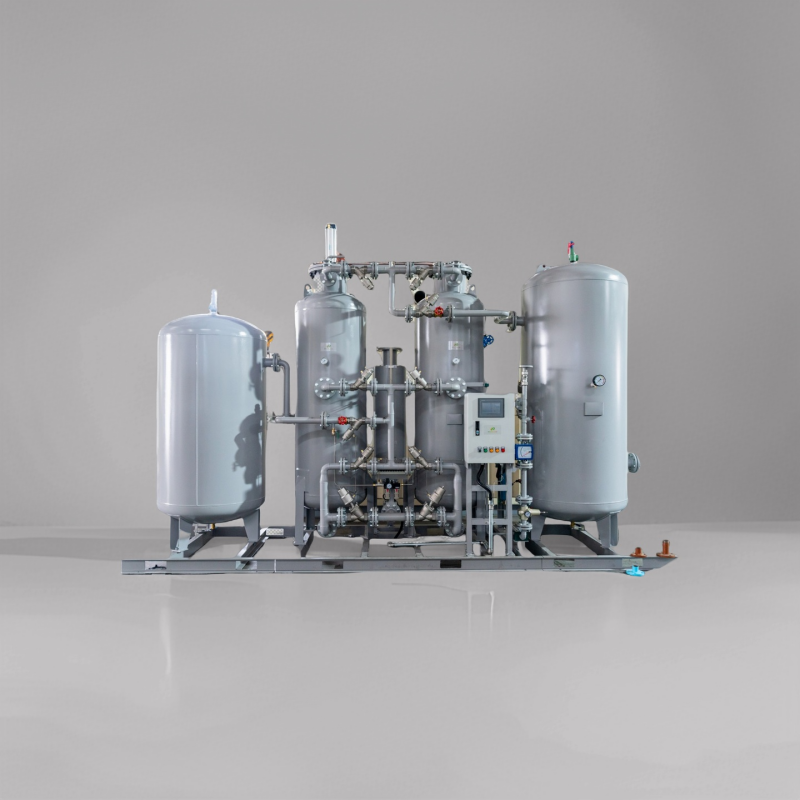
Industrial nitrogen generation has revolutionized manufacturing processes across countless sectors, providing companies with cost-effective, reliable, and high-purity nitrogen supply. A nitrogen machine delivers on-demand nitrogen production, eliminating the dependency on traditional bottled nitrogen deliveries while ensuring consistent quality and availability. This advanced technology has become indispensable for businesses seeking operational efficiency, reduced costs, and enhanced safety protocols in their production environments.
Food Packaging and Preservation Applications
Modified Atmosphere Packaging Technology
Modified atmosphere packaging represents one of the most critical applications where a nitrogen machine provides exceptional value. Food manufacturers utilize nitrogen to displace oxygen within packaging systems, significantly extending shelf life and maintaining product freshness. The inert properties of nitrogen prevent oxidation, rancidity, and bacterial growth, making it essential for packaging snack foods, coffee, nuts, and processed meats. Modern packaging facilities rely on continuous nitrogen supply to maintain production schedules and meet consumer demand for longer-lasting products.
The precision control offered by industrial nitrogen generation systems allows food processors to achieve optimal gas mixtures for different product types. Bakery items, for instance, require specific nitrogen concentrations to prevent staleness while maintaining texture. Similarly, wine and beverage producers use nitrogen blanketing to prevent oxidation during bottling processes, preserving flavor profiles and extending product viability.
Bulk Storage Protection Systems
Large-scale food storage facilities implement nitrogen blanketing systems to protect bulk commodities from deterioration. Grain silos, oil storage tanks, and warehouse facilities use nitrogen atmospheres to prevent pest infestation, moisture absorption, and quality degradation. A nitrogen machine provides the continuous supply necessary for maintaining these protective environments, ensuring stored products retain their nutritional value and commercial viability over extended periods.
Temperature-sensitive products particularly benefit from nitrogen protection during storage and transportation. Chocolate manufacturers, pharmaceutical companies, and specialty chemical producers rely on nitrogen environments to maintain product integrity throughout the supply chain. The controlled atmosphere prevents unwanted chemical reactions and physical changes that could compromise product quality.
Electronics Manufacturing and Assembly
Semiconductor Production Environments
Semiconductor manufacturing demands ultra-pure nitrogen environments to prevent contamination during critical production stages. A nitrogen machine equipped with advanced purification systems delivers the high-purity nitrogen necessary for wafer processing, component assembly, and testing procedures. The electronics industry requires nitrogen purity levels exceeding 99.999% to prevent oxidation and contamination that could result in device failures or reduced performance.
Circuit board assembly operations utilize nitrogen reflow ovens to create controlled soldering environments. The inert atmosphere prevents solder oxidation, reduces void formation, and improves joint reliability. Electronics manufacturers have found that nitrogen soldering environments significantly reduce defect rates and improve overall product quality, making nitrogen generation systems a critical investment for competitive manufacturing operations.
Component Storage and Handling
Moisture-sensitive electronic components require nitrogen storage environments to prevent degradation before assembly. Integrated circuits, sensors, and optical devices stored in nitrogen cabinets maintain their electrical properties and performance characteristics. The dry nitrogen atmosphere prevents corrosion, reduces static electricity buildup, and extends component shelf life, providing significant cost savings for manufacturers managing large inventories.
Testing laboratories and quality control facilities use nitrogen environments for evaluating electronic component performance under controlled conditions. The nitrogen machine enables consistent testing parameters, ensuring accurate measurements and reliable data for product certification and compliance verification.
Metal Processing and Heat Treatment
Annealing and Heat Treatment Processes
Metal heat treatment operations require controlled atmospheres to achieve desired material properties without surface oxidation. A nitrogen machine provides the inert environment necessary for annealing, normalizing, and stress relieving processes in steel, aluminum, and specialty alloy production. The nitrogen atmosphere prevents scale formation and decarburization, resulting in superior surface finish and dimensional accuracy.
Furnace operations benefit significantly from nitrogen atmospheres, particularly in continuous processing applications. Strip steel annealing lines, wire drawing operations, and tube manufacturing facilities use nitrogen to maintain consistent material properties while preventing atmospheric contamination. The controlled environment enables precise temperature control and uniform heating, critical factors for achieving specified metallurgical properties.
Welding and Cutting Applications
Advanced welding techniques utilize nitrogen as a shielding gas for specific applications, particularly in stainless steel and duplex steel fabrication. The nitrogen machine provides consistent gas supply for orbital welding systems, automated production lines, and precision joining operations. Nitrogen shielding prevents atmospheric contamination while providing enhanced penetration and improved weld quality in certain material combinations.
Laser cutting operations employ nitrogen assist gas to achieve clean, oxide-free cuts in various metals. The high-pressure nitrogen stream removes molten material while preventing oxidation at the cut edge, eliminating secondary finishing operations. Manufacturing facilities processing architectural metals, automotive components, and precision parts rely on nitrogen generation systems to maintain production efficiency and quality standards.
Chemical Processing and Pharmaceutical Manufacturing
Reaction Vessel Inerting
Chemical processing facilities use nitrogen blanketing to prevent unwanted reactions and ensure operator safety during production operations. A nitrogen machine provides the continuous supply necessary for maintaining inert atmospheres in reactors, storage vessels, and transfer systems. The nitrogen environment prevents explosive mixtures, reduces fire hazards, and enables safe handling of reactive chemicals and solvents.
Pharmaceutical manufacturing requires stringent environmental controls to prevent contamination and ensure product purity. Nitrogen systems protect active pharmaceutical ingredients from oxidation and moisture exposure during synthesis, crystallization, and drying operations. The controlled atmosphere maintains product efficacy and extends shelf life, critical factors for pharmaceutical quality assurance.
Solvent Recovery and Purification
Distillation and solvent recovery operations benefit from nitrogen blanketing to prevent atmospheric contamination and improve separation efficiency. The inert atmosphere reduces oxidation reactions that could form unwanted byproducts or degrade solvent quality. A nitrogen machine enables continuous operation of recovery systems, reducing waste generation and improving overall process economics.
Crystallization processes in pharmaceutical and specialty chemical manufacturing utilize nitrogen environments to control crystal formation and prevent contamination. The controlled atmosphere enables precise control of nucleation and growth rates, resulting in consistent particle size distribution and improved product quality.
Oil and Gas Industry Applications
Pipeline Maintenance and Commissioning
Oil and gas pipeline systems require nitrogen for purging, testing, and maintenance operations. A nitrogen machine provides the large volumes necessary for displacing hydrocarbons during maintenance activities, ensuring safe working conditions for personnel. The inert atmosphere prevents explosive mixtures and enables hot work operations on pipeline systems.
Pipeline commissioning procedures utilize nitrogen for pressure testing and drying operations before introducing hydrocarbon products. The dry nitrogen atmosphere removes moisture that could cause corrosion or operational problems, ensuring long-term system reliability. Nitrogen generation systems provide cost-effective alternatives to transported nitrogen for large-scale pipeline projects.
Enhanced Oil Recovery Techniques
Enhanced oil recovery operations employ nitrogen injection to maintain reservoir pressure and improve hydrocarbon recovery rates. The nitrogen machine provides consistent supply for injection systems, supporting production optimization strategies. Nitrogen flooding techniques have proven effective for extending well life and maximizing resource extraction from mature oil fields.
Drilling operations use nitrogen for well completion and workover activities, particularly in sensitive formations where formation damage must be minimized. The inert properties of nitrogen prevent unwanted chemical reactions while providing necessary pressure support during completion operations.
Fire Safety and Prevention Systems
Fire Suppression Applications
Industrial fire suppression systems increasingly utilize nitrogen as an environmentally friendly alternative to traditional chemical suppressants. A nitrogen machine enables rapid deployment of inert atmospheres for extinguishing fires in enclosed spaces, electrical equipment, and sensitive manufacturing areas. The system reduces oxygen concentration below combustion thresholds while remaining safe for human exposure during evacuation procedures.
Data centers, telecommunications facilities, and archive storage areas rely on nitrogen fire suppression systems to protect valuable equipment and irreplaceable documents. The clean suppression agent leaves no residue and causes no secondary damage, making nitrogen ideal for protecting high-value assets in critical infrastructure applications.
Prevention and Risk Mitigation
Preventive inerting systems use nitrogen to maintain safe atmospheres in potentially hazardous areas, reducing fire and explosion risks. Chemical storage areas, paint booths, and solvent handling facilities benefit from continuous nitrogen blanketing to prevent dangerous accumulations of combustible vapors. The nitrogen machine provides reliable protection against ignition sources while enabling normal operations to continue safely.
Marine and offshore applications utilize nitrogen systems for cargo tank inerting, preventing explosive atmospheres during loading and unloading operations. The controlled atmosphere ensures compliance with international safety regulations while protecting personnel and equipment from fire and explosion hazards.
Laser Cutting and Advanced Manufacturing
Precision Cutting Operations
Modern laser cutting systems utilize nitrogen as an assist gas to achieve superior cut quality in various materials, particularly stainless steel and aluminum alloys. A nitrogen machine provides the high-pressure, high-purity gas necessary for optimal cutting performance. The nitrogen atmosphere prevents oxidation at the cut edge, eliminating the need for secondary finishing operations and reducing overall production costs.
Fiber laser systems benefit significantly from nitrogen assist gas, enabling faster cutting speeds and improved edge quality compared to traditional oxygen cutting. The clean cutting process reduces material waste and improves part dimensional accuracy, critical factors for precision manufacturing applications in aerospace, automotive, and medical device industries.
Additive Manufacturing Support
3D printing and additive manufacturing processes increasingly utilize nitrogen atmospheres to prevent oxidation and improve part quality. Metal powder bed fusion systems require inert environments to prevent powder degradation and ensure consistent mechanical properties in finished parts. The nitrogen machine provides continuous supply for large-scale additive manufacturing operations, supporting growing industrial adoption of these advanced production techniques.
Post-processing operations for additive manufactured parts also benefit from nitrogen environments during heat treatment and surface finishing procedures. The controlled atmosphere prevents surface contamination while enabling precise control of material properties and dimensional stability.
Laboratory and Analytical Applications
Chromatography and Analytical Instrumentation
Analytical laboratories rely on high-purity nitrogen for gas chromatography systems, mass spectrometry applications, and sample preparation procedures. A nitrogen machine provides consistent gas quality essential for accurate analytical results and instrument performance. The dry, oxygen-free atmosphere prevents sample degradation and extends instrument component life, reducing maintenance costs and improving laboratory productivity.
Sample storage and preservation applications utilize nitrogen blanketing to maintain specimen integrity during extended storage periods. Biological samples, chemical standards, and reference materials stored under nitrogen atmospheres retain their original properties, ensuring reliable analytical results and supporting quality assurance programs.
Research and Development Activities
Research laboratories use nitrogen for various experimental procedures requiring inert atmospheres, including synthesis reactions, material characterization, and prototype testing. The controlled environment enables researchers to study material properties and reaction mechanisms without atmospheric interference, supporting innovation and product development activities across multiple industries.
Pilot plant operations and process development activities benefit from nitrogen systems that can quickly establish controlled atmospheres for testing new processes and technologies. The flexibility and reliability of nitrogen generation systems support rapid prototyping and scale-up activities essential for bringing new products to market.
FAQ
What factors determine the size and capacity requirements for an industrial nitrogen machine
The sizing of an industrial nitrogen machine depends on several critical factors including peak nitrogen demand, purity requirements, operating pressure needs, and duty cycle patterns. Peak demand calculations should include all simultaneous uses plus a safety margin typically ranging from 20-30%. Purity requirements vary significantly by application, from 95% for some blanketing applications to 99.999% for electronics manufacturing. Operating pressure requirements and the need for backup systems during maintenance also influence sizing decisions.
How does the purity level of nitrogen affect different industrial applications
Nitrogen purity requirements vary dramatically across industrial applications, with each use case demanding specific purity levels for optimal performance. Food packaging typically requires 99.5-99.9% purity to prevent oxidation and extend shelf life, while electronics manufacturing demands 99.999% or higher to prevent contamination. Metal heat treatment applications may operate effectively with 95-98% purity for basic inerting, whereas pharmaceutical manufacturing requires ultra-high purity to meet regulatory standards and prevent product degradation.
What are the main advantages of on-site nitrogen generation compared to delivered nitrogen supplies
On-site nitrogen generation provides significant cost savings, typically reducing nitrogen costs by 40-70% compared to delivered supplies, while eliminating delivery scheduling constraints and supply chain disruptions. The system provides unlimited availability, consistent pressure, and eliminates the safety risks associated with handling high-pressure cylinders. Additional benefits include reduced storage space requirements, lower carbon footprint from eliminated transportation, and the ability to adjust production based on actual demand rather than predetermined delivery schedules.
How do maintenance requirements and operational costs compare between different nitrogen generation technologies
PSA (Pressure Swing Adsorption) nitrogen generators typically require filter changes every 6-12 months and molecular sieve replacement every 5-10 years, with relatively low energy consumption. Membrane systems have minimal maintenance requirements but higher energy costs and lower nitrogen purity capabilities. Cryogenic systems offer the highest purity and capacity but require more complex maintenance and higher operational expertise. Overall operational costs depend on local electricity rates, maintenance labor costs, and the specific purity and capacity requirements of each application.
Table of Contents
- Food Packaging and Preservation Applications
- Electronics Manufacturing and Assembly
- Metal Processing and Heat Treatment
- Chemical Processing and Pharmaceutical Manufacturing
- Oil and Gas Industry Applications
- Fire Safety and Prevention Systems
- Laser Cutting and Advanced Manufacturing
- Laboratory and Analytical Applications
-
FAQ
- What factors determine the size and capacity requirements for an industrial nitrogen machine
- How does the purity level of nitrogen affect different industrial applications
- What are the main advantages of on-site nitrogen generation compared to delivered nitrogen supplies
- How do maintenance requirements and operational costs compare between different nitrogen generation technologies