 EN
EN
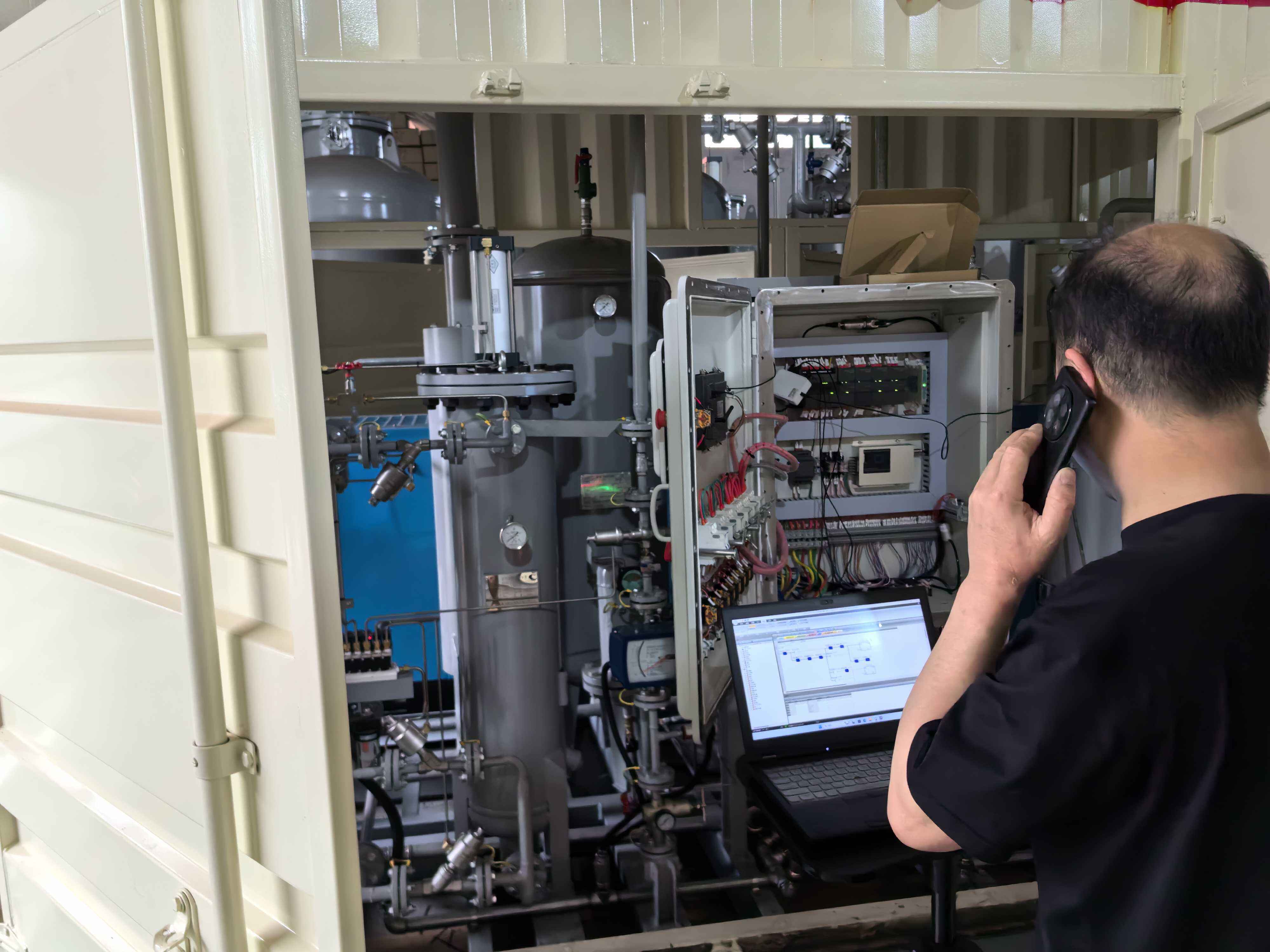
High-power laser cutting operations require precise atmospheric control to achieve optimal cut quality, speed, and material integrity. Nitrogen generators have become essential equipment for manufacturers seeking consistent, cost-effective nitrogen supply for their laser cutting processes. These systems eliminate dependency on traditional nitrogen cylinders while providing continuous, high-purity nitrogen gas tailored to industrial cutting applications. Understanding the critical factors in selecting nitrogen generators ensures optimal performance, reduced operational costs, and improved production efficiency.
Understanding Nitrogen Requirements for Laser Cutting Applications
Purity Specifications and Performance Impact
Laser cutting applications demand specific nitrogen purity levels ranging from 95% to 99.999%, depending on material type and thickness. Stainless steel cutting typically requires 99.9% purity, while carbon steel applications may perform adequately with 95-98% purity levels. Higher purity nitrogen generators deliver superior edge quality, reduced oxidation, and minimal post-processing requirements. The relationship between nitrogen purity and cutting speed demonstrates significant performance improvements when using appropriately specified systems.
Lower purity levels can result in oxidized cut edges, increased dross formation, and compromised material properties. Professional nitrogen generators incorporate advanced purification technologies to maintain consistent purity levels throughout extended operating periods. Understanding your specific purity requirements prevents over-specification while ensuring adequate performance for your cutting applications.
Flow Rate Calculations and System Sizing
Accurate flow rate calculations form the foundation of proper nitrogen generator sizing for laser cutting operations. Standard calculations consider laser power, nozzle diameter, cutting speed, and material thickness to determine required nitrogen flow rates. High-power laser systems typically consume 50-200 cubic feet per hour of nitrogen, with peak demands reaching 300+ CFH during intensive cutting cycles.
Nitrogen generators must accommodate both average consumption and peak demand scenarios to maintain consistent cutting performance. Undersized systems result in pressure drops, reduced cutting quality, and potential equipment damage. Professional sizing calculations incorporate safety factors, future expansion considerations, and operational redundancy requirements to ensure long-term system adequacy.
Pressure System Swing Adsorption Technology Overview
PSA Process Fundamentals
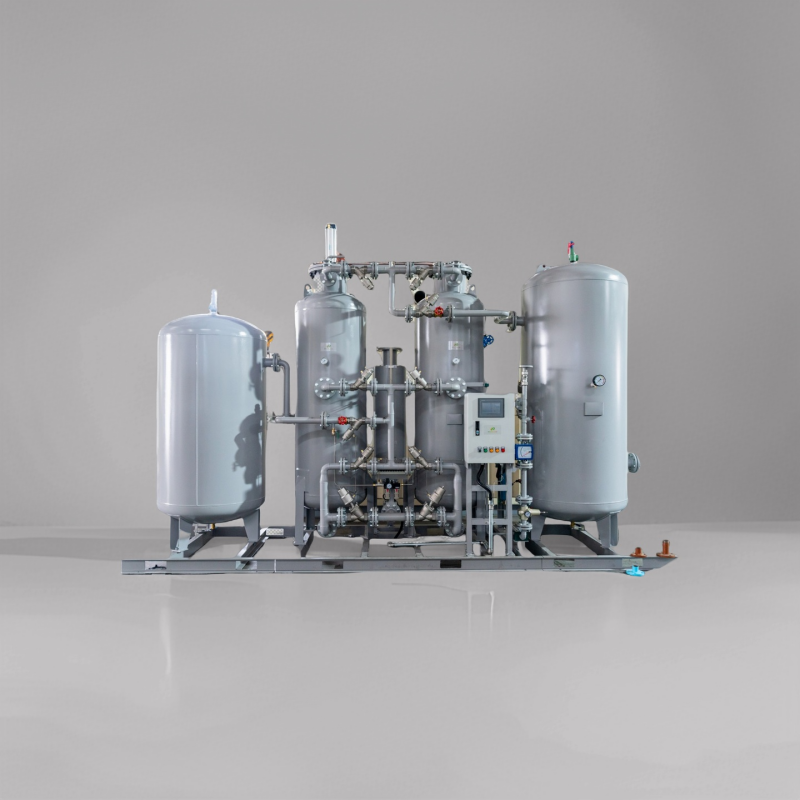
Pressure Swing Adsorption represents the most widely adopted technology for industrial nitrogen generators, utilizing molecular sieves to separate nitrogen from compressed air. The PSA process operates through alternating pressurization and depressurization cycles, with carbon molecular sieves preferentially adsorbing oxygen molecules while allowing nitrogen to pass through. This cyclical process delivers continuous nitrogen production with purities ranging from 95% to 99.999%.
Modern PSA nitrogen generators incorporate advanced control systems to optimize cycle timing, pressure differentials, and regeneration sequences. These systems automatically adjust operating parameters based on demand variations, maintaining consistent purity levels while minimizing energy consumption. Understanding PSA technology helps buyers evaluate system efficiency, reliability, and long-term performance characteristics.
Carbon Molecular Sieve Selection
Carbon molecular sieve quality directly impacts nitrogen generator performance, efficiency, and operational lifespan. High-grade molecular sieves demonstrate superior oxygen adsorption capacity, faster kinetic rates, and enhanced durability under cycling conditions. Quality sieves maintain separation efficiency throughout thousands of operating cycles while resisting degradation from moisture, oil contamination, and temperature variations.
Premium nitrogen generators utilize specifically engineered molecular sieves optimized for laser cutting applications. These advanced materials deliver consistent performance, extended service intervals, and reduced maintenance requirements compared to standard commercial sieves. Evaluating molecular sieve specifications provides insight into long-term system reliability and performance stability.
System Design Considerations for Industrial Applications
Modular Configuration Benefits
Modular nitrogen generator designs offer significant advantages for growing manufacturing operations, providing scalable capacity expansion without complete system replacement. Modular systems allow incremental capacity additions as production demands increase, optimizing capital investment timing and reducing initial equipment costs. These configurations typically feature standardized components, simplified maintenance procedures, and enhanced operational flexibility.
Advanced modular nitrogen generators incorporate intelligent load balancing between individual modules, optimizing energy efficiency and extending equipment lifespan. When properly configured, modular systems provide operational redundancy, allowing continued production during maintenance activities or component failures. This design approach particularly benefits facilities with variable production schedules or seasonal demand fluctuations.
Energy Efficiency Optimization
Energy consumption represents a significant operational cost factor for nitrogen generators, making efficiency optimization crucial for long-term profitability. Variable speed compressor drives automatically adjust motor speed based on nitrogen demand, reducing energy consumption during low-demand periods. Advanced control systems incorporate predictive algorithms to anticipate demand patterns, pre-positioning system capacity while minimizing energy waste.
High-efficiency nitrogen generators feature optimized heat recovery systems, utilizing waste heat for regeneration processes and reducing overall energy requirements. Proper system sizing, regular maintenance, and operational parameter optimization can achieve 20-30% energy savings compared to baseline configurations. Energy efficiency considerations should include both initial equipment costs and long-term operational expenses.
Installation and Integration Requirements
Infrastructure Preparation
Successful nitrogen generator installation requires comprehensive infrastructure preparation, including compressed air supply, electrical connections, and environmental controls. Compressed air quality significantly impacts system performance, necessitating appropriate filtration, drying, and pressure regulation equipment. Installation sites must provide adequate ventilation, temperature control, and accessibility for routine maintenance activities.
Professional installation teams evaluate existing facility infrastructure to identify potential integration challenges and optimization opportunities. Proper foundation design, vibration isolation, and utility connections ensure optimal system performance and longevity. Pre-installation planning reduces commissioning time, minimizes production disruptions, and prevents costly modifications during system deployment.
Control System Integration
Modern nitrogen generators feature sophisticated control systems enabling integration with existing facility automation networks and laser cutting equipment. Advanced controllers provide real-time monitoring of purity levels, flow rates, pressure parameters, and system status indicators. Remote monitoring capabilities allow operators to track performance metrics, receive maintenance alerts, and optimize operating parameters from centralized control rooms.
Integration with laser cutting systems enables automatic nitrogen supply coordination, optimizing gas consumption based on cutting schedules and material requirements. Smart control systems can automatically adjust nitrogen generators output parameters based on real-time demand signals from connected laser systems. This integration reduces waste, improves efficiency, and enhances overall production coordination.
Maintenance and Operational Considerations
Preventive Maintenance Programs
Comprehensive preventive maintenance programs ensure optimal nitrogen generator performance, extend equipment lifespan, and minimize unexpected downtime. Regular maintenance activities include molecular sieve inspection, valve servicing, filter replacement, and control system calibration. Properly executed maintenance programs can extend system lifespan by 30-50% while maintaining peak performance throughout the operational period.
Professional maintenance programs incorporate predictive maintenance technologies, utilizing vibration analysis, thermal imaging, and performance trending to identify potential issues before they impact production. Scheduled maintenance activities should align with production schedules to minimize operational disruptions while ensuring system reliability. Proper maintenance documentation supports warranty compliance and facilitates troubleshooting activities.
Performance Monitoring and Optimization
Continuous performance monitoring enables proactive system optimization, identifying efficiency improvement opportunities and preventing gradual performance degradation. Key performance indicators include nitrogen purity levels, energy consumption rates, production capacity, and system availability metrics. Regular monitoring data analysis reveals trends that guide maintenance scheduling and operational adjustments.
Advanced monitoring systems provide automated alerts for parameter deviations, enabling rapid response to potential issues. Performance optimization activities may include cycle timing adjustments, pressure parameter modifications, and load balancing refinements. Systematic performance tracking demonstrates return on investment while supporting continuous improvement initiatives.
Cost Analysis and Return on Investment
Total Cost of Ownership Calculations
Comprehensive total cost of ownership analysis encompasses initial equipment costs, installation expenses, energy consumption, maintenance requirements, and operational labor. Nitrogen generators typically demonstrate positive return on investment within 12-24 months when compared to cylinder nitrogen procurement for facilities consuming significant quantities. Long-term cost advantages include eliminated delivery charges, reduced inventory management, and protection against nitrogen price volatility.
Professional cost analysis should consider facility-specific factors including nitrogen consumption patterns, local utility rates, cylinder pricing, and delivery logistics. Hidden costs of cylinder nitrogen include inventory carrying costs, handling labor, emergency supply premiums, and production disruption risks. Accurate cost modeling supports informed purchasing decisions and justifies capital equipment investments.
Financing and Procurement Options
Various financing options enable nitrogen generator acquisition while optimizing cash flow and tax advantages. Equipment leasing programs provide lower initial costs, preserved credit capacity, and potential tax benefits through operational expense treatment. Purchase financing options include traditional equipment loans, capital leases, and manufacturer financing programs with competitive rates and flexible terms.
Some suppliers offer performance-based contracts, guaranteeing nitrogen supply costs while providing equipment maintenance and support services. These arrangements transfer performance risk to suppliers while providing predictable operational expenses. Procurement strategies should evaluate multiple financing alternatives to optimize total cost of ownership and alignment with corporate financial objectives.
Vendor Selection and Evaluation Criteria
Technical Capability Assessment
Vendor technical capabilities significantly impact nitrogen generator performance, reliability, and long-term support quality. Evaluation criteria should include engineering expertise, manufacturing quality standards, testing capabilities, and technical support resources. Established manufacturers typically provide superior component quality, comprehensive testing protocols, and proven track records in laser cutting applications.
Technical evaluation should examine system design specifications, component quality standards, performance testing data, and compliance with relevant industry standards. Vendor manufacturing facilities, quality control processes, and certification credentials provide insight into product reliability and consistency. Strong technical capabilities ensure proper system sizing, optimal performance, and effective ongoing support.
Service and Support Infrastructure
Comprehensive service and support infrastructure ensures optimal nitrogen generator performance throughout the equipment lifecycle. Evaluation criteria include local service presence, technician training levels, parts availability, and response time commitments. Vendors with established service networks provide faster response times, reduced downtime, and more cost-effective maintenance support.
Remote monitoring and diagnostic capabilities enable proactive support, identifying potential issues before they impact production operations. Advanced service programs may include performance guarantees, preventive maintenance contracts, and equipment upgrade pathways. Strong service infrastructure supports maximum equipment utilization while minimizing operational risks and maintenance costs.
FAQ
What nitrogen purity level is required for high-power laser cutting applications
High-power laser cutting applications typically require nitrogen purity levels between 99% and 99.999%, depending on material type and thickness. Stainless steel cutting generally requires 99.9% purity for optimal edge quality, while carbon steel applications may perform adequately with 95-98% purity. Higher purity levels reduce oxidation, improve cut quality, and minimize post-processing requirements, making them essential for precision applications.
How do I calculate the appropriate nitrogen generator size for my facility
Nitrogen generator sizing calculations consider laser power, cutting speed, material thickness, nozzle diameter, and operational patterns. Professional sizing typically includes 20-30% safety factors to accommodate peak demand periods and future expansion. Consulting with qualified engineers ensures accurate calculations that account for your specific applications, operational schedules, and growth projections while preventing undersizing issues.
What are the main advantages of PSA nitrogen generators over membrane systems
PSA nitrogen generators offer superior purity levels, higher efficiency, and better long-term reliability compared to membrane systems for laser cutting applications. PSA technology can achieve purities up to 99.999% while membrane systems typically max out around 99.5%. PSA systems also demonstrate better energy efficiency, lower maintenance requirements, and more consistent performance under varying operating conditions, making them preferred for demanding industrial applications.
How long does it typically take to see return on investment from nitrogen generators
Most facilities achieve positive return on investment within 12-24 months when replacing cylinder nitrogen with on-site nitrogen generators. ROI timing depends on nitrogen consumption rates, local cylinder pricing, delivery costs, and energy rates. High-consumption facilities may see payback in under 12 months, while lower-consumption operations typically achieve ROI within 18-24 months. Long-term savings continue throughout the equipment lifecycle, providing substantial cost advantages.
Table of Contents
- Understanding Nitrogen Requirements for Laser Cutting Applications
- Pressure System Swing Adsorption Technology Overview
- System Design Considerations for Industrial Applications
- Installation and Integration Requirements
- Maintenance and Operational Considerations
- Cost Analysis and Return on Investment
- Vendor Selection and Evaluation Criteria
-
FAQ
- What nitrogen purity level is required for high-power laser cutting applications
- How do I calculate the appropriate nitrogen generator size for my facility
- What are the main advantages of PSA nitrogen generators over membrane systems
- How long does it typically take to see return on investment from nitrogen generators