 EN
EN
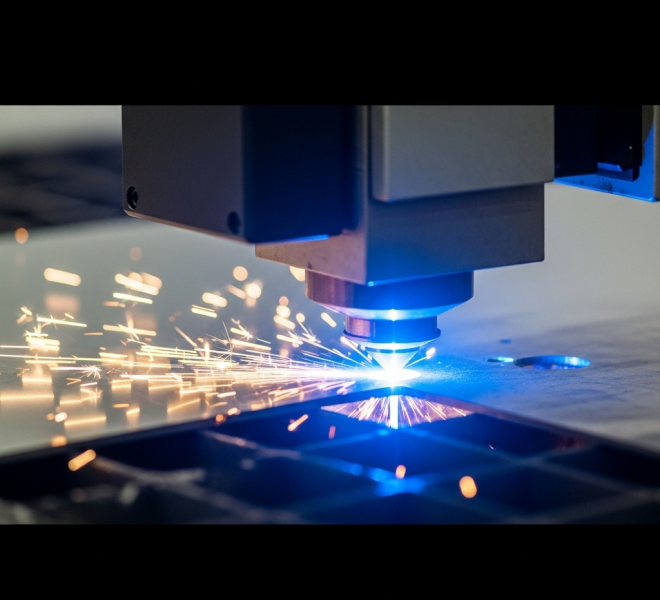
The chemical industry's demand for high-purity nitrogen continues to grow as manufacturing processes become more sophisticated and quality standards more stringent. Selecting the right nitrogen generator for chemical applications requires careful consideration of multiple factors including purity levels, flow rates, operating conditions, and long-term operational costs. Industrial facilities increasingly recognize that on-site nitrogen generation offers significant advantages over traditional cylinder or liquid nitrogen supply methods, providing greater control, reliability, and cost-effectiveness for continuous operations.
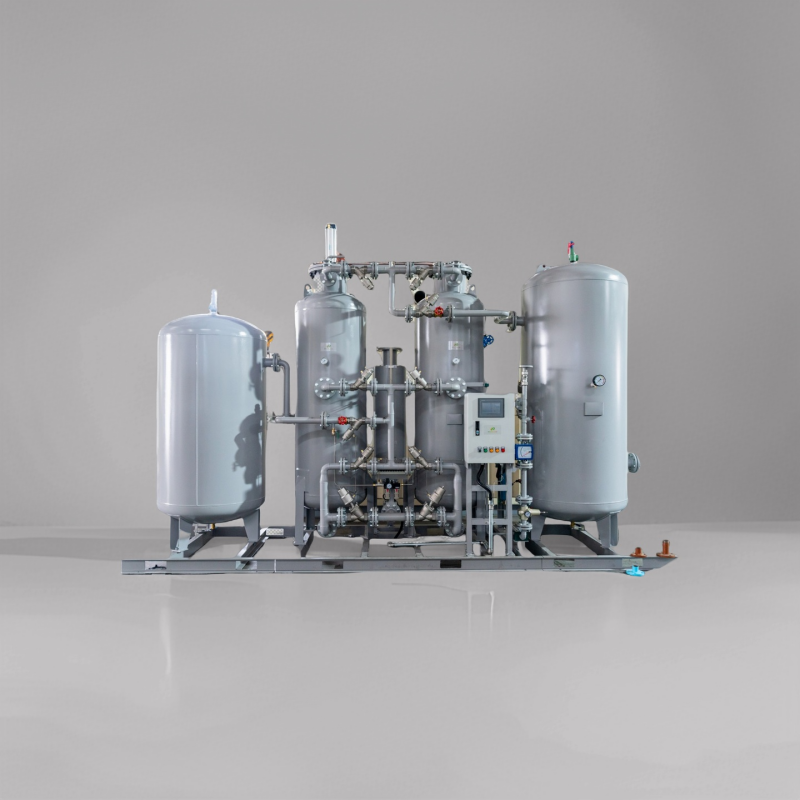
Modern nitrogen generator technology has evolved to meet the diverse requirements of chemical processing environments. From petrochemical refineries requiring massive volumes for blanketing and purging to pharmaceutical manufacturers needing ultra-high purity for sensitive reactions, the selection process must align with specific operational demands. Understanding the available technologies, their capabilities, and limitations becomes crucial for making informed decisions that support both immediate production needs and future expansion plans.
Understanding Nitrogen Generator Technologies for Chemical Applications
Pressure Swing Adsorption Systems
Pressure Swing Adsorption (PSA) represents the most widely adopted nitrogen generator technology in chemical manufacturing facilities. These systems utilize carbon molecular sieves to separate nitrogen from compressed air through selective adsorption of oxygen molecules. PSA nitrogen generator units typically achieve purities ranging from 95% to 99.9995%, making them suitable for most chemical industry applications including reactor blanketing, solvent recovery, and material handling processes.
The operational principle involves alternating pressure cycles where compressed air passes through adsorption vessels containing specialized carbon molecular sieves. During the adsorption phase, oxygen molecules are trapped within the sieve structure while nitrogen passes through as the product gas. The regeneration phase depressurizes the vessel, releasing trapped oxygen and preparing the system for the next cycle. This continuous process ensures steady nitrogen production with minimal energy consumption compared to alternative generation methods.
PSA systems offer exceptional flexibility in terms of capacity scaling and purity adjustment. Chemical facilities can configure multiple generator modules to meet varying demand patterns while maintaining operational redundancy. The technology's proven reliability and relatively low maintenance requirements make it particularly attractive for continuous process operations where nitrogen availability cannot be compromised.
Membrane Separation Technology
Membrane nitrogen generator systems provide an alternative approach using selective permeation through hollow fiber membranes. These systems separate nitrogen from compressed air by exploiting the different permeation rates of gas molecules through specialized polymer membranes. While typically achieving lower purities than PSA systems, membrane generators excel in applications requiring moderate purity levels with minimal maintenance intervention.
The membrane separation process involves no moving parts or complex control systems, resulting in exceptionally simple operation and maintenance. Compressed air flows through bundles of hollow fiber membranes where oxygen, water vapor, and carbon dioxide permeate through the membrane walls at faster rates than nitrogen. The non-permeating nitrogen-rich stream becomes the product gas, while the permeate stream containing unwanted gases is vented to atmosphere.
Chemical facilities often choose membrane systems for applications such as tank blanketing, pneumatic conveying, and general inerting where purity requirements range from 95% to 99.5%. The technology's robustness and tolerance to contaminated feed air make it suitable for harsh industrial environments where reliability takes precedence over maximum purity achievement.
Critical Selection Criteria for Chemical Industry Applications
Purity Requirements and Quality Standards
Determining the appropriate nitrogen purity level represents a fundamental step in nitrogen generator selection for chemical applications. Different processes within the same facility may require varying purity levels, from basic inerting applications at 95-98% purity to critical reactions demanding ultra-high purity exceeding 99.999%. Understanding these requirements prevents over-specification, which increases capital and operating costs, while ensuring adequate quality for process integrity.
Chemical processes involving oxygen-sensitive materials, catalysts, or reactions typically require nitrogen purities of 99.9% or higher to prevent unwanted side reactions or catalyst poisoning. Pharmaceutical and specialty chemical manufacturing often demands even higher purities to meet regulatory compliance and product quality standards. Conversely, applications such as blanketing storage tanks or general inerting may operate effectively with nitrogen purities in the 95-99% range, allowing for more economical system selection.
Beyond oxygen content, chemical applications may require consideration of other impurities including water vapor, carbon dioxide, and hydrocarbon traces. Some nitrogen generator systems incorporate additional purification stages to address these concerns, particularly for sensitive chemical processes or pharmaceutical applications where trace contaminants could affect product quality or safety.
Flow Rate and Capacity Planning
Accurate flow rate determination requires comprehensive analysis of both steady-state and peak demand scenarios across all nitrogen-consuming processes within the chemical facility. Many installations underestimate their actual nitrogen consumption, leading to undersized systems that cannot meet production demands during peak periods or maintenance activities. Proper capacity planning should include provisions for future expansion, simultaneous process operations, and emergency purging requirements.
Chemical facilities typically experience variable nitrogen demand patterns depending on production schedules, seasonal variations, and process modifications. A well-designed nitrogen generator system should accommodate these fluctuations while maintaining consistent purity levels and delivery pressure. Multiple smaller generator units often provide better flexibility than single large systems, allowing operators to match production with actual demand while providing built-in redundancy for critical operations.
Peak demand analysis becomes particularly important for batch chemical processes where large nitrogen volumes may be required during specific process phases such as reactor purging, product transfer, or emergency scenarios. The nitrogen generator sizing must account for these intermittent high-demand periods while avoiding excessive oversizing that impacts system economics and efficiency during normal operations.
Economic Evaluation and Total Cost of Ownership
Capital Investment Considerations
The initial capital investment for a nitrogen generator system encompasses much more than the generator unit itself. Chemical facilities must consider site preparation costs, electrical infrastructure upgrades, compressed air system requirements, nitrogen distribution piping, and safety systems integration. These ancillary costs can significantly impact the total project investment and should be evaluated during the early planning stages to ensure accurate budget allocation.
Equipment sizing and technology selection directly influence capital costs, with PSA systems typically requiring higher initial investment than membrane alternatives but offering superior purity capability and long-term efficiency. The economic analysis should evaluate the relationship between generator capacity, purity requirements, and capital costs to identify the optimal balance for specific application requirements. Oversizing systems to accommodate uncertain future demands may result in poor initial economics and reduced system efficiency.
Installation complexity varies significantly based on facility infrastructure and integration requirements. Chemical plants with existing compressed air systems and nitrogen distribution networks may achieve lower installation costs compared to greenfield installations requiring complete utility infrastructure development. Early engagement with nitrogen generator suppliers and installation contractors helps identify potential cost reduction opportunities and ensures realistic project budgeting.
Operating Cost Analysis
Long-term operating costs for nitrogen generator systems primarily consist of electrical energy consumption, compressed air requirements, routine maintenance, and periodic consumable replacement. Energy costs typically represent the largest operational expense, making system efficiency a critical selection criterion for high-volume applications. Modern nitrogen generator designs incorporate energy-saving features such as variable speed drives, optimized cycle timing, and heat recovery systems to minimize operational costs.
Compressed air quality and supply reliability directly impact nitrogen generator operating costs and performance. Poor air quality increases maintenance requirements and reduces component life, while inadequate compression capacity limits generator output and efficiency. Chemical facilities should evaluate their existing compressed air systems and consider upgrades or dedicated compressor installation to optimize nitrogen generator performance and minimize operating costs.
Maintenance costs vary between nitrogen generator technologies, with membrane systems typically requiring less frequent intervention than PSA systems due to their simpler design and absence of moving parts. However, PSA systems often provide better long-term value through higher efficiency and longer component life. The economic analysis should consider both routine maintenance costs and periodic major maintenance or component replacement expenses over the expected system operational life.
Installation and Integration Requirements
Site Preparation and Infrastructure
Proper site preparation forms the foundation for reliable nitrogen generator operation in chemical facilities. Location selection must consider proximity to nitrogen consumption points, compressed air supply availability, electrical power access, and compliance with safety regulations and building codes. Chemical plants often require nitrogen generator installations in classified hazardous areas, necessitating explosion-proof equipment ratings and specialized installation techniques.
Environmental conditions significantly influence nitrogen generator performance and component life. Chemical facilities may expose equipment to elevated temperatures, corrosive atmospheres, or extreme humidity conditions that require special consideration during system design and installation. Adequate ventilation, climate control, and environmental protection measures ensure optimal system performance and minimize maintenance requirements throughout the operational life.
Foundation and structural requirements vary based on nitrogen generator size and technology. Larger PSA systems may require reinforced concrete foundations and structural support, while smaller membrane units often mount on standard industrial flooring. Vibration isolation becomes important for installations near sensitive analytical equipment or in multi-story facilities where structural transmission could affect other operations.
Safety and Regulatory Compliance
Chemical industry nitrogen generator installations must comply with numerous safety regulations and industry standards including OSHA requirements, local fire codes, and process safety management regulations. Nitrogen's potential as an asphyxiant requires comprehensive risk assessment and implementation of appropriate safety measures including oxygen monitoring, ventilation systems, and emergency response procedures. These safety considerations often influence equipment selection and installation design.
Electrical installations in chemical facilities must meet stringent safety standards for hazardous locations. Nitrogen generator electrical systems require appropriate enclosure ratings, grounding systems, and integration with facility safety instrumented systems. Emergency shutdown capabilities and fail-safe operation modes ensure safe system behavior during upset conditions or power failures.
Documentation requirements for chemical industry applications typically exceed those for general industrial installations. Detailed design drawings, material certifications, testing procedures, and operational manuals support regulatory compliance and facility safety management programs. Comprehensive training programs ensure operational personnel understand system capabilities, limitations, and proper safety procedures.
Performance Monitoring and Optimization
Control System Integration
Modern nitrogen generator systems incorporate sophisticated control systems that monitor performance parameters, optimize operating cycles, and provide diagnostic capabilities. Integration with facility distributed control systems (DCS) or supervisory control and data acquisition (SCADA) systems enables centralized monitoring and coordination with other process operations. This integration allows chemical facilities to optimize nitrogen generator operation based on production schedules and process demands.
Advanced control algorithms continuously adjust system operation to maintain optimal performance while minimizing energy consumption. Real-time monitoring of purity levels, flow rates, and system pressures enables predictive maintenance strategies and early identification of performance degradation. Remote monitoring capabilities allow nitrogen generator suppliers to provide enhanced technical support and optimization recommendations based on actual operating data.
Data logging and trending capabilities support continuous improvement initiatives and regulatory compliance requirements. Historical performance data helps identify optimization opportunities, validate system capacity, and support decision-making for future expansion or modification projects. Integration with facility maintenance management systems streamlines preventive maintenance scheduling and spare parts inventory management.
Maintenance Strategy Development
Effective maintenance strategies for nitrogen generator systems in chemical applications require understanding of component wear patterns, operating environment impacts, and criticality to production operations. Preventive maintenance programs should balance maintenance costs with system availability requirements while considering the consequences of unplanned downtime on chemical production processes.
Component-specific maintenance approaches optimize system reliability and minimize life-cycle costs. PSA nitrogen generator systems require periodic carbon molecular sieve replacement, valve maintenance, and control system calibration. Membrane systems need less frequent intervention but require monitoring for membrane fouling or damage that could affect performance or purity levels. Establishing appropriate maintenance intervals based on operating conditions and manufacturer recommendations ensures optimal system performance.
Spare parts inventory management becomes crucial for maintaining nitrogen generator availability in chemical facilities where production interruptions carry significant economic consequences. Critical spare parts identification and stocking strategies should consider lead times, supplier reliability, and the impact of component failures on system operation. Coordination with nitrogen generator suppliers for technical support and emergency parts availability provides additional assurance for critical applications.
FAQ
What factors determine the optimal nitrogen generator size for chemical applications?
Optimal nitrogen generator sizing depends on peak demand analysis, including simultaneous process requirements, emergency purging needs, and future expansion plans. Chemical facilities should conduct comprehensive flow surveys measuring actual consumption patterns rather than relying solely on theoretical process requirements. The analysis should account for system efficiency variations with load changes and include appropriate safety factors for critical applications. Proper sizing balances capital costs with operational flexibility while ensuring adequate capacity for all operating scenarios.
How do purity requirements affect nitrogen generator technology selection?
Purity requirements directly influence technology choice between PSA and membrane systems. Applications requiring purities above 99.5% typically favor PSA technology due to its superior separation capability and ability to achieve ultra-high purity levels exceeding 99.999%. Membrane systems work well for moderate purity applications in the 95-99% range where simplicity and low maintenance take precedence over maximum purity achievement. The selection should also consider purity stability requirements and tolerance for temporary purity variations during system cycling or maintenance.
What are the key differences between PSA and membrane nitrogen generators for chemical use?
PSA systems offer higher purity capability, better efficiency, and more precise control but require more complex operation and maintenance. They excel in applications demanding high purity levels or large nitrogen volumes with good economic returns. Membrane systems provide simpler operation, lower maintenance requirements, and better tolerance to feed air contaminants but achieve lower maximum purity levels and higher unit energy consumption. The choice depends on balancing purity requirements, maintenance capabilities, and economic considerations for specific chemical applications.
How should chemical facilities evaluate the total cost of ownership for nitrogen generators?
Total cost of ownership analysis should include initial capital investment, installation costs, energy consumption, maintenance expenses, and replacement parts over the expected system life. Energy costs typically dominate operational expenses, making efficiency evaluation crucial for high-volume applications. The analysis should also consider nitrogen supply security, quality consistency, and operational flexibility benefits compared to delivered nitrogen alternatives. Long-term cost projections should account for energy price trends, maintenance cost escalation, and potential system modifications or expansions.
Table of Contents
- Understanding Nitrogen Generator Technologies for Chemical Applications
- Critical Selection Criteria for Chemical Industry Applications
- Economic Evaluation and Total Cost of Ownership
- Installation and Integration Requirements
- Performance Monitoring and Optimization
-
FAQ
- What factors determine the optimal nitrogen generator size for chemical applications?
- How do purity requirements affect nitrogen generator technology selection?
- What are the key differences between PSA and membrane nitrogen generators for chemical use?
- How should chemical facilities evaluate the total cost of ownership for nitrogen generators?