 EN
EN
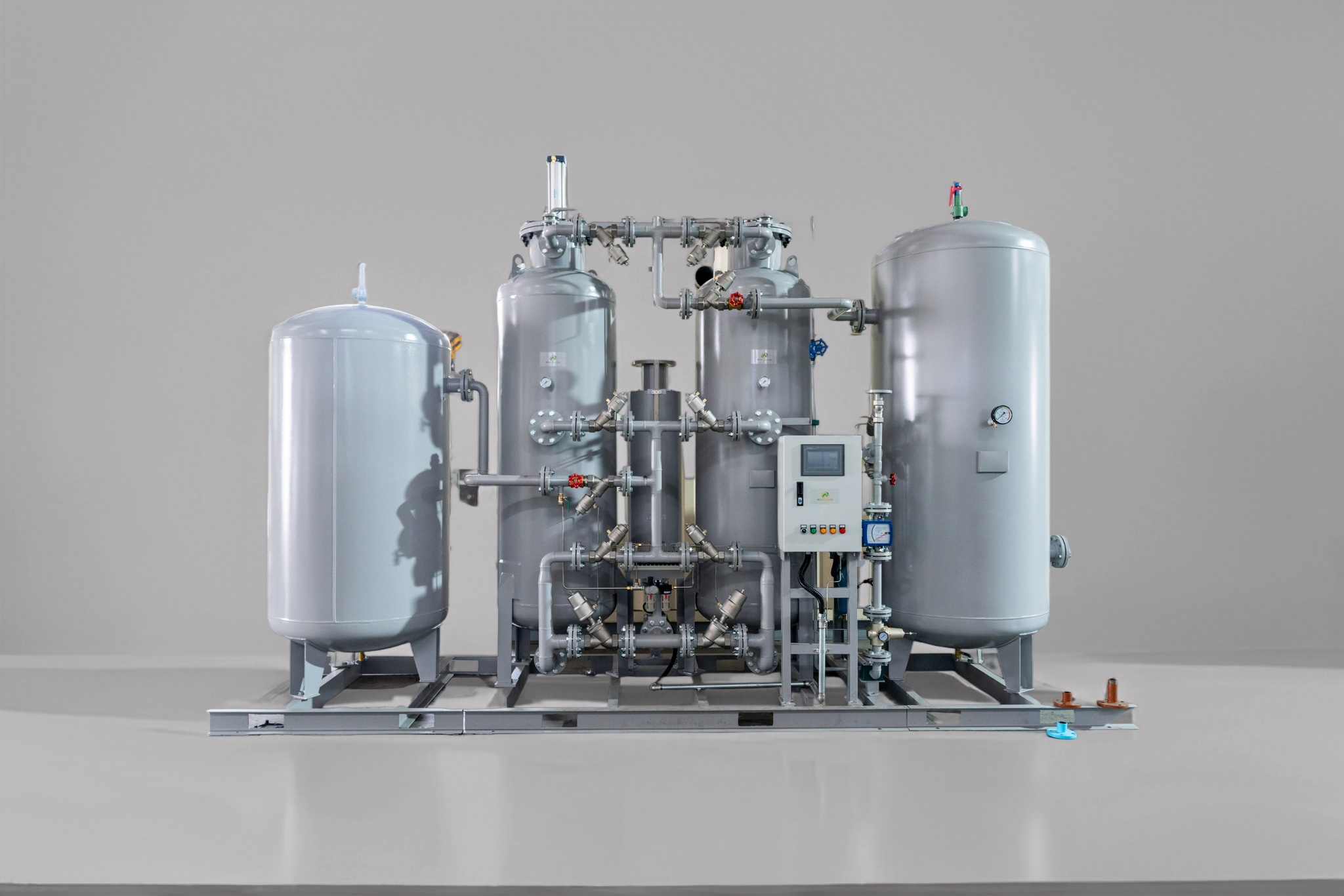
The chemical industry relies heavily on precise atmospheric control to ensure product quality, safety, and operational efficiency. Traditional nitrogen supply methods through cylinder delivery or bulk liquid storage present logistical challenges and cost inefficiencies that modern chemical facilities can no longer afford. On-site nitrogen generation has emerged as a transformative solution, offering chemical manufacturers unprecedented control over their inert gas supply while delivering substantial operational and financial benefits. This technology enables facilities to produce high-purity nitrogen gas directly at their location, eliminating dependency on external suppliers and providing consistent availability for critical processes.
Chemical processing operations require reliable inert gas atmospheres for reactions, storage, and transportation of sensitive materials. On-site nitrogen systems utilize pressure swing adsorption technology to separate nitrogen from ambient air, delivering purities ranging from 95% to 99.999% depending on application requirements. This approach represents a paradigm shift from traditional supply methods, offering chemical facilities greater autonomy and operational flexibility while reducing environmental impact through elimination of transportation requirements.
Enhanced Process Safety and Risk Mitigation
Elimination of Oxygen Contamination Risks
Chemical processes involving flammable solvents, reactive intermediates, and sensitive catalysts demand absolute control over atmospheric composition. On-site nitrogen generation provides continuous inert atmosphere protection, preventing unwanted oxidation reactions that could compromise product quality or create safety hazards. Unlike bottled nitrogen supplies that may experience pressure fluctuations or contamination during handling, on-site systems maintain consistent purity levels throughout the production cycle.
The ability to generate nitrogen on demand eliminates concerns about running out of inert gas during critical operations. Traditional cylinder-based systems pose risks when tanks empty unexpectedly, potentially exposing sensitive processes to atmospheric oxygen. On-site nitrogen ensures uninterrupted protection for batch reactions, distillation operations, and storage tank blanketing applications where oxygen ingress could trigger dangerous exothermic reactions or product degradation.
Reduced Handling and Storage Hazards
Conventional nitrogen delivery methods require handling of heavy cylinders and cryogenic liquids, creating workplace safety risks and requiring specialized training for personnel. On-site nitrogen eliminates these hazards by producing gas at ambient temperature and moderate pressure directly at the point of use. This approach reduces the potential for accidents related to cylinder handling, cryogenic burns, or high-pressure system failures that can occur with traditional supply methods.
Storage of large quantities of nitrogen cylinders or cryogenic vessels also presents fire safety concerns and requires significant floor space allocation. On-site systems occupy minimal footprint while eliminating the need for hazardous material storage permits and associated compliance requirements. The automated operation of modern nitrogen generators reduces human intervention requirements, further minimizing exposure to potential safety risks during normal operations.
Substantial Cost Reduction and Financial Benefits
Elimination of Delivery and Rental Costs
Traditional nitrogen supply involves recurring expenses for gas purchases, cylinder rental fees, and delivery charges that accumulate significantly over time. On-site nitrogen generation transforms these ongoing operational expenses into a one-time capital investment with predictable operating costs limited to electricity consumption and routine maintenance. Chemical facilities typically achieve payback periods of 12-24 months depending on usage volume and local gas pricing.
The economic advantage becomes more pronounced for facilities with high nitrogen consumption rates or those located in remote areas where delivery costs are elevated. On-site nitrogen systems eliminate price volatility associated with purchased gas, providing budget stability and protection against supplier price increases. This cost predictability enables more accurate production costing and improved financial planning for chemical manufacturing operations.
Reduced Waste and Improved Resource Efficiency
Cylinder-based nitrogen supply often results in gas waste due to residual pressure remaining in returned tanks and the need to maintain safety margins during operations. On-site nitrogen generation produces gas only as needed, eliminating waste and optimizing resource utilization. This demand-based production approach aligns perfectly with lean manufacturing principles and sustainability objectives common in modern chemical facilities.
Energy efficiency improvements in modern nitrogen generators have reduced operating costs while maintaining high purity standards. Advanced pressure swing adsorption systems incorporate energy recovery features and optimized cycle timing to minimize electricity consumption per unit of nitrogen produced. These efficiency gains translate directly into reduced operating costs and improved overall process economics for chemical manufacturers.
Operational Flexibility and Process Optimization
Variable Purity and Flow Rate Capabilities
Different chemical processes require varying nitrogen purity levels and flow rates depending on their specific applications. Catalyst protection may require ultra-high purity nitrogen exceeding 99.99%, while tank blanketing applications may operate effectively with 95-98% purity gas. On-site nitrogen systems can be configured to deliver multiple purity grades simultaneously or adjusted to meet changing process requirements without supply chain constraints.
Modern nitrogen generators incorporate advanced control systems that automatically adjust production parameters based on downstream demand. This capability enables chemical facilities to optimize gas quality for each application while minimizing energy consumption. The ability to modify operating conditions in real-time provides operational flexibility that cannot be achieved with pre-packaged gas supplies, allowing process engineers to fine-tune atmospheric conditions for optimal reaction outcomes.
Integration with Process Control Systems
Contemporary on-site nitrogen systems feature sophisticated monitoring and control interfaces that integrate seamlessly with existing distributed control systems used in chemical facilities. This integration enables automated startup and shutdown sequences, remote monitoring capabilities, and predictive maintenance scheduling based on operational parameters. The real-time data provided by these systems supports process optimization initiatives and regulatory compliance documentation requirements.
Advanced diagnostics capabilities built into modern nitrogen generators provide early warning of potential issues before they impact production operations. These predictive maintenance features help chemical facilities avoid unplanned downtime while optimizing maintenance scheduling to minimize production disruption. The ability to trend performance data over time enables continuous improvement of nitrogen utilization efficiency and overall process optimization.
Environmental Sustainability and Corporate Responsibility
Reduced Carbon Footprint Through Local Production
Transportation of nitrogen cylinders and cryogenic liquids generates significant carbon emissions through repeated delivery trips and the energy-intensive production processes required for liquid nitrogen manufacturing. On-site nitrogen production eliminates transportation-related emissions while reducing overall energy consumption through elimination of liquefaction and vaporization processes. This environmental benefit aligns with corporate sustainability initiatives and regulatory pressure for reduced greenhouse gas emissions.
The carbon footprint reduction achieved through on-site nitrogen generation becomes more significant as facilities increase their usage volumes. Large chemical plants that previously required multiple daily deliveries can eliminate hundreds of truck trips annually, representing substantial emissions reductions and contributing to improved air quality in industrial areas. These environmental benefits often support regulatory compliance and may qualify facilities for carbon credit programs or sustainability certifications.
Waste Reduction and Circular Economy Benefits
Traditional nitrogen supply methods generate waste through empty cylinder returns, packaging materials, and residual gas losses during handling and storage. On-site nitrogen eliminates these waste streams by producing gas directly from ambient air without consumable materials or packaging requirements. This waste reduction supports circular economy principles and reduces the overall environmental impact of chemical manufacturing operations.
The elimination of nitrogen storage requirements also reduces the environmental impact associated with container manufacturing, transportation, and end-of-life disposal. Modern nitrogen generators are designed for long service life with recyclable components, further minimizing environmental impact over their operational lifetime. These sustainability benefits increasingly influence purchasing decisions as chemical companies face pressure from stakeholders to demonstrate environmental responsibility.
Reliability and Business Continuity Advantages
Elimination of Supply Chain Vulnerabilities
Chemical manufacturing operations face significant risks from supply chain disruptions that can halt production and compromise product quality. Weather events, transportation strikes, supplier capacity constraints, and other external factors regularly impact traditional nitrogen delivery schedules. On-site nitrogen generation provides complete independence from these supply chain vulnerabilities, ensuring continuous gas availability regardless of external circumstances.
The COVID-19 pandemic highlighted the importance of supply chain resilience, with many chemical facilities experiencing delays and shortages in gas deliveries. On-site nitrogen systems enable facilities to maintain operations during crisis situations while avoiding the panic purchasing and inflated pricing that often accompany supply shortages. This reliability advantage provides peace of mind for facility managers and supports business continuity planning initiatives.
Improved Production Scheduling Flexibility
Traditional nitrogen supply methods require advance planning and coordination with suppliers to ensure adequate inventory levels for production campaigns. On-site nitrogen enables chemical facilities to respond quickly to changing market demands or rush orders without concern for gas availability constraints. This flexibility provides competitive advantages in dynamic markets where rapid response to customer requirements differentiates successful operations.
The ability to produce nitrogen on demand also supports lean manufacturing initiatives by eliminating inventory carrying costs and storage space requirements associated with cylinder banks or bulk storage vessels. Production schedules can be optimized based on market demand and raw material availability without consideration of nitrogen supply logistics, enabling more efficient facility utilization and improved customer service levels.
FAQ
What purity levels can on-site nitrogen systems achieve for chemical applications
Modern on-site nitrogen systems utilizing pressure swing adsorption technology can deliver purity levels ranging from 95% to 99.999% depending on configuration and application requirements. Chemical processes typically require purities between 99% and 99.9%, while specialized applications such as catalyst protection or semiconductor manufacturing may need ultra-high purity levels exceeding 99.99%. The system can be customized to meet specific purity requirements while optimizing energy consumption and operating costs.
How much space does an on-site nitrogen generator require compared to traditional storage
On-site nitrogen generators typically require 50-75% less floor space compared to equivalent cylinder storage capacity. A system capable of producing 1000 cubic meters per day of nitrogen occupies approximately 15-20 square meters, while storing equivalent cylinder inventory would require 40-60 square meters including safe handling clearances. The compact design of modern generators allows installation in existing production areas without major facility modifications, often utilizing previously unusable vertical space.
What is the typical payback period for investing in on-site nitrogen generation
Payback periods for on-site nitrogen systems typically range from 12 to 36 months depending on usage volume, local gas pricing, and delivery costs. High-volume users often achieve payback in 12-18 months, while moderate users may require 24-30 months to recover their investment. Facilities located in remote areas with high delivery charges generally experience shorter payback periods due to the elimination of transportation costs. Operating cost savings continue throughout the system's 15-20 year service life, providing substantial long-term financial benefits.
How reliable are on-site nitrogen systems compared to delivered gas supplies
Modern on-site nitrogen systems achieve availability rates exceeding 99% through redundant components, automated monitoring, and predictive maintenance capabilities. This reliability typically exceeds traditional delivery methods that face risks from transportation delays, supplier capacity constraints, and inventory management issues. Most systems include backup capabilities and can be configured with redundant compressors or adsorber vessels to ensure continuous operation even during maintenance activities. Remote monitoring and diagnostic capabilities enable proactive maintenance scheduling to prevent unplanned downtime.
Table of Contents
- Enhanced Process Safety and Risk Mitigation
- Substantial Cost Reduction and Financial Benefits
- Operational Flexibility and Process Optimization
- Environmental Sustainability and Corporate Responsibility
- Reliability and Business Continuity Advantages
-
FAQ
- What purity levels can on-site nitrogen systems achieve for chemical applications
- How much space does an on-site nitrogen generator require compared to traditional storage
- What is the typical payback period for investing in on-site nitrogen generation
- How reliable are on-site nitrogen systems compared to delivered gas supplies