 EN
EN

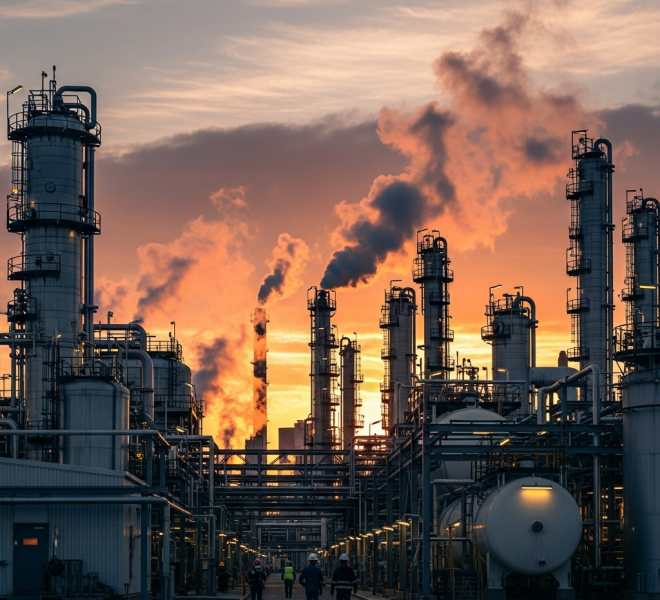
Industrial nitrogen production has become a cornerstone of modern manufacturing, with various plant configurations offering distinct advantages for different operational requirements. The selection of an appropriate industrial nitrogen plant depends on factors including production capacity, purity requirements, energy efficiency, and capital investment considerations. Understanding the fundamental differences between available nitrogen generation technologies enables facility managers and engineers to make informed decisions that align with their specific industrial applications and long-term operational goals.
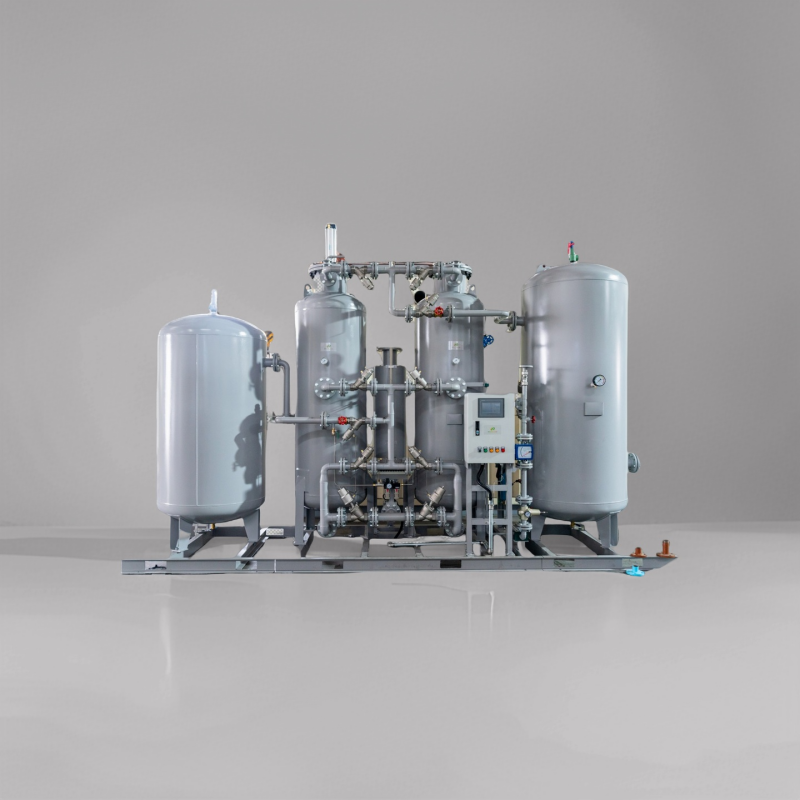
Pressure Swing Adsorption Technology
Core Operational Principles
Pressure swing adsorption represents one of the most widely adopted technologies for on-site nitrogen generation in industrial applications. This process utilizes carbon molecular sieve materials to selectively adsorb oxygen molecules while allowing nitrogen to pass through under specific pressure conditions. The cyclical nature of PSA systems involves pressurization and depressurization phases that regenerate the adsorbent material, ensuring continuous nitrogen production without the need for external heating or cooling systems.
The efficiency of PSA nitrogen plants stems from their ability to operate at ambient temperatures while maintaining consistent output quality. Modern PSA systems incorporate advanced control algorithms that optimize cycle timing based on demand patterns, resulting in improved energy efficiency and extended equipment lifespan. These plants typically achieve nitrogen purities ranging from 95% to 99.999%, making them suitable for diverse industrial applications including food packaging, electronics manufacturing, and chemical processing.
Performance Characteristics and Applications
PSA nitrogen generators demonstrate exceptional flexibility in meeting varying production demands through modular design configurations. The scalability of these systems allows facilities to expand capacity incrementally without significant infrastructure modifications. Operating costs remain predictable due to the absence of consumable chemicals or catalysts, with primary maintenance requirements focusing on periodic replacement of molecular sieve materials and routine system calibration.
Energy consumption patterns in PSA plants correlate directly with production rates, enabling cost-effective operation during periods of reduced demand. The rapid startup and shutdown capabilities make PSA technology particularly suitable for facilities with intermittent nitrogen requirements. Additionally, the compact footprint of modern PSA systems facilitates installation in space-constrained environments while maintaining full operational capabilities.
Membrane Separation Systems
Technological Framework
Membrane-based nitrogen generation employs selective permeation principles to separate nitrogen from compressed air streams. Hollow fiber membranes constructed from specialized polymeric materials allow smaller gas molecules like oxygen, water vapor, and carbon dioxide to permeate through membrane walls at faster rates than nitrogen molecules. This differential permeation creates a nitrogen-enriched product stream while removing unwanted components through the permeate side of the system.
The simplicity of membrane nitrogen plants makes them attractive for applications requiring moderate nitrogen purities with minimal operational complexity. These systems operate continuously without cycling components, resulting in steady-state production that eliminates pressure fluctuations common in other nitrogen generation technologies. Membrane plants typically produce nitrogen with purities ranging from 95% to 99.5%, suitable for applications including inerting, blanketing, and purging operations.
Operational Advantages and Considerations
Membrane nitrogen generators offer exceptional reliability due to their lack of moving parts within the separation process. The absence of adsorbent materials eliminates regeneration cycles and associated energy consumption peaks. Maintenance requirements are minimal, primarily involving periodic replacement of pre-filtration components and routine inspection of membrane modules. The modular nature of membrane systems enables parallel operation configurations that provide redundancy and enhanced system availability.
Economic considerations for membrane plants include lower initial capital investment compared to other nitrogen generation technologies, making them particularly attractive for smaller-scale applications. Operating efficiency depends significantly on inlet air quality, requiring comprehensive pre-treatment systems to protect membrane integrity. The linear relationship between feed air pressure and nitrogen recovery rates allows operators to optimize performance based on specific purity and flow requirements.
Cryogenic Air Separation
Distillation Process Overview
Cryogenic air separation represents the most established technology for large-scale nitrogen production, utilizing the different boiling points of atmospheric gases to achieve separation through fractional distillation. The process involves cooling compressed air to extremely low temperatures, typically below -180°C, causing sequential liquefaction of air components. Advanced distillation columns then separate liquid air into high-purity nitrogen, oxygen, and argon products through precise temperature and pressure control.
Modern cryogenic plants incorporate sophisticated heat integration systems that recover energy from product streams to improve overall process efficiency. The ability to produce multiple air gas products simultaneously provides economic advantages for facilities with diverse gas requirements. Cryogenic nitrogen plants consistently achieve purities exceeding 99.999%, making them essential for applications requiring ultra-high-purity nitrogen such as semiconductor manufacturing and pharmaceutical production.
Scale and Economic Considerations
The economic viability of cryogenic nitrogen production increases significantly with plant capacity, making this technology ideal for large-industrial complexes and merchant gas suppliers. Capital investment requirements are substantial due to the complexity of cryogenic equipment and associated infrastructure including specialized insulation, safety systems, and product storage facilities. Operating costs benefit from economies of scale, with per-unit production costs decreasing as plant capacity increases.
Cryogenic plants demonstrate exceptional energy efficiency for high-volume production scenarios, particularly when integrated with combined heat and power systems or other industrial processes requiring waste heat utilization. The continuous operation characteristics of cryogenic systems provide stable nitrogen supply for critical applications where supply interruption could result in significant economic losses. Additionally, the ability to store liquid nitrogen enables strategic inventory management and supply security during maintenance periods or unexpected demand spikes.
Comparative Analysis and Selection Criteria
Capacity and Purity Requirements
Selection of an appropriate industrial nitrogen plant requires careful evaluation of production capacity requirements and purity specifications. PSA technology excels in mid-range applications requiring 99% to 99.999% nitrogen purity with production rates from 1 to 10,000 cubic meters per hour. Membrane systems optimize performance for lower purity applications up to 99.5% nitrogen content, particularly suitable for production rates below 1,000 cubic meters per hour.
Cryogenic plants become economically advantageous for large-scale operations exceeding 10,000 cubic meters per hour, especially when ultra-high purity nitrogen above 99.999% is required. The relationship between plant capacity and technology selection involves complex economic calculations considering capital costs, operating expenses, and long-term maintenance requirements. Facility-specific factors including available utilities, space constraints, and operational staffing capabilities significantly influence the optimal technology choice.
Economic and Environmental Factors
Total cost of ownership calculations must encompass initial capital investment, ongoing operational expenses, maintenance costs, and equipment lifecycle considerations. PSA plants typically demonstrate favorable economics for medium-scale applications with payback periods ranging from 2 to 4 years compared to delivered nitrogen costs. Membrane systems offer lower initial investment requirements but may exhibit higher per-unit production costs for continuous high-volume operations.
Environmental considerations increasingly influence technology selection decisions, with on-site nitrogen generation reducing transportation-related emissions compared to delivered nitrogen supply. Energy efficiency varies significantly between technologies, with modern PSA and membrane systems offering improved power consumption characteristics compared to older designs. Life cycle assessments should include equipment manufacturing impacts, operational energy consumption, and end-of-life disposal considerations to provide comprehensive environmental evaluation frameworks.
Implementation and Integration Strategies
System Design Considerations
Successful implementation of industrial nitrogen plants requires comprehensive integration planning that addresses existing facility infrastructure and future expansion possibilities. Electrical supply requirements vary significantly between technologies, with PSA systems requiring intermittent high-power consumption during compression phases while membrane systems demonstrate steady electrical demand patterns. Compressed air quality specifications must align with chosen nitrogen generation technology to ensure optimal performance and equipment longevity.
Control system integration enables seamless coordination between nitrogen production and end-use applications through automated demand response capabilities. Modern nitrogen plants incorporate advanced monitoring systems that provide real-time performance data, predictive maintenance alerts, and remote diagnostic capabilities. The integration of nitrogen generation with existing plant automation systems requires careful consideration of communication protocols, safety interlocks, and operational procedures.
Installation and Commissioning
Project execution phases for nitrogen plant installation involve detailed site preparation, equipment installation, and comprehensive commissioning procedures. Site preparation requirements differ substantially between technologies, with cryogenic plants requiring extensive civil work and specialized foundations while PSA and membrane systems can often utilize standard industrial flooring. Utility connections including electrical supply, cooling water, and compressed air must be properly sized and configured to support optimal plant operation.
Commissioning procedures ensure proper system operation through systematic testing of all components and control systems. Performance verification testing confirms that installed equipment meets specified capacity, purity, and efficiency requirements under various operating conditions. Operator training programs provide essential knowledge for safe and efficient plant operation, covering normal operating procedures, maintenance requirements, troubleshooting techniques, and emergency response protocols.
FAQ
What factors determine the optimal industrial nitrogen plant technology for a specific application
The selection of optimal nitrogen plant technology depends on several critical factors including required production capacity, desired nitrogen purity levels, available capital investment, and operational preferences. Facilities requiring nitrogen flows below 1,000 cubic meters per hour with purities up to 99.5% often find membrane technology most cost-effective. PSA systems excel for medium-scale applications requiring 99% to 99.999% purity with production rates between 1,000 and 10,000 cubic meters per hour. Cryogenic plants become economically advantageous for large-scale operations exceeding 10,000 cubic meters per hour, particularly when ultra-high purity above 99.999% is essential.
How do operating costs compare between different nitrogen plant technologies
Operating costs vary significantly between nitrogen plant technologies based on energy consumption patterns, maintenance requirements, and production efficiency. PSA plants typically exhibit moderate energy consumption with predictable maintenance costs primarily involving molecular sieve replacement every 5-7 years. Membrane systems demonstrate lower maintenance costs but may have higher energy consumption per unit of nitrogen produced. Cryogenic plants show excellent energy efficiency for large-scale production but require specialized maintenance expertise and higher staffing requirements. Overall operating costs should be evaluated based on total cost of ownership including energy, maintenance, and operational labor expenses.
What maintenance requirements should be expected for different industrial nitrogen plant types
Maintenance requirements differ substantially between nitrogen generation technologies based on their operational principles and component complexity. PSA plants require periodic replacement of molecular sieve materials, routine calibration of control systems, and standard compressor maintenance. Membrane systems need minimal maintenance primarily involving pre-filter replacement and periodic inspection of membrane modules. Cryogenic plants demand comprehensive maintenance programs including specialized equipment servicing, regular safety system testing, and detailed inspection of cryogenic components. Preventive maintenance schedules should be tailored to specific equipment manufacturers' recommendations and actual operating conditions.
How quickly can different nitrogen plant technologies respond to changing demand patterns
Response characteristics to demand fluctuations vary considerably between nitrogen generation technologies based on their operational principles and control capabilities. PSA systems offer excellent demand response with the ability to adjust production rates within minutes through cycle timing modifications and automatic start-stop capabilities. Membrane plants provide steady-state production with moderate response times achievable through flow control valve adjustments. Cryogenic plants typically operate at constant production rates with limited short-term flexibility, requiring nitrogen storage systems to accommodate demand variations. Facilities with highly variable nitrogen requirements should consider technologies offering superior turndown ratios and rapid response capabilities.
Table of Contents
- Pressure Swing Adsorption Technology
- Membrane Separation Systems
- Cryogenic Air Separation
- Comparative Analysis and Selection Criteria
- Implementation and Integration Strategies
-
FAQ
- What factors determine the optimal industrial nitrogen plant technology for a specific application
- How do operating costs compare between different nitrogen plant technologies
- What maintenance requirements should be expected for different industrial nitrogen plant types
- How quickly can different nitrogen plant technologies respond to changing demand patterns