 EN
EN

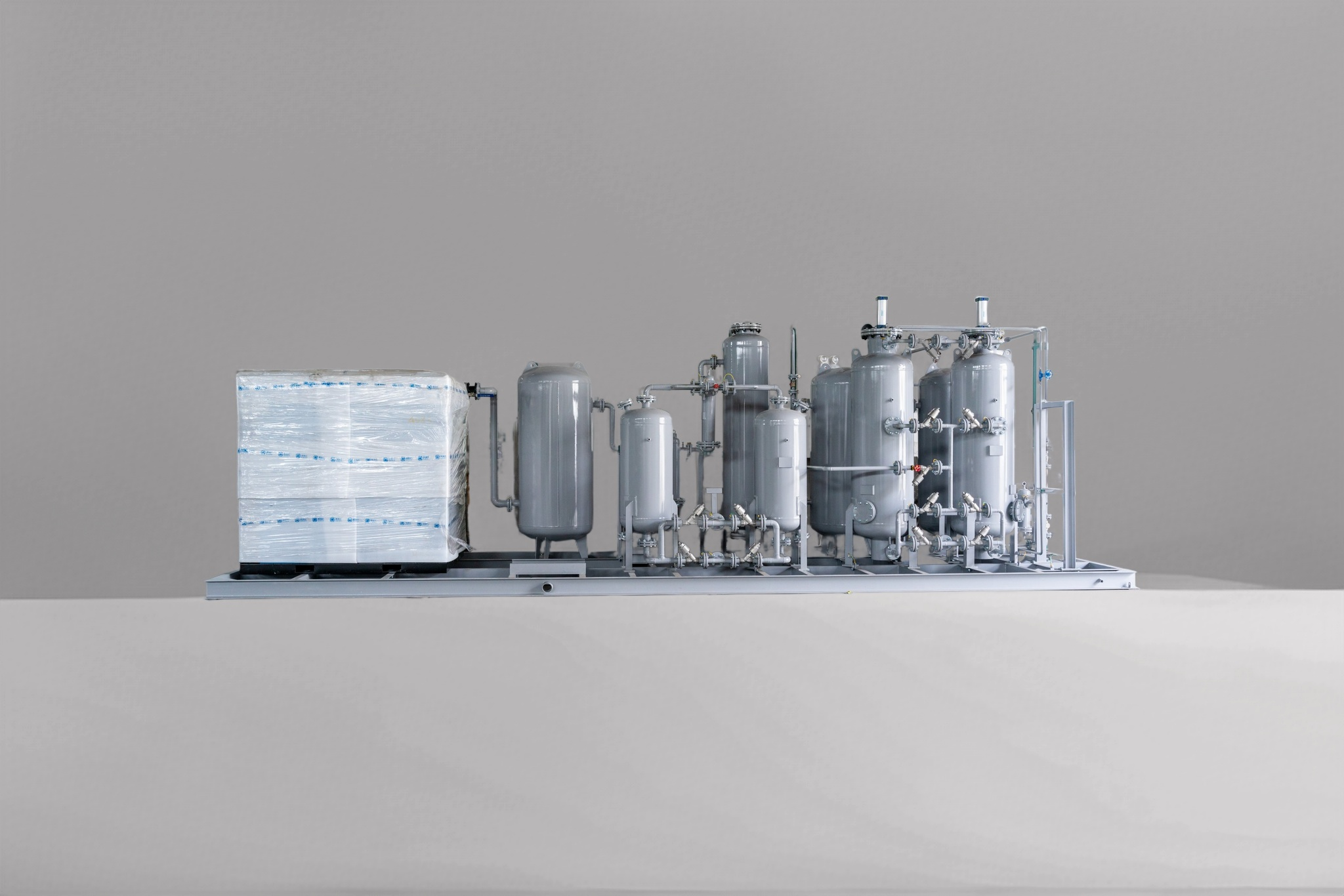
Understanding nitrogen plant cost is essential for industrial facilities seeking to optimize their gas supply strategy and achieve long-term operational efficiency. Manufacturing companies across pharmaceuticals, electronics, food processing, and chemical industries face mounting pressure to reduce operational expenses while maintaining consistent nitrogen quality and supply reliability. The decision to invest in an on-site nitrogen generation system requires comprehensive financial analysis that extends beyond initial capital expenditure to encompass total cost of ownership, operational savings, and return on investment calculations.
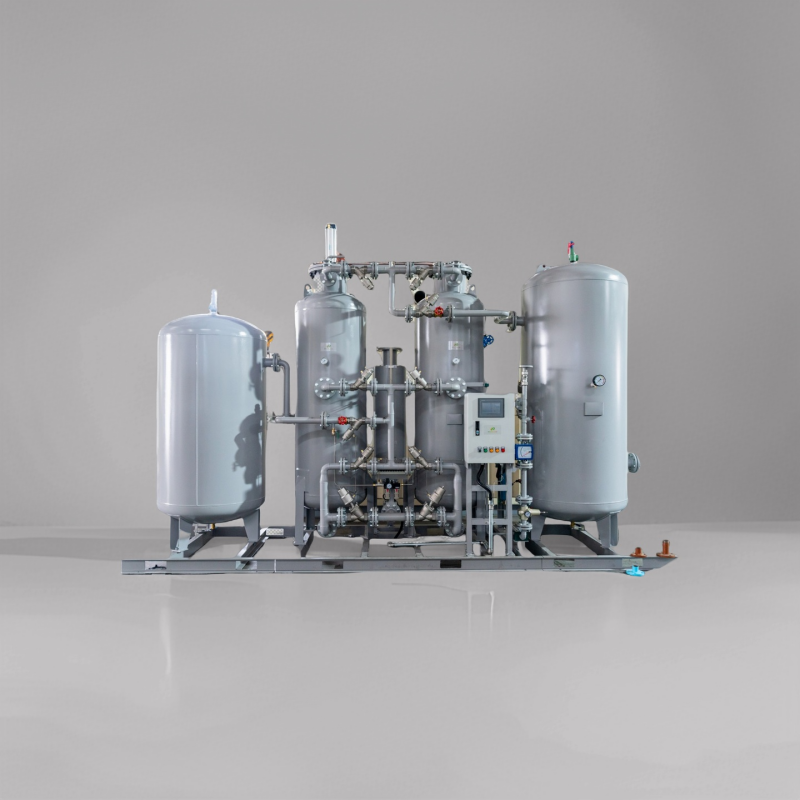
The nitrogen generation market has evolved significantly over the past decade, with technological advancements reducing both capital costs and operational complexity. Modern pressure swing adsorption systems and membrane-based solutions offer scalable alternatives to traditional liquid nitrogen delivery, enabling facilities to achieve greater cost predictability and supply independence. Evaluating nitrogen plant cost requires examining multiple variables including production capacity, purity requirements, energy consumption, maintenance schedules, and facility-specific installation considerations that influence overall project economics.
Capital Investment Components
Equipment Procurement Expenses
The primary component of nitrogen plant cost encompasses the generation equipment itself, which varies significantly based on technology selection and production requirements. Pressure swing adsorption systems typically represent the largest capital expenditure, with costs ranging from moderate investments for smaller capacity units to substantial investments for high-volume industrial applications. Equipment pricing reflects factors such as nitrogen purity specifications, flow rate requirements, automated control systems, and redundancy features that ensure continuous operation during maintenance cycles.
Additional equipment costs include air compressors, filtration systems, storage tanks, and distribution networks that complete the nitrogen generation infrastructure. Quality air compressors are essential for PSA system performance, while advanced filtration removes contaminants that could compromise nitrogen purity or damage downstream equipment. Storage tank sizing depends on consumption patterns and desired supply security, with larger tanks providing greater operational flexibility during peak demand periods or equipment maintenance windows.
Installation and Infrastructure Development
Installation costs represent a significant portion of total nitrogen plant cost, encompassing site preparation, utility connections, piping networks, and electrical infrastructure required for system operation. Professional installation ensures optimal equipment performance and compliance with safety regulations, while proper foundation design and ventilation systems protect equipment investment and maintain operational reliability. Electrical requirements include dedicated power feeds, control panels, and monitoring systems that enable automated operation and remote performance tracking.
Infrastructure development costs vary based on existing facility conditions, distance from installation site to consumption points, and local building codes that govern industrial gas system installations. Facilities with existing compressed air systems may achieve cost savings through shared infrastructure utilization, while greenfield installations require comprehensive utility planning and coordination with local service providers to ensure adequate power supply and regulatory compliance throughout the installation process.
Operational Cost Evaluation
Energy Consumption Analysis
Energy costs constitute the primary operational expense for nitrogen generation systems, making power consumption analysis critical for accurate cost projections and ROI calculations. Modern PSA nitrogen generators demonstrate improved energy efficiency compared to older technologies, with specific power consumption varying based on nitrogen purity requirements and system loading conditions. Higher purity specifications require additional separation stages that increase energy consumption, while optimized loading patterns maximize efficiency and reduce per-unit production costs.
Electricity pricing structures significantly impact operational economics, with time-of-use rates and demand charges influencing optimal operating schedules and capacity sizing decisions. Facilities with variable nitrogen consumption patterns benefit from systems designed to modulate production based on real-time demand, reducing energy waste during low-consumption periods. Advanced control systems optimize compressor operation and minimize energy consumption while maintaining consistent nitrogen supply pressure and purity specifications required for specific applications.
Maintenance and Service Requirements
Preventive maintenance costs form an essential component of nitrogen plant cost analysis, encompassing routine service intervals, component replacement schedules, and emergency repair contingencies that ensure continuous operation. Regular maintenance includes air filter replacement, molecular sieve regeneration, valve servicing, and performance monitoring that extends equipment life and maintains production efficiency. Service contracts provide predictable maintenance costs while ensuring access to qualified technicians and genuine replacement parts that preserve equipment warranty coverage.
Component replacement schedules depend on operating conditions, usage patterns, and environmental factors that influence wear rates and service intervals. Critical components such as molecular sieves, control valves, and sensors require periodic replacement to maintain system performance and prevent production disruptions. Establishing appropriate maintenance reserves and spare parts inventory ensures operational continuity while controlling long-term service costs through planned replacement schedules rather than reactive emergency repairs.
Return on Investment Calculations
Cost Comparison with Liquid Nitrogen Supply
Comparing nitrogen plant cost against liquid nitrogen supply expenses reveals significant long-term savings potential for facilities with consistent nitrogen consumption patterns. Liquid nitrogen pricing includes base product costs, delivery charges, tank rental fees, and administrative expenses that accumulate over time. On-site generation eliminates delivery dependencies, reduces handling risks, and provides cost stability independent of commodity price fluctuations or supply chain disruptions that affect delivered nitrogen pricing.
Break-even analysis typically demonstrates cost recovery within two to four years for facilities consuming moderate to high nitrogen volumes, with ongoing operational savings continuing throughout equipment service life. Factors influencing payback periods include current liquid nitrogen consumption costs, system utilization rates, energy pricing, and financing arrangements that affect cash flow timing. Higher consumption facilities achieve faster payback through economies of scale, while consistent usage patterns maximize return on investment through predictable operational savings.
Financial Modeling and Payback Analysis
Comprehensive financial modeling incorporates all cost components including initial capital investment, installation expenses, ongoing operational costs, and maintenance requirements to calculate net present value and internal rate of return. Accurate modeling considers inflation effects, energy cost escalation, equipment depreciation, and tax implications that influence true project economics. Sensitivity analysis evaluates how changes in key variables such as energy prices, utilization rates, or maintenance costs affect overall project returns and investment attractiveness.
Cash flow projections demonstrate monthly and annual cost savings compared to liquid nitrogen supply, highlighting cumulative savings growth over equipment service life. Financial analysis should include opportunity costs of capital investment, potential production capacity increases enabled by reliable nitrogen supply, and risk mitigation benefits from supply independence. Conservative modeling approaches account for periodic major maintenance expenses and equipment replacement reserves that ensure sustainable long-term operations and continued cost advantages.
Technology Selection Impact on Costs
Pressure Swing Adsorption Systems
PSA nitrogen generation technology offers excellent balance between capital costs, operational efficiency, and reliability for most industrial applications. System costs scale relatively predictably with capacity requirements, while modular designs enable phased expansion to match growing nitrogen demand without major infrastructure modifications. PSA systems demonstrate consistent performance across wide operating ranges, with automated control systems optimizing production based on real-time consumption patterns and maintaining specified purity levels throughout varying load conditions.
Advanced PSA designs incorporate energy recovery features, intelligent sequencing algorithms, and predictive maintenance capabilities that reduce operational costs and extend service intervals. System reliability improvements minimize production disruptions and emergency service costs, while standardized component designs facilitate maintenance planning and spare parts management. Technology selection should consider long-term service availability, manufacturer support capabilities, and upgrade potential that protects equipment investment and ensures continued operational efficiency.
Membrane Separation Technology
Membrane nitrogen generators present alternative cost structures with lower capital investment requirements but different operational characteristics compared to PSA systems. Membrane technology offers simplicity advantages with fewer moving parts and reduced maintenance complexity, while providing consistent nitrogen production without cycling operations that characterize PSA systems. Initial equipment costs are typically lower for moderate capacity applications, making membrane systems attractive for facilities with lower nitrogen consumption requirements or budget constraints that prioritize reduced capital investment.
Operational considerations include higher energy consumption per unit of nitrogen produced and limited purity capabilities compared to PSA technology. Membrane systems require consistent compressed air supply and demonstrate sensitivity to contamination that necessitates robust filtration systems. Cost analysis should evaluate total system requirements including compressor sizing, filtration infrastructure, and energy consumption patterns to determine optimal technology selection based on specific application requirements and long-term operational objectives.
Capacity Planning and Sizing Considerations
Production Capacity Optimization
Accurate capacity sizing directly impacts nitrogen plant cost through equipment selection, energy consumption, and operational efficiency optimization. Oversized systems increase capital costs and reduce energy efficiency during typical operating conditions, while undersized systems may require supplemental nitrogen supply during peak demand periods. Comprehensive demand analysis should evaluate current consumption patterns, planned production increases, and seasonal variations that influence peak capacity requirements and system utilization rates.
Modular system designs provide flexibility to match capacity with actual requirements while enabling future expansion without major equipment replacement. Initial sizing should consider growth projections, backup capacity requirements, and maintenance redundancy that ensures continuous nitrogen supply during scheduled service intervals. Proper sizing optimization balances capital investment with operational efficiency, ensuring systems operate within optimal efficiency ranges while providing adequate capacity reserves for demand fluctuations and emergency situations.
Purity Requirements and Cost Implications
Nitrogen purity specifications significantly influence system design complexity and operational costs, with higher purity requirements demanding additional processing stages and energy consumption. Standard commercial purity levels sufficient for most applications offer optimal cost-effectiveness, while ultra-high purity specifications require specialized equipment and increased operational complexity. Application analysis should determine actual purity requirements rather than specifying unnecessarily high levels that increase system costs without operational benefits.
Multi-grade systems provide cost optimization opportunities for facilities requiring different purity levels for various applications, enabling production of lower-cost nitrogen for general applications while maintaining high-purity output for critical processes. System design should incorporate purity monitoring and control capabilities that ensure consistent quality while optimizing energy consumption based on actual application requirements. Flexibility to adjust purity levels enables operational optimization and cost reduction when application requirements change over time.
Installation and Commissioning Factors
Site Preparation Requirements
Proper site preparation ensures optimal system performance and minimizes installation costs through careful planning and coordination with facility infrastructure requirements. Site selection should consider access for equipment delivery, utility availability, ventilation requirements, and maintenance accessibility that influence long-term operational costs. Adequate space allocation enables proper equipment layout, service access, and potential future expansion without major facility modifications or additional construction expenses.
Environmental considerations including temperature control, humidity management, and contamination prevention affect equipment performance and service life. Indoor installations require ventilation systems for heat removal and air quality management, while outdoor installations need weather protection and freeze prevention measures. Site preparation costs vary significantly based on existing facility conditions, required modifications, and local building codes that govern industrial gas system installations and safety requirements.
Commissioning and Startup Procedures
Professional commissioning ensures optimal system performance from initial startup and validates design specifications under actual operating conditions. Commissioning procedures include equipment testing, performance verification, operator training, and documentation review that establishes proper operating procedures and maintenance schedules. Proper commissioning reduces long-term operational costs through optimized system settings, preventive maintenance planning, and operator competency development that prevents operational errors and equipment damage.
Startup support services typically include initial operation supervision, performance optimization, troubleshooting assistance, and documentation of operating parameters that serve as baseline references for ongoing performance monitoring. Investment in comprehensive commissioning and training reduces operational risks, extends equipment life, and ensures systems achieve projected performance specifications that justify capital investment decisions and support projected return calculations.
FAQ
What factors most significantly impact nitrogen plant cost
The most significant cost factors include production capacity requirements, nitrogen purity specifications, technology selection, and installation complexity. Larger capacity systems demonstrate better economies of scale but require higher initial investment, while ultra-high purity requirements increase equipment complexity and operational costs. Site-specific factors such as utility availability, space constraints, and environmental conditions also influence total project costs significantly.
How long does it typically take to recover nitrogen plant investment
Payback periods typically range from 18 months to 4 years depending on nitrogen consumption volume, current supply costs, and system utilization rates. Facilities consuming large nitrogen volumes with consistent usage patterns achieve faster payback through greater operational savings, while lower consumption facilities may require longer periods to recover initial investment. Energy costs, maintenance expenses, and financing terms also influence actual payback timing.
What ongoing costs should be budgeted for nitrogen plant operation
Primary ongoing costs include electricity for compressor operation, routine maintenance including filter replacement and molecular sieve regeneration, and periodic component replacement based on service intervals. Annual operating costs typically represent 10-20% of initial capital investment, with energy consumption comprising the largest operational expense. Establishing maintenance reserves and spare parts inventory helps control long-term service costs.
Can nitrogen plants be expanded to meet growing demand
Most modern nitrogen generation systems offer modular expansion capabilities that enable capacity increases without replacing existing equipment. Parallel system installation provides redundancy benefits while increasing total production capacity, and upgraded control systems can optimize operation across multiple units. Planning for future expansion during initial installation reduces modification costs and ensures adequate space and utility capacity for system growth.