 EN
EN
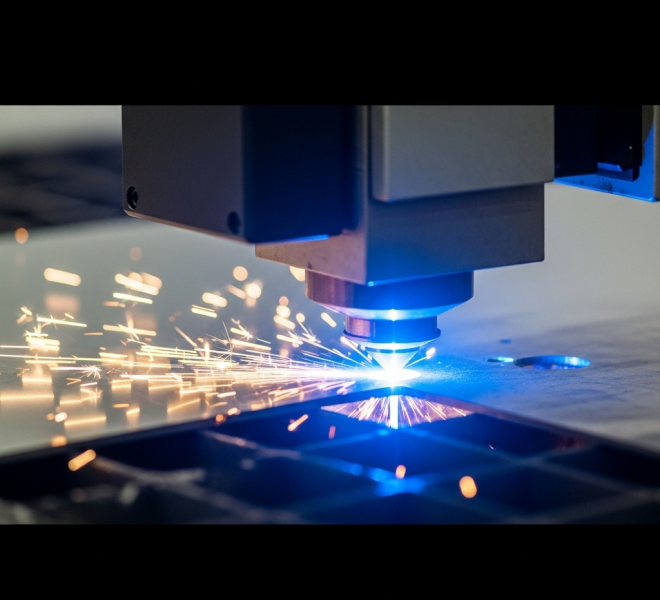
Industrial facilities across manufacturing, electronics, and chemical processing sectors rely on continuous nitrogen supply for critical operations. A pressure swing adsorption nitrogen generator represents one of the most efficient and cost-effective solutions for on-site nitrogen production. This technology eliminates dependency on delivered nitrogen cylinders or bulk liquid nitrogen, providing businesses with greater operational control and significant long-term cost savings.
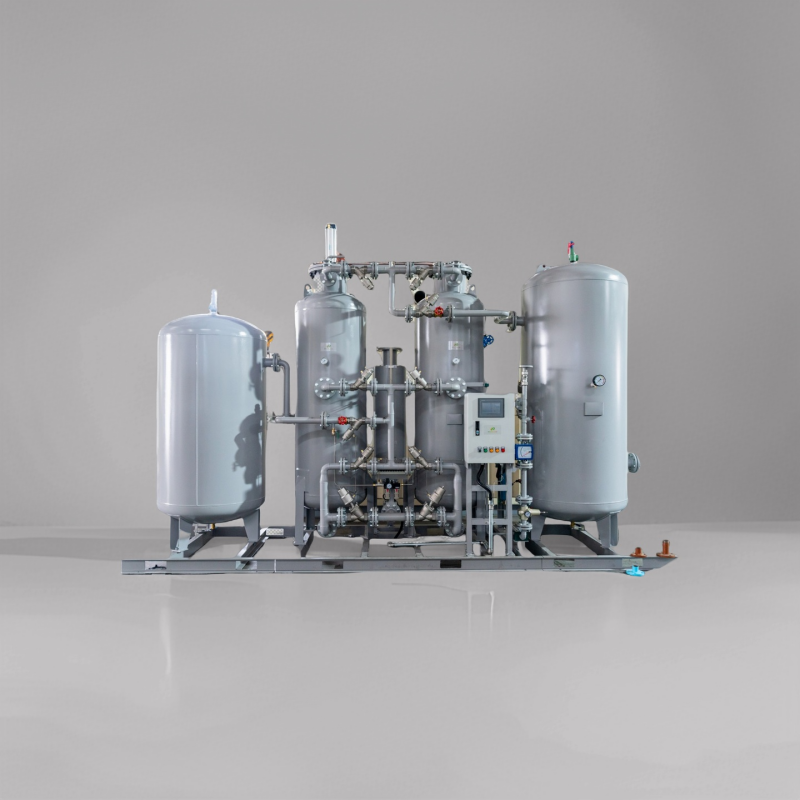
Understanding the fundamental principles and key selection criteria for nitrogen generators enables informed decision-making that aligns with specific operational requirements. The technology leverages molecular sieves to separate nitrogen from compressed air, delivering high-purity nitrogen gas on demand. Modern systems offer exceptional reliability, minimal maintenance requirements, and customizable output specifications to match diverse industrial applications.
Selecting the optimal nitrogen generation system requires careful evaluation of multiple technical and operational factors. This comprehensive guide examines essential considerations, from purity requirements and flow rates to energy efficiency and total cost of ownership, empowering facility managers and engineers to make strategic investments in nitrogen generation technology.
Understanding Pressure Swing Adsorption Technology
Core Operating Principles
Pressure swing adsorption technology operates through a cyclical process that separates nitrogen from compressed air using specialized carbon molecular sieves. The system contains multiple adsorption towers filled with molecular sieve material that preferentially adsorbs oxygen, water vapor, and other trace gases while allowing nitrogen molecules to pass through. During the adsorption phase, compressed air enters the tower under pressure, and the molecular sieve captures unwanted components.
The regeneration phase occurs when pressure is reduced, causing the molecular sieve to release the adsorbed gases back into the atmosphere. This cyclical process between high-pressure adsorption and low-pressure regeneration enables continuous nitrogen production. Advanced control systems coordinate the switching between multiple towers to ensure uninterrupted nitrogen flow while maintaining consistent purity levels.
Modern pressure swing adsorption systems incorporate sophisticated valve sequencing and pressure monitoring to optimize performance and extend molecular sieve lifespan. The technology achieves nitrogen purities ranging from 95% to 99.999% depending on system configuration and operational parameters. This flexibility makes it suitable for diverse applications from general inerting to high-precision analytical instruments.
System Components and Configuration
A complete pressure swing adsorption nitrogen generator comprises several integrated components working in coordination. The air compressor provides the pressurized air feed, while pre-treatment systems remove moisture, oil, and particulates that could damage the molecular sieves. Multiple adsorption towers containing carbon molecular sieve beds form the heart of the separation process.
Process control systems manage valve sequencing, pressure regulation, and cycle timing to optimize nitrogen production and purity. Nitrogen buffer tanks provide surge capacity and pressure stabilization for downstream applications. Safety systems include pressure relief valves, flow monitors, and purity analyzers to ensure safe and reliable operation.
Advanced systems feature remote monitoring capabilities, predictive maintenance alerts, and automated operation modes that minimize operator intervention. The modular design allows for system expansion or modification to accommodate changing production requirements. Energy recovery systems can capture and utilize the pressure differential between adsorption and regeneration phases to improve overall efficiency.
Critical Selection Parameters
Nitrogen Purity Requirements
Determining the required nitrogen purity represents the most critical selection parameter for any pressure swing adsorption system. Different applications demand varying purity levels, from 95% nitrogen for basic blanketing applications to 99.999% for analytical instruments and sensitive manufacturing processes. Higher purity requirements typically result in reduced nitrogen yield and increased energy consumption per unit of production.
Food packaging and beverage processing often require 99.5% nitrogen purity to prevent oxidation and extend shelf life. Electronics manufacturing demands ultra-high purity nitrogen exceeding 99.99% to prevent contamination during semiconductor fabrication. Chemical processing applications may operate effectively with 97-98% nitrogen for reactor blanketing and product handling.
Understanding the true purity requirements prevents over-specification that increases capital and operating costs. Many applications can operate effectively with lower purity nitrogen than initially assumed, resulting in improved system efficiency and reduced energy consumption. Conducting application-specific testing helps establish optimal purity levels that balance performance requirements with operational economics.
Flow Rate and Capacity Planning
Accurate flow rate determination ensures the pressure swing adsorption nitrogen generator meets current and future production demands. Peak flow requirements, average consumption rates, and demand variability all influence system sizing decisions. Undersized systems cannot meet production demands during peak periods, while oversized systems operate inefficiently at partial loads.
Industrial facilities should evaluate both continuous and intermittent nitrogen usage patterns when specifying system capacity. Batch processing operations may require high instantaneous flow rates followed by periods of minimal consumption. Continuous manufacturing processes typically exhibit more stable demand patterns with predictable daily and seasonal variations.
Future expansion plans and potential new applications should factor into capacity planning decisions. Installing a slightly oversized system initially may prove more cost-effective than retrofitting or adding additional capacity later. Buffer tank sizing also influences effective system capacity by providing surge capability during peak demand periods.
Energy Efficiency and Operating Costs
Power Consumption Analysis
Energy costs typically represent the largest component of total operating expenses for pressure swing adsorption nitrogen generators. The air compressor consumes the majority of system power, with energy requirements directly proportional to nitrogen production rate and purity level. Higher purity specifications require increased air flow rates and longer adsorption cycles, resulting in greater energy consumption.
Modern variable frequency drive compressors adjust motor speed to match nitrogen demand, significantly reducing energy consumption during periods of reduced usage. Energy-efficient molecular sieves and optimized cycle timing further improve system efficiency. Advanced control systems continuously monitor and adjust operational parameters to minimize power consumption while maintaining specified purity levels.
Comparing specific energy consumption metrics between different manufacturers and system configurations enables informed selection decisions. Systems with lower specific energy consumption deliver reduced operating costs over the equipment lifecycle. Energy recovery systems and waste heat utilization can further improve overall efficiency in appropriate applications.
Maintenance Requirements and Lifecycle Costs
Routine maintenance requirements vary significantly between different pressure swing adsorption nitrogen generator designs. Systems with fewer moving parts and robust construction typically require less frequent maintenance interventions. Molecular sieve replacement intervals depend on air quality, operating conditions, and system design factors.
Preventive maintenance programs should include regular filter replacements, valve inspections, and performance monitoring. Advanced systems provide predictive maintenance capabilities that identify potential issues before they impact production. Remote monitoring systems enable proactive maintenance scheduling and reduce unplanned downtime.
Total lifecycle cost analysis should consider initial capital investment, energy consumption, maintenance expenses, and equipment replacement costs. Lower initial cost systems may prove more expensive over the operational lifecycle due to higher energy consumption or increased maintenance requirements. Comprehensive economic analysis over the expected equipment life provides the most accurate cost comparison.
Installation and Integration Considerations
Site Requirements and Space Planning
Proper site preparation ensures optimal pressure swing adsorption nitrogen generator performance and longevity. Systems require adequate ventilation for heat dissipation and access for maintenance activities. Foundation requirements vary based on system size and configuration, with larger systems requiring reinforced concrete pads to support equipment weight and minimize vibration.
Ambient temperature conditions affect system performance and capacity. High ambient temperatures reduce nitrogen output and increase energy consumption, while extremely low temperatures may require additional heating systems. Indoor installations provide better environmental control but require adequate ventilation and HVAC considerations.
Utility connections include electrical power, compressed air supply, and nitrogen distribution piping. Emergency shutdown systems and safety equipment must comply with applicable codes and standards. Adequate clearances around equipment ensure safe operation and maintenance access while accommodating future service requirements.
Integration with Existing Systems
Successful integration requires careful coordination between the nitrogen generator and existing facility systems. Nitrogen distribution piping must be properly sized and installed to minimize pressure drops and ensure adequate flow to all consumption points. Pressure regulation and flow control systems maintain consistent nitrogen supply conditions.
Control system integration enables coordinated operation with existing facility automation systems. Remote monitoring capabilities allow integration with plant-wide supervisory control systems. Emergency shutdown systems must interface with existing safety systems to ensure coordinated response during emergency conditions.
Backup nitrogen supply systems may be required for critical applications during maintenance or emergency conditions. Automatic switchover systems provide seamless transition between on-site generation and backup supply sources. Proper system commissioning and operator training ensure smooth transition from existing nitrogen supply methods.
Quality Standards and Compliance
Industry Standards and Certifications
Pressure swing adsorption nitrogen generators must comply with relevant industry standards and safety regulations. ASME pressure vessel codes govern the design and fabrication of pressure-containing components. Electrical systems must meet NEC requirements and local electrical codes for safe installation and operation.
Food and pharmaceutical applications require compliance with FDA and cGMP guidelines for equipment construction and materials. ISO certifications demonstrate manufacturer commitment to quality management systems and product reliability. CE marking indicates compliance with European safety and performance standards for equipment sold in European markets.
Third-party testing and certification provide independent verification of system performance and safety compliance. UL listings ensure electrical components meet recognized safety standards. Proper documentation and certification facilitate regulatory approvals and insurance requirements.
Purity Monitoring and Validation
Continuous nitrogen purity monitoring ensures consistent product quality and process reliability. Oxygen analyzers provide real-time purity feedback for process control and quality assurance. Advanced systems include automatic purity adjustment and alarm systems for out-of-specification conditions.
Validation protocols establish baseline performance and document system capabilities for regulatory compliance. Regular calibration of monitoring instruments maintains measurement accuracy and traceability. Data logging systems provide historical records for quality documentation and process optimization.
Multi-point sampling systems enable purity monitoring at critical process locations. Redundant analyzers provide backup monitoring capability for critical applications. Integration with plant control systems enables automated response to purity deviations and process adjustments.
FAQ
What factors determine the optimal size for a pressure swing adsorption nitrogen generator
The optimal system size depends on peak nitrogen flow requirements, required purity levels, and operational demand patterns. Peak flow rates typically determine minimum system capacity, while average consumption influences energy efficiency and operating costs. Future expansion plans and potential new applications should also factor into sizing decisions to avoid premature capacity constraints.
How does nitrogen purity affect system performance and operating costs
Higher purity requirements significantly reduce nitrogen yield from the same compressed air input and increase specific energy consumption. Systems producing 99.5% nitrogen typically achieve 35-40% yield, while 99.99% purity systems may only achieve 15-20% yield. This relationship directly impacts compressor sizing, energy costs, and overall system economics, making accurate purity specification critical for optimal performance.
What maintenance is required for pressure swing adsorption nitrogen generators
Routine maintenance includes regular pre-filter replacements, periodic valve inspections, and molecular sieve replacement every 3-7 years depending on operating conditions. Daily monitoring of system performance parameters helps identify potential issues before they impact production. Modern systems with predictive maintenance capabilities can extend service intervals and reduce unplanned downtime through proactive maintenance scheduling.
How do pressure swing adsorption systems compare to other nitrogen generation technologies
Pressure swing adsorption systems offer excellent balance between capital cost, operating efficiency, and purity capability for most industrial applications. They typically provide lower operating costs than membrane systems for higher purity requirements and faster startup compared to cryogenic systems. The technology excels in applications requiring moderate to high purity nitrogen with reliable, continuous operation and minimal operator intervention.
Table of Contents
- Understanding Pressure Swing Adsorption Technology
- Critical Selection Parameters
- Energy Efficiency and Operating Costs
- Installation and Integration Considerations
- Quality Standards and Compliance
-
FAQ
- What factors determine the optimal size for a pressure swing adsorption nitrogen generator
- How does nitrogen purity affect system performance and operating costs
- What maintenance is required for pressure swing adsorption nitrogen generators
- How do pressure swing adsorption systems compare to other nitrogen generation technologies