 EN
EN
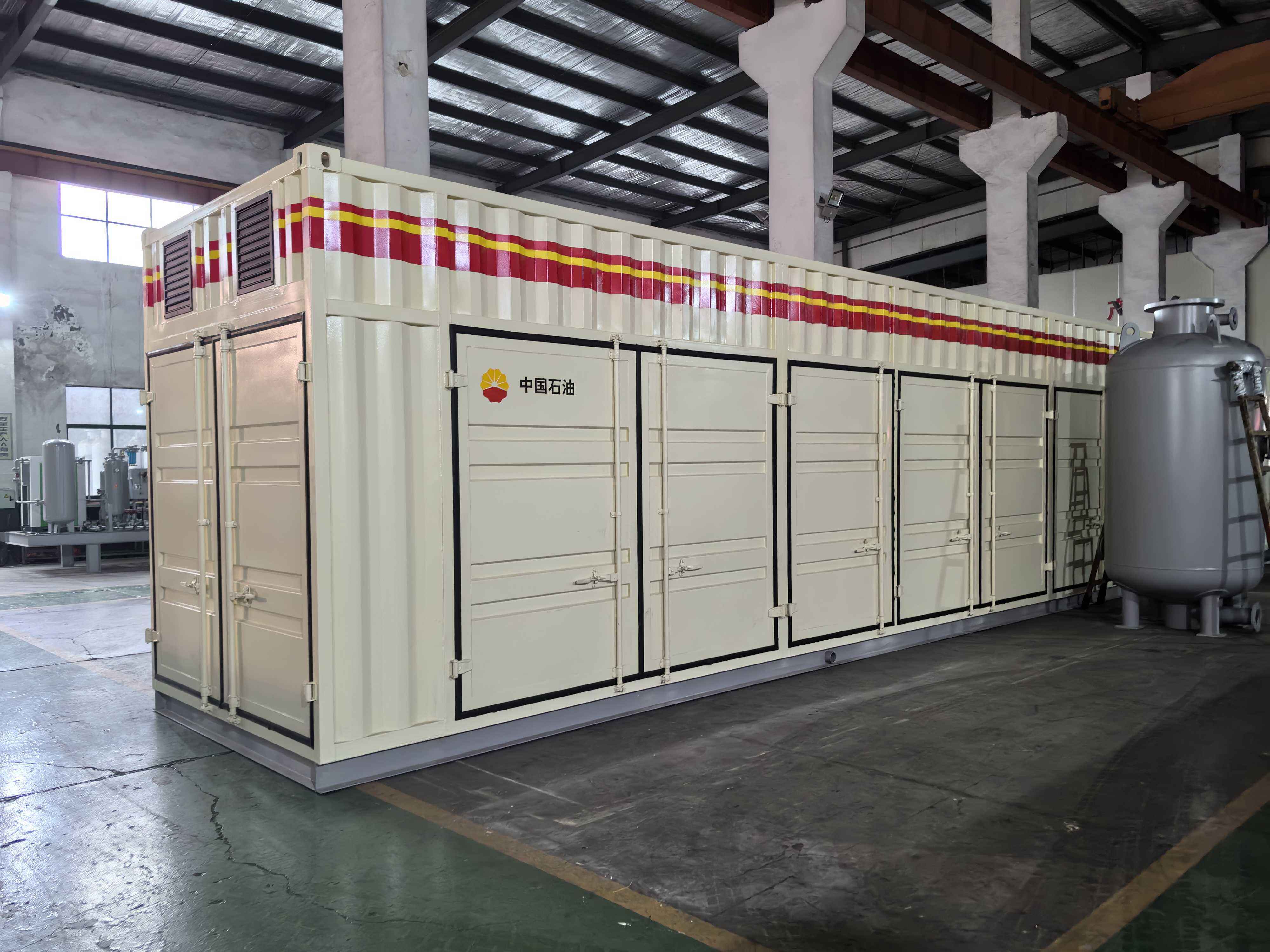
Industrial nitrogen generator systems have become indispensable assets in manufacturing facilities, chemical plants, food processing operations, and pharmaceutical production environments worldwide. These systems provide a reliable, cost-effective source of nitrogen gas on demand, eliminating the dependency on costly cylinder deliveries and bulk liquid nitrogen storage. However, like any sophisticated industrial equipment, these generators require systematic maintenance protocols to ensure optimal performance, prevent costly downtime, and extend operational lifespan. Understanding the comprehensive maintenance requirements for your industrial nitrogen generator is essential for maximizing return on investment while maintaining consistent gas purity and production capacity.
This complete maintenance guide provides industrial facility managers, maintenance technicians, and operations personnel with actionable knowledge to develop effective preventive maintenance programs specifically tailored for nitrogen generation systems. Whether your facility operates a pressure swing adsorption system, membrane-based generator, or cryogenic separation unit, implementing structured maintenance procedures directly impacts production reliability, energy efficiency, and overall system longevity. By following industry-proven maintenance practices and establishing rigorous inspection schedules, organizations can avoid emergency repairs, reduce operational costs, and ensure their industrial nitrogen generator delivers consistent performance for years to come.
Understanding Core Components of Industrial Nitrogen Generator Systems
Air Compression and Filtration Subsystems
The air compression system serves as the foundation for any industrial nitrogen generator, providing the pressurized air feedstock necessary for nitrogen separation. This subsystem typically includes an oil-lubricated or oil-free rotary screw compressor, aftercooler, moisture separator, and a multi-stage filtration train. Regular maintenance of the compressor involves monitoring oil levels, checking for unusual vibrations or noise patterns, and inspecting drive belts for wear. The aftercooler, which reduces compressed air temperature and condenses moisture, requires periodic cleaning to prevent scale buildup that reduces heat transfer efficiency.
Filtration elements play a critical role in protecting downstream components from contaminants including particulates, oil aerosols, and water vapor. Coalescing filters must be replaced according to manufacturer specifications or when differential pressure exceeds recommended thresholds. Pre-filters typically require more frequent replacement than final stage filters due to higher contaminant loading. Many industrial nitrogen generator installations incorporate automatic condensate drains that should be inspected weekly to ensure proper function. Facility maintenance teams should maintain detailed logs documenting filter change intervals, pressure drop measurements, and any abnormal conditions observed during routine inspections.
Nitrogen Separation Technology Components
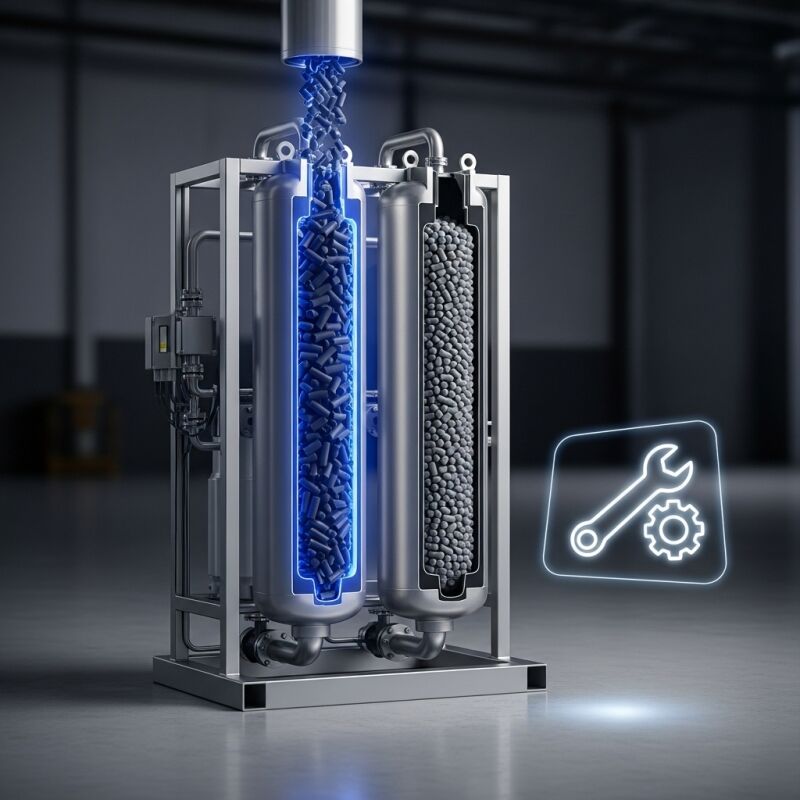
The separation mechanism represents the heart of the industrial nitrogen generator, where compressed air undergoes selective separation to produce high-purity nitrogen. In pressure swing adsorption systems, carbon molecular sieve material preferentially adsorbs oxygen molecules while allowing nitrogen to pass through. These adsorbent beds undergo cyclic pressurization and regeneration, with pneumatic valves controlling the switching sequence. Valve actuators, seals, and solenoids require periodic inspection and testing to prevent untimely failures that could compromise production schedules.
Membrane-based nitrogen generators utilize hollow fiber membranes with selective permeability characteristics that allow oxygen, water vapor, and carbon dioxide to permeate through membrane walls faster than nitrogen. Membrane modules have no moving parts but remain susceptible to damage from oil contamination, excessive particulates, or operating outside specified temperature ranges. Regular monitoring of permeate flow rates and nitrogen purity levels helps identify membrane degradation before complete failure occurs. Regardless of separation technology employed, maintaining proper operating pressures, flow rates, and temperature conditions proves essential for achieving specified nitrogen purity and production capacity.
Control Systems and Monitoring Equipment
Modern industrial nitrogen generator systems incorporate sophisticated programmable logic controllers, human-machine interfaces, and sensor networks that manage operational sequences and provide real-time performance data. Control systems regulate cycle timing, pressure setpoints, valve actuation, and alarm conditions based on programmed parameters. Maintenance personnel should regularly backup control system programs, verify sensor calibration accuracy, and test alarm functionality to ensure proper response during abnormal operating conditions. Oxygen analyzers, pressure transmitters, flow meters, and temperature sensors require periodic calibration against certified reference standards to maintain measurement accuracy.
Documentation of control system settings, alarm thresholds, and operational parameters enables faster troubleshooting when performance issues arise. Many facilities implement remote monitoring capabilities that transmit operational data to centralized maintenance management systems, enabling predictive maintenance strategies based on equipment condition rather than fixed time intervals. Electrical connections, terminal blocks, and control panel enclosures should be inspected for signs of corrosion, loose wiring, or dust accumulation that could cause control failures. Battery backup systems for controllers require regular testing and replacement to prevent data loss during power interruptions.
Establishing Preventive Maintenance Schedules and Procedures
Daily Operational Checks and Inspections
Daily maintenance activities for industrial nitrogen generator systems focus on visual inspections, operational parameter verification, and early detection of potential problems before they escalate into major failures. Operators should begin each shift by reviewing system status displays, confirming nitrogen purity levels meet application requirements, and verifying production flow rates match demand. Visual inspection of the compressor area should identify oil leaks, unusual vibration patterns, or abnormal noise levels that might indicate bearing wear or misalignment issues. Condensate drain traps must be checked to ensure proper moisture removal from the compressed air stream.
Recording key operational parameters in daily logbooks provides valuable trending data that helps maintenance teams identify gradual performance degradation. Important metrics include inlet air pressure, operating pressures at various system points, nitrogen purity percentages, ambient temperature, and any alarm conditions that occurred during the previous operating period. Facilities operating multiple industrial nitrogen generator units should compare performance metrics across systems to identify units requiring attention. Daily inspections take minimal time but provide significant value in preventing unexpected downtime and extending equipment service life.
Weekly and Monthly Maintenance Tasks
Weekly maintenance procedures for industrial nitrogen generator installations typically include more detailed inspections of critical components, lubrication tasks, and filter differential pressure measurements. Compressor oil levels should be verified weekly even when automatic replenishment systems are installed, as low oil conditions can cause catastrophic compressor failure. Drive belt tension should be checked and adjusted as needed, since loose belts reduce power transmission efficiency and cause premature wear. Cooling system performance requires attention, with particular focus on cooling fan operation, heat exchanger cleanliness, and coolant levels in liquid-cooled systems.
Monthly maintenance activities expand inspection scope to include valve actuation testing, leak detection surveys using ultrasonic instruments, and verification of safety relief valve settings. Pressure vessels and piping systems should be examined for signs of corrosion, particularly at connection points and areas subject to condensation. Electrical control cabinets benefit from monthly cleaning to remove dust accumulation that can cause overheating or short circuits. Many facilities schedule monthly nitrogen purity verification using portable oxygen analyzers to confirm system output meets specification. Documentation of all maintenance activities performed, including measurements taken and any abnormal conditions observed, creates an invaluable historical record for troubleshooting and reliability improvement initiatives.
Quarterly and Annual Comprehensive Service
Quarterly maintenance procedures for industrial nitrogen generator systems involve more intensive inspections, major component servicing, and performance testing under various operating conditions. Compressor systems typically require oil changes every three to six months depending on operating hours and manufacturer recommendations. Oil samples should be submitted for laboratory analysis to detect wear metals, oxidation products, or contamination that might indicate internal component degradation. Air intake filters require replacement quarterly or more frequently in dusty industrial environments. Moisture separator drains and float mechanisms should be disassembled, cleaned, and tested for proper operation.
Annual maintenance activities represent the most comprehensive service interval, often requiring system shutdown for thorough inspection and component replacement. Carbon molecular sieve adsorbent in pressure swing adsorption systems gradually degrades over time due to contamination, moisture exposure, and mechanical attrition. Most industrial nitrogen generator manufacturers recommend adsorbent performance testing every three to five years, with complete replacement typically required after eight to ten years of operation. Membrane modules in membrane-based systems should undergo performance evaluation annually, with replacement considered when nitrogen recovery efficiency decreases significantly. Complete valve rebuilds, pneumatic actuator overhauls, and control system upgrades may be incorporated into annual maintenance shutdowns to maximize equipment reliability for the upcoming operating year.
Troubleshooting Common Performance Issues
Declining Nitrogen Purity and Output Quality
When an industrial nitrogen generator begins producing nitrogen below specified purity levels, systematic troubleshooting must identify the root cause among numerous potential contributors. In pressure swing adsorption systems, declining purity often indicates adsorbent degradation, valve timing issues, or contamination of the carbon molecular sieve material. Technicians should first verify that oxygen analyzer sensors are properly calibrated and functioning correctly, as inaccurate measurements can lead to unnecessary maintenance activities. If analyzer readings are confirmed accurate, examining valve actuation timing and verifying proper sealing of pneumatic valves helps determine whether the separation cycle is operating as designed.
Moisture intrusion represents a particularly damaging condition for adsorbent-based industrial nitrogen generator systems, as water molecules occupy adsorption sites intended for oxygen separation. Inadequate compressed air drying, failed condensate drains, or malfunctioning refrigerated dryers allow moisture to reach adsorbent beds, reducing separation efficiency and potentially causing permanent adsorbent damage. Facilities should implement moisture monitoring at multiple system points to quickly detect drying equipment failures. Membrane-based systems experiencing purity decline may have damaged hollow fibers resulting from oil contamination, excessive particulates, or operating pressures exceeding membrane specifications. Complete membrane module replacement typically provides the most effective remedy for significant fiber damage.
Reduced Production Capacity and Flow Rate
Industrial nitrogen generator systems that fail to deliver specified production capacity despite appearing to operate normally require methodical investigation of flow restrictions, pressure losses, and component performance degradation. Compressor output capacity naturally declines over time as internal clearances increase and valve efficiency decreases, potentially limiting air supply to the separation system. Maintenance teams should compare current compressor discharge pressure and flow rate against baseline measurements recorded when equipment was new to quantify performance degradation. Clogged pre-filters or coalescing filters create significant pressure drops that reduce effective operating pressure available for nitrogen separation.
Downstream piping restrictions, partially closed isolation valves, or undersized distribution systems can create backpressure that limits an industrial nitrogen generator from achieving rated capacity. Pressure measurements taken at the generator outlet, intermediate distribution points, and end-use locations help identify where excessive pressure losses occur. In pressure swing adsorption systems, worn valve seals allow nitrogen product to leak back into adsorbent vessels during the pressurization phase, reducing net production capacity. Membrane systems experiencing reduced capacity may have fouled membrane surfaces or incorrect pressure differential across membrane bundles. Systematic performance testing under controlled conditions helps isolate whether capacity limitations originate in air supply, separation mechanism, or distribution system components.
Excessive Energy Consumption and Operating Costs
Energy efficiency directly impacts the operational economics of industrial nitrogen generator systems, with electrical power consumption representing the largest ongoing expense. Facilities noticing increased energy costs or higher specific power consumption per unit of nitrogen produced should investigate multiple potential contributors. Compressor inefficiency due to worn components, improper lubrication, or fouled heat exchangers forces the motor to work harder to achieve target discharge pressure. Installing power monitoring equipment at the compressor motor enables tracking of energy consumption trends and correlation with maintenance activities.
System air leaks represent a particularly insidious source of energy waste, as compressed air production accounts for significant electrical consumption. Ultrasonic leak detection surveys should be performed quarterly to identify and repair leaks throughout the compressed air distribution system feeding the industrial nitrogen generator. Excessive purge flows in pressure swing adsorption systems waste both compressed air and nitrogen product, often resulting from improper valve timing or control parameter settings. Optimizing regeneration cycles and minimizing purge quantities while maintaining purity specifications can achieve substantial energy savings. Membrane-based systems operating at unnecessarily high feed pressures consume excess energy without proportional improvement in separation performance, suggesting opportunities for pressure optimization.
Advanced Maintenance Strategies for Maximum System Reliability
Predictive Maintenance and Condition Monitoring
Modern maintenance strategies for industrial nitrogen generator installations increasingly emphasize predictive techniques that forecast component failures before they occur, enabling planned interventions during scheduled downtime rather than responding to emergency breakdowns. Vibration analysis of rotating equipment including compressors, blowers, and motors provides early warning of bearing deterioration, misalignment, or imbalance conditions. Establishing baseline vibration signatures when equipment is new creates reference data for comparison during periodic monitoring. Infrared thermography identifies hot spots in electrical connections, motor windings, and mechanical components that indicate developing problems requiring corrective action.
Oil analysis programs for lubricated compressors detect wear metals, contamination, and lubricant degradation long before these conditions cause component failure. Trending analysis of wear metal concentrations helps maintenance teams schedule major overhauls based on actual component condition rather than arbitrary time intervals. Ultrasonic inspection techniques identify compressed air leaks, steam trap failures, and electrical arcing conditions that escape detection during visual inspections. Many facilities integrate condition monitoring data into computerized maintenance management systems that automatically generate work orders when monitored parameters exceed established thresholds, ensuring timely maintenance interventions that prevent costly failures.
Performance Optimization and System Upgrades
Maintaining an industrial nitrogen generator at peak performance involves not only preventing component failures but also continuously optimizing operational parameters to achieve maximum efficiency and output quality. Control system tuning enables refinement of cycle times, pressure setpoints, and purge flows to match actual production requirements rather than operating with conservative default settings. Many facilities find that nitrogen demand varies by production schedule, shift patterns, or seasonal factors, suggesting opportunities for demand-responsive control strategies that reduce energy consumption during low-demand periods while ensuring adequate capacity during peak production.
Technology upgrades offer substantial performance improvements for aging industrial nitrogen generator installations without requiring complete system replacement. Retrofitting older pressure swing adsorption systems with modern control systems, improved valve actuators, or higher-performance adsorbent materials can restore or exceed original equipment capabilities at a fraction of new equipment cost. Variable speed drive installation on compressor motors enables precise matching of air supply to nitrogen demand, eliminating the energy waste associated with constant-speed operation with blow-off control. Upgrading oxygen analyzers to modern zirconia or paramagnetic sensors improves measurement accuracy and reduces maintenance requirements compared to older electrochemical sensor technologies. Systematic evaluation of upgrade opportunities as part of annual maintenance planning helps facilities maximize return on invested capital while extending useful equipment life.
Documentation and Knowledge Management
Comprehensive documentation practices form the foundation of effective industrial nitrogen generator maintenance programs, preserving institutional knowledge and enabling continuous improvement initiatives. Detailed maintenance histories recording all service activities performed, parts replaced, measurements taken, and abnormal conditions observed create invaluable resources for troubleshooting recurring problems and optimizing maintenance intervals. Digital photography of equipment configurations, component installations, and observed defects supplements written documentation with visual reference materials particularly valuable when maintenance personnel change or external service providers require familiarization with specific installations.
Standard operating procedures documenting step-by-step maintenance tasks ensure consistency regardless of which technician performs the work, while reducing training time for new personnel. Maintenance procedure documents should include safety precautions, required tools and materials, quality checkpoints, and acceptance criteria for completed work. Many facilities develop troubleshooting decision trees based on accumulated experience with their specific industrial nitrogen generator systems, guiding maintenance technicians through systematic diagnostic processes that quickly identify root causes. Establishing knowledge management systems that capture lessons learned from maintenance activities, equipment failures, and performance improvement projects prevents repeated mistakes while accelerating problem resolution during future incidents.
Safety Considerations and Regulatory Compliance
Pressure System Safety and Inspection Requirements
Industrial nitrogen generator systems operate as pressure vessels and compressed gas systems subject to stringent safety regulations and periodic inspection requirements. Pressure relief valves protecting compressor receivers, adsorbent vessels, and distribution piping must be tested annually to verify proper setpoint and adequate flow capacity. Qualified inspectors should examine pressure vessels according to jurisdictional requirements, typically involving visual inspection, ultrasonic thickness testing, and review of maintenance records. Safety interlocks preventing compressor operation when critical parameters exceed safe limits require functional testing to confirm proper operation under simulated fault conditions.
Maintenance activities on pressurized systems demand strict adherence to lockout-tagout procedures, pressure isolation verification, and safe depressurization protocols. Technicians must confirm zero energy state before opening vessels or removing components, using appropriate personal protective equipment including safety glasses, gloves, and hearing protection. Nitrogen gas, while non-toxic and non-flammable, presents asphyxiation hazards in confined spaces or poorly ventilated areas. Facilities should implement oxygen monitoring in enclosed spaces where nitrogen displacement might reduce oxygen concentration below safe breathing levels. Maintenance procedures should incorporate safety risk assessments identifying potential hazards and specifying required precautions for high-risk activities.
Environmental Compliance and Condensate Management
Compressed air systems feeding industrial nitrogen generator installations produce condensate containing oil, particulates, and other contaminants that require proper handling and disposal according to environmental regulations. Automatic condensate drains discharge moisture separated from compressed air streams, with the collected liquid potentially classified as industrial wastewater requiring treatment before disposal. Oil-water separator units installed in condensate drainage systems remove free oil and suspended solids, enabling compliant discharge of treated water while concentrating contaminants for proper disposal as hazardous waste when necessary.
Maintenance activities generating waste materials including used filters, spent adsorbent, contaminated oil, and discarded components must follow proper waste management protocols. Carbon molecular sieve adsorbent typically qualifies as non-hazardous solid waste but should be confirmed through characterization testing if contamination is suspected. Used compressor oil and oil-contaminated filters generally require management as hazardous waste subject to manifesting, transportation, and disposal regulations. Facilities should maintain documentation demonstrating proper waste classification, handling, and disposal for all materials generated during industrial nitrogen generator maintenance activities. Environmental compliance audits should periodically verify that maintenance procedures incorporate required waste management practices and that personnel receive appropriate training in environmental regulations applicable to their work activities.
FAQ
How often should carbon molecular sieve be replaced in a pressure swing adsorption nitrogen generator?
Carbon molecular sieve adsorbent in industrial nitrogen generator systems typically requires replacement every eight to ten years under normal operating conditions, though actual service life depends significantly on air quality, moisture exposure, and operational cycling frequency. Facilities operating in harsh environments with inadequate air filtration or moisture control may experience accelerated adsorbent degradation requiring replacement as early as five years. Performance testing at three-year intervals helps establish remaining useful life and enables proactive replacement planning before nitrogen purity or production capacity deteriorates to unacceptable levels. Monitoring oxygen breakthrough curves and measuring adsorbent bulk density provides objective data for replacement decisions rather than relying solely on elapsed time since last change.
What are the most critical maintenance tasks for preventing nitrogen generator downtime?
The most critical preventive maintenance activities for industrial nitrogen generator reliability include rigorous compressed air filtration element replacement, systematic valve maintenance, and comprehensive moisture removal system care. Filter elements protecting separation components from contamination should be changed based on differential pressure monitoring rather than fixed time intervals, ensuring adequate protection during periods of high air quality challenge. Pneumatic valves controlling adsorption cycles require periodic rebuilding with replacement seals, as valve leakage directly impacts nitrogen purity and production capacity. Moisture removal equipment including aftercoolers, separators, and refrigerated dryers demands diligent maintenance since water intrusion into adsorbent beds causes permanent damage requiring costly adsorbent replacement. Implementing redundant critical components and maintaining adequate spare parts inventory for long-lead-time items provides additional protection against extended downtime during component failures.
Can industrial nitrogen generators operate continuously without scheduled maintenance shutdowns?
While industrial nitrogen generator systems are designed for continuous operation, periodic maintenance shutdowns remain necessary for comprehensive inspections, major component servicing, and replacement of wear items that cannot be maintained during operation. Many facilities operate nitrogen generators continuously for six to twelve months between planned maintenance outages, scheduling shutdowns during facility-wide maintenance periods or seasonal production slowdowns. Critical maintenance tasks including adsorbent bed inspection, valve rebuilds, compressor overhauls, and pressure vessel examinations require system shutdown for safe execution. Facilities requiring truly uninterrupted nitrogen supply typically install redundant generator capacity, enabling maintenance on one unit while others continue serving production demands. Advanced maintenance planning coordinates nitrogen generator shutdowns with related equipment maintenance to maximize productive operating time while ensuring all necessary service activities receive proper attention.
What performance indicators should be monitored to assess nitrogen generator health?
Key performance indicators for industrial nitrogen generator condition monitoring include nitrogen purity levels, production flow rate, specific power consumption per unit nitrogen produced, differential pressure across filters and adsorbent beds, valve cycle counts, and compressor discharge temperature. Trending these parameters over time reveals gradual performance degradation indicating developing maintenance needs before failures occur. Increased differential pressure across filters signals element loading requiring replacement, while rising specific energy consumption suggests compressor inefficiency or system air leaks. Declining nitrogen purity at constant production rate indicates separation system issues such as adsorbent degradation, valve leakage, or membrane damage. Automated data logging systems capturing these metrics at regular intervals enable sophisticated trending analysis and predictive maintenance strategies that optimize equipment reliability and maintenance resource allocation.
Table of Contents
- Understanding Core Components of Industrial Nitrogen Generator Systems
- Establishing Preventive Maintenance Schedules and Procedures
- Troubleshooting Common Performance Issues
- Advanced Maintenance Strategies for Maximum System Reliability
- Safety Considerations and Regulatory Compliance
-
FAQ
- How often should carbon molecular sieve be replaced in a pressure swing adsorption nitrogen generator?
- What are the most critical maintenance tasks for preventing nitrogen generator downtime?
- Can industrial nitrogen generators operate continuously without scheduled maintenance shutdowns?
- What performance indicators should be monitored to assess nitrogen generator health?