 EN
EN
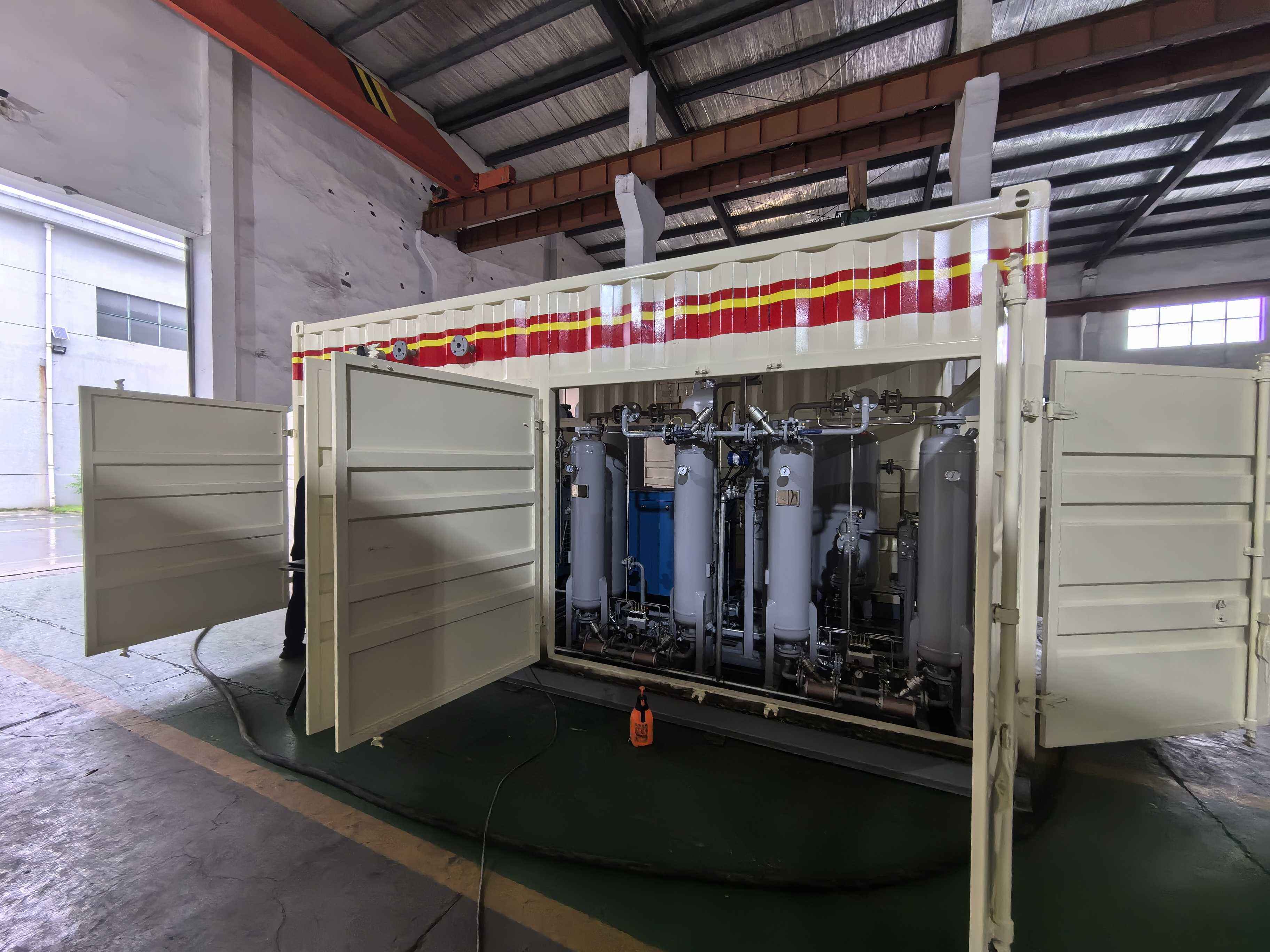
Industrial nitrogen generators have become indispensable assets across manufacturing, food processing, pharmaceutical production, and electronics assembly facilities worldwide. These systems deliver on-site nitrogen generation, eliminating dependence on costly cylinder deliveries while ensuring continuous supply for critical applications. However, the reliability and efficiency of nitrogen generators depend entirely on systematic maintenance protocols and operational best practices that many facility managers overlook until performance degradation forces reactive interventions.
Understanding the essential maintenance requirements and implementing proven best practices transforms nitrogen generators from simple gas production equipment into optimized assets that deliver consistent purity levels, minimize energy consumption, and extend operational lifespan significantly. This comprehensive guide explores the critical maintenance tasks, preventive strategies, and operational protocols that distinguish high-performing nitrogen generation systems from those plagued by frequent failures, contamination issues, and premature component replacement. Whether operating pressure swing adsorption systems or membrane-based nitrogen generators, applying these maintenance fundamentals protects capital investments while ensuring uninterrupted nitrogen supply for mission-critical processes.
Understanding Nitrogen Generator Maintenance Fundamentals
Core Components Requiring Regular Attention
Nitrogen generators comprise several critical subsystems that demand specific maintenance protocols to sustain optimal performance. The air compression system serves as the foundation, requiring oil analysis, filter replacement, and condensate management to prevent contamination from entering downstream purification stages. Compressor maintenance intervals typically range from 2,000 to 8,000 operating hours depending on duty cycle and environmental conditions, with synthetic lubricants extending service intervals compared to mineral-based alternatives.
The pre-treatment filtration train represents the most maintenance-intensive component group in nitrogen generators, protecting expensive carbon molecular sieves or membrane modules from premature degradation. Coalescence filters remove oil aerosols and liquid water, requiring replacement when differential pressure exceeds manufacturer specifications or every 12 months under normal conditions. Particulate filters capture solid contaminants down to sub-micron levels, with service life depending heavily on ambient air quality and upstream filtration effectiveness.
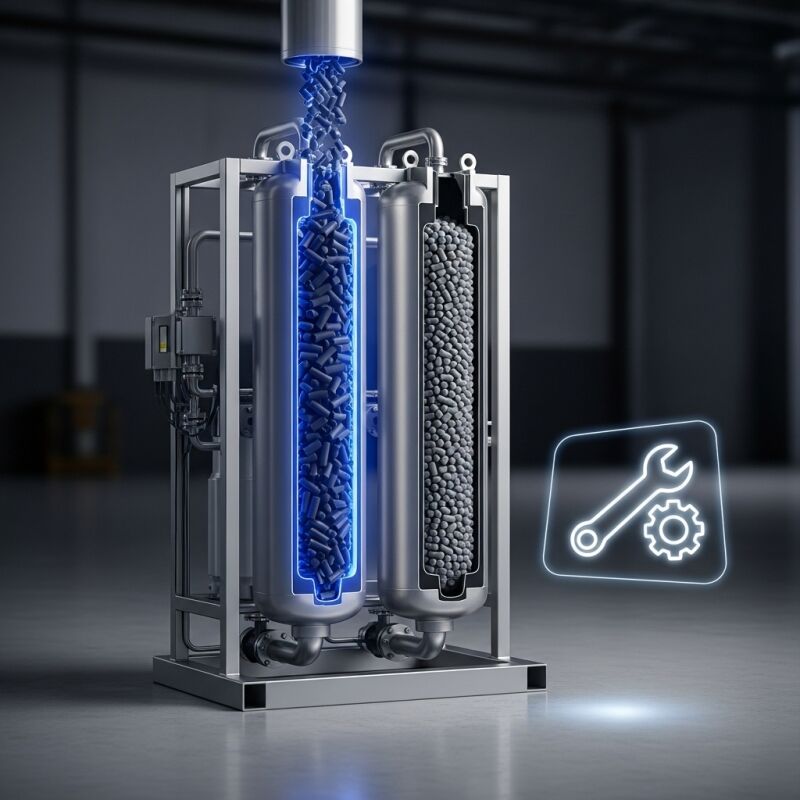
Adsorption vessels in pressure swing adsorption nitrogen generators contain carbon molecular sieve material that selectively adsorbs oxygen molecules while allowing nitrogen to pass through. These vessels require periodic inspection for mechanical integrity, with particular attention to internal piping, distribution systems, and support screens that prevent media migration. Carbon molecular sieve degradation occurs gradually through moisture exposure, oil contamination, and cyclic mechanical stress, necessitating performance monitoring and eventual media replacement typically every five to ten years depending on operating conditions.
Preventive Maintenance Scheduling Strategies
Effective maintenance scheduling for nitrogen generators balances manufacturer recommendations with site-specific operating conditions and criticality factors. Time-based maintenance intervals provide baseline scheduling for routine tasks such as filter changes, oil analysis, and visual inspections, while condition-based monitoring enables predictive interventions before component failures disrupt production. Facilities operating nitrogen generators in demanding environments benefit from shortened maintenance intervals, particularly for air filtration components exposed to elevated particulate levels or chemical contaminants.
Documentation protocols form the foundation of successful preventive maintenance programs, capturing component replacement histories, performance trends, and operational anomalies that inform future maintenance decisions. Maintenance management systems should track differential pressures across filtration stages, dew point measurements, nitrogen purity levels, and energy consumption metrics that reveal developing issues before catastrophic failures occur. This data-driven approach enables maintenance teams to optimize component replacement timing, avoiding both premature replacement waste and unexpected failures.
Spare parts inventory management significantly impacts nitrogen generator uptime, particularly for facilities operating in remote locations or using specialized components with extended lead times. Critical spare parts inventories should include complete filter sets, valve diaphragms, solenoid coils, and pressure transducers that commonly fail or require replacement during routine maintenance. However, maintaining excessive spare parts inventory ties up capital unnecessarily, requiring careful balance between availability assurance and working capital optimization based on component failure rate analysis and supplier delivery reliability.
Critical Maintenance Tasks for Optimal Performance
Air Filtration System Maintenance Protocols
The air filtration system protecting nitrogen generators requires meticulous attention to prevent contamination-related performance degradation and premature component failure. Inlet air filters remove atmospheric particulates before compression, with service intervals ranging from monthly replacement in dusty environments to quarterly changes in clean industrial settings. Monitoring differential pressure across inlet filters provides objective replacement timing indicators, with most manufacturers recommending change-out when pressure drop exceeds 50 percent of clean filter values.
Aftercooler systems reduce compressed air temperature to facilitate moisture removal, requiring periodic inspection of heat exchanger surfaces for fouling, corrosion, and mechanical damage. External cleaning of air-cooled aftercoolers maintains heat transfer efficiency, particularly in facilities where airborne contaminants accumulate on fin surfaces. Water-cooled aftercoolers demand attention to cooling water quality, scale formation, and biofouling that progressively reduces thermal performance and increases pressure drop through the heat exchanger.
Coalescing filter elements capture oil aerosols and condensed water droplets, protecting downstream components from liquid contamination that degrades nitrogen generator performance. These filters typically require replacement every 6 to 12 months, though operating conditions significantly influence service life. Facilities using oil-flooded rotary screw compressors without adequate oil removal systems may need monthly coalescing filter replacement to maintain proper protection levels, while oil-free compressor installations extend filter life substantially.
Carbon Molecular Sieve Care and Regeneration
Carbon molecular sieve material in pressure swing adsorption nitrogen generators represents the highest value component requiring specialized maintenance attention. Moisture intrusion constitutes the primary degradation mechanism, occurring when inadequate upstream drying allows water vapor to penetrate adsorption vessels where it irreversibly damages the molecular sieve structure. Maintaining pressure dew points below negative 40 degrees Fahrenheit prevents moisture-related degradation, requiring properly functioning refrigerated or desiccant dryers with regular maintenance and performance verification.
Oil contamination from inadequate air treatment permanently damages carbon molecular sieve material by blocking adsorption sites and reducing oxygen selectivity. Even trace oil carryover accumulates over time, progressively degrading nitrogen purity and requiring premature media replacement. Monitoring residual oil content in pre-treated compressed air using oil vapor analyzers or periodic sampling enables early detection of filtration system degradation before expensive molecular sieve contamination occurs.
Periodic carbon molecular sieve regeneration through thermal treatment can restore adsorption capacity in systems experiencing gradual performance decline from reversible contamination. This specialized procedure involves heating the molecular sieve material to elevated temperatures under controlled conditions to drive off accumulated contaminants without damaging the underlying structure. However, thermal regeneration requires system shutdown, specialized equipment, and technical expertise, making it practical only for large nitrogen generators where media replacement costs justify the regeneration investment.
Valve System Inspection and Servicing
Automated valve systems in nitrogen generators control pressure swing adsorption cycles, directing compressed air flow through alternating adsorption vessels to enable continuous nitrogen production. These valves endure millions of cycles annually, making regular inspection and preventive maintenance essential for reliable operation. Solenoid-actuated poppet valves require periodic replacement of wearing components including valve seats, poppet seals, and solenoid coils that degrade through repetitive cycling and environmental exposure.
Valve timing verification ensures proper pressure swing adsorption cycle execution, with even minor timing deviations significantly impacting nitrogen purity and production efficiency. Electronic control systems require periodic calibration checks and software validation to confirm correct valve sequencing and cycle timing. Mechanical timing systems using cam-driven mechanisms demand regular inspection for wear, proper lubrication, and mechanical adjustment to maintain precise valve operation throughout the production cycle.
Pressure relief valves protecting nitrogen generators from over-pressurization require annual testing to verify proper set point and adequate flow capacity. These safety-critical components must open at specified pressures to prevent vessel rupture while reseating completely after pressure relief to avoid continuous nitrogen loss. Testing procedures typically involve controlled over-pressure application using calibrated instrumentation, with valve replacement required if set point drift exceeds acceptable tolerances or reseating performance proves inadequate.
Performance Monitoring and Optimization Strategies
Key Performance Indicators for Nitrogen Generators
Nitrogen purity monitoring provides the most direct performance indicator for nitrogen generators, with continuous analyzers enabling real-time verification of product gas specifications. Oxygen analyzer cells require periodic calibration using certified span gases and replacement according to manufacturer specifications, typically every 12 to 24 months depending on analyzer technology and operating conditions. Facilities requiring certified purity documentation for regulatory compliance should implement redundant analyzer systems with overlapping calibration schedules to ensure continuous verification capability.
Specific power consumption metrics reveal nitrogen generator efficiency trends, calculated by dividing electrical power input by nitrogen production volume. Increasing specific power consumption indicates developing issues such as air filtration restriction, valve leakage, or carbon molecular sieve degradation that reduce production efficiency. Establishing baseline power consumption values during commissioning or after major maintenance enables meaningful trend analysis that identifies gradual performance deterioration requiring corrective action.
Pressure dew point measurements confirm adequate moisture removal from compressed air feeding nitrogen generators, protecting molecular sieve material from water damage. Continuous dew point monitoring using chilled mirror or capacitive sensors provides early warning of dryer system degradation, enabling preventive maintenance before moisture breakthrough contaminates downstream components. Facilities operating in humid climates or with variable compressed air demand benefit particularly from continuous dew point monitoring given the sensitivity of dryer performance to operating condition changes.
Energy Efficiency Enhancement Techniques
Compressed air pressure optimization reduces energy consumption in nitrogen generators without compromising production capacity or purity specifications. Many facilities operate air compressors at unnecessarily high discharge pressures to compensate for distribution system pressure drops or provide operational margin, wasting significant electrical energy. Systematic pressure requirement analysis throughout the nitrogen generation system often reveals opportunities to reduce operating pressure by 10 to 20 PSI, delivering proportional energy savings while extending component service life through reduced mechanical stress.
Variable frequency drive implementation on air compressors supplying nitrogen generators enables precise capacity matching with nitrogen demand fluctuations, eliminating energy waste from constant-speed operation and blow-off control. Facilities with variable nitrogen consumption patterns achieve 20 to 35 percent energy savings through variable frequency drive installation, with payback periods typically ranging from 12 to 36 months depending on local electricity costs and demand variability. Integration of nitrogen generator control systems with upstream compression equipment maximizes energy efficiency by coordinating production capacity with real-time demand.
Heat recovery from compressed air systems feeding nitrogen generators captures thermal energy that would otherwise dissipate to the atmosphere, redirecting it for facility heating, process applications, or other productive uses. Oil-cooled rotary screw compressors operating in nitrogen generation service typically generate recoverable heat equivalent to 70 to 90 percent of input electrical power, representing substantial energy recovery potential. Economic feasibility of heat recovery depends on proximity between heat generation and utilization points, thermal energy demand timing, and local energy costs that determine financial return on heat recovery system investment.
Troubleshooting Common Nitrogen Generator Issues
Nitrogen Purity Degradation Diagnosis
Declining nitrogen purity in pressure swing adsorption systems typically results from carbon molecular sieve degradation, valve malfunction, or cycle timing irregularities that compromise the adsorption process. Systematic troubleshooting begins with verification of inlet air quality, confirming that upstream filtration and drying systems deliver properly conditioned compressed air meeting molecular sieve protection requirements. Moisture or oil contamination in feed air rapidly degrades molecular sieve performance, manifesting as progressive purity decline that cannot be corrected without addressing the root cause contamination source.
Valve leakage allows oxygen-rich compressed air to bypass the adsorption process or permits back-diffusion of separated oxygen into the product nitrogen stream, reducing purity below specification levels. Internal valve leakage diagnosis requires pressure decay testing, flow measurement during valve closure periods, and thermal imaging to detect abnormal temperature patterns indicating gas flow through closed valves. Addressing valve leakage typically involves seat replacement, seal renewal, or complete valve assembly replacement depending on component condition and maintenance history.
Control system faults disrupting pressure swing adsorption cycle timing prevent complete oxygen removal during adsorption phases or inadequate vessel regeneration during desorption phases, both degrading nitrogen purity. Cycle timing verification using pressure transient analysis, valve position confirmation, and comparative performance assessment between alternating adsorption vessels identifies timing-related issues requiring control system adjustment or component replacement. Modern microprocessor-based control systems enable detailed diagnostic data logging that facilitates rapid identification of timing irregularities compared to legacy electromechanical control systems.
Production Capacity Reduction Solutions
Nitrogen generator capacity decline often stems from restricted air flow through pre-treatment filtration systems, with accumulated pressure drop reducing effective operating pressure at adsorption vessels. Sequential differential pressure measurement across each filtration stage identifies specific components requiring replacement or cleaning, enabling targeted maintenance interventions that restore full production capacity. Facilities experiencing frequent filter plugging should investigate upstream air quality issues, compressor maintenance deficiencies, or environmental factors introducing excessive contamination loads.
Carbon molecular sieve aging gradually reduces adsorption kinetics and capacity, manifesting as declining production volume even when nitrogen purity remains within specification. This degradation mechanism proceeds slowly over years of operation, making performance trending essential for distinguishing normal aging from acute problems requiring immediate attention. Facilities documenting baseline production capacity immediately after commissioning or molecular sieve replacement can establish decline rates that inform optimal media replacement timing, balancing continued operation against progressive capacity loss and increasing energy consumption per unit nitrogen produced.
Inadequate regeneration during pressure swing adsorption desorption cycles prevents complete oxygen removal from carbon molecular sieve, progressively saturating available adsorption capacity and reducing effective production volume. This condition often results from valve malfunction restricting purge flow, control timing errors shortening regeneration periods, or excessive ambient temperature increasing desorption time requirements. Correcting regeneration deficiencies requires systematic evaluation of cycle parameters, mechanical component integrity, and environmental operating conditions that influence desorption kinetics and molecular sieve recovery.
Compressed Air Quality Problem Resolution
Oil carryover from upstream air compressors threatens nitrogen generator integrity through progressive contamination of carbon molecular sieve material and membrane modules. Diagnosis involves oil vapor analysis of compressed air downstream from filtration equipment, with readings exceeding 0.01 milligrams per cubic meter indicating inadequate removal requiring corrective action. Resolution strategies include coalescing filter replacement, addition of activated carbon adsorption stages for oil vapor removal, or compressor maintenance addressing excessive oil discharge from worn components.
Elevated moisture content in compressed air feeding nitrogen generators causes immediate carbon molecular sieve damage and membrane performance degradation, making rapid identification and correction critical. Dew point monitoring instruments provide continuous verification of dryer performance, with readings approaching ambient temperature indicating dryer failure or inadequate capacity for current operating conditions. Emergency response protocols should include nitrogen generator shutdown procedures when moisture breakthrough occurs, preventing expensive molecular sieve contamination that far exceeds dryer repair or replacement costs.
Particulate contamination reaching nitrogen generators indicates pre-filtration system failure, potentially causing mechanical damage to valves, flow distribution systems, and molecular sieve material. Visual inspection of filter elements during routine maintenance reveals contamination types and loading patterns that guide corrective actions, while downstream contamination detection through sample port monitoring confirms filtration effectiveness. Facilities experiencing recurrent particulate problems should evaluate compressor intake filtration, piping system cleanliness, and aftercooler condensate removal effectiveness that contribute to particulate generation and transport to nitrogen generators.
Advanced Maintenance Technologies and Predictive Strategies
Condition Monitoring System Integration
Modern nitrogen generators increasingly incorporate comprehensive condition monitoring systems that track critical performance parameters, identify developing anomalies, and enable predictive maintenance interventions before failures disrupt production. Continuous data acquisition from pressure transducers, flow meters, temperature sensors, and gas analyzers feeds analytical algorithms that establish baseline performance signatures and detect deviations indicating component degradation or process irregularities. This data-driven approach shifts maintenance philosophy from reactive failure response toward proactive intervention that maximizes component utilization while minimizing unplanned downtime.
Remote monitoring capabilities enable nitrogen generator manufacturers and specialized service providers to deliver continuous performance oversight, technical support, and predictive maintenance recommendations regardless of facility location. Cloud-based data platforms aggregate operating information from distributed nitrogen generation assets, applying machine learning algorithms and comparative analysis to identify optimization opportunities and emerging maintenance requirements. Facilities adopting remote monitoring services benefit from manufacturer expertise and cross-fleet insights that local maintenance teams cannot replicate, particularly for specialized equipment requiring deep technical knowledge.
Integration of nitrogen generator monitoring systems with facility-wide maintenance management platforms enables coordinated asset care, resource scheduling, and performance optimization across interdependent equipment. Linking compressed air system monitoring with downstream nitrogen generation data reveals cause-effect relationships that guide holistic maintenance strategies addressing root causes rather than symptoms. This integrated approach particularly benefits facilities operating multiple nitrogen generators with shared air compression infrastructure, where system-level optimization delivers greater value than isolated equipment focus.
Lifecycle Cost Optimization Approaches
Total cost of ownership analysis for nitrogen generators encompasses initial capital investment, energy consumption, routine maintenance expenses, and major component replacement costs over expected operational lifespans typically spanning 15 to 25 years. Systematic lifecycle cost modeling enables evidence-based decisions regarding maintenance intensity, component replacement timing, and system upgrade investments that minimize total ownership costs rather than individual expense categories. This analytical approach often reveals that increased preventive maintenance expenditure delivers substantial overall savings through extended component life, reduced energy consumption, and avoided emergency repair costs.
Carbon molecular sieve replacement represents the largest periodic maintenance expense for pressure swing adsorption nitrogen generators, with proper timing critical for economic optimization. Premature replacement wastes remaining useful life, while delayed replacement increases energy consumption and risks secondary damage from contaminated media. Performance trending analysis tracking nitrogen purity, production capacity, and specific power consumption enables data-driven replacement decisions that balance continued operation economics against media renewal costs, typically identifying optimal replacement timing when performance degradation reaches 15 to 25 percent below baseline values.
Equipment modernization investments periodically offer compelling economic returns through efficiency improvements, enhanced reliability, and reduced maintenance requirements that offset capital expenditure. Replacing obsolete control systems with modern microprocessor-based alternatives typically delivers 5 to 10 percent efficiency gains while enabling advanced diagnostics and remote monitoring capabilities. Upgrading mechanical valve assemblies to longer-life designs reduces maintenance frequency and improves cycle reliability, with payback periods depending on current maintenance costs and valve replacement frequency under existing configurations.
FAQ
How often should nitrogen generator filters be replaced to maintain optimal performance?
Filter replacement intervals for nitrogen generators depend on multiple factors including ambient air quality, compressor type, and operating hours. Inlet air filters typically require monthly to quarterly replacement depending on environmental dust levels, while coalescing filters removing oil and moisture generally need replacement every 6 to 12 months under normal conditions. Particulate filters protecting molecular sieve or membrane modules should be changed annually or when differential pressure exceeds manufacturer specifications. Facilities operating in harsh environments with elevated particulate or chemical contamination may require more frequent replacement, making differential pressure monitoring essential for optimizing change-out timing based on actual loading rather than arbitrary time intervals.
What are the primary causes of declining nitrogen purity in PSA generators?
Nitrogen purity degradation in pressure swing adsorption systems typically results from carbon molecular sieve contamination, valve leakage, or control system malfunctions affecting cycle timing. Moisture intrusion from inadequate upstream drying permanently damages molecular sieve structure, progressively reducing oxygen separation capability and nitrogen purity. Internal valve leakage allows oxygen-rich bypass flow or back-diffusion into product streams, while worn valve seats and seals fail to maintain proper pressure differentials during adsorption cycles. Control system timing errors preventing complete adsorption or inadequate regeneration also compromise purity, as do mechanical issues such as internal piping failures or distribution system blockages disrupting proper gas flow through adsorption vessels.
Can nitrogen generator performance be restored without replacing carbon molecular sieve?
Performance restoration without molecular sieve replacement depends on the degradation mechanism and severity. Systems experiencing purity or capacity decline from valve leakage, control timing irregularities, or compressed air quality issues can be fully restored through targeted component repair and upstream system correction without media replacement. Molecular sieve contamination from light oil exposure or minor moisture infiltration may respond to thermal regeneration procedures that drive off accumulated contaminants, though this specialized process requires system shutdown and technical expertise. However, severe moisture damage, extensive oil contamination, or normal aging-related degradation cannot be reversed, requiring complete molecular sieve replacement to restore original performance specifications and production capacity.
What specific power consumption indicates nitrogen generator efficiency problems?
Specific power consumption for nitrogen generators varies based on purity requirements, production pressure, and system design, making baseline establishment during commissioning or post-maintenance periods essential for meaningful efficiency monitoring. Typical pressure swing adsorption systems generating 95 to 99.5 percent purity nitrogen consume 0.25 to 0.45 kilowatt-hours per cubic meter of nitrogen produced, with higher purity specifications increasing energy requirements. Increases of 10 percent or more above established baseline values indicate developing efficiency problems requiring investigation, potentially stemming from air filtration restriction, valve leakage, molecular sieve degradation, or control system irregularities. Continuous energy monitoring enables trend analysis that identifies gradual efficiency decline before acute failures occur, supporting predictive maintenance strategies that optimize component replacement timing.
Table of Contents
- Understanding Nitrogen Generator Maintenance Fundamentals
- Critical Maintenance Tasks for Optimal Performance
- Performance Monitoring and Optimization Strategies
- Troubleshooting Common Nitrogen Generator Issues
- Advanced Maintenance Technologies and Predictive Strategies
-
FAQ
- How often should nitrogen generator filters be replaced to maintain optimal performance?
- What are the primary causes of declining nitrogen purity in PSA generators?
- Can nitrogen generator performance be restored without replacing carbon molecular sieve?
- What specific power consumption indicates nitrogen generator efficiency problems?