 EN
EN

Selecting the right nitrogen suppliers for your industrial operations in 2025 requires understanding not only the cost structures but also the critical factors that differentiate supplier models, delivery methods, and long-term value propositions. As businesses across manufacturing, food processing, pharmaceuticals, and electronics continue to depend on reliable nitrogen supply, the decision between different nitrogen suppliers becomes increasingly strategic. This comprehensive guide examines the landscape of nitrogen suppliers, exploring cost variables, supply methods, and practical comparison criteria that industrial buyers must evaluate to make informed purchasing decisions that align with operational requirements and budget constraints.
The nitrogen supply market has evolved significantly, with traditional bulk gas delivery services now competing against on-site generation technologies and alternative supply models. Understanding how nitrogen suppliers structure their pricing, what hidden costs exist in different supply arrangements, and which supplier model best fits specific operational profiles has become essential for procurement professionals. This guide provides the analytical framework and practical insights needed to evaluate nitrogen suppliers effectively, compare total cost of ownership across different supply methods, and identify the optimal nitrogen sourcing strategy for your facility's unique requirements in the current market environment.
Understanding Different Types of Nitrogen Suppliers and Supply Models
Bulk Liquid Nitrogen Delivery Suppliers
Traditional nitrogen suppliers operating through bulk liquid delivery remain the most common supply method for many industrial facilities. These nitrogen suppliers maintain production facilities where nitrogen is liquefied through cryogenic processes, then transported to customer sites in insulated tanker trucks and stored in large vacuum-insulated tanks. The business model relies on contracted minimum purchase volumes, rental fees for storage tanks, and scheduled or emergency deliveries based on consumption rates. Bulk liquid nitrogen suppliers typically serve customers requiring medium to high nitrogen volumes who lack the capital or operational preference for on-site generation systems.
The cost structure with bulk liquid nitrogen suppliers includes several components that buyers must evaluate comprehensively. Beyond the per-unit price of nitrogen itself, customers typically pay tank rental fees that can range from several hundred to several thousand dollars monthly depending on tank size and supplier terms. Delivery fees may be included in contracts or charged separately, particularly for emergency or off-schedule deliveries. Many nitrogen suppliers also include minimum purchase commitments in their contracts, which can create cost inefficiencies if actual consumption falls below contracted volumes. Understanding these total costs, not just the quoted nitrogen price, is essential when comparing nitrogen suppliers using the bulk liquid delivery model.
Cylinder and Packaged Gas Nitrogen Suppliers
For facilities with lower nitrogen consumption or intermittent usage patterns, nitrogen suppliers offering cylinder and packaged gas services provide an alternative to bulk liquid delivery. These nitrogen suppliers distribute compressed nitrogen gas in high-pressure cylinders ranging from small portable units to large cylinder packs that can be manifolded together for greater capacity. This supply method eliminates the need for on-site storage tanks and provides flexibility for operations with variable or seasonal nitrogen demand. Cylinder-based nitrogen suppliers serve laboratories, small manufacturing operations, welding shops, and facilities where nitrogen usage is measured in cubic feet per hour rather than hundreds or thousands of cubic feet per minute.
The economics of cylinder-based nitrogen suppliers differ significantly from bulk liquid suppliers, with generally higher per-unit costs offset by lower fixed expenses and greater flexibility. Nitrogen suppliers charging for cylinder gas typically price on a per-cylinder basis with rental fees for the cylinders themselves, though some offer cylinder purchase options for regular users. The delivered cost per cubic foot of nitrogen from cylinder suppliers can be three to ten times higher than bulk liquid pricing, making this supply method cost-prohibitive for high-volume users. However, for appropriate applications, cylinder-based nitrogen suppliers eliminate tank rental fees, minimum purchase commitments, and the operational complexity of managing bulk deliveries, making them the economically rational choice for lower-consumption facilities.
On-Site Nitrogen Generation System Providers
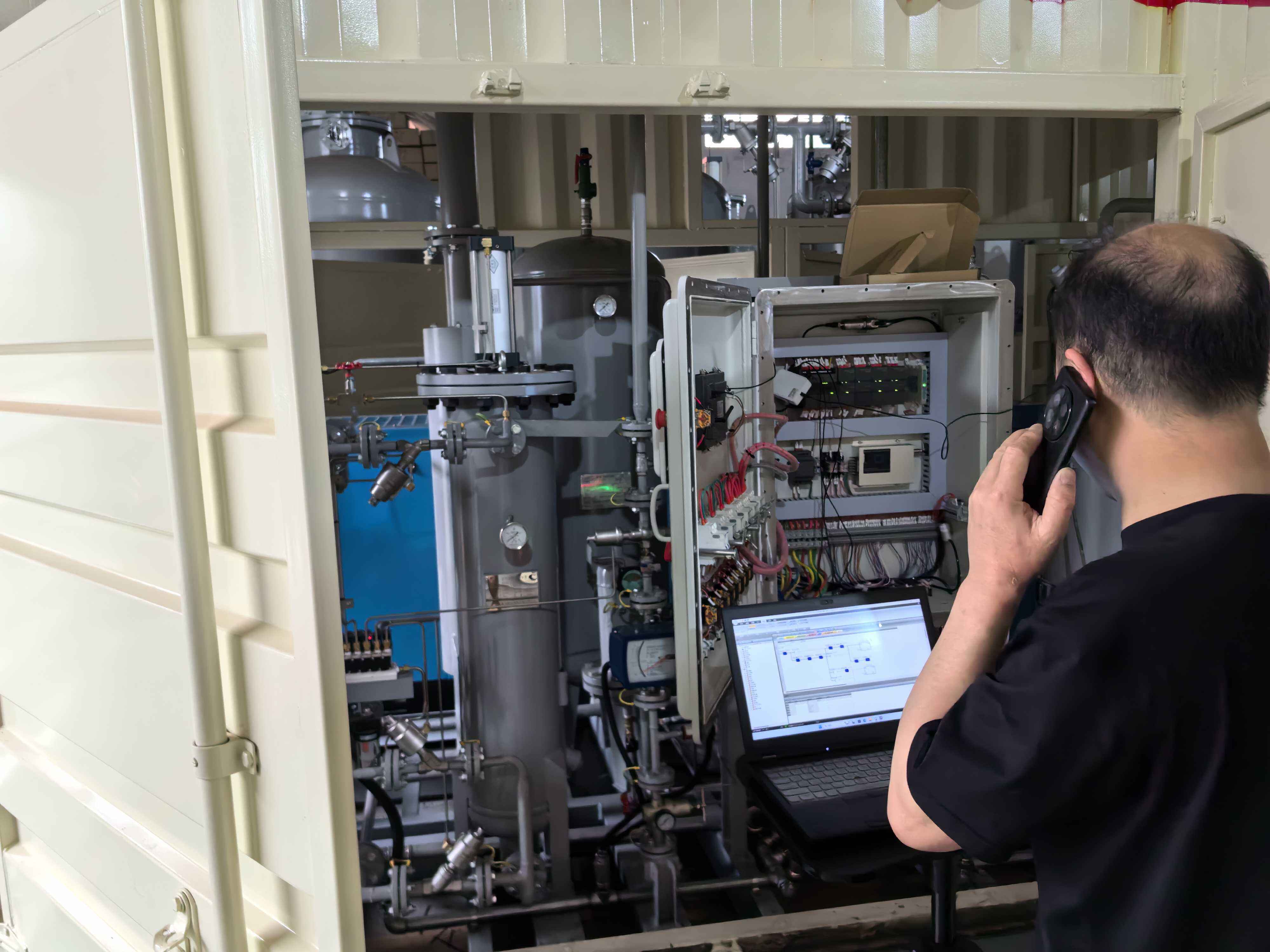
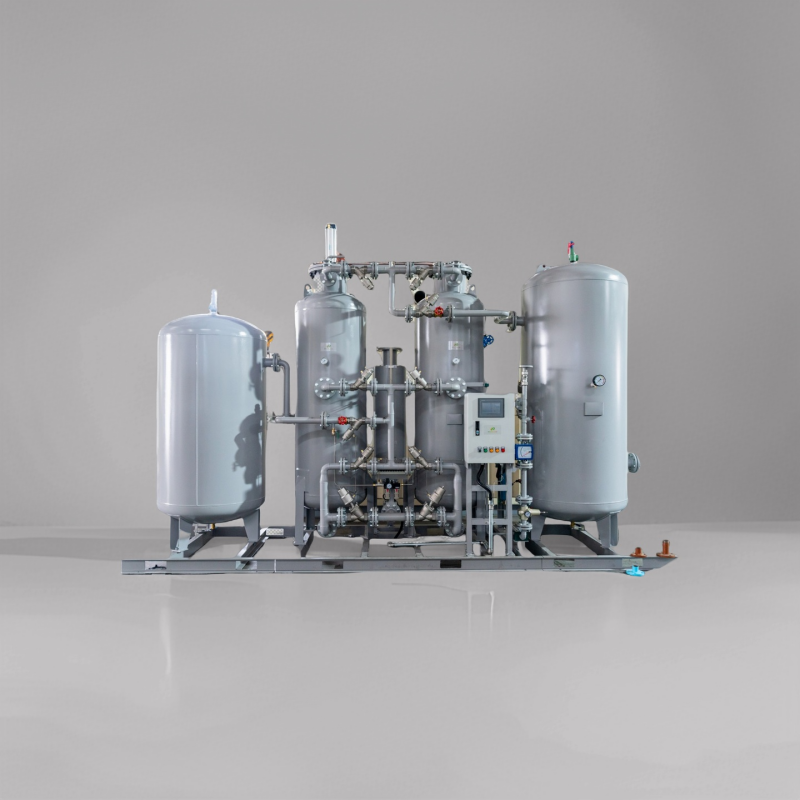
The nitrogen supply landscape has been transformed by the emergence of on-site nitrogen generation technology, creating a new category of nitrogen suppliers who provide equipment rather than delivered gas. These nitrogen suppliers manufacture and install pressure swing adsorption systems, membrane separation systems, or cryogenic generation equipment that produces nitrogen directly at the customer facility from compressed air. The business model shifts from ongoing gas purchases to capital equipment investment or lease arrangements, fundamentally changing the cost structure and supplier relationship. On-site generation has become increasingly attractive as technology has improved and as facilities seek greater supply independence and cost predictability.
When evaluating on-site generation equipment providers as alternative nitrogen suppliers, the comparison framework must shift from recurring delivery costs to total cost of ownership over the equipment lifecycle. A nitrogen suppliers offering on-site generation systems typically present pricing that includes equipment purchase or lease costs, installation expenses, maintenance contracts, and operating costs primarily consisting of compressed air and electricity. While the capital investment is substantial, facilities with consistent nitrogen demand often achieve return on investment within two to four years compared to ongoing bulk delivery costs. The key evaluation factors include required nitrogen purity levels, flow rate consistency, available compressed air supply, physical space for equipment installation, and maintenance capabilities, all of which determine whether on-site generation represents a viable alternative to traditional nitrogen suppliers.
Cost Components and Pricing Structures of Nitrogen Suppliers
Base Nitrogen Pricing and Volume Tier Structures
The foundation of any nitrogen supplier cost analysis begins with understanding base nitrogen pricing, which varies significantly based on contracted volumes, regional market conditions, and competitive dynamics. Nitrogen suppliers using bulk liquid delivery typically structure pricing in volume tiers, with per-unit costs decreasing as monthly or annual consumption commitments increase. Small-volume customers might pay three to five times more per hundred cubic feet than large industrial users committing to thousands of gallons monthly. These tiered pricing structures reflect the nitrogen suppliers' operational economics, where delivery and administrative costs are spread across larger volumes for high-consumption customers.
When comparing nitrogen suppliers, procurement professionals must look beyond quoted unit prices to understand the total cost implications of volume commitments and actual usage patterns. Many nitrogen suppliers include minimum purchase clauses that require payment for contracted volumes regardless of actual consumption, creating potential waste costs if demand decreases. Conversely, exceeding contracted volumes may trigger premium pricing for overage consumption. The most effective supplier comparisons involve modeling total annual costs across realistic usage scenarios, including seasonal variations and potential demand changes, rather than simply comparing base unit prices at a single volume point.
Fixed Costs: Tank Rentals, Cylinder Fees, and Service Charges
Beyond the nitrogen commodity cost, nitrogen suppliers impose various fixed charges that can represent twenty to forty percent of total supply costs depending on the supply method and contract terms. Bulk liquid nitrogen suppliers typically charge monthly tank rental fees that vary based on tank capacity, tank type, and market competitiveness. These rental fees may range from two hundred dollars monthly for small tanks to several thousand dollars for large bulk storage vessels. Some nitrogen suppliers offer tank purchase options or waive rental fees for customers meeting specified volume commitments, creating negotiation opportunities for high-volume users.
Cylinder-based nitrogen suppliers impose similar fixed costs through cylinder rental fees, demurrage charges for cylinders kept beyond standard rental periods, and sometimes hazmat fees or administrative charges. Understanding these fixed cost components is essential when comparing nitrogen suppliers, as they directly impact the break-even economics between different supply methods. For example, a facility might find that bulk liquid delivery appears more expensive on a per-unit nitrogen basis but becomes cost-competitive when cylinder rental fees and handling inefficiencies are factored into the cylinder supply model. Comprehensive supplier comparisons must build total cost models that capture all fixed charges alongside variable consumption costs.
Delivery Costs, Frequency, and Emergency Service Premiums
Delivery logistics represent another significant cost component that differentiates nitrogen suppliers and impacts total supply economics. Many nitrogen suppliers include regular scheduled deliveries within their base pricing for customers meeting minimum volumes, while others charge separately for each delivery based on distance, volume, and scheduling. Emergency deliveries or off-schedule fills typically carry substantial premium charges, sometimes doubling the effective cost of nitrogen delivered under these circumstances. Understanding the delivery cost structure and the nitrogen suppliers' ability to provide reliable scheduled service becomes critical for facilities with limited on-site storage capacity or high consumption rates that require frequent deliveries.
Geographic location significantly influences delivery costs and the competitive landscape among nitrogen suppliers in a given region. Facilities located near nitrogen production plants or supplier distribution hubs typically enjoy lower delivery costs and more competitive pricing than remote locations requiring longer delivery routes. When evaluating nitrogen suppliers, facilities should consider not only current delivery costs but also supply reliability during weather events, transportation disruptions, or peak demand periods when nitrogen suppliers' delivery capacity becomes constrained. The hidden costs of supply interruptions, including production downtime and emergency sourcing at premium prices, must be factored into comprehensive supplier comparisons even though they may be difficult to quantify precisely.
Comparative Analysis Framework for Evaluating Nitrogen Suppliers
Total Cost of Ownership Modeling Approach
Effective comparison of nitrogen suppliers requires moving beyond simple per-unit price comparisons to comprehensive total cost of ownership analysis that captures all cost components over a relevant time horizon. The total cost of ownership framework should include nitrogen commodity costs at realistic consumption volumes, all fixed charges including tank or cylinder rentals, delivery fees and frequency requirements, administrative costs associated with supplier management and ordering, inventory holding costs or losses from product evaporation, and the cost of capital for any upfront deposits or equipment investments. For facilities considering on-site generation as an alternative to traditional nitrogen suppliers, the analysis must extend over the equipment lifecycle, typically five to ten years, to properly compare capital and operating expenses against cumulative delivery costs.
Building accurate total cost of ownership models requires detailed consumption data, realistic usage projections, and clear understanding of how different nitrogen suppliers structure their pricing and service terms. Many facilities discover that their assumed nitrogen consumption differs significantly from actual metered usage, leading to suboptimal supplier arrangements or missed opportunities for cost reduction. When comparing nitrogen suppliers, procurement teams should request detailed pricing breakdowns that itemize all cost components and model scenarios including baseline consumption, seasonal peaks, potential growth, and possible decreases in demand. This analytical rigor enables identification of the supplier arrangement that minimizes total costs while meeting operational requirements for purity, pressure, and supply reliability.
Supply Reliability and Business Continuity Considerations
While cost comparison dominates most supplier evaluation processes, nitrogen supply reliability and business continuity capabilities represent equally critical factors that may justify premium pricing for certain nitrogen suppliers. Supply interruptions can result in production downtime costs that dwarf nitrogen commodity savings, particularly in continuous process industries where nitrogen supply failure triggers expensive shutdowns and restart procedures. When comparing nitrogen suppliers, evaluation criteria should include supplier delivery reliability track records, backup supply capabilities, response times for emergency deliveries, and geographic redundancy of supply sources that provide resilience against regional disruptions.
Different nitrogen suppliers offer varying levels of supply assurance and business continuity support that may justify different cost structures. Larger nitrogen suppliers with extensive distribution networks and multiple production facilities can often provide greater supply security than smaller regional suppliers, though potentially at higher cost. On-site nitrogen generation equipment, when properly maintained with adequate backup systems, offers the ultimate supply independence from external nitrogen suppliers but shifts reliability risk to equipment performance and maintenance execution. The appropriate balance between cost optimization and supply reliability depends on each facility's criticality of nitrogen supply, ability to tolerate interruptions, and cost of downtime relative to nitrogen supply expenses.
Service Quality, Technical Support, and Contract Flexibility
Beyond pricing and reliability, nitrogen suppliers differ significantly in service quality dimensions that impact operational efficiency and long-term supplier relationship value. Technical support capabilities, including application engineering assistance, purity verification services, and optimization consulting, vary widely among nitrogen suppliers and can provide substantial value for facilities with complex or evolving nitrogen requirements. Suppliers offering proactive tank level monitoring, automated ordering systems, and detailed consumption reporting enable more efficient nitrogen management compared to suppliers requiring manual monitoring and ordering processes.
Contract flexibility represents another important comparison dimension when evaluating nitrogen suppliers, particularly for facilities with uncertain future demand or evolving business conditions. Contract terms regarding price adjustment mechanisms, volume commitment modifications, early termination provisions, and renewal conditions should be carefully compared across potential nitrogen suppliers. Some suppliers offer month-to-month arrangements providing maximum flexibility but typically at premium pricing, while others require multi-year commitments with favorable pricing but limited ability to adjust terms as circumstances change. The optimal contract structure balances cost efficiency with appropriate flexibility given each facility's demand certainty and business planning horizon.
Strategic Considerations for Nitrogen Supplier Selection in 2025
Technology Trends and Their Impact on Supplier Options
The nitrogen supply market continues evolving as technological advances improve the economics and capabilities of different supply methods, influencing how industrial buyers should evaluate nitrogen suppliers in 2025 and beyond. On-site nitrogen generation technology has improved substantially in efficiency, reliability, and cost-effectiveness, making generation systems viable for increasingly smaller consumption profiles that previously required bulk delivery from traditional nitrogen suppliers. Advances in pressure swing adsorption technology, membrane systems, and monitoring capabilities have reduced operating costs while improving nitrogen purity consistency and system uptime, narrowing the economic advantage historically held by bulk liquid nitrogen suppliers for many application profiles.
Digital technologies are also reshaping how nitrogen suppliers deliver value and how customers manage their nitrogen supply relationships. Internet-connected tank monitoring systems enable nitrogen suppliers to optimize delivery routing and provide customers with real-time consumption visibility, improving efficiency for both parties. Some nitrogen suppliers now offer mobile applications and web portals that provide transparent pricing, consumption analytics, and simplified ordering, enhancing service quality and customer experience. When evaluating nitrogen suppliers in 2025, facilities should consider not only current pricing and service capabilities but also suppliers' technology roadmaps and digital service offerings that may provide competitive advantages and operational benefits over the contract period.
Sustainability Factors and Environmental Considerations
Environmental sustainability has emerged as an increasingly important factor in supplier selection across industrial categories, including nitrogen suppliers, as companies establish carbon reduction goals and face stakeholder pressure regarding environmental performance. Different nitrogen supply methods carry substantially different carbon footprints, with transportation-intensive bulk liquid delivery generally producing higher greenhouse gas emissions per unit of nitrogen delivered compared to on-site generation at the point of use. When comparing nitrogen suppliers, forward-thinking facilities are beginning to quantify and consider the carbon intensity of different supply arrangements alongside cost and reliability factors.
Some nitrogen suppliers have responded to sustainability concerns by investing in carbon reduction initiatives, including fleet electrification, renewable energy for production facilities, and carbon offset programs. While these sustainability programs may carry cost premiums, they provide value for customers with corporate environmental commitments or those facing regulatory pressure regarding supply chain emissions. As sustainability reporting requirements expand and carbon pricing mechanisms potentially emerge, the environmental profile of nitrogen suppliers may transition from a secondary consideration to a primary evaluation criterion for many industrial buyers, making it prudent to consider these factors in 2025 supplier selection decisions.
Multi-Sourcing Strategies and Supplier Relationship Management
Large facilities or multi-site operations should consider strategic approaches to nitrogen supplier relationships that may include multi-sourcing strategies, preferred supplier programs, or hybrid supply arrangements combining different supply methods. Working with multiple nitrogen suppliers can provide supply redundancy, competitive pressure that moderates pricing, and access to specialized capabilities from different suppliers. However, multi-sourcing also creates complexity in supplier management, potentially reduces volume leverage with individual suppliers, and may increase administrative overhead compared to consolidated single-supplier arrangements.
The optimal supplier relationship strategy depends on nitrogen consumption volumes, criticality of supply, organizational capabilities for supplier management, and the specific nitrogen suppliers available in relevant geographic markets. Enterprise-level facilities might negotiate corporate agreements with preferred nitrogen suppliers that provide standardized pricing and terms across multiple locations while allowing local tactical sourcing when advantageous. Hybrid approaches combining on-site generation for base load consumption with bulk delivery contracts from nitrogen suppliers for peak demands or backup supply offer another strategic alternative that balances cost optimization, supply security, and capital efficiency. Sophisticated nitrogen procurement strategies treat supplier selection as an ongoing strategic process rather than a one-time transactional decision, with regular benchmarking and periodic rebidding to ensure competitive positioning.
FAQ
What is the average cost difference between bulk liquid nitrogen suppliers and on-site generation?
The cost comparison between bulk liquid nitrogen suppliers and on-site generation depends heavily on consumption volume and operating hours, but facilities using more than fifty to one hundred cubic feet per minute on a consistent basis typically achieve thirty to seventy percent cost savings with on-site generation compared to ongoing bulk delivery costs. The break-even analysis requires comparing total delivered costs from nitrogen suppliers including all fees against the capital investment, maintenance, and operating costs of generation equipment over a five to ten year period. Smaller users or those with intermittent demand generally find that bulk liquid nitrogen suppliers remain more economical despite higher per-unit costs due to the capital investment required for generation systems.
How do nitrogen suppliers determine pricing for different customers?
Nitrogen suppliers typically determine customer-specific pricing based on multiple factors including contracted monthly or annual consumption volumes, delivery distance from production or distribution facilities, required delivery frequency based on storage capacity and consumption rate, contract duration and commitment level, competitive intensity in the local market, and the customer's total gas portfolio if purchasing multiple products. Larger volume commitments generally qualify for lower per-unit pricing as nitrogen suppliers spread their fixed costs across more volume, while smaller customers pay premium prices reflecting the higher relative cost to serve. Understanding these pricing determinants enables more effective negotiation with nitrogen suppliers and helps identify which suppliers may offer the most competitive terms for your specific usage profile and location.
What questions should I ask when comparing nitrogen suppliers for my facility?
When evaluating nitrogen suppliers, essential questions include requesting complete cost breakdowns showing all fees beyond base nitrogen pricing, understanding minimum purchase commitments and implications for under or over consumption, clarifying delivery scheduling capabilities and lead times for both routine and emergency deliveries, asking about backup supply options and service guarantees during supply disruptions, inquiring about contract terms including duration, renewal conditions, and price adjustment mechanisms, and requesting customer references from similar facilities in your industry. Additionally, ask potential nitrogen suppliers about their technical support capabilities, tank monitoring and management systems, safety training and compliance support, and their experience serving your specific application requirements to ensure they can meet both cost and operational needs effectively.
When should a facility consider switching from delivered nitrogen to on-site generation?
Facilities should seriously evaluate switching from traditional nitrogen suppliers to on-site generation when consumption reaches consistent levels above approximately fifty cubic feet per minute, when delivered nitrogen costs represent a significant operational expense exceeding one hundred thousand dollars annually, when supply reliability concerns exist due to remote location or critical application requirements, or when substantial cost increases from nitrogen suppliers make capital alternatives more attractive. The decision analysis should include comprehensive total cost of ownership modeling, assessment of available compressed air supply and facility infrastructure, consideration of required nitrogen purity levels and whether generation can meet specifications, and evaluation of internal maintenance capabilities or willingness to contract ongoing service support for generation equipment.
Table of Contents
- Understanding Different Types of Nitrogen Suppliers and Supply Models
- Cost Components and Pricing Structures of Nitrogen Suppliers
- Comparative Analysis Framework for Evaluating Nitrogen Suppliers
- Strategic Considerations for Nitrogen Supplier Selection in 2025
-
FAQ
- What is the average cost difference between bulk liquid nitrogen suppliers and on-site generation?
- How do nitrogen suppliers determine pricing for different customers?
- What questions should I ask when comparing nitrogen suppliers for my facility?
- When should a facility consider switching from delivered nitrogen to on-site generation?