 EN
EN
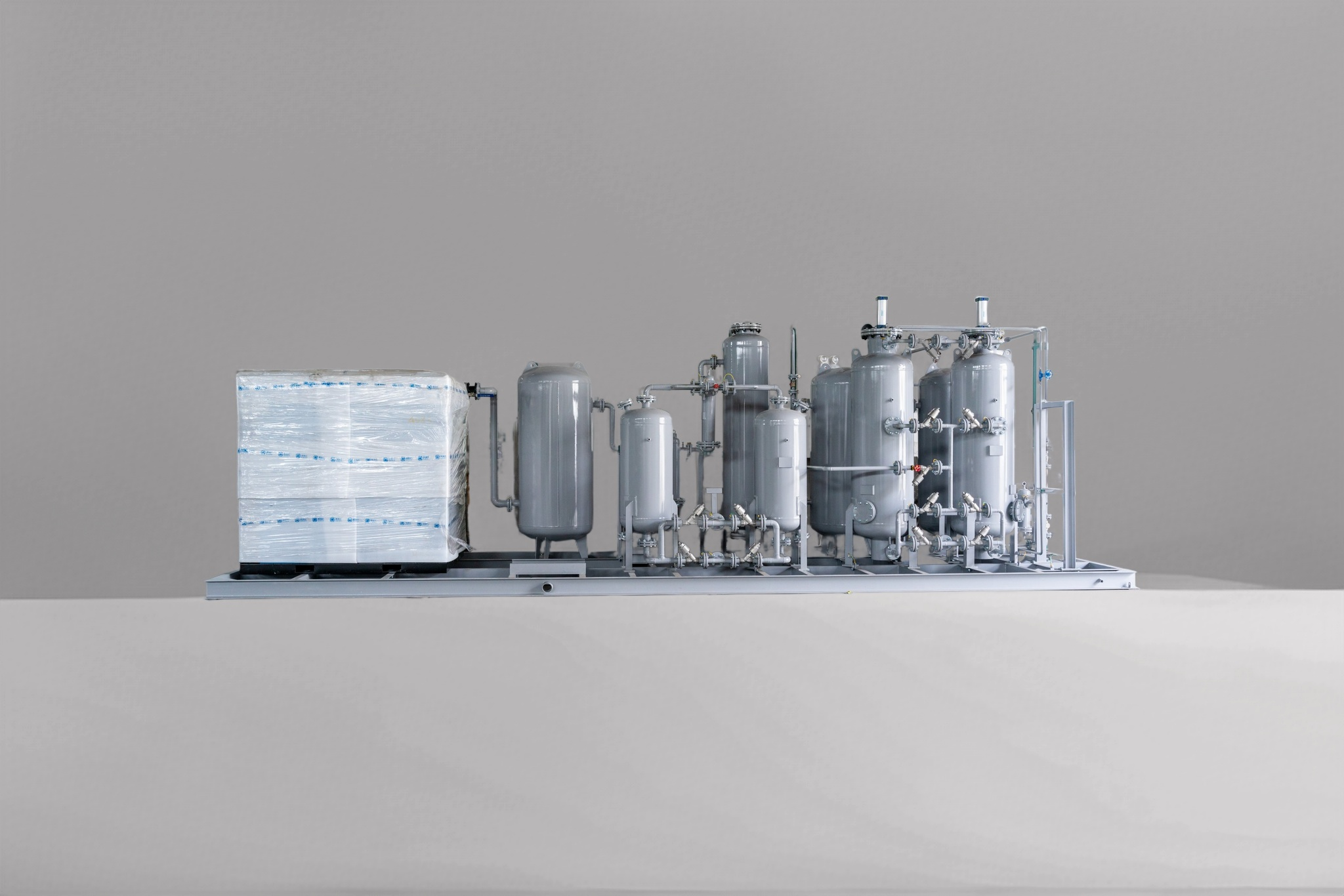
Maintaining optimal performance of your nitrogen generation system requires more than routine monitoring and operational adjustments. The availability and strategic procurement of nitrogen generator spare parts form the backbone of any comprehensive maintenance program, ensuring continuous operation, minimizing costly downtime, and extending the service life of critical equipment. Whether you operate a Pressure Swing Adsorption (PSA) system, membrane generator, or cryogenic unit, understanding which components require regular replacement, when to stock essential parts, and how to source quality replacements directly impacts your facility's productivity and nitrogen supply reliability.
This comprehensive guide addresses the practical realities of managing nitrogen generator spare parts across different system types, usage intensities, and industrial environments. From identifying wear-prone components to establishing inventory strategies that balance cost efficiency with operational security, facility managers and maintenance engineers will find actionable insights for building resilient spare parts programs. The goal is to transform spare parts management from a reactive scramble during equipment failures into a proactive component of operational excellence that protects both production schedules and capital investments in nitrogen generation infrastructure.
Critical Components Requiring Regular Replacement
Carbon Molecular Sieve Material in PSA Systems
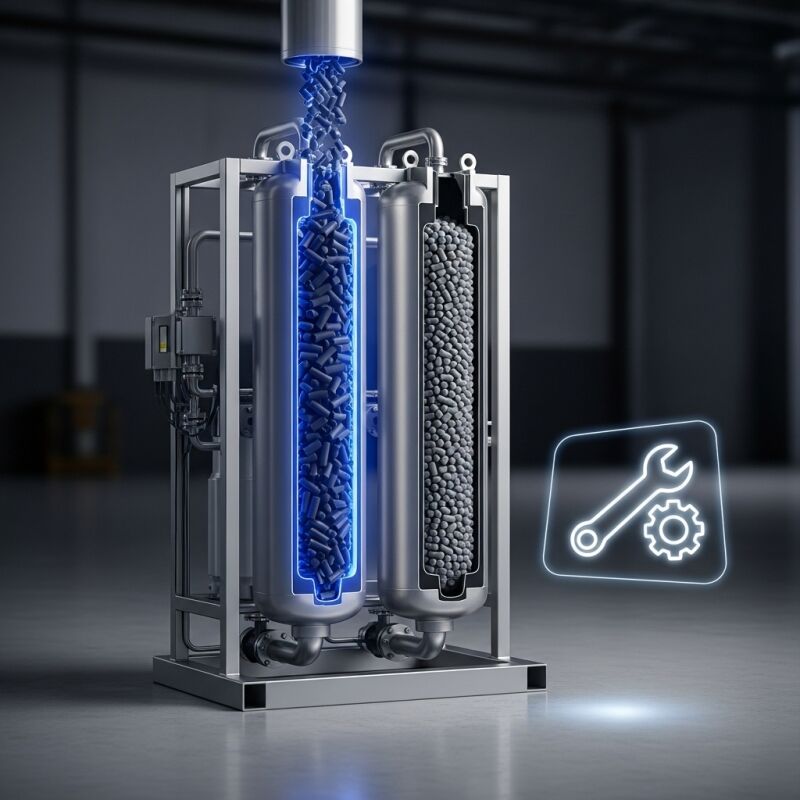
The carbon molecular sieve (CMS) represents the heart of any PSA nitrogen generator, and its gradual degradation defines the operational lifespan of the entire system. This specialized adsorbent material selectively captures oxygen molecules while allowing nitrogen to pass through, but continuous pressure cycling, moisture exposure, and contamination gradually reduce its separation efficiency. Most industrial PSA systems experience measurable CMS performance decline after 50,000 to 80,000 operating hours, manifesting as reduced nitrogen purity, increased cycle times, or elevated power consumption. Maintaining nitrogen generator spare parts inventory must prioritize CMS material as a long-term replacement item, though its extended service life typically provides ample planning time.
Quality CMS material varies significantly between suppliers, with particle size distribution, crush strength, and nitrogen selectivity directly affecting system performance. When sourcing nitrogen generator spare parts for CMS replacement, specifications should match or exceed original equipment manufacturer standards, as inferior adsorbent materials may deliver acceptable initial performance but degrade rapidly under operational stress. The replacement process requires complete system depressurization, careful removal of aged material, thorough vessel cleaning to eliminate dust and degradation products, and precise loading procedures that prevent particle breakage. Many facilities schedule CMS replacement during planned maintenance windows coordinating with other major component renewals to maximize efficiency and minimize production disruption.
Intake Filters and Coalescers
Air intake filtration systems protect downstream components from particulate contamination, moisture, and oil aerosols that would otherwise compromise nitrogen purity and damage sensitive equipment. The pre-filter elements, coalescing filters, and activated carbon towers that constitute this protection system require replacement at intervals ranging from quarterly to annually, depending on ambient air quality and system operating hours. Neglecting filter maintenance allows contaminants to reach the adsorption vessels, accelerating CMS degradation and potentially introducing impurities into the nitrogen product stream. Effective nitrogen generator spare parts management ensures continuous availability of filter elements matching specific system requirements for filtration efficiency, pressure drop characteristics, and contaminant removal capacity.
Filter replacement scheduling should respond to differential pressure monitoring rather than rigid calendar intervals, as actual service life varies with environmental conditions and air quality. Industrial facilities located near manufacturing operations, coastal environments with salt aerosols, or areas with high particulate loading may experience dramatically shortened filter life compared to clean rural installations. Stocking nitrogen generator spare parts for filtration systems requires understanding these site-specific factors and maintaining sufficient inventory to address both routine replacements and unexpected contamination events that necessitate premature filter changes. The relatively modest cost of filter elements compared to potential system damage from contamination breakthrough makes this category a clear priority for spare parts investment.
Control Valves and Pneumatic Actuators
PSA nitrogen generators depend on precise timing of multiple control valves that direct compressed air flow, manage bed pressurization and depressurization cycles, and regulate product nitrogen discharge. These valves cycle thousands of times daily, subjecting seals, diaphragms, and mechanical components to continuous wear that eventually leads to internal leakage, sluggish response, or complete failure. Valve malfunctions typically manifest as reduced system efficiency, inconsistent nitrogen purity, or abnormal cycle behavior before progressing to complete failure. Maintaining nitrogen generator spare parts inventory for control valves and associated pneumatic actuators enables rapid response to these degradation patterns before they escalate into production-affecting failures.
The most vulnerable valve components include diaphragms, seals, springs, and pilot assemblies that can often be replaced through rebuilding existing valve bodies rather than complete valve replacement. However, stocking complete valve assemblies as nitrogen generator spare parts provides the fastest restoration path during unexpected failures, as field rebuilding requires specialized tools, technical knowledge, and time that may not be available during production emergencies. Facilities operating multiple nitrogen generators or those in remote locations particularly benefit from maintaining complete valve assemblies, while operations with strong maintenance capabilities and supplier proximity may emphasize rebuild kits to optimize spare parts investment efficiency. Understanding your facility's specific risk tolerance and maintenance capabilities guides appropriate valve spare parts strategy.
Pressure Sensors and Instrumentation
Modern nitrogen generators incorporate sophisticated monitoring and control systems relying on pressure transducers, oxygen analyzers, flow meters, and temperature sensors that provide real-time performance data and enable automated system adjustments. These electronic components experience failure rates driven by electrical stress, environmental exposure, and inherent component reliability rather than the mechanical wear affecting valves and seals. Sensor failures typically appear suddenly without progressive degradation warnings, making system response unpredictable and potentially affecting product quality or operational safety. Including critical sensors and instrumentation in nitrogen generator spare parts inventory provides insurance against these sudden-failure scenarios that could otherwise necessitate emergency expediting with associated cost premiums and extended downtime.
Oxygen analyzers deserve particular attention in spare parts planning, as these devices directly verify nitrogen purity and often integrate with safety interlocks preventing off-specification product delivery. Sensor element degradation, calibration drift, or electronic failure can render these critical instruments unreliable, potentially allowing purity excursions to reach downstream processes. Most oxygen analyzers incorporate consumable sensor elements requiring periodic replacement according to manufacturer specifications, typically ranging from annual to biennial intervals depending on technology and operating conditions. Comprehensive nitrogen generator spare parts programs address both routine sensor element replacement and complete analyzer backup units for mission-critical applications where nitrogen purity verification cannot tolerate any measurement interruption.
Strategic Inventory Planning and Procurement
Criticality Assessment and Stock Optimization
Not all nitrogen generator spare parts merit equal inventory investment, and effective spare parts management begins with systematic criticality assessment that evaluates each component's failure probability, replacement lead time, and operational impact. High-criticality items combine significant failure consequences with extended procurement cycles, justifying on-site inventory despite capital investment. Components like specialized control valves with 12-week lead times and single-source suppliers clearly warrant stocking, while commodity items available locally with next-day delivery may require no dedicated inventory. This risk-based approach to nitrogen generator spare parts optimization balances inventory carrying costs against downtime risk, creating tailored strategies reflecting specific operational requirements and risk tolerance.
Quantitative reliability data informs optimal stocking decisions when available, using failure rate statistics and lead time distributions to calculate appropriate safety stock levels. However, many facilities lack historical failure data for nitrogen generation equipment, necessitating initial stocking decisions based on manufacturer recommendations, industry benchmarks, and conservative risk assessment. As operational experience accumulates, actual failure patterns and consumption rates enable progressive refinement of nitrogen generator spare parts inventory, potentially reducing some stock levels while identifying previously underestimated requirements. Regular inventory review cycles, typically conducted annually or biannually, ensure spare parts strategies evolve with changing operational conditions, equipment aging, and supply chain dynamics rather than remaining static based on outdated assumptions.
Balancing OEM and Third-Party Sourcing
The decision between original equipment manufacturer parts and third-party alternatives significantly affects both spare parts cost and performance assurance for nitrogen generation systems. OEM nitrogen generator spare parts provide guaranteed compatibility, documented performance specifications, and often warranty protection, but typically command premium pricing reflecting brand value and distribution margins. Third-party suppliers offer cost savings ranging from modest to substantial depending on component complexity and market competition, though quality consistency varies significantly between reputable industrial suppliers and commodity parts distributors. Critical components directly affecting nitrogen purity or system safety generally justify OEM sourcing despite cost premiums, while peripheral items like standard fasteners, gauges, and electrical components may safely utilize third-party alternatives.
Evaluating third-party nitrogen generator spare parts requires technical diligence beyond simple dimensional compatibility, examining material specifications, manufacturing quality, and performance testing data. Reputable alternative suppliers provide detailed technical documentation, material certifications, and often performance guarantees matching or exceeding OEM specifications. The carbon molecular sieve market exemplifies this dynamic, with several specialized adsorbent manufacturers producing CMS material meeting or exceeding performance standards of major nitrogen generator brands at competitive pricing. Conversely, valves and control components involve more complex interactions between mechanical design, materials, and system integration, making third-party substitution riskier without thorough validation. Successful spare parts strategies often employ hybrid approaches, leveraging cost-effective third-party sources for validated components while maintaining OEM relationships for critical or complex items.
Establishing Supplier Relationships and Agreements
Reliable access to nitrogen generator spare parts depends not merely on identifying capable suppliers but establishing relationships that prioritize your requirements during supply constraints and provide preferential terms reflecting ongoing business value. Formal supplier agreements can secure pricing stability, guaranteed lead times, and priority allocation during component shortages that periodically affect industrial markets. For facilities operating multiple nitrogen generators or planning long-term equipment service, negotiating blanket purchase orders or framework agreements with key suppliers often yields significant cost savings while simplifying procurement administration and ensuring parts availability when needed.
The value of established supplier relationships becomes particularly evident during unexpected failures requiring emergency parts procurement. Suppliers familiar with your equipment configuration, operating history, and technical requirements can expedite order processing, suggest optimal solutions, and sometimes arrange extraordinary delivery accommodations that generic transactions would not receive. For organizations seeking comprehensive support, partnering with service providers offering nitrogen generator spare parts alongside maintenance expertise and technical support creates integrated solutions addressing both component supply and application knowledge. These relationships transform spare parts procurement from transactional purchasing into strategic partnerships supporting long-term operational excellence and equipment reliability.
Documentation and Traceability Systems
Effective nitrogen generator spare parts management requires systematic documentation capturing component specifications, procurement sources, installation dates, and performance history. This information foundation enables data-driven inventory decisions, facilitates rapid parts identification during failures, and supports quality investigations when component defects or premature failures occur. Modern computerized maintenance management systems (CMMS) provide sophisticated platforms for tracking spare parts inventory, automating reorder triggers, and linking component data with maintenance work orders and equipment history. However, even basic spreadsheet systems capturing essential information deliver substantial value compared to informal documentation approaches that leave critical knowledge residing solely in individual memory.
Traceability extends beyond internal record-keeping to include supplier documentation, material certifications, and conformance testing data that verify nitrogen generator spare parts meet specified requirements. For regulated industries or applications with stringent quality requirements, maintaining complete traceability from initial procurement through installation and eventual replacement provides essential audit support and enables root cause analysis following equipment issues. Component serialization, where practical, links specific parts to procurement batches and manufacturing lots, facilitating targeted responses if supplier quality issues emerge affecting particular production runs. This documentation discipline transforms spare parts management from simple inventory control into comprehensive asset management supporting both operational reliability and regulatory compliance objectives.
Maintenance Planning and Replacement Strategies
Predictive Monitoring and Condition-Based Replacement
Advanced nitrogen generator spare parts management transcends fixed replacement schedules by implementing condition monitoring systems that assess actual component health and predict remaining service life. Monitoring approaches range from simple differential pressure measurements indicating filter loading to sophisticated vibration analysis, thermography, and performance trending identifying incipient failures before functional impact. This condition-based maintenance philosophy maximizes component utilization by avoiding premature replacement while providing early warning enabling planned interventions rather than reactive emergency repairs. The transition from calendar-based to condition-based replacement requires initial investment in monitoring capabilities and analytical expertise but typically delivers substantial returns through extended component life and reduced downtime.
Implementing predictive maintenance for nitrogen generator spare parts begins with identifying components amenable to condition monitoring and establishing baseline performance parameters during normal operation. Gradual deviations from baseline patterns indicate developing issues requiring investigation and potential parts replacement. For example, progressive increase in valve actuation times suggests seal wear requiring rebuild or replacement before complete failure occurs. Similarly, trending nitrogen purity measurements against CMS age reveals degradation patterns enabling optimized replacement timing that balances adsorbent utilization against purity risk. These monitoring programs generate data validating or refuting standard replacement intervals, enabling continuous improvement in maintenance strategies and spare parts consumption forecasts.
Coordinated Replacement During Planned Outages
Operational efficiency favors consolidating nitrogen generator spare parts replacement during planned maintenance outages rather than responding to individual component failures as they occur. This approach minimizes production disruptions by grouping interventions, reduces labor costs through efficient work planning, and enables simultaneous replacement of multiple components approaching end-of-life. Annual or biennial major maintenance events provide opportunities addressing CMS replacement, control valve rebuilds, filter system overhauls, and instrumentation calibration or renewal within a single extended outage rather than accumulating multiple shorter interruptions. The trade-off involves potentially replacing some components before absolute failure, but this cost typically proves minor compared to avoided production losses and maintenance efficiency gains.
Successful coordinated maintenance requires advance planning identifying which nitrogen generator spare parts warrant replacement during upcoming outages based on condition assessment, age, and reliability history. Creating detailed work plans specifying required parts, tools, procedures, and estimated durations enables procurement lead time management and ensures all necessary resources are available when maintenance windows arrive. For facilities operating redundant nitrogen generators, planned maintenance can often occur without production impact by shifting load to alternate units, though this capability requires advance capacity planning ensuring remaining equipment can satisfy facility nitrogen demand throughout maintenance duration. The planning discipline supporting coordinated replacement delivers benefits extending beyond the nitrogen system itself, often serving as a model for maintenance optimization across other facility equipment.
Emergency Response Procedures and Critical Spares
Despite best preventive maintenance efforts, unexpected failures occasionally occur, and effective nitrogen generator spare parts programs include defined emergency response procedures and critically designated components enabling rapid restoration. Critical spares typically include long-lead items whose failure would cause extended outages if procurement began only after failure occurred, such as specialized control valves, unique sensors, or major assemblies without alternative sources. Maintaining these items in inventory represents insurance against low-probability but high-impact failure scenarios, with inventory value justified by avoided business interruption costs during extended procurement and repair cycles.
Emergency procedures should specify decision criteria distinguishing situations warranting immediate parts procurement through expedited channels from those allowing normal purchasing processes, balancing urgency against cost implications. Establishing relationships with suppliers capable of emergency response, potentially including after-hours technical support and expedited shipping arrangements, provides additional protection beyond physical inventory. Some facilities implement reciprocal spare parts agreements with nearby operations using similar nitrogen generation equipment, creating informal mutual support networks that effectively expand available inventory without proportional cost increase. These emergency preparedness measures transform nitrogen generator spare parts management from purely operational function into business continuity planning supporting overall organizational resilience.
Quality Assurance and Performance Verification
Incoming Inspection and Component Qualification
Receiving nitrogen generator spare parts represents merely the first step in quality assurance, with incoming inspection protocols verifying components meet specifications before entering inventory or installation. Basic inspections confirm correct part numbers, examine packaging for shipping damage, and verify quantities against purchase orders, but more rigorous programs may include dimensional verification, material testing, and functional checks depending on component criticality and supplier history. These inspections occasionally identify errors, damage, or quality issues that would otherwise remain undetected until installation attempts or operational failures, providing early intervention opportunities that prevent complications and project delays.
For critical nitrogen generator spare parts or when utilizing new suppliers, enhanced qualification procedures may include bench testing, material certification review, or even trial installation and performance monitoring before committing to volume procurement. Carbon molecular sieve material exemplifies components benefiting from qualification testing, as performance characteristics cannot be reliably assessed through visual inspection alone. Small-scale adsorption testing or trial fills in pilot systems can reveal performance issues before committing material to full-scale system charging. While these qualification procedures add time and cost to initial procurement, they provide insurance against specification non-conformance that could compromise system performance or waste capital investment in unsuitable components.
Post-Installation Performance Monitoring
Installing nitrogen generator spare parts completes only the mechanical intervention, with systematic performance monitoring following replacement verifying components function as intended and system operation returns to expected parameters. This verification ranges from simple functional checks confirming valve actuation and sensor readings to comprehensive performance testing documenting nitrogen purity, flow rates, power consumption, and cycle parameters. Deviations from anticipated performance may indicate installation errors, component defects, or incompatibilities requiring investigation and remediation. Documenting post-installation performance establishes baseline data for future condition monitoring and provides early detection of issues potentially covered by warranty provisions.
The monitoring period following major component replacement should extend beyond immediate post-installation checks to include several days or weeks of operation capturing performance across varying loads and operating conditions. This extended observation identifies problems that may not appear during initial startup but emerge under specific circumstances. For example, control valve issues might appear only during rapid load changes, or filter performance problems might emerge gradually as flow rates increase. Systematic documentation of this break-in period builds confidence in nitrogen generator spare parts performance and validates procurement decisions, while highlighting any problematic components requiring supplier engagement or alternative sourcing consideration for future replacements.
Continuous Improvement and Supplier Performance
Long-term success in nitrogen generator spare parts management requires continuous evaluation of component performance, supplier reliability, and program effectiveness, using operational experience to refine strategies and optimize outcomes. Tracking metrics including component service life, failure modes, supplier lead time accuracy, and quality conformance rates reveals patterns informing inventory adjustments, procurement decisions, and maintenance strategy evolution. Components consistently exceeding expected service life may warrant reduced inventory levels or extended replacement intervals, while premature failures trigger investigation into root causes potentially including specification inadequacy, quality issues, or operational factors affecting component longevity.
Supplier performance evaluation extends beyond price competitiveness to encompass delivery reliability, technical support quality, and responsiveness during emergency situations. Formal supplier scorecards quantifying these dimensions enable objective comparisons supporting sourcing decisions and provide constructive feedback encouraging supplier improvement. High-performing suppliers earn increased business and preferential status, while consistently problematic suppliers face business reduction or replacement. This performance-based approach to supplier management creates incentives for continuous improvement throughout the nitrogen generator spare parts supply chain, ultimately benefiting equipment reliability and operational efficiency. Regular program reviews, potentially conducted quarterly or annually, synthesize this performance data with operational experience and market developments, ensuring spare parts strategies remain aligned with evolving business requirements and technological capabilities.
FAQ
How often should carbon molecular sieve material be replaced in PSA nitrogen generators?
Carbon molecular sieve replacement intervals typically range from 50,000 to 100,000 operating hours depending on system design, air quality, and operating conditions. Rather than adhering to rigid schedules, monitor nitrogen purity trends, pressure swing timing, and power consumption to identify performance degradation indicating adsorbent aging. Systems operating in clean environments with high-quality inlet air filtration often achieve extended CMS service life, while installations with challenging air quality or frequent moisture exposure may require earlier replacement. Maintaining detailed performance records enables data-driven replacement timing optimizing adsorbent utilization while maintaining required nitrogen quality and system efficiency throughout the service interval.
What distinguishes critical spare parts requiring immediate inventory from components that can be procured as needed?
Critical nitrogen generator spare parts combine three characteristics: relatively high failure probability or short service life, extended procurement lead times from suppliers, and significant operational impact if unavailable during failures. Components like specialized control valves with 8-12 week lead times clearly warrant inventory despite capital investment, as emergency procurement cannot prevent extended downtime. Conversely, standard items available locally with short lead times require no dedicated stock even if failure probability is high. The operational impact dimension considers your facility's nitrogen dependency and backup capabilities, with critical-service applications justifying broader spare parts inventory than installations with redundant systems or alternative nitrogen sources providing operational flexibility during component replacement.
Can third-party nitrogen generator spare parts deliver equivalent performance to original manufacturer components?
Third-party spare parts can match or exceed OEM performance when sourced from reputable industrial suppliers maintaining rigorous quality standards and technical specifications, though careful evaluation is essential. Critical components directly affecting nitrogen purity, system safety, or involving complex engineering should undergo thorough qualification including specification verification, material certification review, and potentially performance testing before operational deployment. Many third-party suppliers specialize in specific component categories like adsorbent materials or filtration systems, offering deep technical expertise and competitive alternatives to OEM parts. However, commodity suppliers lacking nitrogen generation expertise may provide dimensionally compatible but functionally inadequate components, making supplier qualification as important as component specification in ensuring third-party parts deliver acceptable performance and reliability in your specific application.
What documentation should be maintained for nitrogen generator spare parts management and regulatory compliance?
Comprehensive spare parts documentation includes component specifications, procurement records identifying suppliers and purchase dates, material certifications verifying conformance to specified requirements, installation records linking parts to specific equipment and work orders, and performance data tracking component service life and failure modes. For regulated industries, maintain traceability from initial procurement through installation and eventual replacement, including lot numbers, serial numbers where applicable, and any quality testing results. This documentation foundation supports maintenance planning through historical analysis, enables rapid parts identification during failures, facilitates warranty claims when component defects occur, and provides audit evidence demonstrating compliance with maintenance and quality requirements applicable to your industry and operations.
Table of Contents
- Critical Components Requiring Regular Replacement
- Strategic Inventory Planning and Procurement
- Maintenance Planning and Replacement Strategies
- Quality Assurance and Performance Verification
-
FAQ
- How often should carbon molecular sieve material be replaced in PSA nitrogen generators?
- What distinguishes critical spare parts requiring immediate inventory from components that can be procured as needed?
- Can third-party nitrogen generator spare parts deliver equivalent performance to original manufacturer components?
- What documentation should be maintained for nitrogen generator spare parts management and regulatory compliance?