 EN
EN
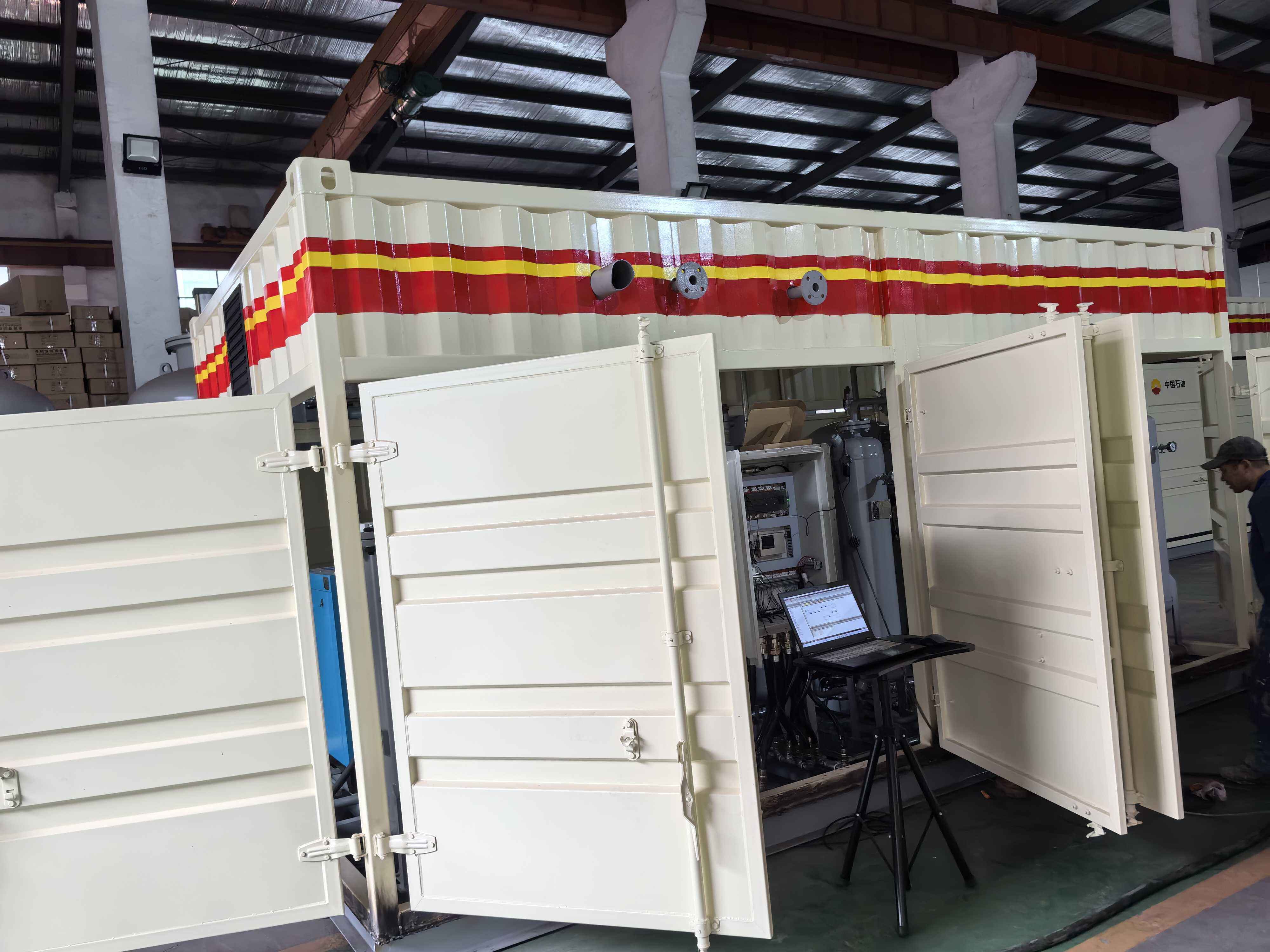
Industrial facilities operating aging nitrogen generation systems often face a critical decision point: invest in costly new equipment or continue patching deteriorating components. Yet there exists a third option that many operations overlook—a strategic nitrogen generator performance upgrade that transforms obsolete assets into reliable, efficient production tools. This approach delivers the operational benefits of modern technology without the capital expenditure and downtime associated with complete system replacement, making it an increasingly attractive solution for budget-conscious operations seeking to extend equipment life cycles while improving output quality and reducing energy consumption.
When nitrogen generation equipment reaches the seven to ten year operational threshold, performance degradation becomes increasingly evident through declining purity levels, reduced flow rates, and escalating energy costs. Rather than accepting these limitations as inevitable consequences of aging infrastructure, forward-thinking maintenance teams recognize these symptoms as indicators that a targeted nitrogen generator performance upgrade can restore—and often exceed—original equipment specifications. This strategic intervention addresses root causes of performance decline while incorporating technological advances that were unavailable when the original system was commissioned, creating a revitalized asset that meets current production demands with improved reliability and lower operating costs.
Understanding Performance Degradation in Aging Nitrogen Generators
Common Failure Patterns That Signal Upgrade Opportunities
Nitrogen generation systems exhibit predictable degradation patterns as components age and operational stresses accumulate over thousands of operating hours. The most common indicator emerges when molecular sieve materials lose adsorption capacity, resulting in gradually declining purity levels that no longer meet application requirements. This deterioration occurs as the zeolite structure within carbon molecular sieve beds becomes contaminated with oil aerosols, particulates, and moisture that penetrate compromised filtration systems. Facilities typically respond by increasing cycle times or reducing flow rates, adaptations that temporarily mask underlying problems while decreasing overall system efficiency and productivity.
Pneumatic valve systems represent another critical failure point in aging generators, with mechanical wear causing incomplete switching, pressure losses, and extended equalization periods that reduce effective nitrogen production. When pneumatic actuators and valve seals degrade, the precision timing essential for pressure swing adsorption cycles becomes erratic, leading to inconsistent product quality and wasted compressed air. These valve-related issues often coincide with control system obsolescence, where outdated programmable logic controllers lack the diagnostic capabilities and optimization algorithms available in contemporary platforms. Recognizing these interconnected failure patterns helps operations teams understand that isolated repairs provide only temporary relief, while comprehensive nitrogen generator performance upgrades address systemic limitations.
The True Cost of Operating Degraded Nitrogen Systems
Facilities frequently underestimate the financial burden imposed by declining nitrogen generator efficiency, focusing narrowly on maintenance repair costs while overlooking broader operational impacts. Energy consumption increases substantially as aging systems require higher inlet pressures and longer cycle times to maintain target purity levels, with compressor runtime often increasing fifteen to thirty percent compared to properly functioning equipment. This energy penalty accumulates continuously, month after month, creating an invisible operational tax that erodes profit margins and environmental performance metrics. When quantified over a twelve-month period, excess energy costs alone often justify investment in a nitrogen generator performance upgrade rather than continued operation with degraded components.
Product quality issues introduce additional hidden costs that extend beyond the nitrogen generation system itself. When purity levels fluctuate or decline below specification, downstream processes experience increased defect rates, reduced yield, and potential product contamination that triggers costly rework or scrap. Industries such as electronics manufacturing, pharmaceutical packaging, and food preservation operate with tight quality tolerances where nitrogen purity variations directly impact product integrity and regulatory compliance. The business risk associated with unreliable gas quality often exceeds the direct operational costs, making performance restoration through targeted upgrades a risk management priority rather than merely a maintenance consideration.
Strategic Components of Comprehensive Performance Upgrades
Carbon Molecular Sieve Replacement and Enhancement
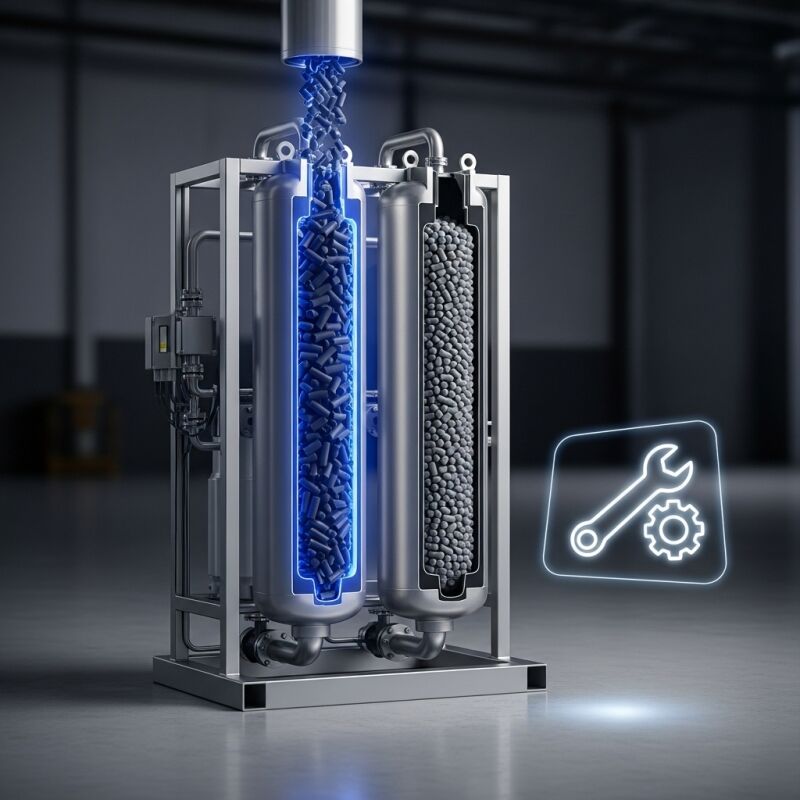
The carbon molecular sieve material forms the technological heart of pressure swing adsorption nitrogen generators, and its condition fundamentally determines system capability. A nitrogen generator performance upgrade centered on complete CMS replacement delivers immediate and dramatic improvements in purity stability, production efficiency, and energy consumption. Modern molecular sieve formulations offer superior nitrogen-oxygen selectivity compared to materials manufactured a decade ago, enabling higher purity production at lower differential pressures. This advancement translates directly into reduced compressor energy requirements and increased system capacity, often allowing upgraded systems to exceed their original design specifications while operating more efficiently.
Beyond simple material replacement, strategic upgrades optimize sieve bed configuration and loading density to maximize adsorption performance. Engineering teams analyze existing vessel geometry and operating parameters to determine optimal fill heights, particle size distributions, and bed support systems that minimize channeling and ensure uniform gas flow distribution. Some nitrogen generator performance upgrade projects incorporate dual-layer bed designs that combine different molecular sieve types to target specific contaminants or achieve enhanced separation efficiency. These sophisticated approaches transform standard replacement procedures into performance optimization opportunities that extend equipment capabilities well beyond restoration of original specifications.
Valve System Modernization and Control Integration
Pneumatic valve assemblies orchestrate the rapid pressure cycling essential for effective nitrogen generation, and their condition directly impacts production efficiency and reliability. Upgrading to contemporary valve technology eliminates the performance limitations inherent in aging mechanical components while introducing enhanced durability and diagnostic capabilities. Modern solenoid valves feature hardened sealing surfaces, improved actuator designs, and integrated position sensors that enable real-time performance monitoring and predictive maintenance strategies. When incorporated into a comprehensive nitrogen generator performance upgrade, these advanced valves reduce cycle transition times, minimize pressure losses, and extend maintenance intervals through superior materials and engineering.
Control system integration represents the intelligence layer that transforms hardware improvements into optimized system performance. Replacing obsolete programmable logic controllers with current-generation platforms enables implementation of adaptive cycle algorithms that continuously adjust operating parameters based on demand fluctuations, ambient conditions, and component performance characteristics. These intelligent controls monitor dozens of system variables in real-time, automatically optimizing purge ratios, equalization timing, and production cycles to minimize energy consumption while maintaining target purity specifications. The operational visibility provided by modern control systems also facilitates proactive maintenance by identifying performance trends and component degradation before failures occur, extending overall system reliability and reducing unplanned downtime.
Compressed Air Preparation System Enhancement
The quality of compressed air supplied to nitrogen generators profoundly influences both immediate performance and long-term component longevity. Many aging systems suffer from inadequate or deteriorated inlet air treatment, allowing oil carryover, moisture, and particulates to contaminate molecular sieve beds and accelerate performance degradation. A properly designed nitrogen generator performance upgrade addresses these root causes by implementing multi-stage filtration and drying systems that deliver instrument-quality compressed air to the adsorption vessels. High-efficiency coalescing filters remove submicron oil aerosols and particulates, while regenerative or refrigerated dryers reduce moisture content to pressure dewpoints of minus forty degrees Celsius or lower.
Advanced air preparation systems incorporate differential pressure monitoring, automatic drain systems, and filter change indicators that maintain optimal operating conditions while simplifying maintenance protocols. These enhancements protect the substantial investment in new molecular sieve material and valve systems by eliminating the contamination sources that caused original system degradation. Operations that implement comprehensive inlet air treatment as part of performance upgrades typically experience molecular sieve service lives that exceed manufacturer specifications by significant margins, reducing long-term operating costs and extending intervals between major maintenance interventions. This preventive approach transforms air preparation from a basic utility function into a strategic asset protection system.
Implementation Methodology for Maximum Operational Continuity
Pre-Upgrade Assessment and Performance Baseline Establishment
Successful nitrogen generator performance upgrades begin with thorough diagnostic evaluation that quantifies current system capabilities and identifies specific performance limitations. Technical teams conduct comprehensive testing protocols that measure purity levels under varying load conditions, document energy consumption patterns, analyze cycle timing characteristics, and evaluate compressed air quality parameters. This baseline data provides the factual foundation for upgrade specification development and establishes measurable performance targets that validate project success. Detailed component inspection reveals the condition of vessels, piping, instrumentation, and structural elements, informing decisions about which systems require replacement versus refurbishment during the upgrade process.
Engineering analysis extends beyond the generator itself to examine integration with facility compressed air systems, nitrogen distribution networks, and application equipment. Understanding system interactions and operational requirements ensures that upgrade specifications address actual performance needs rather than simply restoring nameplate capacity. This holistic assessment identifies opportunities for capacity expansion, redundancy improvements, or operational flexibility enhancements that deliver additional business value beyond basic performance restoration. Facilities investing in comprehensive pre-upgrade evaluation consistently achieve superior outcomes by aligning technical specifications with strategic operational objectives rather than implementing generic refurbishment packages.
Execution Strategies That Minimize Production Disruption
Industrial operations cannot afford extended downtime for equipment upgrades, making execution methodology a critical success factor for nitrogen generator performance upgrade projects. Experienced service providers employ modular implementation approaches that segment work into manageable phases aligned with scheduled maintenance windows or production slowdowns. Pre-fabrication of upgraded assemblies, advance delivery of replacement components, and detailed work sequencing enable compressed installation timelines that minimize offline periods. Some projects utilize temporary nitrogen supply solutions such as rental generators or tube trailer backup systems that maintain critical processes during upgrade execution, eliminating production impact entirely.
Commissioning and performance verification procedures ensure that upgraded systems achieve specified performance levels before returning to production service. Systematic testing protocols measure purity stability across the operating range, verify energy consumption improvements, and validate control system functionality under simulated load conditions. Documentation of as-built configurations, updated operating procedures, and recommended maintenance schedules provides operations teams with the information required for optimal system management. The most successful nitrogen generator performance upgrade implementations include operator training that familiarizes facility personnel with new control interfaces, enhanced diagnostic capabilities, and updated maintenance requirements, ensuring long-term performance sustainability.
Financial Analysis and Return on Investment Considerations
Capital Cost Comparison: Upgrade Versus Replacement
Organizations evaluating options for aging nitrogen generation equipment require clear financial analysis that compares performance upgrade costs against complete system replacement alternatives. A comprehensive nitrogen generator performance upgrade typically costs thirty to fifty percent of new equipment investment while delivering comparable performance improvements and extended service life. This substantial capital cost differential makes upgrades particularly attractive for operations with constrained budgets or facilities where equipment relocation or installation work would require significant structural modifications. The financial advantage becomes even more pronounced when considering the shorter implementation timeline and reduced production disruption associated with in-place upgrades versus complete system changeouts.
Beyond initial capital expenditure, total cost of ownership analysis must account for installation complexity, permitting requirements, and disposal costs for replaced equipment. New system installations often trigger regulatory reviews, electrical service upgrades, and compressed air system modifications that add substantial costs and timeline extensions beyond base equipment pricing. Performance upgrades of existing assets typically avoid these complications by working within established utility connections and footprints, reducing project scope and accelerating implementation. Organizations that conduct thorough financial modeling consistently find that nitrogen generator performance upgrades deliver superior returns when lifecycle costs and business disruption factors receive appropriate consideration alongside equipment purchase prices.
Operational Savings and Payback Period Calculation
The economic justification for nitrogen generator performance upgrades extends well beyond capital cost savings to encompass substantial ongoing operational benefits. Energy consumption reductions represent the most significant and immediate source of financial return, with properly executed upgrades typically achieving fifteen to thirty percent decreases in compressor runtime and electrical demand. For facilities operating nitrogen generators continuously or near-continuously, annual energy savings of ten to thirty thousand dollars are common, depending on system size, electricity rates, and previous efficiency levels. These savings accumulate year after year, creating a compelling financial return that often generates payback periods of eighteen to thirty-six months even without considering additional operational benefits.
Maintenance cost reductions and productivity improvements contribute additional financial value that strengthens investment justification. Modern components incorporated in nitrogen generator performance upgrades require less frequent service, experience lower failure rates, and operate with greater reliability than the aged systems they replace. Reduced maintenance labor, lower spare parts consumption, and decreased unplanned downtime translate into quantifiable cost avoidance that supplements energy savings. Enhanced purity stability and consistent flow delivery improve downstream process yield, reduce product defects, and enable operations to maintain tighter quality specifications with greater confidence. When comprehensive financial analysis accounts for these multifaceted benefits, performance upgrades frequently demonstrate superior returns compared to alternatives including continued operation with degraded equipment or complete system replacement.
Long-Term Performance Management After Upgrade Implementation
Preventive Maintenance Protocols for Extended Equipment Life
Maximizing the value of nitrogen generator performance upgrades requires disciplined adherence to preventive maintenance protocols that protect the substantial investment in new components and preserve operational improvements. Establishing regular inspection schedules for filtration systems, valve assemblies, and instrumentation prevents minor issues from escalating into performance degradation or component failures. Filter elements require replacement at manufacturer-specified intervals regardless of apparent condition, as submicron contaminants accumulate gradually and compromise air quality before differential pressure indicators show significant changes. Pneumatic valve systems benefit from periodic cleaning, lubrication, and seal inspection that extend service life and maintain precise cycle timing essential for optimal nitrogen production efficiency.
Compressed air quality monitoring forms a critical element of post-upgrade maintenance strategy, as contamination prevention protects molecular sieve beds from the degradation that necessitated the original upgrade. Installing permanent dewpoint monitors, oil vapor detectors, and particle counters in the air preparation system provides continuous verification of inlet air quality and early warning of treatment system problems. Operations that implement rigorous air quality management as part of their nitrogen generator performance upgrade maintenance protocols consistently achieve molecular sieve service lives exceeding ten years, compared to five to seven year typical replacement intervals for systems with marginal inlet air treatment. This proactive contamination prevention delivers substantial long-term cost savings and maximizes return on upgrade investment.
Performance Monitoring and Continuous Optimization
Modern control systems incorporated in comprehensive nitrogen generator performance upgrades provide unprecedented operational visibility that enables continuous performance optimization and early identification of developing issues. Establishing baseline performance metrics immediately after upgrade commissioning creates reference points for ongoing monitoring of key parameters including nitrogen purity, production flow rate, energy consumption per unit of production, and cycle timing characteristics. Regular review of these metrics reveals performance trends that indicate maintenance needs, operational inefficiencies, or opportunities for parameter adjustments that enhance system effectiveness. Facilities that implement systematic performance monitoring programs maximize the long-term value of their upgrade investments by maintaining optimal operating conditions throughout the equipment lifecycle.
Advanced control platforms enable remote monitoring capabilities that extend performance management beyond facility boundaries, allowing service providers or corporate engineering teams to track system health, diagnose performance issues, and recommend optimization adjustments without site visits. This connectivity facilitates predictive maintenance strategies that schedule component replacements based on actual condition and performance trends rather than fixed calendar intervals, reducing maintenance costs while improving reliability. Organizations that leverage the diagnostic and optimization capabilities of upgraded control systems consistently achieve superior operational outcomes, transforming their nitrogen generator performance upgrade from a one-time restoration project into a foundation for continuous improvement and operational excellence.
FAQ
How long does a typical nitrogen generator performance upgrade take to complete?
Implementation timelines for nitrogen generator performance upgrades vary based on system size, scope of work, and facility constraints, but most projects complete within five to ten business days of equipment downtime. Comprehensive upgrades involving molecular sieve replacement, valve system modernization, and control system updates typically require three to five days for component removal and installation, followed by two to three days for commissioning, testing, and performance verification. Advance planning, pre-fabrication of assemblies, and coordination with facility maintenance windows minimize operational disruption. Some service providers offer modular approaches that segment work across multiple shorter outages rather than one extended shutdown, accommodating facilities with limited downtime availability.
Can performance upgrades increase nitrogen production capacity beyond original design specifications?
Strategic nitrogen generator performance upgrades frequently achieve production capacities that exceed original equipment specifications through incorporation of advanced molecular sieve materials, optimized bed configurations, and intelligent control algorithms unavailable when older systems were manufactured. Modern carbon molecular sieves offer superior nitrogen-oxygen selectivity that enables higher purity production at lower pressure differentials, effectively increasing usable capacity while reducing energy consumption. Upgraded control systems implement adaptive cycle optimization that maximizes production efficiency across varying demand conditions. Capacity increases of ten to twenty percent are commonly achievable, though actual improvements depend on existing system design, operating conditions, and specific upgrade components implemented. Engineering analysis during pre-upgrade assessment quantifies realistic capacity enhancement potential for specific installations.
What warranty coverage applies to nitrogen generator performance upgrades?
Reputable service providers offer comprehensive warranty protection for components and workmanship associated with nitrogen generator performance upgrades, though specific terms vary by provider and project scope. Typical warranty programs include one to two year coverage for replacement molecular sieve materials, valve assemblies, control systems, and filtration equipment installed during the upgrade. Labor warranties generally cover twelve months for installation work, including leak repair, system commissioning, and performance verification. Some providers extend molecular sieve performance guarantees to three to five years when facilities maintain specified inlet air quality standards and follow recommended maintenance protocols. Understanding warranty terms, coverage limitations, and maintenance requirements ensures facilities receive full value from upgrade investments while maintaining long-term component protection.
How do performance upgrades compare to purchasing new nitrogen generation equipment?
Nitrogen generator performance upgrades deliver comparable operational benefits to new equipment installation at substantially lower capital cost, typically thirty to fifty percent of new system investment. Upgrades preserve existing structural installations, utility connections, and facility integration while incorporating current-generation molecular sieves, valve technology, and control systems that match or exceed new equipment capabilities. Implementation timelines for upgrades prove significantly shorter than new installations, reducing production disruption and accelerating return to full operational capacity. New equipment becomes preferable when existing vessels show structural deterioration, when substantial capacity increases beyond upgrade potential are required, or when facility relocations necessitate equipment moves. Most operations find performance upgrades offer superior financial returns when existing system foundations remain sound and capacity requirements align with upgraded equipment capabilities.
Table of Contents
- Understanding Performance Degradation in Aging Nitrogen Generators
- Strategic Components of Comprehensive Performance Upgrades
- Implementation Methodology for Maximum Operational Continuity
- Financial Analysis and Return on Investment Considerations
- Long-Term Performance Management After Upgrade Implementation
-
FAQ
- How long does a typical nitrogen generator performance upgrade take to complete?
- Can performance upgrades increase nitrogen production capacity beyond original design specifications?
- What warranty coverage applies to nitrogen generator performance upgrades?
- How do performance upgrades compare to purchasing new nitrogen generation equipment?