 EN
EN

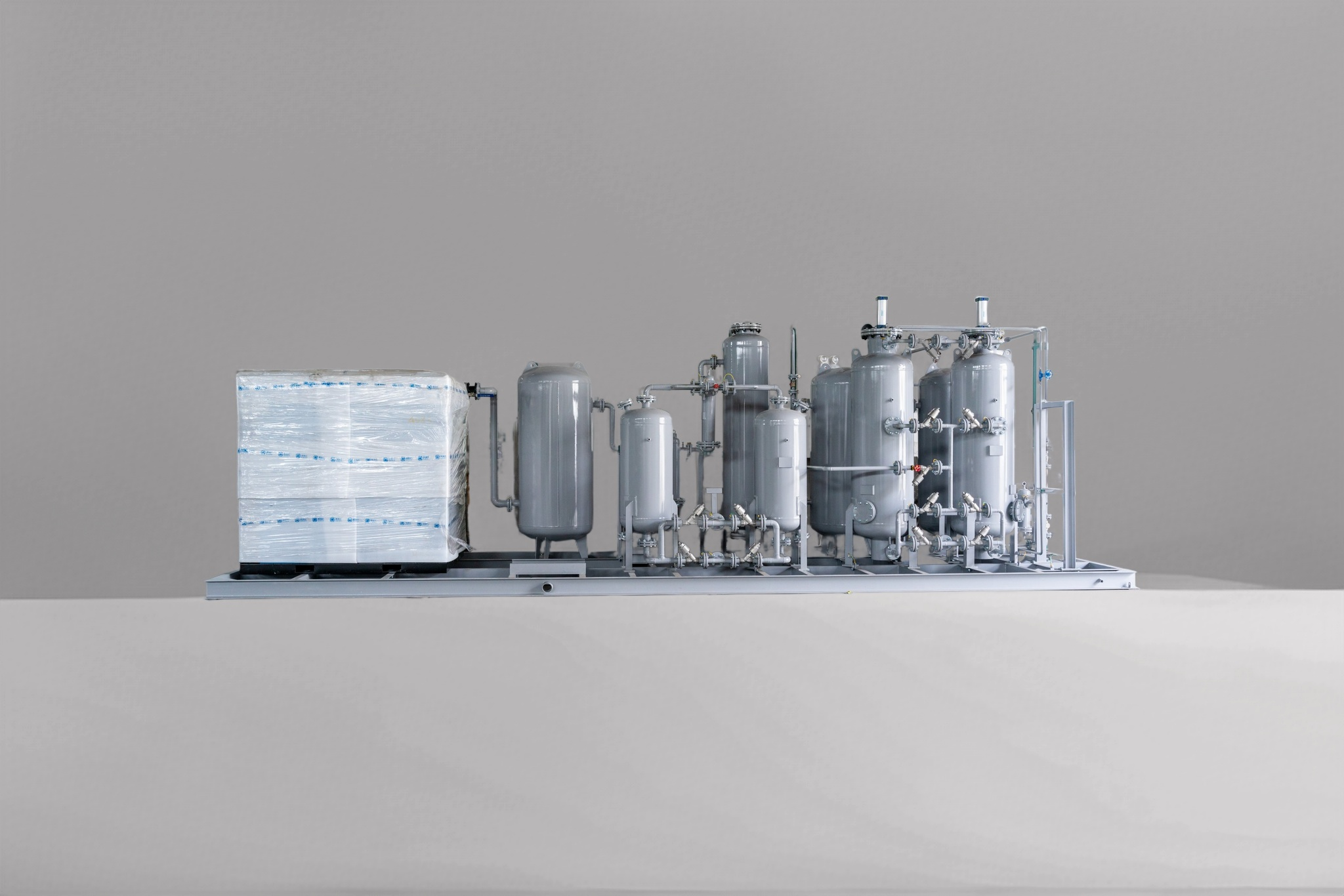
Nitrogen generators have become indispensable assets across pharmaceutical, food packaging, electronics manufacturing, and oil and gas industries, delivering on-demand nitrogen supply while eliminating costly cylinder deliveries. Yet the operational reliability and extended service life of these systems hinge entirely on comprehensive N2 generator maintenance protocols. Without structured preventive care, even the most sophisticated pressure swing adsorption or membrane-based systems deteriorate rapidly, leading to reduced nitrogen purity, increased energy consumption, and unexpected production downtime that can cascade into significant financial losses.
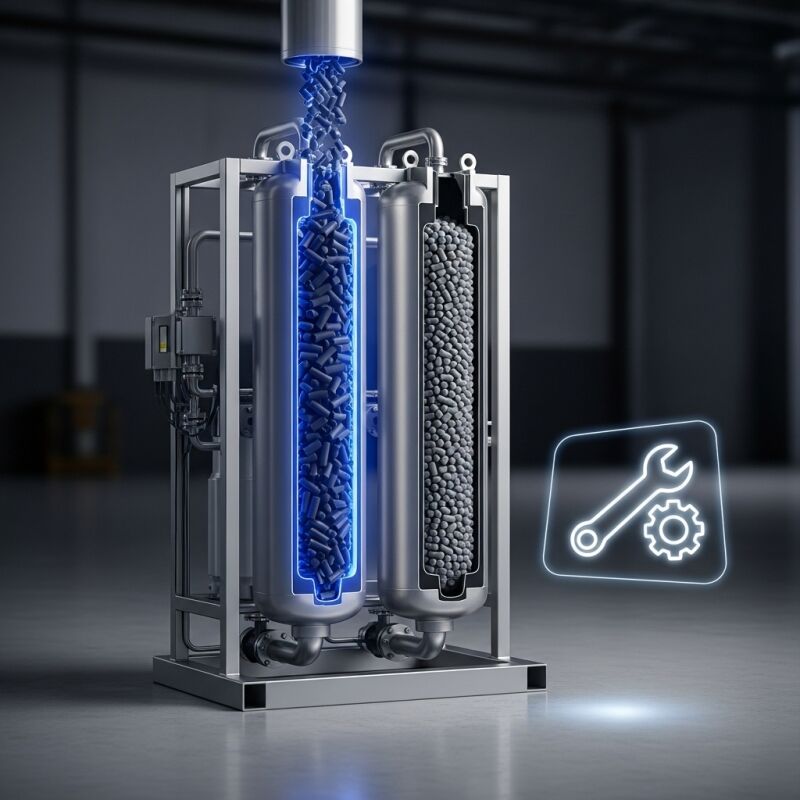
This essential care guide provides industrial operators, facility managers, and maintenance engineers with actionable strategies to maximize nitrogen generator longevity through systematic inspection routines, component-specific servicing schedules, and performance optimization techniques. Understanding the relationship between regular N2 generator maintenance and total cost of ownership empowers organizations to protect their capital investment while ensuring continuous, specification-grade nitrogen production that meets critical process requirements. The following sections detail proven maintenance frameworks that extend equipment lifespan by decades rather than years.
Understanding the Critical Role of N2 Generator Maintenance in Operational Continuity
Why Proactive Maintenance Determines Equipment Lifespan
The longevity of nitrogen generation systems correlates directly with maintenance discipline, as these units operate under continuous cyclic loading conditions that stress molecular sieves, valves, and compressor components. PSA nitrogen generators, for instance, cycle adsorption beds every few minutes, subjecting carbon molecular sieves to mechanical and thermal stress that gradually degrades separation efficiency. Without scheduled N2 generator maintenance, this degradation accelerates exponentially, forcing systems to work harder to maintain target purity levels, which further shortens component life in a destructive feedback loop.
Operators who implement structured maintenance protocols report equipment lifespans exceeding twenty years, compared to seven to ten years for neglected systems in similar applications. This dramatic difference stems from early detection of wear patterns, timely replacement of consumables before catastrophic failure, and adjustment of operational parameters to compensate for gradual performance drift. The economic impact extends beyond equipment replacement costs to include lost production during emergency repairs, expedited parts procurement premiums, and the hidden costs of substandard nitrogen purity affecting product quality.
Comprehensive N2 generator maintenance also preserves energy efficiency, as degraded components force compressors to operate at higher pressures and longer duty cycles to compensate for reduced throughput. Clean intake filters, properly lubricated moving parts, and optimized valve timing ensure systems deliver rated nitrogen output at minimum energy input. Facilities that track specific power consumption as a maintenance metric often identify developing problems months before they manifest as purity deviations or flow capacity losses, enabling corrective action during planned maintenance windows rather than crisis intervention.
The Financial Implications of Deferred Maintenance
Postponing scheduled N2 generator maintenance creates cascading financial consequences that far exceed the cost of routine servicing. When molecular sieve beds become contaminated with oil carryover or moisture breakthrough, nitrogen purity degrades gradually until it falls below specification, potentially compromising entire production batches in pharmaceutical or food processing applications. The cost of rejected product, regulatory documentation, and potential customer notifications dwarfs the expense of preventive compressor maintenance and desiccant replacement that would have prevented the contamination.
Emergency repairs necessitated by maintenance neglect typically cost three to five times more than planned interventions due to premium freight charges for expedited parts delivery, overtime labor rates, and lost production revenue. A failed pneumatic valve that could have been replaced during scheduled maintenance for modest cost becomes a crisis requiring immediate sourcing of replacement parts, potentially from overseas suppliers, while production lines sit idle. The total incident cost including lost throughput often reaches tens of thousands of dollars for components valued at a few hundred dollars.
Long-term deferred N2 generator maintenance also reduces asset resale value and complicates facility audits or regulatory inspections. Prospective equipment buyers or acquisition due diligence teams recognize poorly maintained nitrogen generators as hidden liabilities requiring immediate capital investment. Similarly, regulatory auditors in FDA-governed industries scrutinize maintenance records as indicators of overall quality system discipline, with gaps in documentation potentially triggering expanded inspection scope or warning letters that damage corporate reputation beyond immediate financial impact.
Establishing Comprehensive Maintenance Schedules for Different N2 Generator Technologies
Daily and Weekly Inspection Protocols
Effective N2 generator maintenance begins with operator-level daily inspections that catch developing problems before they escalate. These quick visual and auditory checks include monitoring compressor oil levels and condition, listening for unusual noises indicating bearing wear or valve malfunction, and verifying that automated control systems show normal operating parameters. Operators should log discharge air temperatures, system pressures, and nitrogen purity readings to establish baseline performance trends that reveal gradual degradation invisible during single observations.
Weekly maintenance tasks expand inspection depth to include condensate drain functionality, intake filter differential pressure measurement, and verification of automatic purge cycles. Membrane nitrogen generators particularly benefit from weekly membrane module inspection for physical damage or connection leaks that compromise separation efficiency. Recording these observations in structured maintenance logs creates historical performance data enabling predictive maintenance strategies, where trending analysis identifies optimal component replacement timing based on actual wear patterns rather than arbitrary calendar intervals.
These frequent inspections require minimal time investment yet deliver outsized returns in early problem detection. A compressor discharge temperature creeping upward over several weeks signals deteriorating cooling efficiency or increased mechanical friction, both addressable through minor interventions if caught early. Without this trending visibility, the same condition progresses to thermal shutdown or catastrophic bearing failure requiring complete compressor replacement rather than simple heat exchanger cleaning or bearing lubrication adjustments that preserve the original equipment.
Monthly and Quarterly Service Requirements
Monthly N2 generator maintenance activities focus on consumable inspection and replacement based on condition rather than rigid schedules. Intake air filters warrant monthly evaluation in industrial environments where airborne particulates accelerate loading, with replacement indicated when differential pressure exceeds manufacturer specifications. Similarly, coalescing filters protecting molecular sieve beds from oil contamination require monthly drainage verification and element inspection, as even trace amounts of compressor lubricant irreversibly poison carbon molecular sieves, necessitating costly bed replacement.
Quarterly maintenance intervals enable more invasive inspections including valve actuator adjustment, pressure vessel safety relief valve testing, and electrical connection tightness verification. Pneumatic valve components in PSA systems experience millions of cycles annually, with seal wear and spring fatigue gradually degrading switching precision that affects bed regeneration effectiveness. Quarterly inspection catches these deteriorations before they impact nitrogen purity or throughput capacity, allowing scheduled replacement during planned downtime rather than reactive response to production disruption.
These intermediate maintenance intervals also provide opportunities for N2 generator maintenance performance verification testing, where operators deliberately vary operating parameters to confirm system response matches design specifications. Testing might include verifying nitrogen purity at various flow rates, confirming automatic system restart after simulated power interruption, or validating alarm functionality for critical parameters. This functional testing complements visual inspections by confirming that apparently healthy components actually perform their intended functions under operating conditions.
Annual Major Service and Component Replacement
Annual N2 generator maintenance represents the most comprehensive service level, typically requiring specialized technical expertise and extended downtime for thorough inspection and component replacement. This interval addresses components with predictable wear patterns including compressor oil and filter elements, desiccant bed reactivation or replacement, and molecular sieve performance testing. Many facilities schedule annual maintenance during planned production shutdowns to minimize operational impact while ensuring access to support systems like electrical power and compressed air required for servicing.
The annual service window enables complete system calibration including pressure transducers, oxygen analyzers, and flow meters that gradually drift from specification through continuous operation. Accurate instrumentation proves essential for effective ongoing maintenance since operators depend on these readings to identify developing problems. Calibration against certified reference standards ensures that subtle performance deterioration becomes visible through instrument readings rather than remaining hidden behind measurement inaccuracy until manifesting as obvious purity or capacity failures.
Major component replacement decisions during annual N2 generator maintenance require balancing remaining service life against risk of in-service failure. Carbon molecular sieve beds, for example, typically deliver eight to ten years of service but lose separation efficiency gradually throughout this period. Facilities operating critical processes often implement conservative replacement schedules, changing sieve beds at seventy percent of rated life to avoid any risk of purity excursion, while less critical applications extend replacement intervals until performance testing confirms degradation approaches specification limits. This risk-based approach optimizes maintenance spending against operational criticality.
Critical Component Care Strategies for Extended Service Life
Compressor System Maintenance and Lubrication Management
The air compressor supplying feed gas represents the highest-value component in most nitrogen generator systems and demands meticulous maintenance attention to achieve design service life. Oil-lubricated rotary screw compressors require strict adherence to lubricant quality standards and change intervals, as degraded oil loses its cooling and sealing properties, leading to increased discharge temperatures and reduced volumetric efficiency. Synthetic compressor lubricants typically deliver superior thermal stability and longer service intervals compared to mineral oils, though initial cost premiums require lifecycle cost analysis to justify in specific applications.
Compressor maintenance protocols must address both lubricant condition and air/oil separator element integrity, as separator efficiency directly affects downstream nitrogen generator performance. Deteriorated separators allow oil carryover into the compressed air stream, where it contaminates downstream coalescing filters and ultimately poisons molecular sieve beds if filtration proves inadequate. Modern synthetic media separators achieve carryover levels below three parts per million when new but gradually degrade through media saturation and mechanical breakdown, requiring replacement based on differential pressure monitoring rather than arbitrary time intervals.
Oil-free compressor technologies including scroll and centrifugal designs eliminate lubrication concerns but introduce different N2 generator maintenance requirements. These systems demand rigorous intake air filtration to prevent particulate ingestion that damages precision clearances, along with cooling system maintenance ensuring adequate heat rejection. Whether oil-lubricated or oil-free, compressor discharge temperature monitoring provides early indication of developing problems including fouled heat exchangers, failing temperature control valves, or inadequate cooling airflow that threatens compressor longevity if unaddressed.
Molecular Sieve and Membrane Element Protection
Carbon molecular sieve beds in PSA nitrogen generators represent the heart of the separation process and require protection from contaminants that permanently degrade adsorption capacity. Moisture, liquid hydrocarbons, and particulates all damage molecular sieves through different mechanisms, making comprehensive upstream air treatment essential for bed longevity. Refrigerated dryers must maintain dewpoint specifications continuously, as even brief moisture breakthrough during dryer defrost cycles can partially hydrate sieve beds, reducing their nitrogen selectivity and ultimately requiring costly bed replacement or regeneration.
Particulate contamination enters molecular sieve beds when intake filters fail or develop bypass paths around filter elements. These particles accumulate in void spaces between sieve pellets, reducing effective bed volume and creating flow distribution problems that decrease separation efficiency. Regular bed performance testing through purity measurement at various flow rates reveals this gradual degradation, enabling proactive bed servicing before production impact occurs. Some operators implement annual bed sampling, sending representative material to laboratories for surface area analysis and adsorption capacity testing that quantifies remaining service life.
Membrane nitrogen generators utilize different separation technology but face analogous contamination risks requiring N2 generator maintenance vigilance. Hollow fiber membrane modules suffer permanent damage from liquid contamination including water, oil, and condensed hydrocarbons that block membrane pores or swell fiber materials. Unlike molecular sieves that sometimes recover through thermal regeneration, damaged membrane fibers cannot be restored, making prevention through rigorous upstream filtration and coalescing absolutely critical. Operators should monitor membrane system performance through pressure drop trending, as gradual increases indicate fouling or fiber damage requiring module inspection or replacement.
Valve System Inspection and Replacement Protocols
Pneumatic and solenoid valves controlling bed switching in PSA systems operate millions of cycles throughout their service life, with seal wear and spring fatigue gradually degrading response time and sealing effectiveness. Slow-closing valves allow pressure equalization between beds before isolation completes, reducing regeneration effectiveness and ultimately impacting nitrogen purity. Regular N2 generator maintenance includes valve response time testing using stopwatch measurement or automated data logging to identify valves approaching end of service life before performance impact becomes visible in system output.
Modern PSA controllers often incorporate valve diagnostics monitoring actuation time and pressure response, providing early warning of developing valve problems. These systems compare actual valve performance against baseline profiles established during commissioning, flagging deviations that indicate seal wear or actuator malfunction. Operators should investigate any flagged valves during the next scheduled maintenance window, performing visual inspection, manual actuation testing, and seal replacement as needed. This predictive approach prevents unexpected failures that could force emergency system shutdown during critical production periods.
Valve maintenance extends beyond the switching valves themselves to include pressure regulators, check valves, and manual isolation valves throughout the nitrogen generation system. Pressure regulators gradually drift from setpoint through diaphragm fatigue and spring relaxation, requiring periodic verification against calibrated gauges. Check valves preventing backflow can fail partially, allowing reverse flow that compromises process isolation or wastes nitrogen through unintended venting. Systematic valve testing during annual N2 generator maintenance verifies that every valve performs its intended function reliably, preventing small component failures from cascading into system-level performance problems.
Performance Monitoring and Optimization for Maximum Efficiency
Establishing Key Performance Indicators for Maintenance Decision-Making
Effective N2 generator maintenance requires quantitative performance metrics that reveal system health trends invisible to casual observation. Specific power consumption measured as kilowatt-hours per thousand cubic feet of nitrogen produced provides the most sensitive indicator of overall system efficiency, as virtually any component degradation ultimately manifests as increased energy consumption. Facilities that track this metric weekly or monthly detect problems months before they affect nitrogen purity or capacity, enabling maintenance intervention during planned downtime rather than emergency response.
Nitrogen purity trending at various flow rates reveals molecular sieve or membrane degradation patterns that simple spot-check measurements might miss. Systems maintaining specification purity at low flow but showing purity decay at rated capacity indicate bed channeling or inadequate regeneration rather than complete bed exhaustion. This diagnostic insight guides maintenance decisions toward valve timing adjustment or bed leveling rather than premature expensive bed replacement. Similarly, tracking oxygen content variation through production cycles identifies whether purity problems stem from separation process issues or downstream contamination from buffer tank leakage or distribution system air ingress.
Operational reliability metrics including mean time between failures and unplanned downtime incidents complement efficiency measures in comprehensive N2 generator maintenance programs. Systems requiring frequent operator intervention or experiencing recurring nuisance alarms indicate developing problems requiring root cause investigation. Documenting these reliability metrics over extended periods reveals whether maintenance effectiveness improves or degrades over time, providing objective feedback on program quality. Facilities can benchmark their performance against industry standards or manufacturer specifications to identify improvement opportunities.
Implementing Predictive Maintenance Technologies
Advanced N2 generator maintenance strategies leverage predictive technologies including vibration analysis, thermal imaging, and oil analysis that detect component degradation before functional failure occurs. Compressor vibration monitoring using handheld data collectors or permanently installed sensors identifies bearing wear, shaft misalignment, and rotor imbalance months before these conditions cause catastrophic failure. Trending vibration spectra over time reveals gradual deterioration patterns enabling scheduled bearing replacement during planned maintenance rather than emergency compressor replacement following sudden failure.
Thermal imaging during nitrogen generator operation reveals hot spots indicating electrical connection resistance, valve actuator binding, or heat exchanger fouling invisible to visual inspection. These thermal anomalies often develop gradually over months, becoming visible through infrared imaging long before they manifest as functional failures or safety hazards. Quarterly thermal surveys conducted during normal operation create baseline temperature patterns for comparison, with any significant deviations triggering investigation and corrective action. This non-invasive inspection technique requires minimal downtime while providing diagnostic insight into component condition throughout the system.
Oil analysis programs for lubricated compressor systems detect wear metal accumulation, oxidation byproducts, and contamination ingress that signal developing problems. Laboratory testing of quarterly oil samples quantifies iron, copper, and chromium concentrations indicating bearing and gear wear rates, while monitoring total acid number and viscosity reveals lubricant degradation requiring oil change regardless of operating hours. Water content measurement detects cooling system leaks or atmospheric moisture ingress that accelerates corrosion and lubricant breakdown. These chemical insights enable condition-based N2 generator maintenance decisions grounded in actual component wear rather than conservative time-based replacement schedules.
Optimizing Operating Parameters for Extended Component Life
Operating nitrogen generators at minimum necessary pressure and purity specifications significantly extends component service life while reducing energy consumption. Systems oversized for actual demand and operated at maximum rated capacity experience accelerated wear compared to units running at sixty to seventy percent capacity with equivalent maintenance attention. Where production requirements permit, operators should reduce supply pressure to the minimum that maintains adequate distribution system pressure, as each ten pounds per square inch reduction typically decreases compressor power consumption by five to seven percent while reducing mechanical stress on all pressure-containing components.
Cycle time optimization in PSA systems balances nitrogen recovery against molecular sieve stress, as excessively short cycles increase valve wear and thermal cycling while unnecessarily long cycles waste compressed air during regeneration. Most manufacturers provide recommended cycle times based on flow rate and desired purity, but site-specific optimization through systematic testing often identifies improved settings. Documenting the relationship between cycle time, purity, recovery, and power consumption enables N2 generator maintenance teams to establish optimal operating parameters that balance production requirements against equipment longevity and operating cost.
Environmental condition management including ambient temperature control and intake air quality directly impacts nitrogen generator longevity. Compressors operating in high ambient temperatures or poorly ventilated spaces experience shortened lubricant life and increased component wear from elevated operating temperatures. Installing adequate ventilation, supplementary cooling, or intake air conditioning in hot climates delivers lifecycle cost benefits through extended service intervals and reduced component replacement frequency. Similarly, protecting intake air systems from dust, corrosive fumes, and moisture ingress through proper location selection and weather protection extends filter life and prevents contamination of downstream components.
FAQ
How frequently should molecular sieve beds in PSA nitrogen generators be replaced?
Carbon molecular sieve bed replacement intervals typically range from eight to twelve years depending on operating conditions, upstream air treatment quality, and duty cycle. Rather than following rigid replacement schedules, effective N2 generator maintenance programs implement annual performance testing measuring nitrogen production capacity and purity at various flow rates to quantify remaining bed capacity. Facilities operating critical processes often replace beds conservatively at seventy to eighty percent of rated life, while less critical applications may extend replacement until testing confirms degradation approaches minimum specification limits, maximizing bed utilization while maintaining adequate performance margins.
What maintenance differences exist between oil-lubricated and oil-free nitrogen generator compressors?
Oil-lubricated compressor maintenance focuses primarily on lubricant condition monitoring and scheduled oil changes along with air/oil separator element replacement, while oil-free designs eliminate these requirements but demand more rigorous intake air filtration to protect precision clearances from particulate damage. Oil-free compressors typically require more frequent and comprehensive inspections of wear surfaces since they lack the protective lubricant film present in oil-lubricated designs. However, oil-free systems simplify downstream N2 generator maintenance by eliminating oil carryover concerns that threaten molecular sieve and membrane integrity, potentially extending separation media service life significantly in applications where upstream air quality control proves challenging with oil-lubricated compression.
Can nitrogen purity problems be resolved through maintenance without replacing molecular sieves?
Many nitrogen purity issues stem from valve timing drift, contaminated pre-filters, or inadequate regeneration cycles rather than molecular sieve degradation, making them fully correctable through N2 generator maintenance adjustment without bed replacement. Systematic troubleshooting should verify valve response times, check valve sealing, pressure regulation accuracy, and regeneration air flow before attributing purity loss to bed exhaustion. Some facilities successfully restore performance through in-place bed regeneration using heated purge air or nitrogen to remove accumulated contaminants, though this approach requires specialized equipment and expertise. Only when testing confirms permanent bed degradation through capacity loss at all operating conditions should complete sieve replacement be considered necessary.
What documentation should be maintained for nitrogen generator service history?
Comprehensive N2 generator maintenance documentation should include daily operator logs recording pressures, temperatures, purity readings and operating hours, plus detailed service records for all preventive and corrective maintenance activities including parts replaced, adjustments made, and performance test results. Regulated industries require this documentation for compliance audits, but all facilities benefit from historical records enabling trend analysis and predictive maintenance. Digital maintenance management systems facilitate this documentation while providing automatic service interval reminders and performance trending capabilities. Retaining records throughout equipment life creates valuable diagnostic resources when troubleshooting unusual problems and provides verifiable maintenance history supporting asset valuation during equipment sales or facility transfers.
Table of Contents
- Understanding the Critical Role of N2 Generator Maintenance in Operational Continuity
- Establishing Comprehensive Maintenance Schedules for Different N2 Generator Technologies
- Critical Component Care Strategies for Extended Service Life
- Performance Monitoring and Optimization for Maximum Efficiency
-
FAQ
- How frequently should molecular sieve beds in PSA nitrogen generators be replaced?
- What maintenance differences exist between oil-lubricated and oil-free nitrogen generator compressors?
- Can nitrogen purity problems be resolved through maintenance without replacing molecular sieves?
- What documentation should be maintained for nitrogen generator service history?