 EN
EN

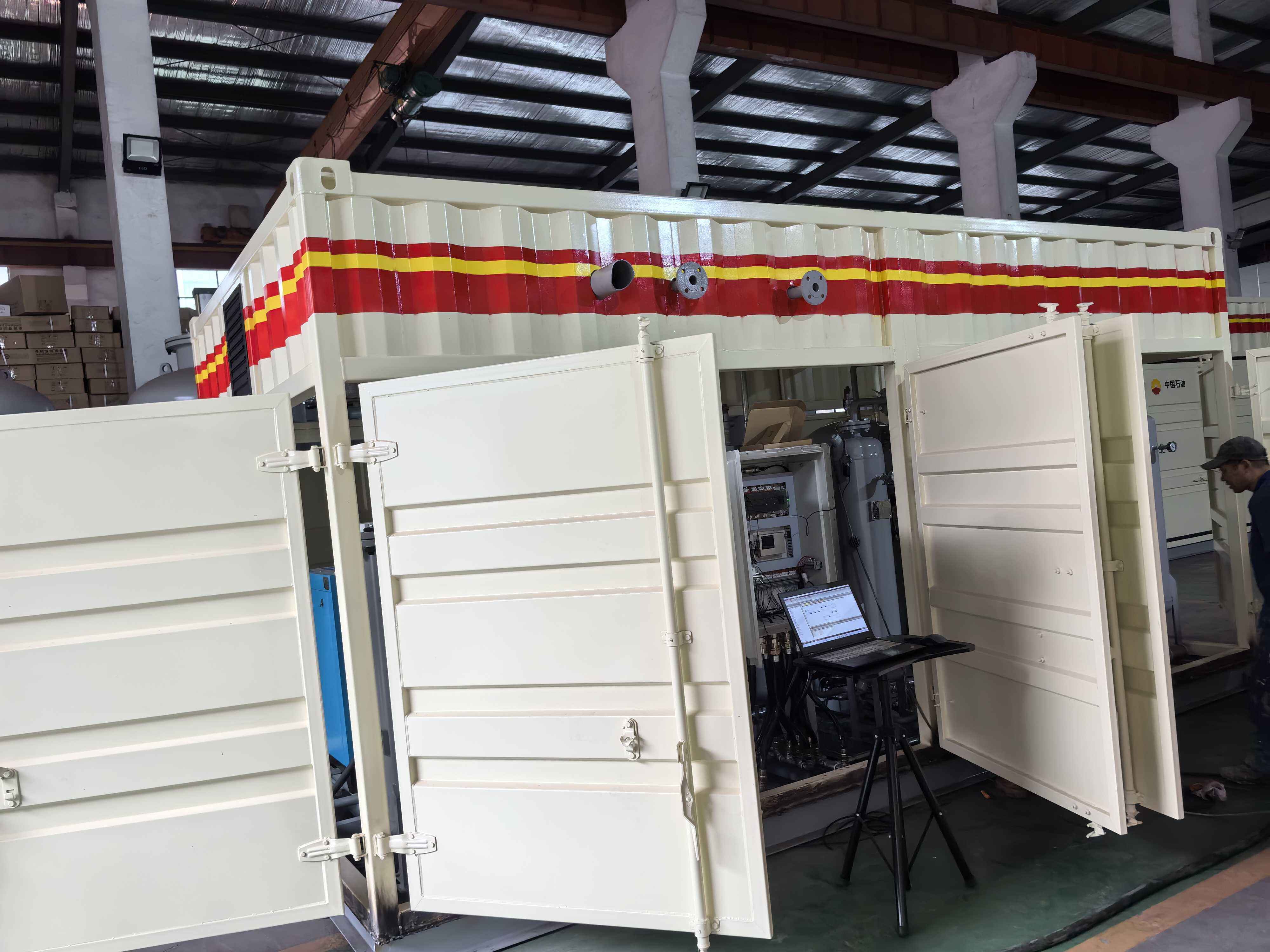
Industrial nitrogen generators have become essential equipment across manufacturing facilities, food processing plants, pharmaceutical operations, and electronics production lines worldwide. While these systems offer reliable on-site nitrogen generation, operators frequently encounter operational challenges that can disrupt production schedules and compromise gas purity levels. Understanding common nitrogen generator problems and implementing quick solutions is critical for maintaining system efficiency, minimizing downtime, and protecting your operational investment. This comprehensive guide addresses the most frequent issues that industrial facilities face with their nitrogen generation systems and provides actionable troubleshooting strategies that maintenance teams can apply immediately.
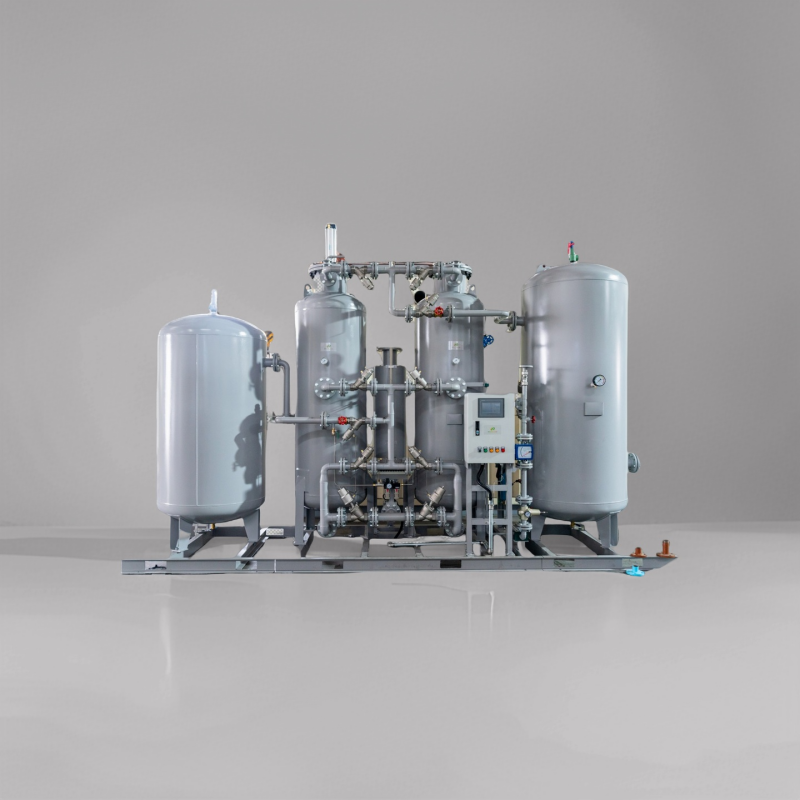
From pressure inconsistencies and purity degradation to carbon molecular sieve deterioration and control system failures, nitrogen generator problems can stem from multiple root causes including inadequate maintenance protocols, environmental factors, component wear, and operational mismanagement. The financial impact of these issues extends beyond immediate repair costs to include production losses, product quality compromises, and energy waste. By systematically identifying symptoms, diagnosing underlying causes, and applying targeted corrective measures, facility managers can dramatically reduce unplanned shutdowns and extend equipment lifespan. The solutions presented in this article draw from decades of industrial experience and represent practical approaches that have proven effective across diverse operational environments and nitrogen generation technologies.
Insufficient Nitrogen Purity Output
Carbon Molecular Sieve Contamination and Degradation
One of the most prevalent nitrogen generator problems involves declining purity levels that fail to meet application specifications. The carbon molecular sieve material, which separates nitrogen from oxygen molecules through adsorption, gradually loses effectiveness when exposed to oil contamination, moisture intrusion, or physical degradation. Compressed air quality directly impacts CMS lifespan, as oil vapors create a coating on the molecular structure that blocks adsorption sites and reduces separation efficiency. Many facilities discover this issue only after purity monitoring reveals nitrogen concentrations dropping below required thresholds, often causing immediate production disruptions.
The quick solution begins with comprehensive compressed air filtration assessment. Install or upgrade coalescent filters and activated carbon filters upstream of the generator to remove oil aerosols, particulates, and hydrocarbon vapors before air enters the CMS beds. Verify that inlet air dew point remains consistently below negative forty degrees Fahrenheit through proper refrigerated or desiccant dryer operation. For systems already experiencing contamination, professional CMS regeneration or replacement becomes necessary depending on degradation severity. Implementing a preventive maintenance schedule with quarterly filter element replacements and monthly air quality testing prevents recurrence of this costly nitrogen generator problem.
Pressure Swing Cycle Timing Irregularities
Pressure swing adsorption systems rely on precise cycle timing between adsorption and regeneration phases to maintain consistent purity levels. When programmable logic controllers malfunction or valve actuation becomes sluggish, cycle timing drifts from optimal parameters, creating incomplete regeneration periods that leave residual oxygen in the CMS beds. This timing irregularity represents a subtle nitrogen generator problem that progressively worsens until purity specifications cannot be maintained even at reduced flow rates. Operators often notice gradual purity decline over weeks rather than sudden failures, making root cause identification challenging without systematic diagnostics.
Addressing cycle timing requires calibration verification of all control system components and valve response testing under operational conditions. Use precision instrumentation to measure actual valve opening and closing times, comparing results against manufacturer specifications to identify degraded solenoids or pneumatic actuators. Reprogram controller parameters based on current system performance data rather than relying on original factory settings that may not reflect actual equipment condition. For facilities experiencing recurring timing-related nitrogen generator problems, upgrading to modern PLC systems with enhanced diagnostic capabilities provides long-term stability and early warning of developing issues before purity degradation occurs.
Inadequate Feed Air Pressure and Flow Rate
Nitrogen purity specifications require sufficient feed air pressure and volumetric flow to maintain proper adsorption dynamics within CMS beds. When compressor capacity decreases due to wear, facility air demand increases beyond system design, or pressure regulators drift out of calibration, the generator receives insufficient feed air to sustain rated purity levels. This nitrogen generator problem often coincides with facility expansion projects that add pneumatic equipment without corresponding air system upgrades. Purity degradation typically appears first during peak production periods when overall air consumption reaches maximum levels.
Quick resolution involves comprehensive air system capacity analysis measuring actual delivery pressure and flow at the generator inlet during various operational conditions. Compare measurements against manufacturer specifications to identify capacity shortfalls requiring compressor upgrades, additional storage receivers, or demand reduction through leak elimination programs. Install dedicated pressure regulators and flow meters on nitrogen generator problems feed lines to maintain consistent supply conditions independent of facility-wide fluctuations. For immediate temporary relief, reduce nitrogen production flow rate to match available feed air capacity while planning permanent system expansion to restore full operational capability.
Excessive Energy Consumption and Operating Costs
Compressor Runtime Inefficiency
Nitrogen generators inherently consume significant electrical energy through compressed air generation, yet many facilities experience energy costs far exceeding theoretical minimums due to system inefficiencies. Compressors running continuously at full load regardless of actual nitrogen demand represent one of the most expensive nitrogen generator problems affecting operational budgets. This issue stems from improper control strategies, oversized equipment selection, or lack of demand-responsive automation that matches production to consumption. Energy waste compounds when compressed air leaks throughout the facility drain system capacity while compressors compensate by running additional hours.
Implementing variable frequency drives on compressor motors provides immediate energy savings by modulating motor speed to match actual demand rather than operating in constant start-stop cycles. Conduct facility-wide leak detection using ultrasonic instruments to identify and repair compressed air losses that force unnecessary compressor runtime. Install nitrogen buffer storage tanks sized for peak demand periods, allowing compressors to operate in efficient loading patterns rather than responding to every momentary consumption spike. Advanced control systems that predict nitrogen demand based on production schedules further optimize energy consumption by preparing nitrogen during off-peak electrical rate periods.
Heat Recovery System Failures
Compression generates substantial heat energy that properly designed systems capture for facility heating, process preheating, or domestic hot water production. When heat exchangers become fouled, thermal control valves malfunction, or recovery piping develops restrictions, this valuable energy resource dissipates to atmosphere while facilities pay separately for heating fuel. This dual-cost nitrogen generator problem simultaneously increases electrical consumption and thermal energy purchases without providing obvious symptoms beyond elevated utility bills. Many operators remain unaware of heat recovery potential or assume existing systems function adequately without performance verification.
Quick assessment involves temperature measurement at compressor discharge, heat exchanger inlet and outlet, and recovered heat delivery points during normal operation. Compare actual heat recovery against theoretical values based on compressor power consumption to quantify efficiency losses. Clean heat exchanger surfaces using appropriate chemical or mechanical methods depending on fouling type, and verify coolant circulation pump operation delivers specified flow rates. For systems lacking heat recovery infrastructure entirely, engineering studies typically demonstrate payback periods under three years for installation investments, making this solution both environmentally responsible and financially attractive for addressing energy-related nitrogen generator problems.
Desiccant Dryer Regeneration Energy Waste
Facilities using desiccant air dryers upstream of nitrogen generators often encounter excessive purge air consumption that wastes both compressed air and the energy required to generate it. Heatless desiccant dryers typically consume fifteen to twenty percent of compressed air throughput for tower regeneration, while heated designs require electrical or thermal energy for desiccant reactivation. When dewpoint control systems malfunction or regeneration cycles operate on fixed timers regardless of actual moisture loading, energy consumption far exceeds requirements for maintaining proper air dryness. This nitrogen generator problem particularly impacts facilities in humid climates or those experiencing seasonal moisture variations.
Upgrading to dewpoint-demand controls that adjust regeneration frequency based on actual moisture measurement rather than fixed time intervals immediately reduces energy waste. Consider heat-of-compression dryers that utilize waste heat from air compression for desiccant regeneration, eliminating separate energy requirements while maintaining superior dewpoint performance. Verify proper dryer sizing for current compressed air flow rates, as systems operating significantly below design capacity waste energy through unnecessary regeneration cycles. Regular desiccant replacement according to manufacturer guidelines prevents moisture breakthrough events that compromise nitrogen generator performance while maintaining regeneration efficiency.
Mechanical Component Failures and Wear
Valve Actuator Malfunctions
Pressure swing adsorption nitrogen generators depend on reliable valve actuation to direct compressed air flow between CMS beds during cycling operations. Solenoid valves, pneumatic actuators, and mechanical linkages represent high-cycle components experiencing millions of operations annually, making them susceptible to wear-related failures. When valves fail to fully open, close incompletely, or respond sluggishly to control signals, the resulting nitrogen generator problems include purity degradation, pressure fluctuations, and complete system shutdowns. Valve failures often occur suddenly without warning, causing immediate production interruptions that require emergency maintenance response.
Preventive maintenance protocols should include quarterly valve inspection with manual actuation testing to identify developing issues before complete failures occur. Monitor valve response times using control system diagnostics or external instrumentation to detect gradual performance degradation indicating approaching end-of-life conditions. Maintain adequate spare valve assemblies in facility inventory for rapid replacement when failures occur, minimizing downtime duration. Implement condition-based replacement strategies that track valve cycle counts and replace components at eighty percent of rated lifespan rather than waiting for failures. Proper valve selection for specific service conditions, including appropriate materials for corrosion resistance and actuator sizing for reliable operation, prevents premature failures.
Carbon Molecular Sieve Bed Channeling
Physical degradation of carbon molecular sieve beds creates preferential flow paths or channels through which compressed air bypasses intended adsorption zones. This channeling effect reduces effective CMS volume, decreases residence time for nitrogen-oxygen separation, and causes purity deterioration that worsens progressively. Mechanical vibration, improper bed support structures, thermal cycling stress, and moisture-induced CMS breakdown all contribute to this nitrogen generator problem. Unlike contamination issues that respond to cleaning procedures, channeling represents permanent physical damage requiring CMS replacement for complete resolution.
Early detection through systematic purity monitoring at various flow rates helps identify channeling before severe degradation occurs. When nitrogen purity remains acceptable at reduced flows but deteriorates at rated capacity, channeling likely exists within CMS beds. Pressure drop measurements across individual beds compared to baseline values reveal flow restriction changes indicating physical bed settling or channeling development. Complete CMS replacement using properly sized material with correct particle size distribution for specific vessel dimensions provides permanent correction. During replacement, inspect vessel internals including distributor screens, support grids, and cushion layers for damage that may have contributed to original CMS failure, repairing or upgrading these components to prevent recurrence.
Pressure Vessel Integrity Issues
Nitrogen generator pressure vessels operate under continuous cyclic loading as PSA systems alternate between pressurization and depressurization phases. Over years of service, fatigue cracks, corrosion pitting, or weld defects may develop, creating potential safety hazards and performance degradation. Internal corrosion from moisture exposure or external corrosion from environmental conditions represents serious nitrogen generator problems requiring immediate attention. Pressure vessel failures can cause catastrophic equipment damage, personnel injuries, and extended production outages while replacement vessels are fabricated and installed.
Regular pressure vessel inspections following jurisdiction-specific codes and standards identify developing issues before critical failures occur. Internal visual inspection during scheduled CMS replacement intervals reveals corrosion, erosion, or mechanical damage requiring evaluation by qualified pressure vessel engineers. Ultrasonic thickness testing at prescribed intervals documents wall thickness trends indicating corrosion rates and remaining service life. External coating maintenance prevents atmospheric corrosion that leads to structural degradation. For vessels approaching end of design life or showing significant deterioration, proactive replacement planning prevents unplanned failures that cause extended downtime and emergency procurement costs far exceeding planned replacement expenses.
Control System and Instrumentation Challenges
Oxygen Analyzer Calibration Drift
Continuous nitrogen purity monitoring depends on accurate oxygen analyzer performance to verify output specifications and trigger alarms when quality deviates from acceptable ranges. Electrochemical sensors, paramagnetic analyzers, and zirconia-based instruments all experience calibration drift over time due to sensor aging, environmental exposure, and electronic component degradation. Inaccurate readings create two distinct nitrogen generator problems: false alarms that interrupt production unnecessarily, or failure to detect actual purity degradation allowing substandard gas into applications. Both scenarios compromise operational reliability and product quality assurance.
Establishing monthly calibration verification procedures using certified span gas ensures analyzer accuracy throughout service intervals. Replace electrochemical sensors according to manufacturer recommendations rather than extending service life beyond rated periods, as sensor degradation accelerates rapidly after specified lifespans. Install sample conditioning systems that remove moisture and particulates from analyzer sample streams, preventing contamination that causes measurement errors and premature sensor failure. Consider installing redundant analyzers on critical applications where nitrogen purity directly impacts product quality or safety, providing measurement verification and continued operation during maintenance periods. Document all calibration activities with dated records demonstrating measurement system reliability for quality management system compliance.
Programmable Logic Controller Communication Errors
Modern nitrogen generators incorporate sophisticated PLC systems managing valve sequencing, monitoring operational parameters, and coordinating with facility control networks. Communication errors between PLC processors, input-output modules, operator interfaces, and external systems create nitrogen generator problems ranging from nuisance alarms to complete control loss requiring manual intervention. Electromagnetic interference from nearby equipment, network configuration issues, firmware version conflicts, and physical wiring problems all contribute to communication reliability challenges. Intermittent communication errors prove particularly difficult to diagnose as symptoms appear randomly without obvious patterns.
Systematic troubleshooting begins with communication status verification using PLC diagnostic tools that identify failed network nodes, message transmission errors, and timeout conditions. Review network architecture for proper shielding, grounding, and physical separation from high-voltage power cables that induce electromagnetic interference. Update PLC firmware, operator interface software, and communication module programming to current manufacturer-recommended versions ensuring compatibility across all system components. Install communication network diagnostic tools providing continuous monitoring with historical data logging to capture intermittent errors for analysis. For persistent communication problems, engage control system specialists with specific nitrogen generator experience to perform comprehensive system evaluation and implement permanent corrections.
Pressure Transmitter Accuracy Degradation
Accurate pressure measurement throughout nitrogen generation systems enables proper control algorithm execution, performance monitoring, and diagnostic capability. Pressure transmitters monitoring feed air, CMS bed pressures, and product nitrogen delivery gradually drift from calibration due to diaphragm fatigue, electronic drift, and process condition exposure. Inaccurate pressure readings cause nitrogen generator problems including improper cycle timing, inadequate regeneration, flow control errors, and misleading diagnostic information that leads maintenance personnel toward incorrect troubleshooting paths. Subtle pressure measurement errors often remain undetected for extended periods while system performance gradually deteriorates.
Annual calibration verification using precision test gauges traceable to national standards confirms transmitter accuracy across operating range. Compare multiple pressure measurement points within the system for consistency, as diverging readings indicate individual transmitter drift requiring calibration correction. Inspect transmitter installation for proper impulse line configuration, condensate trap function, and isolation valve operation that affects measurement accuracy. Consider upgrading older analog transmitters to digital smart devices providing self-diagnostic capabilities, superior accuracy specifications, and remote calibration verification without process interruption. Maintain detailed calibration records documenting measurement system performance trends that predict future calibration requirements and optimal replacement timing.
Preventive Maintenance and Operational Best Practices
Comprehensive Maintenance Protocol Development
Preventing nitrogen generator problems requires systematic maintenance protocols addressing all critical system components on appropriate intervals based on manufacturer recommendations and operational experience. Many facilities operate nitrogen generators with minimal maintenance beyond basic filter changes, allowing gradual performance degradation until major failures force reactive repairs at high cost and extended downtime. Comprehensive maintenance programs encompass compressed air quality verification, consumable component replacement, mechanical inspection, control system testing, and performance documentation providing early warning of developing issues.
Develop written maintenance procedures specifying inspection frequencies, acceptance criteria, corrective actions, and documentation requirements for all system components. Train maintenance personnel on proper procedures, safety requirements, and troubleshooting techniques specific to installed nitrogen generation equipment. Utilize computerized maintenance management systems tracking completed activities, component replacement history, and performance trends supporting data-driven decision making. Schedule maintenance during planned production downtime minimizing operational disruption while ensuring adequate time for thorough inspections without rushing through critical procedures. Establish spare parts inventory based on equipment criticality, component lead times, and failure frequency analysis balancing inventory carrying costs against downtime risk.
Compressed Air Quality Management
Since nitrogen generator performance depends entirely on compressed air quality, implementing comprehensive air treatment and monitoring programs prevents the majority of purity-related problems. Oil contamination, moisture intrusion, and particulate loading represent the three primary air quality threats requiring continuous management through properly specified and maintained filtration equipment. Many nitrogen generator problems trace directly to inadequate compressed air treatment that allows contaminants to reach CMS beds causing irreversible damage and performance degradation.
Install multi-stage filtration including particulate filters, coalescing filters, activated carbon adsorbers, and desiccant or refrigerated dryers sized appropriately for actual flow rates and contamination levels. Implement monthly compressed air quality testing measuring oil content, pressure dewpoint, and particulate concentration at the nitrogen generator inlet verifying treatment system effectiveness. Replace filter elements based on differential pressure rise or scheduled intervals rather than extending service beyond recommended periods. Monitor air dryer performance through continuous dewpoint measurement with alarm capability preventing moisture breakthrough events. Consider installing air quality monitoring instruments providing real-time data and historical trending supporting proactive maintenance decisions.
Performance Monitoring and Trend Analysis
Systematic performance data collection and analysis transforms nitrogen generators from reactive maintenance burdens into predictable, manageable assets. Recording key operational parameters including nitrogen purity, production flow rate, feed air pressure, energy consumption, and cycle times creates baseline performance documentation supporting early problem detection through deviation analysis. Many subtle nitrogen generator problems develop gradually over weeks or months before becoming severe enough to cause obvious operational issues, making trend analysis essential for preventive intervention.
Implement automated data logging systems capturing critical parameters at sufficient frequency for meaningful analysis, typically hourly or daily averages depending on system stability and application criticality. Create performance dashboards displaying current values against historical trends and specification limits enabling quick assessment of system health. Establish alarm thresholds based on statistical analysis of normal operating ranges rather than arbitrary limits, reducing false alarms while ensuring genuine deviations receive prompt attention. Conduct quarterly performance reviews analyzing trends, identifying gradual degradation, and planning corrective actions before performance falls below acceptable levels. Document baseline performance after major maintenance activities providing reference points for future comparison and maintenance effectiveness evaluation.
FAQ
What are the most common causes of nitrogen purity degradation in industrial generators?
Nitrogen purity degradation typically results from carbon molecular sieve contamination by oil, moisture, or particulates from inadequately treated compressed air, CMS aging and physical deterioration reducing separation efficiency, improper pressure swing cycle timing allowing insufficient regeneration periods, and inadequate feed air pressure or flow rate preventing proper adsorption dynamics. Contamination represents the most frequent cause and can be prevented through comprehensive air treatment including coalescing filtration, activated carbon adsorption, and proper air drying. Regular compressed air quality testing at the generator inlet helps identify treatment system failures before CMS contamination occurs. When purity problems develop, systematic troubleshooting beginning with air quality verification, followed by cycle timing analysis, and finally CMS condition assessment identifies root causes enabling targeted corrective action rather than expensive trial-and-error component replacement.
How often should carbon molecular sieve material be replaced in PSA nitrogen generators?
Carbon molecular sieve replacement intervals vary significantly based on compressed air quality, operating conditions, system design, and application requirements, typically ranging from five to ten years under ideal conditions with excellent air treatment. Facilities with marginal air quality, high moisture exposure, or oil contamination may require CMS replacement every two to four years due to accelerated degradation. Rather than following fixed replacement schedules, monitor nitrogen purity trends, pressure drop across CMS beds, and energy consumption per unit of nitrogen produced as indicators of CMS condition. When purity cannot be maintained at rated flow despite proper cycle timing and adequate feed air conditions, or when pressure drop increases substantially above baseline values, CMS replacement becomes necessary. Proactive replacement before complete failure prevents production disruptions and allows planned maintenance scheduling during convenient downtime periods rather than emergency situations requiring expedited vendor response.
Can nitrogen generators operate efficiently in high ambient temperature environments?
Nitrogen generators can operate in high ambient temperature environments, but elevated temperatures reduce system efficiency, decrease nitrogen production capacity, and accelerate component wear requiring design considerations and operational adjustments. Adsorption separation efficiency decreases at higher temperatures, requiring longer cycle times or reduced flow rates to maintain purity specifications. Compressed air cooling before entering CMS beds improves performance, typically accomplished through aftercoolers and adequate heat dissipation time in receiver tanks. Control system components, particularly electronic controllers and solenoid valves, have maximum operating temperature ratings that must not be exceeded, often requiring ventilation, air conditioning, or heat-resistant component selection. When installing nitrogen generators in hot climates or near heat-generating processes, provide adequate ventilation, consider installing cooling systems for equipment enclosures, and consult manufacturer specifications for temperature derating factors affecting production capacity to ensure system sizing adequately compensates for reduced efficiency at actual operating temperatures.
What immediate actions should operators take when nitrogen purity alarms activate during production?
When nitrogen purity alarms activate, immediately verify alarm validity by checking oxygen analyzer calibration status and confirming actual purity using backup measurement methods if available, preventing unnecessary production disruption from false alarms caused by analyzer failures. If purity degradation is confirmed, reduce nitrogen production flow rate while increasing feed air pressure if possible, often restoring acceptable purity temporarily until proper diagnosis and repair can be completed. Check compressed air dryer dewpoint and filtration system differential pressures to identify air quality problems requiring immediate filter changes or dryer maintenance. Review control system status for valve actuation errors, cycle timing abnormalities, or other diagnostic indicators pointing toward specific component failures. Document alarm circumstances including time of occurrence, operating conditions, recent maintenance activities, and any unusual observations supporting subsequent troubleshooting efforts. Contact equipment manufacturer technical support or qualified service providers for guidance on specific symptoms and appropriate corrective actions, particularly if immediate resolution is not achieved through basic troubleshooting steps and production requirements are critical.
Table of Contents
- Insufficient Nitrogen Purity Output
- Excessive Energy Consumption and Operating Costs
- Mechanical Component Failures and Wear
- Control System and Instrumentation Challenges
- Preventive Maintenance and Operational Best Practices
-
FAQ
- What are the most common causes of nitrogen purity degradation in industrial generators?
- How often should carbon molecular sieve material be replaced in PSA nitrogen generators?
- Can nitrogen generators operate efficiently in high ambient temperature environments?
- What immediate actions should operators take when nitrogen purity alarms activate during production?