 EN
EN
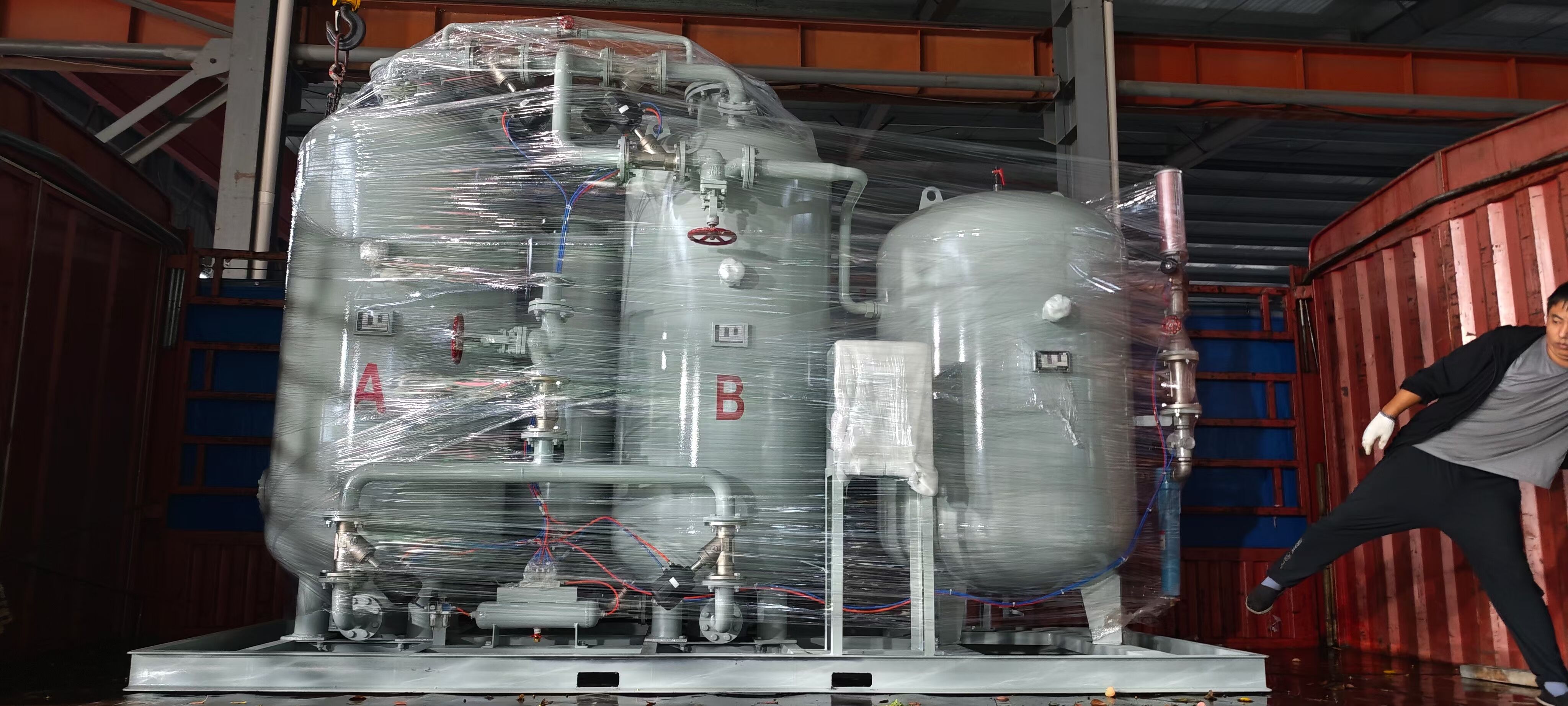
When your PSA nitrogen generator experiences operational issues, the impact on production efficiency and downstream processes can be immediate and costly. Understanding how to systematically troubleshoot your PSA nitrogen generator is essential for facility managers, maintenance engineers, and operations personnel who rely on continuous nitrogen supply for their industrial applications. This comprehensive guide walks you through the diagnostic process, helping you identify root causes and implement effective solutions that restore your system to optimal performance while minimizing downtime and operational disruptions.
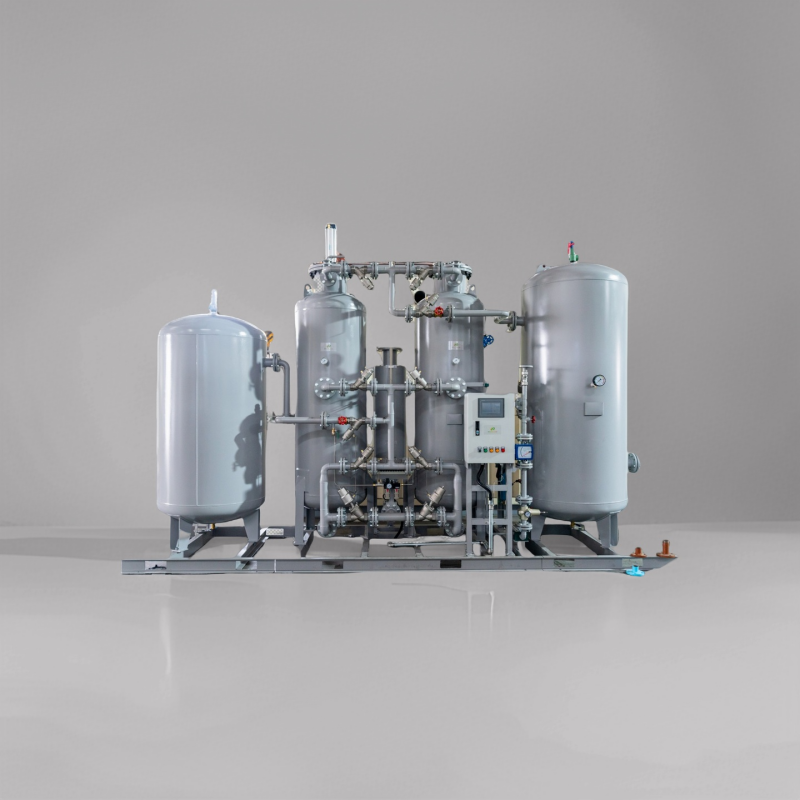
Pressure Swing Adsorption technology has become the preferred method for on-site nitrogen generation across manufacturing, electronics, food packaging, and pharmaceutical industries. However, like any industrial equipment, a PSA nitrogen generator requires proper maintenance and occasional troubleshooting to maintain consistent nitrogen purity and flow rates. By following a structured diagnostic approach, you can quickly isolate problems ranging from simple pressure irregularities to more complex issues involving carbon molecular sieve degradation, valve malfunctions, or control system errors. This step-by-step methodology empowers you to restore system functionality efficiently while building the technical knowledge needed for proactive maintenance strategies.
Understanding Common PSA Nitrogen Generator Problems
Identifying Performance Degradation Symptoms
The first critical step in troubleshooting your PSA nitrogen generator involves recognizing the symptoms that indicate performance degradation. Declining nitrogen purity is often the most obvious indicator, manifesting as higher oxygen content in the output stream than specified. You may notice this through changes in downstream process quality, discoloration in packaged products, or direct measurement via oxygen analyzers. Flow rate reductions represent another common symptom, where the PSA nitrogen generator fails to deliver the required volumetric output despite maintaining nominal operating pressure. This condition often signals adsorption bed saturation, valve timing issues, or compressor performance decline.
Pressure fluctuations throughout the system provide valuable diagnostic information about potential failures. Unstable feed pressure from the air compressor can compromise the entire adsorption cycle, while pressure drops across filters indicate media saturation requiring replacement. Abnormal pressure differentials between adsorption towers during cycle switching may point to valve seal failures or control system malfunctions. Monitoring these pressure parameters through installed gauges or your system's control interface establishes baseline performance data essential for effective troubleshooting. Temperature variations also serve as diagnostic indicators, particularly when carbon molecular sieve beds exhibit unusual thermal patterns suggesting incomplete regeneration or contamination issues.
Recognizing System Alarm Conditions
Modern PSA nitrogen generator systems incorporate sophisticated monitoring and alarm functions that alert operators to developing problems before complete system failure occurs. Understanding these alarm conditions accelerates your troubleshooting process by directing attention to specific subsystems. Low purity alarms trigger when oxygen content exceeds acceptable thresholds, typically indicating carbon molecular sieve degradation, valve leakage, or inadequate regeneration time. High dew point alarms signal moisture contamination, often resulting from compromised air dryer performance, coalescing filter saturation, or ambient humidity ingress through seal failures.
Pressure-related alarms encompass several categories requiring distinct diagnostic approaches. Low feed pressure alarms may indicate air compressor underperformance, excessive downstream demand, or significant system leakage. High differential pressure alarms across filtration stages suggest media loading requiring service intervention. Cycle time deviation alarms on your PSA nitrogen generator control system indicate timing irregularities that compromise adsorption efficiency, potentially caused by solenoid valve failures, controller programming errors, or pneumatic actuator malfunctions. Temperature alarms, though less common, warn of abnormal thermal conditions that might damage carbon molecular sieve material or indicate cooling system inadequacy during regeneration phases.
Establishing Baseline Performance Metrics
Before proceeding with detailed troubleshooting procedures, establishing clear baseline performance metrics for your PSA nitrogen generator creates the reference framework needed for accurate diagnosis. Document the system's designed specifications including rated flow capacity, outlet nitrogen purity, operating pressure range, and typical cycle duration. Compare these design parameters against current operational readings to quantify performance deviations. Historical trend data from your facility's maintenance records or control system logs reveals whether problems developed gradually or appeared suddenly, informing your diagnostic strategy.
Creating a comprehensive performance profile involves measuring key parameters under controlled conditions. Record nitrogen purity at various flow rates to identify capacity-related purity degradation patterns. Measure pressure at multiple system points including compressor discharge, filter outlets, tower inlets, and product delivery locations to map pressure distribution and identify restriction points. Document cycle timing for both adsorption and regeneration phases, noting any irregularities in valve switching sequences. Temperature measurements across carbon molecular sieve beds during different cycle phases reveal thermal management effectiveness. This systematic data collection transforms troubleshooting from guesswork into evidence-based diagnosis, significantly reducing downtime and repair costs for your PSA nitrogen generator.
Systematic Diagnostic Procedures for Component-Level Troubleshooting
Air Compressor and Feed System Inspection
Your troubleshooting journey should begin with the air supply system feeding your PSA nitrogen generator, as inadequate or contaminated feed air causes numerous downstream problems. Verify that the air compressor delivers the specified pressure and flow rate by checking discharge pressure gauges under loaded conditions. Compare actual output against nameplate specifications, accounting for any pressure drops through aftercoolers and filtration stages. Compressor underperformance may result from worn piston rings, valve plate degradation, belt slippage, or motor issues requiring mechanical attention before addressing the nitrogen generator itself.
Inspect the complete air treatment train preceding your PSA nitrogen generator, beginning with the aftercooler that reduces compressed air temperature and condenses moisture. Check condensate drains for proper function, as accumulated water overwhelms downstream dryers and contaminates carbon molecular sieves. Examine coalescing filters for differential pressure across the elements, replacing media when pressure drop exceeds manufacturer specifications or when visual inspection reveals saturation. Refrigerated or desiccant air dryers require verification of outlet dew point, typically minus forty degrees Celsius or lower, to protect the adsorption beds. Temperature gauges, moisture indicators, and dew point monitors provide objective assessment of dryer performance, while unusual frost formation or excessive condensate discharge signals malfunction requiring immediate correction.
Carbon Molecular Sieve Bed Evaluation
The carbon molecular sieve beds represent the functional heart of your PSA nitrogen generator, and their condition directly determines nitrogen purity and system efficiency. Evaluating bed performance requires both indirect operational assessment and, when necessary, direct physical inspection. Begin by analyzing purity trends over time, as gradual degradation suggests normal aging while sudden drops indicate contamination, moisture damage, or mechanical disturbance. Reduced production capacity at constant purity settings also indicates diminished sieve effectiveness, potentially from particle attrition reducing surface area or pore blockage from oil carryover.
When operational data suggests carbon molecular sieve issues, physical inspection becomes necessary despite requiring system shutdown. Safely depressurize the affected tower and remove access covers following manufacturer lockout procedures. Visually examine the sieve material for color changes indicating contamination, with darkening suggesting oil exposure and unusual moisture indicating dryer bypass. Check for powder accumulation at the bottom of the vessel, which indicates excessive particle attrition requiring bed replacement. Measure bed depth and compare against installation records, as settling or loss of material compromises performance. The sieve should move slightly when disturbed but remain firmly packed without large voids or channels that allow air bypass. Sample testing by the manufacturer can definitively assess remaining adsorption capacity, informing decisions about partial regeneration, complete replacement, or continued operation with adjusted parameters on your PSA nitrogen generator.
Valve System Function Testing
Valve assemblies control the complex sequencing required for efficient PSA nitrogen generator operation, making their proper function critical for system performance. These automated valves direct compressed air into adsorption towers, switch between towers at precise intervals, control purge flows during regeneration, and regulate product discharge. Begin valve system troubleshooting by verifying that all valves receive appropriate electrical signals from the control system. Use a multimeter to check solenoid coil resistance and voltage supply, confirming values match manufacturer specifications. Intermittent electrical connections cause erratic valve behavior manifesting as irregular cycling or incomplete switching.
Physical valve inspection requires attention to both pneumatic and mechanical components. Check pneumatic actuator air supply pressure, typically between five and seven bar, ensuring pilot air filtration and pressure regulation function correctly. Listen for characteristic switching sounds during cycle transitions, as silent operations indicate actuator failure or mechanical binding. Inspect valve stem movement by observing position indicators where provided, or by carefully feeling valve body temperature changes during operation, as flowing gas creates detectable thermal shifts. Internal seal wear causes both external leakage, visible as air discharge from valve bodies, and internal leakage that allows gas bypass reducing separation efficiency in your PSA nitrogen generator. Seat leakage testing involves isolating individual valves and monitoring pressure decay rates, with rapid pressure loss indicating seal replacement necessity. Timing verification ensures valves open and close according to programmed sequences, requiring control system interface access or timing relay inspection.
Advanced Troubleshooting for Control Systems and Process Optimization
Control System Diagnostics and Parameter Verification
Modern PSA nitrogen generator systems employ programmable logic controllers or microprocessor-based control systems that manage cycle timing, monitor operational parameters, and execute protective shutdowns when alarm conditions occur. Troubleshooting control system issues requires methodical verification of both hardware functionality and software programming. Begin by checking power supply voltage to the controller and all peripheral devices including sensors, transmitters, and valve solenoids. Voltage fluctuations or inadequate power capacity cause erratic behavior mimicking mechanical failures, wasting troubleshooting time on unnecessary component replacements.
Access the control interface to review current parameter settings against documented baseline configurations for your PSA nitrogen generator. Verify cycle timing parameters including adsorption duration, pressure equalization time, and regeneration period match design specifications for your required purity and flow rate. Incorrect timing settings compromise separation efficiency even when all mechanical components function properly. Examine setpoints for pressure control, purity thresholds, and alarm limits to ensure appropriate values. Review historical alarm logs to identify recurring issues pointing to specific subsystem problems rather than control system faults. Many apparent control failures actually result from sensor malfunctions providing incorrect feedback, so independently verify sensor readings using calibrated test equipment before concluding controller malfunction.
Sensor and Instrumentation Calibration Checks
Accurate process control depends on reliable sensor data, making instrumentation verification essential when troubleshooting your PSA nitrogen generator. Oxygen analyzers require regular calibration using certified span gases to ensure purity measurements reflect actual nitrogen quality. Drift in analyzer calibration causes false alarm conditions or, worse, allows substandard product delivery without warning. Follow manufacturer protocols for calibration frequency and procedures, typically involving zero calibration with pure nitrogen followed by span calibration with a known oxygen concentration mixture.
Pressure transmitters throughout the system require periodic verification against calibrated reference gauges. Significant deviations between installed transmitter readings and reference measurements indicate sensor drift, damaged diaphragms, or impulse line blockage. Temperature sensors, particularly those monitoring carbon molecular sieve beds, should display expected thermal profiles during cycle operation. Anomalous temperature readings may indicate sensor failure rather than actual process problems, leading to incorrect diagnostic conclusions. Flow meters measuring feed air consumption and nitrogen product delivery accumulate measurement errors from contamination or mechanical wear. Verify flow measurements against alternative methods such as volumetric displacement or mass balance calculations to confirm accuracy before adjusting system parameters based on potentially erroneous data.
Cycle Optimization for Performance Recovery
Sometimes apparent mechanical failures actually reflect suboptimal process parameters that can be corrected through cycle adjustments rather than component replacement. When your PSA nitrogen generator exhibits declining purity without obvious mechanical causes, cycle optimization may restore performance without extensive repairs. Extending adsorption time allows more complete carbon molecular sieve saturation before regeneration, potentially improving separation efficiency at the cost of reduced production capacity. Conversely, shorter cycles with more frequent regeneration maintain purity when dealing with partially degraded sieve beds or higher oxygen content applications.
Adjusting regeneration parameters offers another optimization avenue for restoring PSA nitrogen generator performance. Increasing purge flow during regeneration more thoroughly desorbs captured oxygen from the carbon molecular sieve, though this consumes more product nitrogen reducing overall efficiency. Extending regeneration time allows more complete pressure reduction and desorption, particularly beneficial when moisture contamination or partial sieve degradation has occurred. Pressure equalization timing adjustments optimize energy recovery between towers while maintaining separation performance. These optimization steps require careful documentation of parameter changes and their effects, systematically testing adjustments while monitoring purity, flow rate, and energy consumption to identify settings delivering optimal performance under current operating conditions.
Implementing Preventive Measures and Long-Term Reliability Strategies
Developing Comprehensive Maintenance Protocols
Effective troubleshooting extends beyond reactive problem-solving to include preventive maintenance strategies that minimize future issues with your PSA nitrogen generator. Establish a structured maintenance schedule addressing all system components at appropriate intervals. Daily checks should include visual inspection for leaks, verification of operating pressures and purity levels, condensate drain function, and unusual noise or vibration. Weekly maintenance encompasses filter differential pressure measurement, compressor oil level checks, cooling system inspection, and control system alarm log review.
Monthly maintenance activities include coalescing filter element replacement based on differential pressure or elapsed operating hours, air dryer desiccant condition assessment, valve actuator lubrication where applicable, and comprehensive leak detection using ultrasonic instruments or soap solution. Quarterly tasks involve oxygen analyzer calibration, pressure relief valve function testing, motor and drive component inspection, and electrical connection tightness verification. Annual maintenance requires carbon molecular sieve bed inspection, complete valve overhaul including seal replacement, instrumentation calibration verification, and comprehensive system performance testing against design specifications. Documenting all maintenance activities with dates, findings, and corrective actions creates the historical record essential for identifying recurring problems and predicting component lifecycle on your PSA nitrogen generator.
Training and Knowledge Development
Successful troubleshooting depends not only on technical procedures but also on operator and maintenance personnel knowledge. Invest in comprehensive training programs covering PSA nitrogen generator operating principles, normal operational parameters, common failure modes, and basic diagnostic techniques. Personnel should understand the relationship between process parameters and product quality, enabling early problem detection before complete system failure. Hands-on training with actual equipment components including valve assemblies, control systems, and testing instruments builds practical competence beyond theoretical knowledge.
Establish clear communication protocols ensuring that operators promptly report abnormal conditions to maintenance personnel before minor issues escalate into major failures. Create troubleshooting guides specific to your PSA nitrogen generator model, documenting solutions to previously encountered problems for rapid reference during future incidents. Encourage knowledge sharing between shifts and between facilities operating similar equipment, leveraging collective experience to improve troubleshooting effectiveness. Maintain relationships with equipment manufacturers and service providers, utilizing their technical support resources when encountering unfamiliar problems. Regular knowledge refreshment through periodic retraining prevents skill degradation and incorporates lessons learned from operational experience.
Performance Monitoring and Predictive Maintenance
Transitioning from reactive troubleshooting to predictive maintenance represents the highest level of PSA nitrogen generator reliability management. Implement continuous performance monitoring through installed instrumentation connected to data logging systems. Track key performance indicators including nitrogen purity trends, specific energy consumption, cycle consistency, and component operating hours. Statistical analysis of this data reveals gradual degradation patterns indicating incipient failures before they affect production, allowing planned maintenance during scheduled downtime rather than emergency repairs.
Vibration analysis on compressor and blower components detects bearing wear and mechanical imbalance before catastrophic failure. Thermographic inspection identifies abnormal heating in electrical components, valve bodies, and piping suggesting developing problems. Ultrasonic leak detection during regular intervals quantifies system air losses, justifying seal replacement or gasket renewal before significant energy waste accumulates. Oil analysis programs for compressor lubricants reveal contamination and wear metal content predicting component degradation. These predictive techniques, combined with systematic performance data analysis, transform maintenance from reactive firefighting to strategic asset management, maximizing PSA nitrogen generator uptime while minimizing total cost of ownership through optimal intervention timing.
FAQ
What are the most common reasons for nitrogen purity decline in a PSA nitrogen generator?
Nitrogen purity decline typically results from several common causes that troubleshooting should address systematically. Carbon molecular sieve degradation from normal aging, moisture contamination, or oil carryover reduces selective adsorption capacity, allowing more oxygen through to the product stream. Valve seal leakage permits air bypass around the adsorption beds, diluting pure nitrogen with unprocessed feed air. Inadequate regeneration time or insufficient purge flow prevents complete oxygen desorption from the sieve material during the regeneration phase. Air dryer malfunction allows excessive moisture into the system, damaging the carbon molecular sieve and reducing its effectiveness. Incorrect cycle timing settings may not provide sufficient contact time between feed air and adsorbent material for complete oxygen removal. Finally, excessive flow demand beyond system design capacity forces incomplete separation as residence time decreases below the minimum required for the target purity level.
How frequently should carbon molecular sieve beds be replaced in a PSA nitrogen generator?
Carbon molecular sieve replacement intervals vary significantly based on operating conditions, feed air quality, and maintenance practices rather than following a fixed schedule. Under ideal conditions with properly dried and filtered feed air, minimal oil contamination, and appropriate cycling parameters, sieve beds typically last seven to ten years before requiring replacement. However, exposure to moisture accelerates degradation, potentially reducing service life to three to five years. Oil contamination from inadequate compressor discharge treatment severely damages sieve material, sometimes necessitating replacement within one to two years. Rather than relying solely on time-based replacement, monitor performance indicators including gradual purity decline at constant settings, reduced production capacity, and increased specific energy consumption. When these metrics show sustained degradation despite optimization efforts, laboratory analysis of sieve samples can definitively assess remaining capacity and inform replacement decisions. Preventive replacement before complete performance failure avoids production disruptions and allows planned downtime scheduling rather than emergency interventions.
Can I troubleshoot electrical control issues on my PSA nitrogen generator without specialized training?
Basic electrical troubleshooting of control system components is possible with fundamental electrical knowledge and appropriate safety precautions, though complex programming issues require specialized expertise. Personnel with basic electrical skills can safely verify power supply voltage, check fuse and circuit breaker conditions, measure solenoid coil resistance, and confirm that control signals reach their intended destinations using a multimeter. Visual inspection for loose connections, damaged wiring, or burned components often reveals obvious problems requiring simple repairs. However, internal controller diagnostics, software parameter modification, and programming changes should only be attempted by trained personnel familiar with the specific control platform. Incorrect parameter changes can worsen problems or create new issues requiring factory reset and complete reconfiguration. When troubleshooting identifies control system issues beyond basic electrical verification, contact the equipment manufacturer or qualified service technicians rather than attempting repairs that might void warranties or create safety hazards. Maintain detailed documentation of any settings changes made during troubleshooting to facilitate restoration of proper configuration.
What safety precautions are essential when troubleshooting a PSA nitrogen generator?
Troubleshooting a PSA nitrogen generator involves several safety hazards requiring strict precautions to protect personnel and equipment. Always implement proper lockout-tagout procedures before performing any maintenance or inspection requiring access to internal components, ensuring compressed air supply is isolated and all stored pressure is safely released. Nitrogen displacement of oxygen creates asphyxiation hazards in enclosed spaces, so never enter confined areas around nitrogen systems without proper atmospheric monitoring and ventilation. High-pressure compressed air presents injury risks from sudden release, requiring gradual depressurization through designated vents rather than rapid valve opening. Electrical hazards exist throughout control systems, demanding power isolation and voltage verification before touching any electrical components. Carbon molecular sieve material, while generally inert, creates dust during handling that should not be inhaled, requiring respiratory protection during bed replacement. Moving mechanical components including valve actuators and compressor parts present pinch points and crush hazards, necessitating machine guarding and careful approach when operating. Always wear appropriate personal protective equipment including safety glasses, hearing protection near compressors, and gloves when handling components. Consult equipment-specific safety documentation and follow facility safety protocols without exception during all troubleshooting activities.
Table of Contents
- Understanding Common PSA Nitrogen Generator Problems
- Systematic Diagnostic Procedures for Component-Level Troubleshooting
- Advanced Troubleshooting for Control Systems and Process Optimization
- Implementing Preventive Measures and Long-Term Reliability Strategies
-
FAQ
- What are the most common reasons for nitrogen purity decline in a PSA nitrogen generator?
- How frequently should carbon molecular sieve beds be replaced in a PSA nitrogen generator?
- Can I troubleshoot electrical control issues on my PSA nitrogen generator without specialized training?
- What safety precautions are essential when troubleshooting a PSA nitrogen generator?