 EN
EN

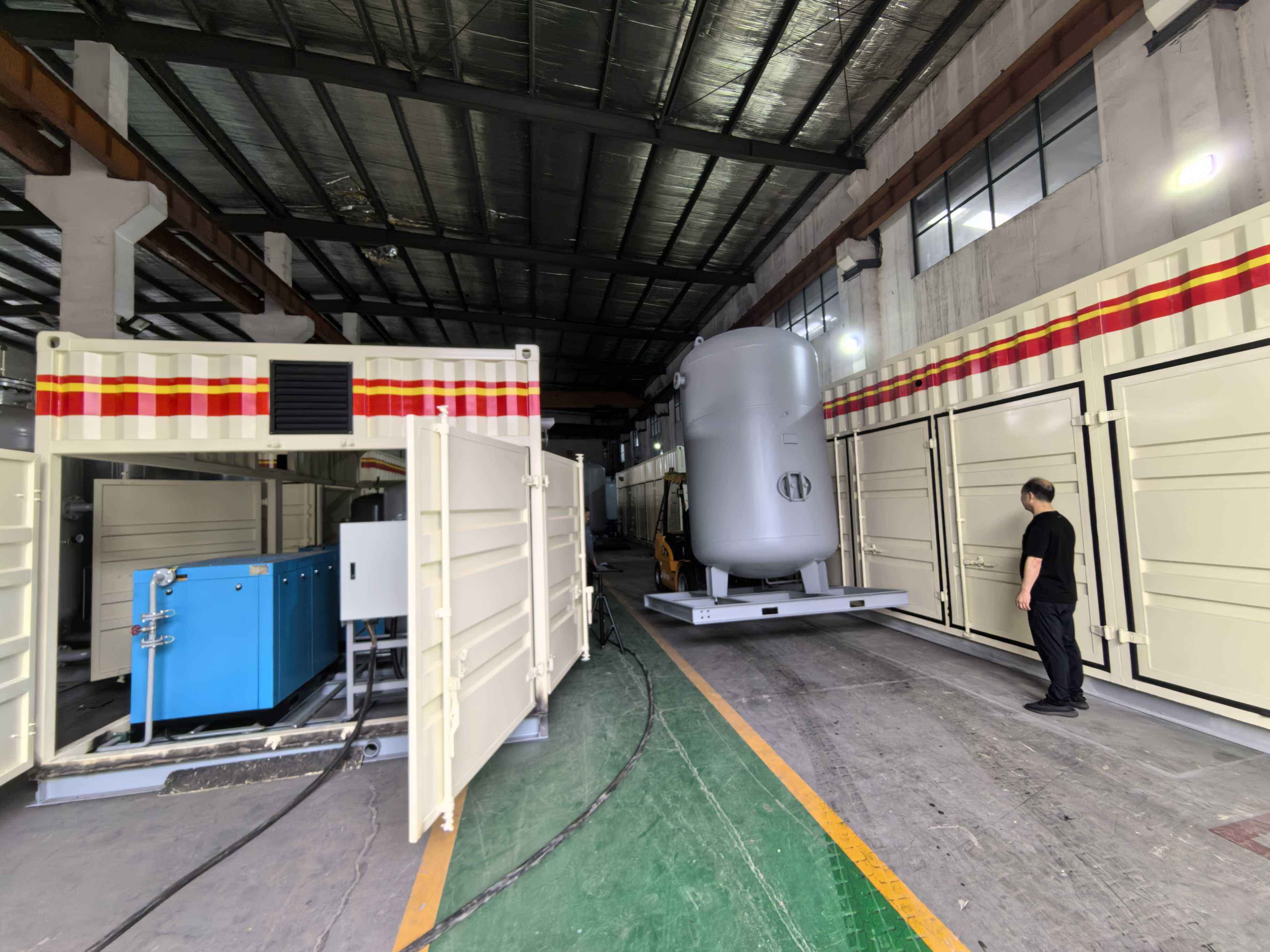
Maintaining an industrial nitrogen system is essential for ensuring consistent nitrogen purity, operational efficiency, and equipment longevity. Whether your facility relies on nitrogen for inerting, blanketing, purging, or pneumatic applications, the performance of your industrial nitrogen system directly impacts production uptime, product quality, and overall operating costs. Neglecting routine maintenance can lead to contamination, pressure fluctuations, increased energy consumption, and unexpected downtime that disrupts critical processes. Understanding how to properly maintain your industrial nitrogen system empowers plant managers, maintenance technicians, and facility engineers to prevent costly failures and optimize system performance throughout its operational lifespan.
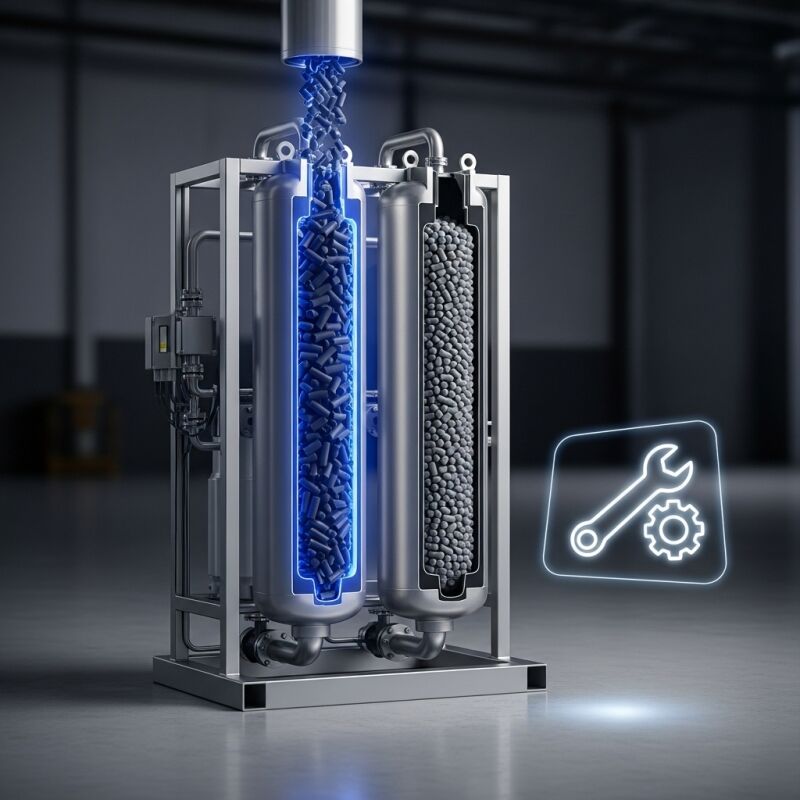
Proper maintenance of an industrial nitrogen system encompasses systematic inspection of key components, adherence to manufacturer-recommended service intervals, monitoring of performance parameters, and proactive replacement of consumable parts before they compromise system integrity. The specific maintenance requirements vary depending on the nitrogen generation technology employed, such as pressure swing adsorption systems, membrane separation units, or cryogenic distillation equipment, but fundamental principles remain consistent across all configurations. This comprehensive guide explains the step-by-step procedures, critical maintenance checkpoints, common failure modes, and best practices that enable your industrial nitrogen system to deliver reliable, high-purity nitrogen supply while minimizing unplanned maintenance interventions and maximizing return on investment.
Understanding Critical Components of Your Industrial Nitrogen System
Core System Architecture and Maintenance Priorities
An industrial nitrogen system typically consists of several integrated subsystems that work together to generate, purify, store, and distribute nitrogen gas. The air compression section supplies the pressurized feedstock, pre-treatment equipment removes moisture and contaminants, the separation technology extracts nitrogen from compressed air, buffer tanks provide surge capacity, and the distribution network delivers nitrogen to process endpoints. Each component requires specific maintenance attention based on its function, operational stress, and exposure to environmental factors. Understanding how these elements interact helps prioritize maintenance activities that deliver the greatest impact on overall system reliability and performance.
The separation technology represents the heart of your industrial nitrogen system and demands the most specialized maintenance protocols. Pressure swing adsorption systems employ carbon molecular sieve beds that selectively adsorb oxygen while allowing nitrogen to pass through, requiring periodic inspection for bed compaction, channeling, or contamination. Membrane systems utilize hollow fiber bundles that separate gases based on differential permeation rates, necessitating monitoring for fiber damage, fouling, or moisture intrusion. Regardless of the technology deployed, maintaining optimal performance of the separation stage directly determines nitrogen purity, production capacity, and energy efficiency throughout the operational envelope.
Instrumentation and Control System Maintenance
Modern industrial nitrogen systems incorporate sophisticated instrumentation and control systems that monitor process parameters, execute automated valve sequencing, and provide diagnostic feedback for maintenance planning. Pressure transducers, flow meters, oxygen analyzers, dew point sensors, and programmable logic controllers require regular calibration, verification, and functional testing to ensure accurate measurement and reliable system operation. Sensor drift, electrical connection corrosion, and software glitches can compromise system performance without triggering obvious alarms, making systematic instrumentation maintenance an essential component of any comprehensive maintenance program.
Control system maintenance for your industrial nitrogen system should include backup of program logic, verification of alarm setpoints, testing of emergency shutdown sequences, and inspection of human-machine interface functionality. Many nitrogen system failures stem not from mechanical component degradation but from control system malfunctions that prevent proper cycle execution or fail to alert operators to developing problems. Establishing a documented calibration schedule for all critical instruments, maintaining spare sensor inventory, and training maintenance personnel on control system troubleshooting significantly enhances system reliability and reduces diagnostic time during unplanned outages.
Developing an Effective Preventive Maintenance Schedule
Daily and Weekly Inspection Procedures
Effective maintenance of an industrial nitrogen system begins with consistent daily and weekly inspection routines that identify developing issues before they escalate into system failures. Daily walkthroughs should verify normal operating pressures, confirm proper valve actuation, check for unusual noises or vibrations, inspect for visible leaks, and review data logs for parameter trends that suggest declining performance. Operators should document nitrogen purity readings, regeneration cycle completion, power consumption patterns, and any deviation from baseline operation. These brief daily checks create an early warning system that enables proactive intervention and prevents minor issues from causing production interruptions.
Weekly maintenance tasks for your industrial nitrogen system should include more detailed inspections of mechanical components, lubrication of rotating equipment, filter differential pressure measurements, condensate drain verification, and electrical connection integrity checks. Compressed air dryer performance, inlet air filter condition, and separator element loading merit weekly assessment to ensure upstream equipment adequately protects nitrogen generation components from contamination. Establishing standardized checklists with measurable criteria rather than subjective observations improves maintenance consistency across shifts and personnel, while digital maintenance management systems enable trend analysis that reveals gradual performance degradation requiring corrective action.
Monthly and Quarterly Service Requirements
Monthly maintenance intervals provide opportunities to perform more invasive inspections and component servicing that cannot be accomplished during daily operations. Your industrial nitrogen system benefits from monthly inspection of valve seats and seals, verification of automated drain function, detailed review of oxygen analyzer calibration, assessment of molecular sieve or membrane condition through performance testing, and thermal imaging of electrical components to detect developing hot spots. These activities often require brief system shutdown or operation in backup mode, making coordination with production schedules essential to minimize impact on nitrogen supply continuity.
Quarterly maintenance represents a critical checkpoint for comprehensive system evaluation and major consumable replacement. Carbon molecular sieve beds in pressure swing adsorption systems gradually lose separation efficiency through contamination, moisture damage, or mechanical degradation, requiring performance assessment every three months to determine remaining service life. Pre-filter elements, coalescing filters, and activated carbon beds protecting your industrial nitrogen system from oil, particulate, and hydrocarbon contamination should be replaced quarterly or when differential pressure exceeds manufacturer specifications, whichever occurs first. Quarterly maintenance windows also accommodate compressor oil analysis, bearing inspection, belt tension adjustment, and other mechanical services that extend equipment lifespan and prevent catastrophic failures.
Critical Maintenance Tasks for Optimal System Performance
Air Pre-treatment System Maintenance
The air pre-treatment subsystem protecting your industrial nitrogen system from contamination represents the first line of defense against accelerated component degradation and premature system failure. Compressed air entering nitrogen generation equipment carries moisture, particulate matter, oil vapor, and hydrocarbon compounds that compromise separation efficiency, contaminate adsorbent materials, and reduce product purity. Refrigerated dryers, desiccant dryers, coalescing filters, and particulate filters require meticulous maintenance to ensure consistent delivery of clean, dry air meeting the specifications required by downstream nitrogen generation technology.
Filter element replacement according to manufacturer recommendations or differential pressure limits prevents contamination breakthrough that damages expensive molecular sieve beds or membrane modules. Many facilities underestimate the importance of pre-treatment maintenance, operating filters beyond their effective service life and allowing contaminants to reach the separation stage where they cause permanent damage requiring costly component replacement. Implementing automated drain systems for condensate removal, monitoring dryer dew point performance, and maintaining spare filter inventory ensures your industrial nitrogen system receives consistently clean air that maximizes equipment lifespan and nitrogen quality.
Separation Technology Specific Maintenance
Pressure swing adsorption systems require specialized maintenance focused on preserving molecular sieve integrity and ensuring proper cycle execution. The carbon molecular sieve beds that enable nitrogen separation gradually accumulate contaminants, experience particle attrition, and may develop channeling patterns that reduce separation efficiency. Annual or biennial removal and inspection of molecular sieve material allows assessment of bed condition, removal of dust fines that impede airflow, and replenishment or complete replacement when performance testing indicates inadequate separation capability. Proper depressurization procedures during maintenance prevent rapid pressure release that can damage molecular sieve structure through mechanical shock.
Membrane-based industrial nitrogen systems demand different maintenance approaches focused on preserving hollow fiber integrity and preventing membrane fouling. Unlike molecular sieve systems that can tolerate brief contamination exposure before requiring bed replacement, membrane modules suffer immediate and often irreversible damage from oil or liquid water contact. Membrane maintenance emphasizes upstream filtration verification, monitoring for pressure drop increases indicating fouling, and periodic performance testing to detect fiber breakage or degradation. Membrane modules typically require replacement every five to ten years depending on operating conditions, making accurate performance trending essential for maintenance budget planning and preventing unexpected capacity loss.
Compressor Maintenance Integration
The air compressor supplying your industrial nitrogen system represents a significant maintenance investment that directly impacts nitrogen generation reliability and operating cost. Rotary screw compressors, reciprocating compressors, and centrifugal compressors each require specific maintenance protocols covering lubrication system service, air filter replacement, cooler cleaning, separator element replacement, and vibration analysis. Compressor maintenance intervals typically range from one thousand to four thousand operating hours depending on equipment type and duty cycle, requiring coordination with nitrogen system maintenance to minimize production disruptions.
Integrating compressor maintenance with nitrogen generator servicing creates opportunities for comprehensive system inspection during planned downtime. Many facilities schedule annual or semi-annual maintenance outages that accommodate both compressor overhaul and nitrogen system component replacement, reducing total shutdown duration compared to separate maintenance events. Maintaining detailed compressor performance records including power consumption, discharge pressure, discharge temperature, and oil analysis results enables predictive maintenance that prevents unplanned failures and optimizes component replacement timing for your industrial nitrogen system and its supporting infrastructure.
Performance Monitoring and Diagnostic Procedures
Key Performance Indicators for System Health
Effective maintenance of an industrial nitrogen system relies on continuous monitoring of key performance indicators that reveal system health and signal developing problems. Nitrogen purity measured by oxygen analyzer provides the most direct assessment of separation performance, with gradual purity decline indicating molecular sieve saturation, membrane degradation, or valve timing issues. Production flow rate compared to design capacity reveals whether the system maintains rated output or suffers from restriction, leakage, or component degradation. Power consumption per unit of nitrogen produced indicates energy efficiency and helps identify excessive pressure drop, compressor wear, or other factors increasing operating cost.
Cycle time analysis for pressure swing adsorption systems reveals whether regeneration cycles complete properly and adsorbent beds achieve adequate purging between production phases. Abnormally short or extended cycle times suggest control system malfunctions, valve leakage, or bed contamination requiring immediate investigation. Your industrial nitrogen system benefits from establishing baseline performance data during commissioning or after major maintenance, then comparing ongoing measurements against these benchmarks to quantify degradation rates and predict remaining service life. Statistical process control techniques applied to nitrogen system performance data enable early detection of adverse trends and support data-driven maintenance decision making.
Diagnostic Techniques for Common Failure Modes
When your industrial nitrogen system exhibits declining performance, systematic diagnostic procedures identify root causes and guide appropriate corrective actions. Purity degradation may stem from inadequate cycle time, molecular sieve exhaustion, valve leakage allowing oxygen slip, or contamination from upstream equipment. Isolating the specific failure mechanism requires sequential testing including extended regeneration cycles, valve actuation verification, molecular sieve sampling, and upstream air quality assessment. Pressure decay testing with the system isolated identifies internal and external leakage that reduces efficiency and compromises nitrogen quality.
Production capacity reduction in an industrial nitrogen system often results from restricted flow paths, compressor performance decline, or molecular sieve bed compaction. Measuring pressure drop across filters, heat exchangers, and vessel internals localizes restrictions requiring cleaning or component replacement. Compressor discharge pressure and flow verification determines whether capacity loss originates in air supply rather than nitrogen generation equipment. Ultrasonic flow measurement at strategic system locations quantifies actual gas movement and helps identify consumption increases masquerading as production problems, ensuring maintenance resources focus on genuine equipment issues rather than process changes.
Extending Equipment Lifespan Through Proactive Maintenance
Predictive Maintenance Technologies and Techniques
Advanced maintenance strategies for industrial nitrogen systems increasingly incorporate predictive technologies that forecast component failures before they occur. Vibration analysis of compressors and blowers detects bearing wear, shaft misalignment, and mechanical imbalance long before catastrophic failure. Thermal imaging identifies electrical connection degradation, valve malfunction, and heat exchanger fouling through abnormal temperature patterns. Oil analysis for lubricated equipment reveals wear metal concentrations, contamination ingress, and lubricant degradation that signal impending mechanical problems requiring intervention.
Data analytics applied to continuously logged performance parameters from your industrial nitrogen system enable sophisticated predictive models that estimate remaining component life and optimize maintenance timing. Machine learning algorithms identify subtle pattern changes in pressure profiles, cycle timing, and power consumption that precede equipment failures, generating automated maintenance alerts that prevent unplanned downtime. Implementing condition-based maintenance triggered by actual equipment condition rather than fixed calendar intervals reduces unnecessary service activities while preventing premature failures, delivering both cost savings and reliability improvements compared to traditional time-based maintenance approaches.
Component Replacement Strategies and Lifecycle Management
Strategic component replacement represents a critical element of industrial nitrogen system maintenance that balances reliability requirements against maintenance budget constraints. High-wear components including valve seats, filter elements, and elastomeric seals require replacement at manufacturer-specified intervals or when condition monitoring indicates imminent failure. Major components such as molecular sieve beds, membrane modules, and compressor airends involve significant investment, making accurate lifetime prediction essential for capital planning and production continuity.
Lifecycle management for your industrial nitrogen system should establish replacement criteria based on performance metrics rather than arbitrary age limits. Molecular sieve beds demonstrating adequate separation efficiency through purity testing and production capacity measurement may continue service beyond nominal design life, deferring replacement cost until performance actually degrades. Conversely, molecular sieve exposed to severe contamination or moisture ingress may require premature replacement despite limited operating hours. Maintaining detailed component history including installation dates, operating conditions, maintenance interventions, and performance trends supports informed replacement decisions that optimize total cost of ownership while maintaining required nitrogen supply reliability.
FAQ
How often should molecular sieve beds in an industrial nitrogen system be replaced?
Molecular sieve replacement intervals for an industrial nitrogen system typically range from five to ten years depending on operating conditions, air pre-treatment effectiveness, and production duty cycle. However, replacement timing should be based on performance testing rather than age alone. Annual nitrogen purity testing, production capacity measurement, and cycle time analysis reveal actual bed condition and remaining service life. Systems operating with excellent air pre-treatment and moderate duty cycles often exceed ten years before requiring molecular sieve replacement, while units experiencing contamination exposure or continuous heavy-duty operation may need replacement within three to five years. Establishing baseline performance data and monitoring degradation trends enables predictive replacement timing that prevents unexpected failures while avoiding premature replacement of serviceable material.
What are the most common causes of declining nitrogen purity in industrial nitrogen systems?
Declining nitrogen purity in an industrial nitrogen system most commonly results from molecular sieve saturation with moisture or contaminants, valve leakage allowing oxygen bypass, inadequate regeneration cycle time, or upstream air treatment failure. Moisture exposure degrades molecular sieve separation capacity and may cause irreversible damage requiring bed replacement. Oil contamination from compressor carryover coats molecular sieve surfaces and blocks adsorption sites. Internal valve leakage permits oxygen-rich waste gas to mix with purified nitrogen product. Control system malfunctions may truncate regeneration cycles before adsorbent beds fully purge adsorbed oxygen. Systematic diagnosis involving extended regeneration testing, valve leak checking, and upstream air quality verification identifies the specific root cause and guides appropriate corrective action to restore purity performance.
Can industrial nitrogen system maintenance be performed by in-house technicians or should external service providers be used?
Most routine industrial nitrogen system maintenance including filter replacement, instrument calibration, visual inspection, and performance monitoring can be effectively performed by properly trained in-house maintenance technicians using manufacturer documentation and standard tools. This approach reduces service costs, enables immediate response to emerging issues, and builds institutional knowledge of system behavior. However, specialized tasks such as molecular sieve bed replacement, membrane module installation, major compressor overhaul, and control system reprogramming often benefit from manufacturer or specialist service provider expertise, particularly for complex systems or when warranty considerations apply. An optimal maintenance strategy combines routine in-house care with periodic expert service for major overhauls, performance optimization, and complex troubleshooting that exceeds internal capability.
What documentation should be maintained for an industrial nitrogen system maintenance program?
Comprehensive maintenance documentation for an industrial nitrogen system should include baseline performance data from commissioning, detailed maintenance logs recording all service activities with dates and technician identification, component replacement records with part numbers and installation dates, calibration certificates for all instruments, performance trend charts showing nitrogen purity and production capacity over time, and failure analysis reports for any unplanned outages. This documentation enables lifecycle cost analysis, supports warranty claims, facilitates regulatory compliance, and provides historical context for troubleshooting recurring problems. Digital maintenance management systems organize this information accessibly and generate automated reports that demonstrate maintenance program effectiveness to management while supporting data-driven optimization of maintenance intervals and component replacement timing based on actual equipment performance rather than generic recommendations.
Table of Contents
- Understanding Critical Components of Your Industrial Nitrogen System
- Developing an Effective Preventive Maintenance Schedule
- Critical Maintenance Tasks for Optimal System Performance
- Performance Monitoring and Diagnostic Procedures
- Extending Equipment Lifespan Through Proactive Maintenance
-
FAQ
- How often should molecular sieve beds in an industrial nitrogen system be replaced?
- What are the most common causes of declining nitrogen purity in industrial nitrogen systems?
- Can industrial nitrogen system maintenance be performed by in-house technicians or should external service providers be used?
- What documentation should be maintained for an industrial nitrogen system maintenance program?