 EN
EN
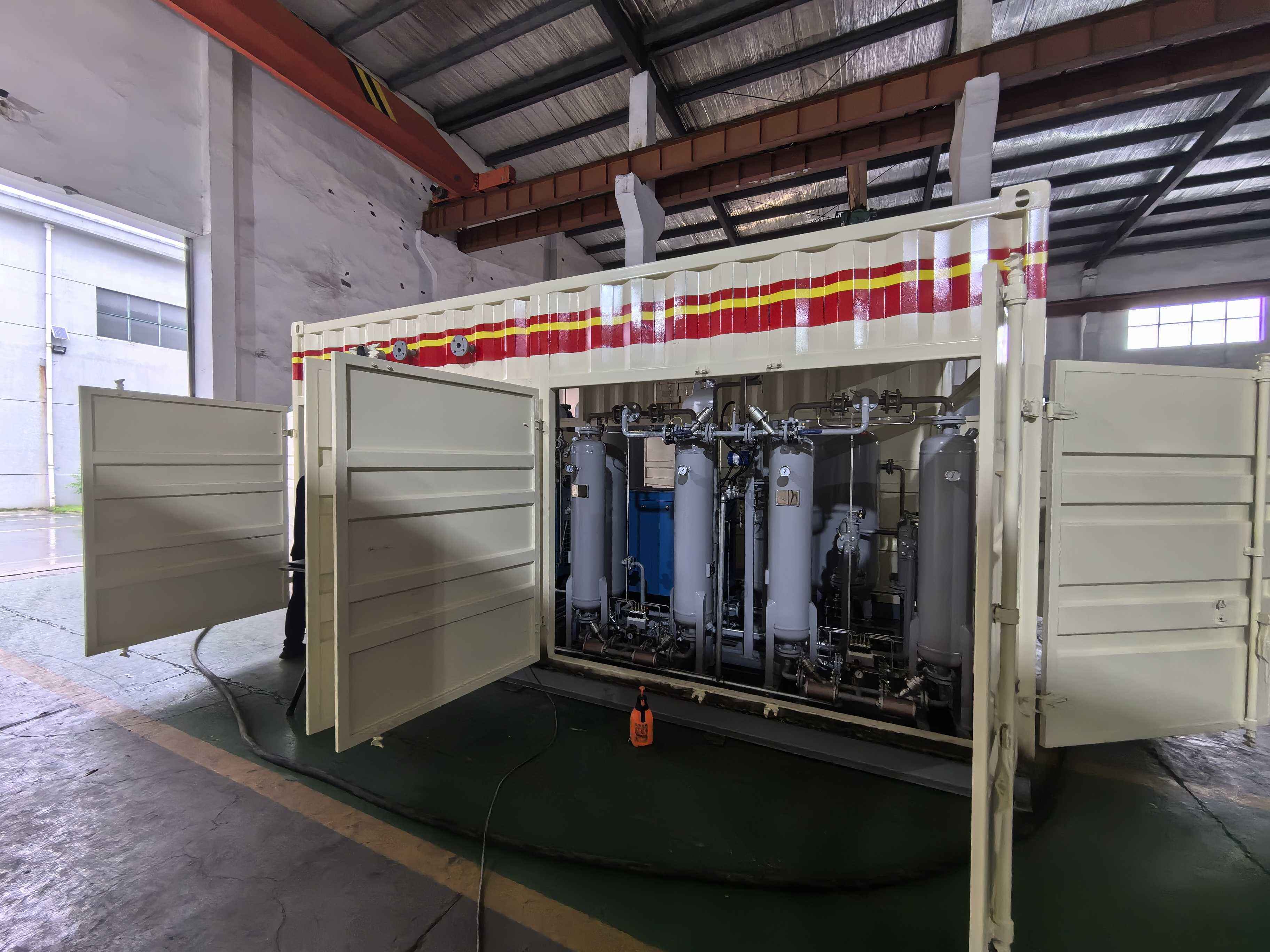
Industrial facilities across manufacturing, food processing, electronics, and pharmaceutical sectors rely heavily on high-purity nitrogen for critical operations. While traditional nitrogen supply methods like liquid nitrogen tanks or cylinder deliveries have served industries for decades, an increasing number of companies are discovering the operational and cost advantages of on-site nitrogen generation. A PSA nitrogen generator represents one of the most efficient and reliable technologies for producing nitrogen gas directly at your facility, eliminating dependency on external suppliers and providing unprecedented control over your nitrogen supply chain.
Understanding PSA Technology Fundamentals
The Science Behind Pressure Swing Adsorption
Pressure Swing Adsorption technology operates on the principle of selective gas separation using molecular sieves, typically carbon molecular sieves or zeolite materials. These specialized adsorbents have microscopic pores that preferentially capture oxygen molecules while allowing nitrogen molecules to pass through freely. The PSA nitrogen generator utilizes this selective adsorption property by cycling between high-pressure adsorption and low-pressure desorption phases, continuously producing high-purity nitrogen gas from compressed air.
The molecular basis of PSA separation lies in the different kinetic diameters and adsorption characteristics of oxygen and nitrogen molecules. Carbon molecular sieves, the most common adsorbent material in PSA nitrogen generator systems, feature precisely engineered pore structures that create a kinetic separation effect. During the high-pressure phase, oxygen molecules are rapidly adsorbed into the sieve material, while nitrogen molecules move through the bed more slowly and are collected as the product gas.
Adsorbent Materials and Their Properties
Modern PSA nitrogen generator systems utilize advanced carbon molecular sieves that have been specifically developed for air separation applications. These materials undergo careful activation processes to create optimal pore structures that maximize nitrogen recovery while maintaining high purity levels. The selection of appropriate adsorbent materials directly impacts the performance characteristics of the PSA nitrogen generator, including nitrogen purity, recovery rate, and energy consumption.
The lifespan and performance of adsorbent materials in a PSA nitrogen generator depend on various operational factors including feed air quality, operating pressure, temperature, and cycle timing. High-quality carbon molecular sieves can maintain their separation efficiency for several years under proper operating conditions, making PSA technology a reliable long-term solution for on-site nitrogen generation.
PSA Nitrogen Generator Operating Cycle
Adsorption Phase Mechanics
During the adsorption phase of a PSA nitrogen generator cycle, compressed air enters the first adsorption tower at elevated pressure, typically between 4 to 10 bar depending on the system design. As the air flows through the carbon molecular sieve bed, oxygen molecules are rapidly adsorbed onto the sieve surface while nitrogen molecules continue through the bed at a slower rate. The PSA nitrogen generator controls this process through precise timing and pressure management to optimize nitrogen purity and production rate.
The adsorption front moves progressively through the sieve bed as oxygen saturation increases over time. Advanced PSA nitrogen generator systems incorporate sophisticated sensors and control algorithms to monitor this progression and switch to the regeneration phase at the optimal moment, ensuring consistent nitrogen quality while maximizing adsorbent utilization efficiency.
Regeneration and Purge Cycles
The regeneration phase begins when the first adsorption tower reaches near-saturation with oxygen molecules. The PSA nitrogen generator switches the compressed air feed to the second tower while simultaneously reducing pressure in the first tower to atmospheric levels or below. This pressure reduction causes the adsorbed oxygen to be released from the carbon molecular sieve, effectively regenerating the adsorbent material for the next cycle.
Many PSA nitrogen generator designs incorporate a purge step using a small portion of the produced nitrogen gas to sweep residual oxygen from the regenerating tower. This counter-current purge flow helps ensure complete oxygen removal and prepares the adsorbent bed for maximum efficiency in the subsequent adsorption cycle, contributing to the overall reliability and performance of the nitrogen generation system.
System Components and Configuration
Adsorption Tower Design
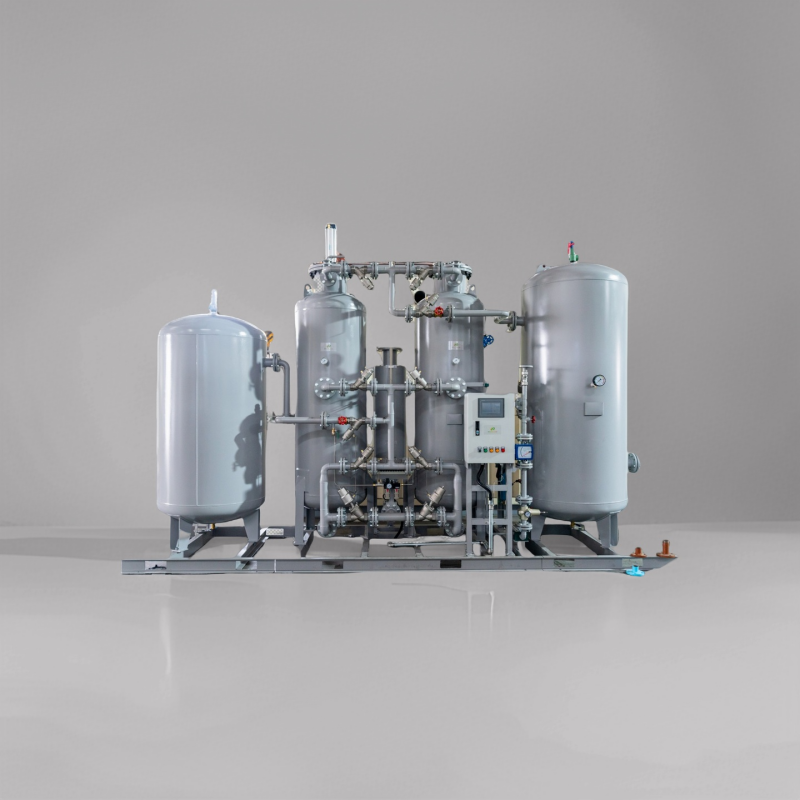
A typical PSA nitrogen generator features two or more adsorption towers filled with carbon molecular sieve material. These towers are constructed from high-grade steel and designed to withstand the cyclical pressure variations inherent in PSA operation. The internal configuration includes distribution systems that ensure uniform air flow through the adsorbent bed, maximizing contact efficiency and nitrogen production capacity.
Tower sizing in a PSA nitrogen generator system depends on the required nitrogen flow rate, desired purity level, and operating pressure parameters. Larger installations may incorporate multiple tower pairs to provide continuous operation during maintenance activities or to meet varying demand profiles throughout production cycles.
Valve Systems and Control Architecture
The valve system represents the heart of PSA nitrogen generator operation, orchestrating the complex sequence of pressurization, adsorption, depressurization, and regeneration phases. Modern systems utilize pneumatically or electrically actuated valves that can withstand millions of operating cycles while maintaining precise timing and reliable sealing performance.
Advanced PSA nitrogen generator control systems incorporate programmable logic controllers that monitor system parameters in real-time and adjust operating cycles to optimize performance. These intelligent control architectures can adapt to varying ambient conditions, feed air quality changes, and production demand fluctuations, ensuring consistent nitrogen output quality and system reliability.
Performance Characteristics and Specifications
Nitrogen Purity Levels and Applications
PSA nitrogen generator systems can produce nitrogen with purity levels ranging from 95% to 99.999%, depending on the specific application requirements and system configuration. Lower purity levels around 95-97% are suitable for applications like tire inflation, fire prevention systems, and general blanketing applications, while higher purities above 99.5% are required for electronics manufacturing, food packaging, and pharmaceutical processes.
The relationship between nitrogen purity and system capacity in a PSA nitrogen generator follows an inverse correlation, meaning higher purity requirements result in lower nitrogen production rates from the same equipment. This trade-off must be carefully considered during system sizing to ensure adequate nitrogen supply for all intended applications while maintaining economic viability.
Energy Consumption and Efficiency Metrics
Energy efficiency represents a critical performance parameter for PSA nitrogen generator systems, typically measured in kilowatt-hours per cubic meter of nitrogen produced. Modern high-efficiency designs achieve energy consumption levels between 0.3 to 0.7 kWh per cubic meter of nitrogen at 99% purity, depending on system size and operating conditions.
The primary energy consumer in a PSA nitrogen generator system is the air compressor, which can account for 80-90% of total system energy consumption. Optimizing compressor efficiency through variable speed drives, heat recovery systems, and proper sizing significantly impacts the overall operating cost and environmental footprint of nitrogen generation operations.
Installation and Operational Considerations
Site Requirements and Infrastructure
Successful PSA nitrogen generator installation requires careful consideration of site conditions including available electrical power, ambient temperature ranges, ventilation requirements, and space allocation. The system typically requires a dedicated electrical supply with appropriate voltage and current capacity to operate the air compressor and control systems reliably.
Environmental factors such as ambient temperature, humidity, and air quality significantly influence PSA nitrogen generator performance. Installation in climate-controlled environments or provision of adequate heating and cooling systems helps maintain optimal operating conditions and extends equipment lifespan while ensuring consistent nitrogen production quality.
Maintenance Requirements and Best Practices
Regular maintenance of a PSA nitrogen generator system involves several key activities including air filter replacement, moisture separator servicing, valve inspection, and adsorbent material monitoring. Preventive maintenance schedules should be developed based on operating hours, environmental conditions, and manufacturer recommendations to ensure reliable system performance.
The carbon molecular sieve material in PSA nitrogen generator systems typically requires replacement every 5-10 years depending on operating conditions and air quality. Proper handling and storage of replacement adsorbent materials is crucial for maintaining system performance, as contamination or moisture exposure can significantly reduce separation efficiency and nitrogen purity levels.
Economic Benefits and Cost Analysis
Operating Cost Comparison
The economic advantages of PSA nitrogen generator systems become particularly evident for facilities with consistent nitrogen consumption patterns. Compared to delivered liquid nitrogen or cylinder gas supplies, on-site generation eliminates recurring delivery costs, rental fees, and the logistical complexities associated with external supplier dependencies.
Payback periods for PSA nitrogen generator investments typically range from 12 to 36 months, depending on current nitrogen consumption levels, local gas prices, and system sizing. Facilities consuming more than 500 cubic meters of nitrogen per month often find that PSA nitrogen generator systems provide compelling economic returns while offering improved supply security and operational flexibility.
Return on Investment Factors
Beyond direct cost savings, PSA nitrogen generator systems provide additional economic benefits including reduced inventory carrying costs, elimination of emergency supply premiums, and protection against gas price volatility. These factors contribute to improved cash flow predictability and reduced operational risk exposure.
The scalability of PSA nitrogen generator technology allows facilities to right-size their nitrogen generation capacity to match actual consumption patterns, avoiding the oversizing penalties common with traditional supply methods. This optimization capability ensures maximum return on capital investment while providing flexibility for future capacity expansion.
FAQ
What is the typical lifespan of a PSA nitrogen generator system
A well-maintained PSA nitrogen generator system can operate reliably for 15-20 years or more. The main consumable component is the carbon molecular sieve adsorbent material, which typically requires replacement every 5-10 years depending on operating conditions. Other system components such as valves, controllers, and structural elements are designed for extended service life with proper maintenance.
How does ambient temperature affect PSA nitrogen generator performance
Ambient temperature significantly impacts PSA nitrogen generator efficiency and capacity. Higher temperatures reduce adsorbent capacity and can decrease nitrogen production rates, while lower temperatures improve separation efficiency. Most systems are designed to operate effectively in temperature ranges from 5°C to 45°C, with optimal performance typically achieved between 15°C and 25°C.
Can PSA nitrogen generator systems be automated for unmanned operation
Modern PSA nitrogen generator systems feature advanced automation capabilities including remote monitoring, automatic start/stop functions, and predictive maintenance alerts. These systems can operate unmanned for extended periods while maintaining safety standards and production quality. Integration with facility management systems allows for comprehensive monitoring and control from central locations.
What backup options are available if the PSA nitrogen generator requires maintenance
Backup nitrogen supply options during PSA nitrogen generator maintenance include temporary cylinder banks, portable liquid nitrogen systems, or rental generator units. Many facilities maintain small backup supplies for emergency situations or install redundant PSA systems for critical applications. The specific backup strategy depends on nitrogen consumption rates, purity requirements, and acceptable downtime tolerances for each application.