 EN
EN
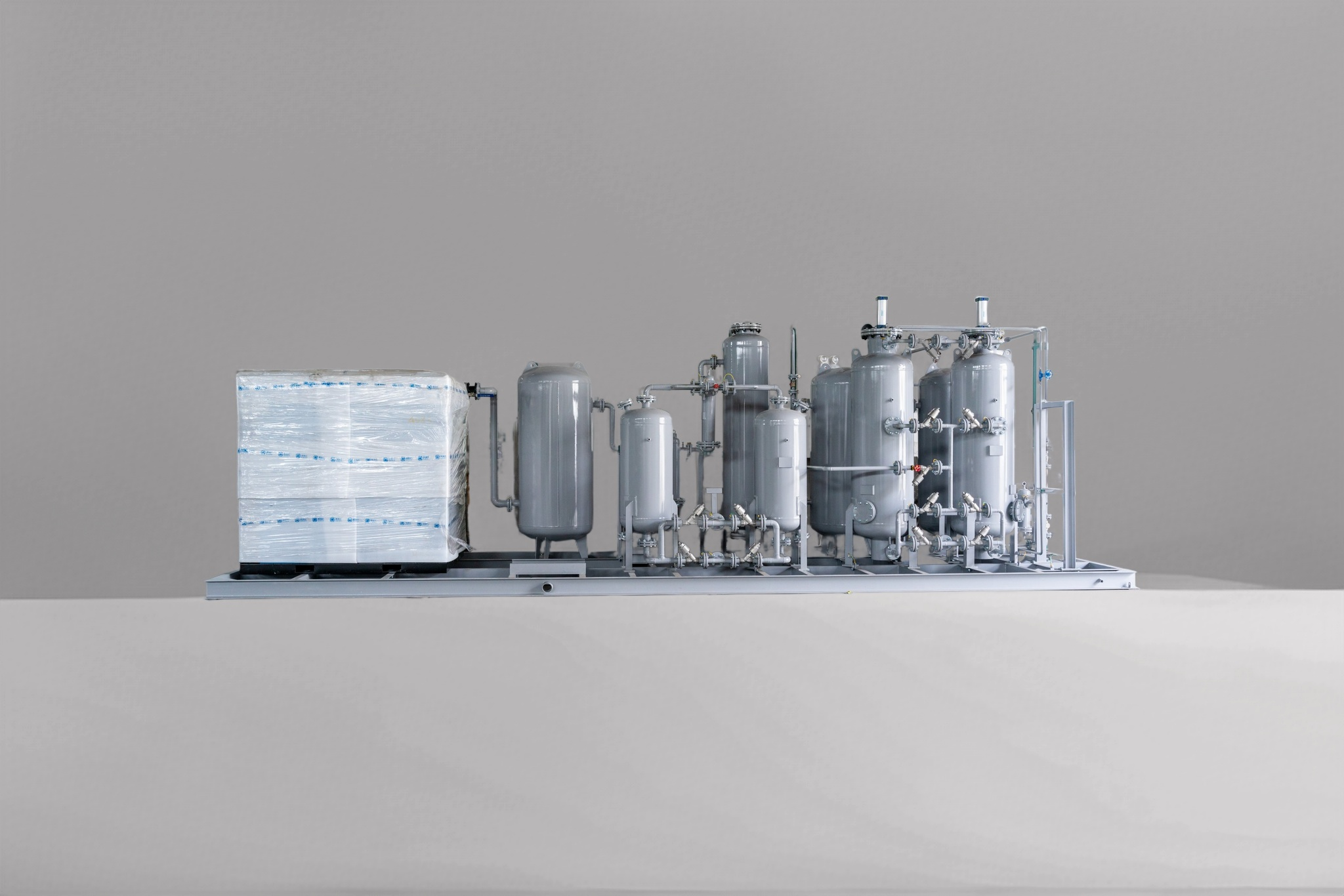
Selecting the appropriate nitrogen system for your specific industrial application is a critical decision that can significantly impact your operational efficiency, product quality, and overall costs. Modern industries across manufacturing, food processing, pharmaceuticals, and electronics rely heavily on high-purity nitrogen for various applications, making the choice of the right nitrogen system paramount to success. Understanding the technical specifications, capacity requirements, and economic factors involved in this decision will help ensure your investment delivers optimal performance for years to come.
Understanding Different Types of Nitrogen Generation Technologies
Pressure Swing Adsorption Systems
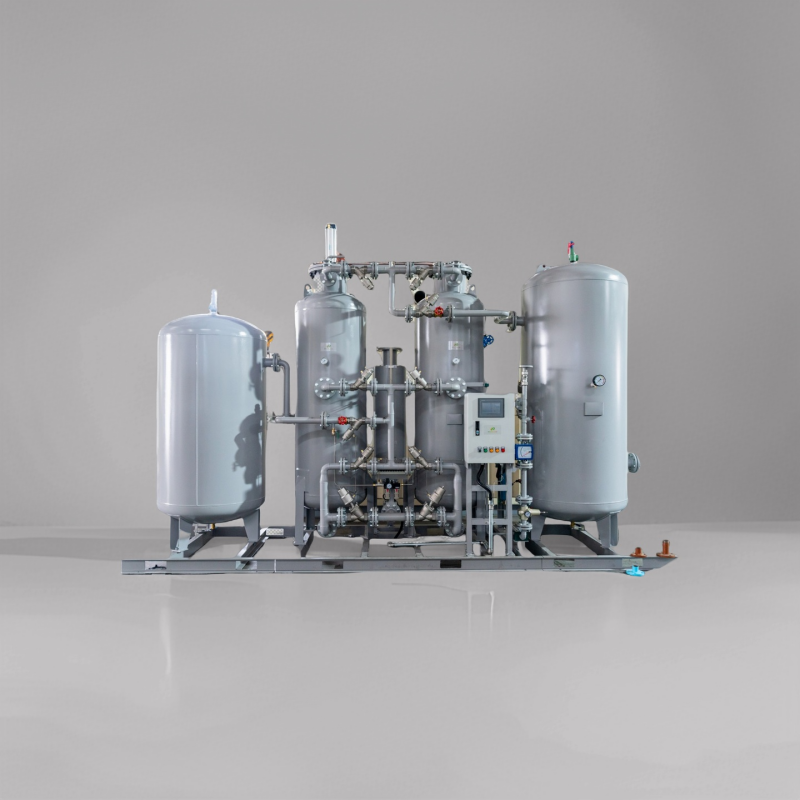
Pressure Swing Adsorption (PSA) technology represents one of the most widely adopted methods for on-site nitrogen generation in industrial settings. This nitrogen system operates by separating nitrogen from compressed air using carbon molecular sieves, which selectively adsorb oxygen molecules while allowing nitrogen to pass through. The process involves cyclical pressure changes that enable the molecular sieves to release the adsorbed oxygen, regenerating the system for continuous operation.
PSA nitrogen systems offer exceptional reliability and can produce nitrogen purities ranging from 95% to 99.9995%, depending on the specific requirements of your application. The modular design of these systems allows for easy scalability, making them suitable for operations requiring anywhere from 5 to 5000 cubic meters per hour of nitrogen flow. Additionally, PSA technology operates at relatively low temperatures and pressures, contributing to enhanced safety and reduced maintenance requirements compared to alternative generation methods.
Energy efficiency is another significant advantage of PSA-based nitrogen systems, as they typically consume 20-30% less power than membrane-based alternatives for similar purity levels. The rapid startup capability of PSA systems, usually within 30 minutes from cold start, makes them ideal for applications requiring intermittent nitrogen supply or facilities operating on varying production schedules.
Membrane Separation Technology
Membrane nitrogen systems utilize hollow fiber membranes that separate nitrogen from compressed air based on the different permeation rates of various gas molecules. This technology is particularly well-suited for applications requiring lower purity nitrogen, typically in the range of 95% to 99.5%, and offers the advantage of continuous, uninterrupted operation without moving parts or cycling processes.
The simplicity of membrane-based nitrogen systems makes them attractive for applications where minimal maintenance is crucial, such as remote installations or unmanned facilities. These systems operate silently and require no electrical power beyond that needed for the air compressor, making them environmentally friendly and cost-effective for certain applications. However, the nitrogen purity achievable with membrane technology is limited, and the systems typically require higher compressed air consumption compared to PSA alternatives.
Assessing Your Industrial Nitrogen Requirements
Purity Level Specifications
Determining the required nitrogen purity is fundamental to selecting the appropriate nitrogen system for your application. Different industries and processes demand varying levels of nitrogen purity, ranging from basic inerting applications requiring 95-98% purity to ultra-high-purity applications in semiconductor manufacturing demanding 99.9999% or higher purity levels. Food packaging applications typically require 99-99.5% purity to prevent oxidation and extend shelf life, while pharmaceutical manufacturing often necessitates 99.5-99.9% purity to maintain product integrity.
Understanding the consequences of using nitrogen with insufficient purity is crucial for making an informed decision. In metal processing applications, inadequate nitrogen purity can lead to oxidation issues, compromising the quality of finished products. Similarly, in electronics manufacturing, even trace amounts of oxygen can cause defects in sensitive components, resulting in costly product failures and warranty claims.
It's important to consider future requirements when specifying purity levels for your nitrogen system. Many facilities find that starting with higher purity capabilities provides flexibility for expanding into new product lines or processes that may require superior nitrogen quality, eliminating the need for system upgrades or replacements down the line.
Flow Rate and Capacity Planning
Accurate assessment of your nitrogen flow requirements is essential for proper nitrogen system sizing and ensuring adequate supply for all operational needs. Flow requirements vary significantly across different applications, from small laboratory instruments requiring a few liters per minute to large industrial processes demanding thousands of cubic meters per hour of continuous nitrogen supply.
When evaluating flow requirements, consider both steady-state consumption and peak demand periods. Many manufacturing processes experience varying nitrogen consumption throughout production cycles, requiring systems capable of handling maximum demand while operating efficiently during lower consumption periods. Additionally, factor in future expansion plans and potential increases in production capacity that may drive higher nitrogen requirements.
Proper capacity planning also involves considering backup requirements and redundancy needs. Critical applications may require duplicate nitrogen systems or backup supply options to ensure uninterrupted operation in case of equipment maintenance or unexpected failures. This redundancy planning is particularly important in continuous process industries where nitrogen supply interruptions can result in significant production losses or product quality issues.
Economic Considerations and Cost Analysis
Capital Investment Evaluation
The initial capital investment for a nitrogen system varies significantly based on technology type, capacity, purity requirements, and additional features such as backup systems or advanced monitoring capabilities. PSA nitrogen systems typically require higher upfront investment compared to membrane systems but often provide better long-term economics for higher purity or higher volume applications.
When evaluating capital costs, consider the total system installation expenses beyond the equipment purchase price. These additional costs include site preparation, electrical connections, compressed air supply modifications, nitrogen distribution piping, and safety systems. Professional installation and commissioning services, while adding to initial costs, ensure proper system operation and often include warranty coverage and training for operational personnel.
Financing options and lease arrangements may provide attractive alternatives to outright purchase, particularly for smaller operations or businesses with limited capital budgets. Many nitrogen system suppliers offer flexible financing programs that spread costs over several years while providing immediate access to nitrogen generation capabilities.
Operating Cost Analysis
Long-term operating costs represent a significant portion of the total cost of ownership for nitrogen systems and must be carefully evaluated during the selection process. Primary operating expenses include electrical power consumption, routine maintenance, replacement parts, and periodic molecular sieve or membrane replacement for PSA and membrane systems, respectively.
Energy costs typically represent 60-80% of total operating expenses for nitrogen systems, making energy efficiency a critical selection criterion. Modern nitrogen systems incorporate energy-saving features such as variable speed drives, advanced control algorithms, and heat recovery systems that can significantly reduce power consumption. When comparing different systems, request detailed energy consumption data based on your specific operating conditions and local electrical rates.
Maintenance costs vary depending on system complexity and operating environment. Simple membrane systems require minimal maintenance, primarily involving filter replacements and routine inspections. PSA nitrogen systems require more comprehensive maintenance programs, including molecular sieve replacement every 5-10 years and regular valve servicing, but these costs are often offset by superior energy efficiency and performance reliability.
Installation and Integration Requirements
Site Preparation and Infrastructure Needs
Proper site preparation is crucial for successful nitrogen system installation and optimal performance. Most nitrogen systems require a clean, dry, and temperature-controlled environment to ensure reliable operation and extended equipment life. Adequate ventilation is essential for heat dissipation, particularly for larger systems that generate significant thermal loads during operation.
Compressed air supply infrastructure represents a critical component of any nitrogen system installation. The quality and consistency of compressed air directly impact nitrogen purity and system efficiency. Installing appropriate air treatment equipment, including refrigerated dryers, oil removal filters, and moisture separators, ensures optimal nitrogen system performance and prevents contamination issues that could compromise product quality.
Electrical infrastructure requirements vary based on system size and complexity, typically requiring three-phase power supply and adequate electrical protection systems. Consider future expansion needs when planning electrical installations, as upgrading electrical infrastructure after initial installation can be costly and disruptive to operations.
Integration with Existing Systems
Successful integration of a new nitrogen system with existing facility infrastructure requires careful planning and coordination with various operational systems. Nitrogen distribution networks must be designed to deliver appropriate pressure and flow to all consumption points while minimizing pressure drops and ensuring system efficiency.
Control system integration allows for centralized monitoring and coordination with other facility systems, enabling automated operation and remote monitoring capabilities. Modern nitrogen systems offer various communication protocols and integration options that facilitate seamless connection with existing SCADA systems, building management systems, or manufacturing execution systems.
Safety system integration is particularly important in facilities handling hazardous materials or operating in confined spaces. Nitrogen systems should integrate with existing oxygen detection systems, emergency shutdown procedures, and facility safety protocols to ensure personnel safety and regulatory compliance.
Safety and Regulatory Compliance
Safety Standards and Protocols
Safety considerations are paramount when implementing nitrogen systems, as nitrogen displacement of oxygen can create hazardous atmospheres in enclosed spaces. Proper safety protocols must address oxygen deficiency risks, equipment pressure safety, and emergency response procedures. Installing appropriate oxygen monitoring systems and ensuring adequate ventilation in nitrogen system areas helps prevent dangerous oxygen-deficient atmospheres.
Pressure vessel safety requirements apply to most nitrogen systems, particularly those operating at elevated pressures. Compliance with ASME pressure vessel codes, regular safety inspections, and proper pressure relief system installation ensure safe operation and regulatory compliance. Training operational personnel on safety procedures and emergency response protocols is essential for maintaining a safe working environment.
Personal protective equipment (PPE) requirements and confined space entry procedures must be established for nitrogen system maintenance and service activities. These protocols should address both routine maintenance activities and emergency response situations, ensuring personnel safety under all operating conditions.
Environmental and Regulatory Requirements
Environmental regulations governing nitrogen system installation and operation vary by location and industry sector. Understanding applicable regulations and obtaining necessary permits before system installation prevents costly delays and ensures compliance with local environmental standards. Many jurisdictions require environmental impact assessments for larger nitrogen systems or installations in sensitive environmental areas.
Energy efficiency regulations and incentive programs may influence nitrogen system selection and provide financial benefits for choosing high-efficiency equipment. Many utilities and government agencies offer rebates or tax incentives for installing energy-efficient nitrogen systems, particularly those incorporating advanced control systems or energy recovery technologies.
Industry-specific regulations, such as FDA requirements for food and pharmaceutical applications or semiconductor industry standards, may impose additional requirements on nitrogen system design and operation. Ensuring compliance with these sector-specific regulations is essential for avoiding regulatory issues and maintaining product quality certifications.
FAQ
What factors determine the optimal nitrogen system size for my facility
The optimal nitrogen system size depends on several key factors including peak nitrogen flow requirements, required purity levels, operating pressure specifications, and duty cycle patterns. You should also consider future expansion plans, backup requirements, and whether your nitrogen consumption varies significantly throughout production cycles. Consulting with nitrogen system specialists who can perform detailed flow analysis and capacity modeling ensures proper sizing for current and future needs.
How do PSA and membrane nitrogen systems compare in terms of operating costs
PSA nitrogen systems typically offer lower operating costs for higher purity applications due to superior energy efficiency and longer service intervals between major maintenance activities. Membrane systems may have lower operating costs for lower purity applications but generally consume more compressed air for equivalent nitrogen production. The crossover point typically occurs around 98-99% purity levels, where PSA systems become more economical for most applications.
What maintenance requirements should I expect with different nitrogen system technologies
Membrane nitrogen systems require minimal maintenance, primarily involving filter replacements every 6-12 months and routine inspections. PSA nitrogen systems require more comprehensive maintenance including valve servicing every 1-2 years and molecular sieve replacement every 5-10 years, depending on operating conditions. However, PSA systems often include predictive maintenance features and remote monitoring capabilities that help optimize maintenance scheduling and reduce unexpected downtime.
How long does nitrogen system installation typically take and what site preparation is required
Nitrogen system installation duration varies from 2-3 days for small packaged systems to several weeks for large custom installations. Site preparation requirements include adequate floor space with proper load-bearing capacity, appropriate electrical supply, compressed air infrastructure, and proper ventilation. Most installations also require nitrogen distribution piping to consumption points and integration with existing control systems, which can extend installation timelines depending on facility complexity.
Table of Contents
- Understanding Different Types of Nitrogen Generation Technologies
- Assessing Your Industrial Nitrogen Requirements
- Economic Considerations and Cost Analysis
- Installation and Integration Requirements
- Safety and Regulatory Compliance
-
FAQ
- What factors determine the optimal nitrogen system size for my facility
- How do PSA and membrane nitrogen systems compare in terms of operating costs
- What maintenance requirements should I expect with different nitrogen system technologies
- How long does nitrogen system installation typically take and what site preparation is required