 EN
EN
Understanding how nitrogen machines operate is essential for industries requiring high-purity nitrogen gas production. These sophisticated systems have revolutionized manufacturing processes across pharmaceutical, food packaging, electronics, and chemical sectors by providing on-demand nitrogen generation. Nitrogen machines eliminate the dependency on traditional gas cylinders and bulk liquid nitrogen deliveries, offering unprecedented control over gas purity, flow rates, and operational costs. Modern nitrogen machines utilize advanced separation technologies that extract nitrogen from ambient air, delivering consistent results while reducing environmental impact and operational complexity.
Fundamental Principles of Nitrogen Generation Technology
Pressure Swing Adsorption Technology
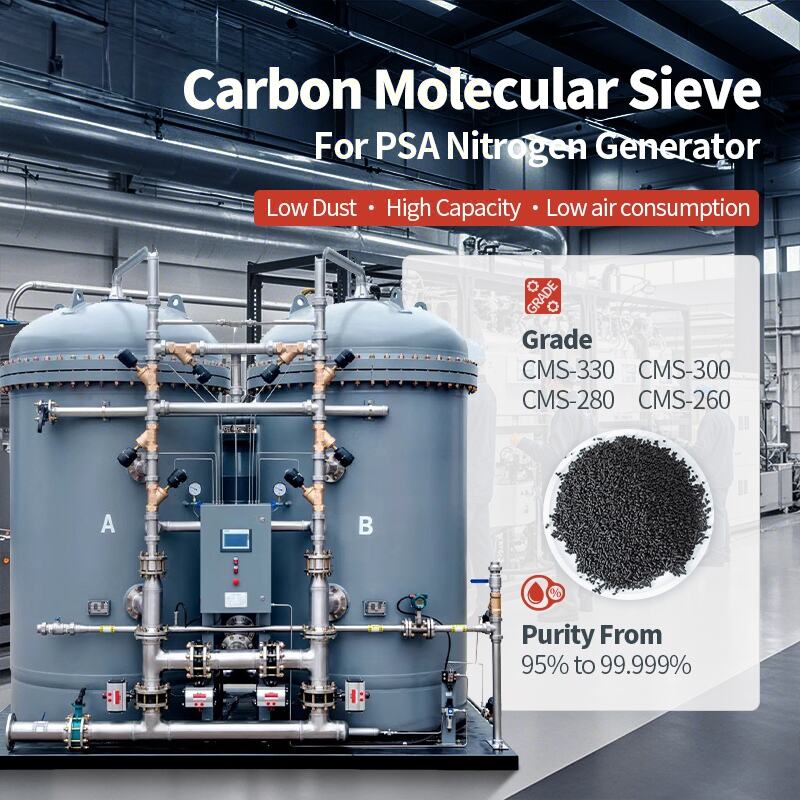
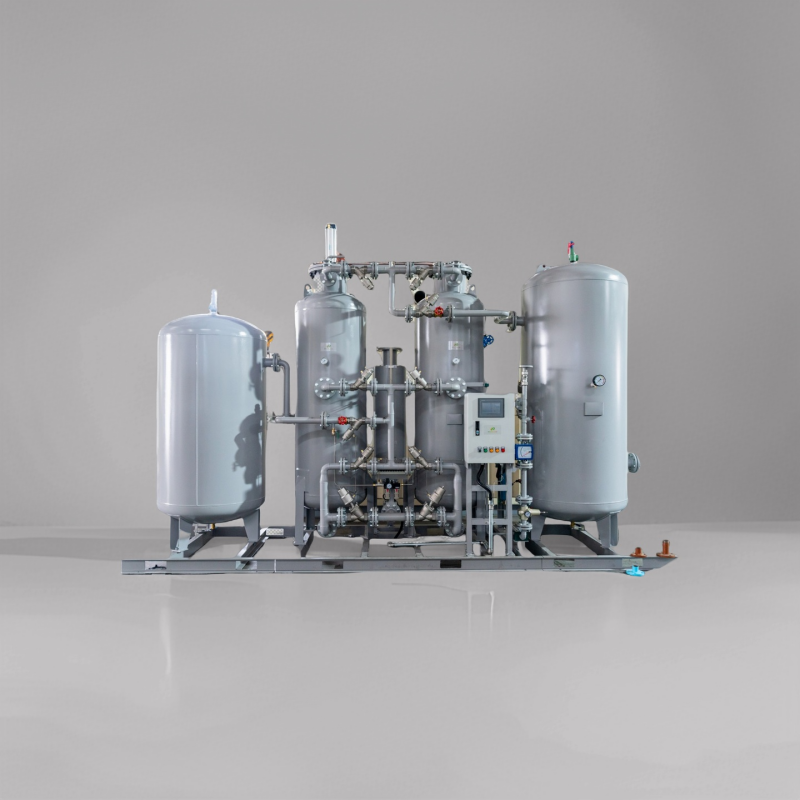
Pressure Swing Adsorption (PSA) represents the most widely adopted technology in nitrogen machines for industrial applications. PSA nitrogen machines operate by utilizing molecular sieves, typically carbon molecular sieve materials, which selectively adsorb oxygen molecules while allowing nitrogen to pass through. The process involves pressurizing ambient air through adsorption towers filled with these specialized materials. During the high-pressure phase, oxygen molecules are trapped within the molecular structure, while nitrogen molecules continue flowing through the system.
The cyclical nature of PSA technology ensures continuous nitrogen production through alternating pressure cycles. When one adsorption tower operates under high pressure to separate nitrogen, the second tower undergoes regeneration through pressure reduction, releasing trapped oxygen back into the atmosphere. This alternating process maintains steady nitrogen output while maximizing system efficiency. Modern nitrogen machines incorporate sophisticated control systems that optimize cycle timing, pressure levels, and flow distribution to achieve desired purity specifications ranging from 95% to 99.999%.
Membrane Separation Technology
Membrane-based nitrogen machines utilize hollow fiber membrane modules that exploit the different permeation rates of gas molecules through selective barrier materials. These systems force compressed air through thousands of tiny hollow fibers where oxygen, water vapor, and carbon dioxide permeate through the membrane walls faster than nitrogen molecules. The retained nitrogen stream emerges with significantly higher purity levels, typically achieving 95% to 99.5% nitrogen concentration depending on membrane specifications and operating parameters.
Membrane nitrogen machines offer distinct advantages in applications requiring moderate purity levels with minimal maintenance requirements. The absence of moving parts within the separation process reduces mechanical wear and eliminates the need for adsorbent material replacement. However, membrane systems generally consume more compressed air per unit of nitrogen produced compared to PSA systems, making them ideal for smaller-scale applications or situations where simplicity outweighs energy efficiency considerations.
System Components and Operational Mechanisms
Air Compression and Pretreatment Systems
Every nitrogen machine begins with a robust air compression system that provides the driving force for the separation process. Oil-free compressors are typically specified to prevent contamination that could compromise nitrogen purity or damage separation media. The compressed air system must deliver consistent pressure levels, usually ranging from 7 to 10 bar, while maintaining stable flow rates that match the nitrogen machine's capacity requirements. Proper compressor sizing ensures optimal energy efficiency and prevents system cycling that could reduce component lifespan.
Pretreatment systems play a critical role in preparing feed air for the separation process by removing moisture, oil vapors, and particulate contaminants. Multi-stage filtration typically includes coalescing filters for oil and water removal, activated carbon filters for vapor phase contaminants, and high-efficiency particulate filters for solid particle elimination. Refrigerated air dryers or desiccant dryers further reduce moisture content to prevent ice formation and protect separation media from degradation. These pretreatment components ensure consistent nitrogen quality while extending the operational life of downstream separation equipment.
Control Systems and Monitoring Technology
Modern nitrogen machines incorporate sophisticated programmable logic controllers (PLCs) that manage all aspects of system operation including cycle timing, valve sequencing, pressure regulation, and safety interlocks. These control systems continuously monitor critical parameters such as nitrogen purity levels, flow rates, system pressures, and component status to ensure optimal performance. Advanced nitrogen machines feature human-machine interfaces (HMIs) that provide real-time system status, alarm notifications, and operational data logging capabilities.
Integrated purity analyzers continuously measure nitrogen concentration in the product stream, automatically adjusting system parameters to maintain specified purity levels. Remote monitoring capabilities allow operators to track nitrogen machine performance from central control rooms or off-site locations through industrial communication protocols. Predictive maintenance features analyze component performance trends to schedule maintenance activities before failures occur, minimizing unplanned downtime and reducing operational costs.
Applications and Industry-Specific Requirements
Food and Beverage Industry Applications
Food and beverage manufacturers rely on nitrogen machines to create modified atmosphere packaging that extends product shelf life and maintains quality. Nitrogen displaces oxygen in packaging environments, preventing oxidation reactions that cause rancidity, color changes, and nutritional degradation. Snack food manufacturers use nitrogen machines to create the protective atmosphere in chip bags, while wine producers utilize nitrogen for tank blanketing during fermentation and storage processes. The inert properties of nitrogen make it ideal for preventing spoilage while maintaining product integrity throughout distribution chains.
Beverage production facilities integrate nitrogen machines into carbonation systems, creating smooth, creamy textures in beer and coffee drinks. Nitrogen's lower solubility compared to carbon dioxide produces smaller bubbles that enhance mouthfeel and presentation. Coffee roasters use nitrogen machines for degassing processes and protective packaging, while breweries rely on nitrogen for tank purging and dispensing systems. These applications require nitrogen purity levels typically ranging from 99% to 99.9% to ensure product quality and safety standards.
Pharmaceutical and Chemical Processing
Pharmaceutical manufacturing demands ultra-high purity nitrogen for critical processes including API synthesis, tablet coating, and sterile packaging operations. Nitrogen machines serving pharmaceutical applications must deliver nitrogen with purity levels exceeding 99.9% while meeting stringent contamination control requirements. Chemical processing facilities use nitrogen machines for reactor inerting, solvent recovery, and hazardous material handling where oxygen presence could create explosive atmospheres or unwanted chemical reactions.
Laboratory-scale nitrogen machines support analytical instrumentation including gas chromatography systems, mass spectrometers, and chemical synthesis equipment. These applications often require ultra-pure nitrogen with moisture levels below 3 ppm and hydrocarbon contamination less than 0.1 ppm. Specialized nitrogen machines incorporate additional purification stages including catalytic purification and molecular sieve dryers to achieve these demanding specifications while maintaining consistent gas quality for sensitive analytical procedures.
System Selection and Sizing Considerations
Capacity and Purity Requirements
Selecting appropriate nitrogen machines requires careful analysis of current and projected nitrogen consumption patterns across all intended applications. Flow rate requirements must account for peak demand periods, simultaneous usage scenarios, and future expansion plans to ensure adequate system capacity. Nitrogen machines are typically sized with 20-30% excess capacity to accommodate demand fluctuations while maintaining stable operating conditions. Undersized systems may struggle to meet peak demands, while oversized systems operate inefficiently and consume excess energy.
Purity specifications significantly impact nitrogen machine selection and operational costs, as higher purity levels require more sophisticated separation technology and increased energy consumption. Applications requiring 95-98% nitrogen purity can utilize simpler membrane systems or lower-pressure PSA configurations, while ultra-high purity applications demanding 99.9%+ nitrogen necessitate advanced PSA systems with multiple purification stages. Understanding the minimum acceptable purity for each application helps optimize system selection and operational efficiency.
Economic and Operational Factors
Total cost of ownership analysis should encompass initial equipment costs, installation expenses, energy consumption, maintenance requirements, and operational labor when evaluating nitrogen machines. On-site nitrogen generation typically provides significant cost savings compared to delivered gas supplies when consumption exceeds 100 cubic meters per month. The payback period for nitrogen machines generally ranges from 12 to 36 months depending on local gas prices, consumption patterns, and system specifications.
Energy efficiency considerations become increasingly important as nitrogen consumption grows, making compressor selection and system optimization critical factors in operational costs. Variable speed drive compressors and energy recovery systems can reduce power consumption by 15-25% compared to fixed-speed alternatives. Maintenance costs vary significantly between different nitrogen machine technologies, with membrane systems typically requiring minimal maintenance while PSA systems need periodic adsorbent replacement and valve servicing.
Maintenance and Troubleshooting Best Practices
Preventive Maintenance Protocols
Effective maintenance programs for nitrogen machines focus on preserving air quality entering the separation system while monitoring critical component performance. Regular replacement of pretreatment filters prevents contamination buildup that could compromise nitrogen purity or damage separation media. Oil and moisture analysis of compressed air helps identify compressor issues before they impact nitrogen quality, while pressure drop monitoring across filtration stages indicates when filter replacement is necessary.
PSA nitrogen machines require periodic adsorbent material testing to assess separation efficiency and determine replacement intervals. Carbon molecular sieve materials typically maintain effectiveness for 3-5 years under normal operating conditions, but contamination or thermal cycling can accelerate degradation. Valve maintenance becomes critical in PSA systems due to the continuous cycling required for operation, with automated valve testing helping identify problems before failures occur that could interrupt nitrogen production.
Performance Optimization Strategies
Optimizing nitrogen machine performance involves balancing energy consumption, nitrogen purity, and production capacity through systematic adjustment of operating parameters. Cycle timing adjustments in PSA systems can improve nitrogen purity at the expense of production capacity, while pressure optimization affects both energy consumption and separation efficiency. Modern nitrogen machines incorporate automatic optimization algorithms that continuously adjust parameters based on demand patterns and performance feedback.
Regular calibration of purity analyzers and flow measurement devices ensures accurate system control and product quality verification. Temperature compensation becomes important in varying ambient conditions, as gas densities and separation efficiency change with temperature fluctuations. System performance trending helps identify gradual degradation that might not trigger immediate alarms but could impact long-term operational efficiency and product quality.
FAQ
What is the typical lifespan of nitrogen machines in industrial applications
Industrial nitrogen machines typically operate reliably for 15-20 years with proper maintenance and component replacement schedules. PSA systems may require adsorbent replacement every 3-5 years and valve servicing every 2-3 years, while membrane systems need module replacement every 5-10 years depending on operating conditions. Compressor components generally require overhaul every 8-12 years, and control system electronics may need updating every 10-15 years to maintain optimal performance and parts availability.
How do nitrogen machines compare to liquid nitrogen delivery in terms of cost effectiveness
Nitrogen machines become cost-effective when consumption exceeds approximately 100-200 cubic meters per month, depending on local liquid nitrogen prices and delivery costs. The break-even point typically occurs within 18-36 months for most industrial applications, after which on-site generation provides substantial ongoing savings. Additional benefits include elimination of delivery delays, reduced storage requirements, and improved supply security, making nitrogen machines attractive even at lower consumption levels for critical applications.
What purity levels can different types of nitrogen machines achieve
Membrane nitrogen machines typically achieve 95-99.5% nitrogen purity depending on membrane specifications and operating pressure. Standard PSA nitrogen machines deliver 99-99.9% purity for most industrial applications, while high-purity PSA systems can achieve 99.99-99.999% nitrogen for specialized applications. Ultra-high purity requirements above 99.999% may require additional purification stages including catalytic purification or cryogenic polishing to remove trace impurities.
Can nitrogen machines be integrated with existing compressed air systems
Most nitrogen machines can integrate with existing compressed air systems provided the compressor delivers adequate pressure, flow, and air quality specifications. The compressed air system must provide oil-free air at 7-10 bar pressure with dewpoints below -40°C to prevent contamination and ensure optimal separation performance. Additional pretreatment equipment may be necessary if existing air treatment systems do not meet nitrogen machine requirements for moisture removal and contamination control.
Table of Contents
- Fundamental Principles of Nitrogen Generation Technology
- System Components and Operational Mechanisms
- Applications and Industry-Specific Requirements
- System Selection and Sizing Considerations
- Maintenance and Troubleshooting Best Practices
-
FAQ
- What is the typical lifespan of nitrogen machines in industrial applications
- How do nitrogen machines compare to liquid nitrogen delivery in terms of cost effectiveness
- What purity levels can different types of nitrogen machines achieve
- Can nitrogen machines be integrated with existing compressed air systems