 EN
EN
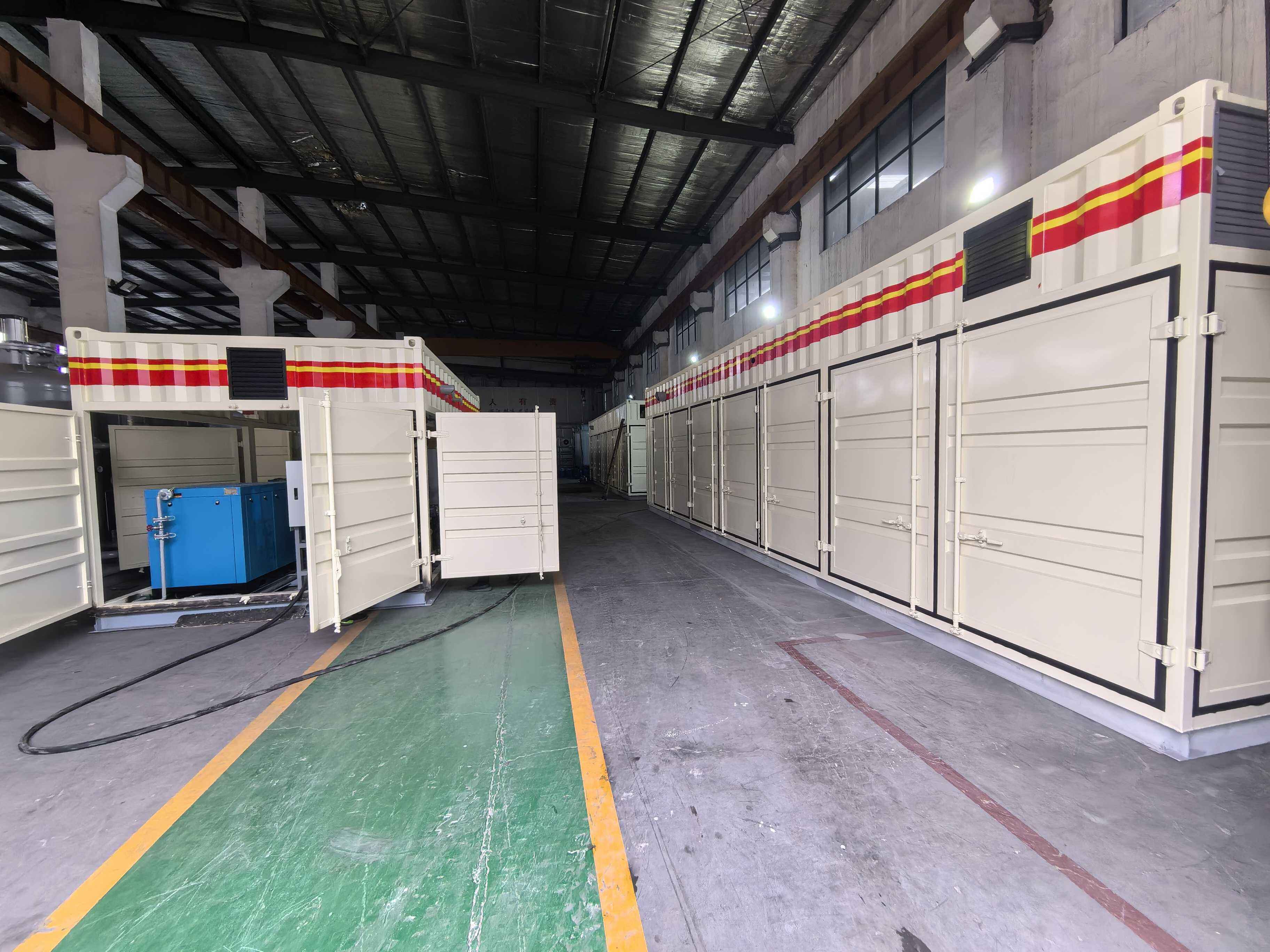
Pressure swing adsorption nitrogen generation represents a revolutionary approach to producing high-purity nitrogen on-demand for industrial applications. This advanced technology harnesses the selective adsorption properties of specialized materials to separate nitrogen from compressed air, delivering consistent and reliable nitrogen supply without the complexities of traditional cryogenic distillation or liquid nitrogen delivery systems. Manufacturing facilities worldwide increasingly rely on pressure swing adsorption nitrogen generation systems to meet their precise nitrogen requirements while maintaining operational efficiency and cost-effectiveness.
Fundamental Principles of Pressure Swing Adsorption Technology
Molecular Sieve Adsorption Mechanism
The foundation of pressure swing adsorption nitrogen generation lies in the selective adsorption characteristics of carbon molecular sieves. These engineered materials feature precisely controlled pore structures that preferentially capture oxygen molecules while allowing nitrogen molecules to pass through relatively unimpeded. The molecular sieve's unique architecture creates kinetic selectivity based on the differing molecular sizes and adsorption rates of oxygen and nitrogen components present in atmospheric air.
Carbon molecular sieves utilized in pressure swing adsorption nitrogen generation systems undergo specialized manufacturing processes to achieve optimal pore size distribution. The resulting material exhibits exceptional selectivity for oxygen adsorption under pressurized conditions, enabling effective separation of nitrogen from compressed air streams. This selective adsorption occurs rapidly under pressure while reversing completely during depressurization cycles.
Pressure and Time Cycling Operations
Pressure swing adsorption nitrogen generation operates through carefully orchestrated pressure and time cycles that maximize separation efficiency. During the adsorption phase, compressed air enters the molecular sieve bed under elevated pressure, typically ranging from 6 to 10 bar absolute. Under these conditions, oxygen molecules become trapped within the sieve structure while nitrogen continues flowing through the system as product gas.
The regeneration phase involves rapid depressurization of the molecular sieve bed, releasing previously adsorbed oxygen molecules to atmosphere. This desorption process occurs without external heating, relying solely on pressure reduction to restore the sieve's adsorption capacity. The complete pressure swing cycle typically requires 60 to 120 seconds, depending on system design parameters and desired nitrogen purity levels.
System Components and Configuration
Dual Vessel Arrangement
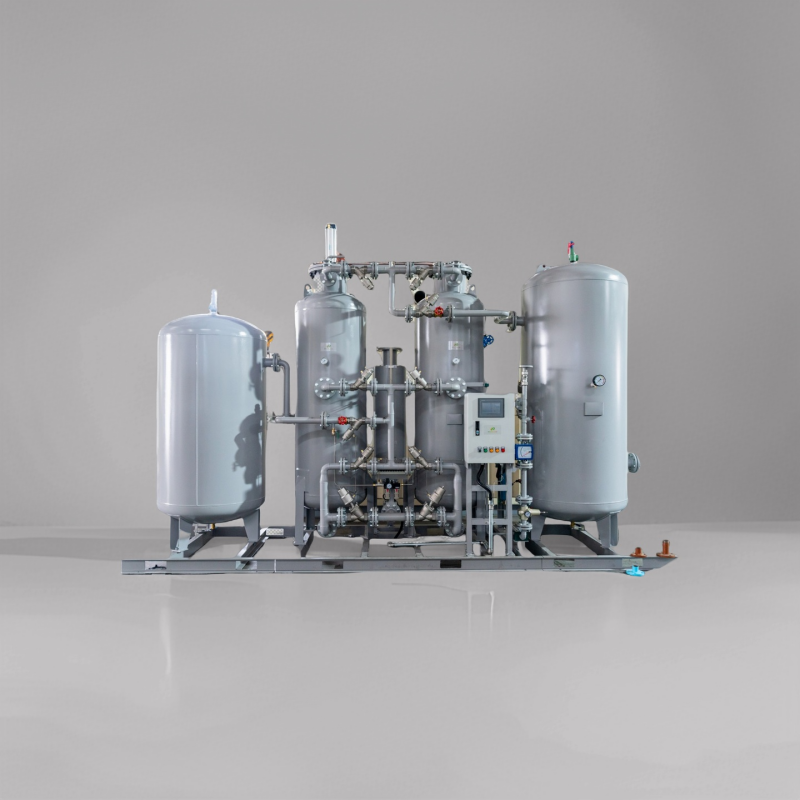
Most pressure swing adsorption nitrogen generation systems employ dual vessel configurations to ensure continuous nitrogen production throughout the operational cycle. While one vessel operates in adsorption mode producing nitrogen, the second vessel undergoes regeneration through depressurization and purging processes. This alternating operation eliminates production interruptions and maintains steady nitrogen flow to downstream applications.
The dual vessel design incorporates sophisticated valve systems and control logic to coordinate vessel switching operations seamlessly. Pneumatically actuated valves direct compressed air flow and control pressure cycling with precise timing to optimize separation performance. Advanced control systems monitor vessel pressures, flow rates, and nitrogen purity continuously to maintain optimal operating conditions throughout each cycle.
Compressed Air Treatment Systems
Effective pressure swing adsorption nitrogen generation requires comprehensive compressed air treatment to protect molecular sieves and ensure consistent performance. Pre-treatment systems typically include particulate filtration, oil removal, and moisture control components that condition incoming compressed air to specifications required for optimal molecular sieve operation. These treatment systems prevent contamination and extend molecular sieve service life significantly.
Refrigerated air dryers or desiccant dryers reduce compressed air moisture content to dew points below -40°C, preventing water condensation within molecular sieve beds. Oil removal systems eliminate compressor lubricants and hydrocarbon contaminants that could irreversibly damage molecular sieve materials. High-efficiency particulate filters capture dust and debris that might otherwise accumulate within the system and degrade separation performance.
Performance Characteristics and Optimization
Nitrogen Purity Levels and Applications
Pressure swing adsorption nitrogen generation systems produce nitrogen with purity levels ranging from 95% to 99.9995%, depending on application requirements and system design specifications. Lower purity nitrogen suffices for applications such as metal processing, tire inflation, and general blanketing operations, while semiconductor manufacturing, pharmaceutical production, and analytical instrumentation require ultra-high purity nitrogen exceeding 99.999%.
The relationship between nitrogen purity and production capacity represents a fundamental design consideration for pressure swing adsorption nitrogen generation systems. Higher purity requirements necessitate longer cycle times and reduced production rates, as extended adsorption periods ensure more complete oxygen removal. System designers balance purity requirements against production capacity needs to optimize overall performance for specific applications.
Energy Efficiency Considerations
Modern pressure swing adsorption nitrogen generation systems incorporate energy recovery mechanisms to minimize operational costs and improve overall efficiency. Energy recovery systems capture and utilize the pressure energy released during vessel depressurization, reducing the compression energy required for subsequent cycles. These systems can achieve energy savings of 15-25% compared to conventional designs without energy recovery features.
Variable speed compressor controls and demand-based production scheduling further enhance energy efficiency in pressure swing adsorption nitrogen generation installations. Smart control systems adjust production rates automatically based on downstream nitrogen consumption patterns, reducing unnecessary operation during periods of low demand. Integration with facility energy management systems enables coordinated operation that minimizes peak electrical demand charges.
Installation and Maintenance Requirements
Site Preparation and Utilities
Successful pressure swing adsorption nitrogen generation system installation requires careful site preparation and utility planning to ensure optimal performance and reliability. Installation sites must provide adequate space for equipment access, maintenance operations, and future expansion considerations. Environmental conditions including temperature ranges, humidity levels, and ambient air quality directly influence system performance and component longevity.
Electrical power requirements for pressure swing adsorption nitrogen generation systems depend on production capacity and desired nitrogen purity levels. Three-phase electrical service with appropriate voltage characteristics ensures reliable compressor operation and control system functionality. Emergency power provisions may be necessary for critical applications requiring continuous nitrogen supply during power outages or utility interruptions.
Preventive Maintenance Programs
Comprehensive preventive maintenance programs maximize pressure swing adsorption nitrogen generation system reliability and extend component service life significantly. Regular maintenance activities include molecular sieve inspection and replacement, valve calibration and testing, filter element changes, and control system verification procedures. Properly executed maintenance programs typically achieve system availability rates exceeding 98% while minimizing unexpected downtime events.
Molecular sieve replacement represents the most significant maintenance requirement for pressure swing adsorption nitrogen generation systems, typically occurring at intervals ranging from 3 to 7 years depending on operating conditions and air quality. Specialized procedures ensure proper sieve handling and installation to prevent contamination and maintain separation performance. Advanced diagnostic systems monitor sieve condition continuously and provide early warning of degradation trends.
Economic Benefits and Return on Investment
Cost Comparison with Alternative Nitrogen Sources
Pressure swing adsorption nitrogen generation offers significant economic advantages compared to delivered liquid nitrogen or nitrogen cylinders for facilities with consistent nitrogen consumption requirements. On-site nitrogen generation eliminates delivery costs, storage expenses, and supply chain disruptions while providing complete control over nitrogen availability and purity specifications. Economic analysis typically shows favorable payback periods ranging from 12 to 36 months for installations with moderate to high nitrogen consumption rates.
Long-term operational savings from pressure swing adsorption nitrogen generation systems accumulate through eliminated delivery charges, reduced nitrogen waste, and improved process efficiency. Facilities no longer experience nitrogen shortages due to delivery delays or inventory depletion, enabling optimized production scheduling and reduced emergency procurement costs. These operational benefits often exceed direct cost savings from nitrogen production.
Production Flexibility and Scalability
On-site pressure swing adsorption nitrogen generation provides unmatched production flexibility to accommodate varying demand patterns and changing operational requirements. Systems can adjust production rates dynamically to match consumption while maintaining optimal energy efficiency throughout the operating range. This flexibility eliminates the need for oversized nitrogen storage systems and reduces inventory carrying costs significantly.
Modular pressure swing adsorption nitrogen generation system designs enable straightforward capacity expansion as facility nitrogen requirements grow over time. Additional generator modules integrate seamlessly with existing installations, providing incremental capacity increases without major system modifications. This scalability protects initial capital investments while ensuring adequate nitrogen supply for future expansion plans.
FAQ
What purity levels can pressure swing adsorption nitrogen generation achieve
Pressure swing adsorption nitrogen generation systems typically produce nitrogen with purity levels ranging from 95% to 99.9995%, depending on system design and application requirements. Standard industrial applications often use nitrogen purities between 95% and 99.5%, while specialized applications such as semiconductor manufacturing or analytical instrumentation may require ultra-high purity nitrogen exceeding 99.999%. The achievable purity level depends on cycle timing, molecular sieve characteristics, and system operating parameters.
How much energy does a pressure swing adsorption nitrogen generator consume
Energy consumption for pressure swing adsorption nitrogen generation varies based on production capacity, nitrogen purity requirements, and system efficiency features. Typical energy consumption ranges from 0.3 to 0.6 kWh per cubic meter of nitrogen produced at standard conditions. Modern systems with energy recovery features and optimized control systems achieve the lower end of this range, while older designs or systems producing very high purity nitrogen may consume more energy per unit of production.
What maintenance is required for pressure swing adsorption nitrogen generators
Regular maintenance for pressure swing adsorption nitrogen generation systems includes filter element replacement, valve calibration, control system verification, and periodic molecular sieve replacement. Filter elements typically require replacement every 6 to 12 months depending on compressed air quality, while molecular sieves generally last 3 to 7 years under normal operating conditions. Daily maintenance activities involve monitoring system performance parameters and ensuring proper operation of all components.
How long does it take to install a pressure swing adsorption nitrogen system
Installation timeframes for pressure swing adsorption nitrogen generation systems typically range from 2 to 8 weeks depending on system complexity, site conditions, and utility requirements. Simple packaged systems with minimal site preparation may be operational within 2 to 3 weeks, while larger custom systems requiring extensive piping, electrical work, and integration with existing facilities may require 6 to 8 weeks for complete installation and commissioning. Proper planning and site preparation significantly reduce installation time and minimize disruption to ongoing operations.
Table of Contents
- Fundamental Principles of Pressure Swing Adsorption Technology
- System Components and Configuration
- Performance Characteristics and Optimization
- Installation and Maintenance Requirements
- Economic Benefits and Return on Investment
-
FAQ
- What purity levels can pressure swing adsorption nitrogen generation achieve
- How much energy does a pressure swing adsorption nitrogen generator consume
- What maintenance is required for pressure swing adsorption nitrogen generators
- How long does it take to install a pressure swing adsorption nitrogen system