 EN
EN
Pressure Swing Adsorption technology represents one of the most sophisticated and efficient methods for gas separation in industrial applications. Understanding the PSA working principle is essential for engineers, facility managers, and technical professionals who rely on consistent gas purification systems. This advanced separation technique utilizes selective adsorption properties of various materials to achieve high-purity gas streams with remarkable energy efficiency. The PSA working principle operates through cyclical pressure variations that enable the selective capture and release of target molecules from gas mixtures.
Modern industrial facilities increasingly depend on PSA systems for critical applications including oxygen generation, nitrogen separation, hydrogen purification, and carbon dioxide removal. The fundamental mechanics behind the PSA working principle involve sophisticated thermodynamic processes that maximize separation efficiency while minimizing operational costs. These systems have revolutionized gas processing across numerous industries, from pharmaceutical manufacturing to petrochemical production, offering unparalleled reliability and performance consistency.
Fundamental Principles of Pressure Swing Adsorption Technology
Molecular Adsorption Mechanisms
The PSA working principle relies heavily on molecular-level interactions between gas molecules and solid adsorbent materials. Different gases exhibit varying affinities for specific adsorbent surfaces, creating opportunities for selective separation based on molecular size, polarity, and chemical properties. Activated carbon, zeolites, and specialized molecular sieves serve as primary adsorbent materials, each optimized for particular gas separation applications. The strength of molecular attraction determines separation effectiveness, with stronger interactions enabling higher selectivity ratios.
Temperature and pressure conditions significantly influence adsorption capacity and selectivity characteristics within PSA systems. Higher pressures generally increase adsorption capacity for most gas-adsorbent combinations, while temperature variations can enhance or diminish selectivity depending on the specific molecular interactions involved. Understanding these relationships allows engineers to optimize system performance for specific separation requirements and operating conditions.
Pressure Cycling Dynamics
The cyclical nature of pressure variations forms the cornerstone of effective PSA working principle implementation. During high-pressure phases, target molecules become preferentially adsorbed onto solid surfaces while non-target gases pass through relatively unimpeded. The subsequent pressure reduction phase enables desorption of previously captured molecules, regenerating the adsorbent material for continued operation. This cyclical process maintains continuous gas separation without requiring external heating or complex chemical regeneration procedures.
Cycle timing optimization represents a critical engineering consideration that directly impacts separation efficiency and system throughput. Shorter cycles may increase processing capacity but could reduce separation purity, while longer cycles typically enhance purity at the expense of production rates. Advanced control systems monitor multiple parameters including pressure differentials, flow rates, and gas compositions to automatically adjust cycle timing for optimal performance under varying operating conditions.
System Components and Configuration Elements
Adsorber Vessel Design Specifications
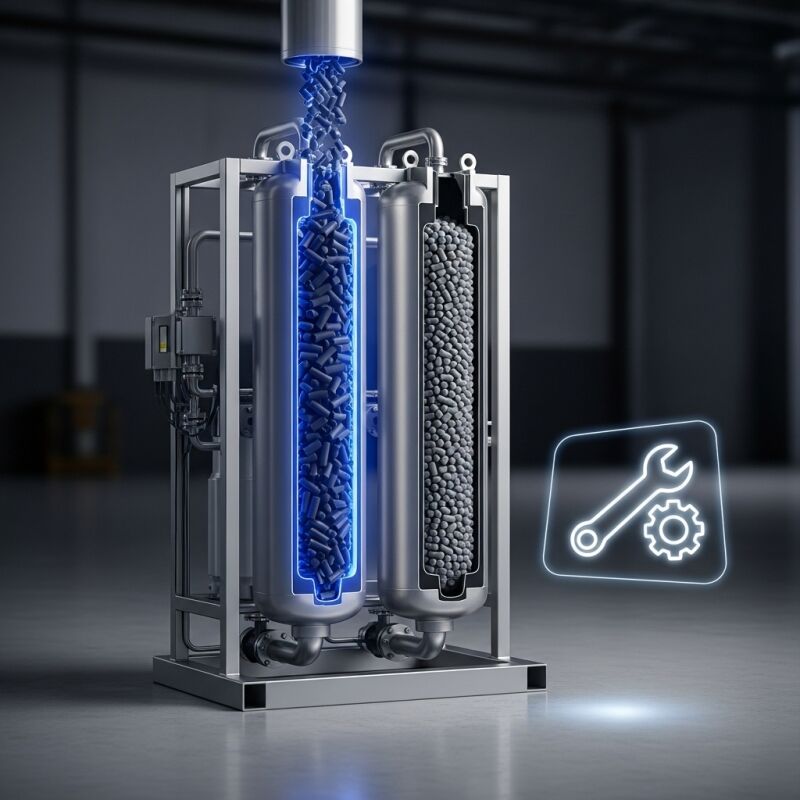
PSA system effectiveness depends heavily on proper adsorber vessel design that accommodates specific adsorbent materials and operating pressures. Vessel dimensions must provide adequate contact time between gas streams and adsorbent surfaces while maintaining appropriate flow velocities to prevent channeling or bypassing effects. Internal distribution systems ensure uniform gas flow across the entire adsorbent bed, maximizing utilization efficiency and preventing localized saturation zones.
Material selection for adsorber vessels requires consideration of operating pressures, temperature ranges, and chemical compatibility with process gases and adsorbent materials. Stainless steel construction typically provides excellent corrosion resistance and mechanical strength, while specialized coatings or alternative materials may be necessary for particularly aggressive chemical environments. Proper vessel design also incorporates features for adsorbent loading, maintenance access, and instrumentation integration.
Valve Systems and Flow Control Mechanisms
Sophisticated valve systems enable precise control of gas flows and pressure cycling that define effective PSA working principle operation. Fast-acting valves must withstand frequent cycling while maintaining tight shut-off characteristics to prevent cross-contamination between different process phases. Pneumatically or electrically actuated valves provide rapid response times essential for maintaining proper cycle timing and separation efficiency.
Flow control mechanisms include pressure regulators, flow meters, and automated control valves that maintain optimal operating conditions throughout varying load demands. These components work together to ensure consistent performance despite fluctuations in feed gas composition, ambient conditions, or downstream process requirements. Advanced systems incorporate predictive control algorithms that anticipate process changes and adjust operating parameters proactively.
Process Optimization and Performance Enhancement
Adsorbent Selection and Characterization
Optimal adsorbent selection forms a crucial foundation for maximizing PSA working principle effectiveness across diverse industrial applications. Different adsorbent materials exhibit unique selectivity profiles, adsorption capacities, and regeneration characteristics that must align with specific separation requirements. Zeolite molecular sieves offer exceptional selectivity for gases with different molecular sizes, while activated carbon materials excel in applications requiring broad-spectrum adsorption capabilities.
Adsorbent characterization involves comprehensive testing of surface area, pore size distribution, adsorption isotherms, and kinetic properties under relevant operating conditions. These fundamental properties determine system sizing requirements, cycle timing parameters, and achievable separation performance. Regular adsorbent analysis ensures maintained performance levels and enables proactive replacement scheduling to prevent unexpected system degradation.
Operating Parameter Optimization
Fine-tuning operating parameters maximizes PSA system efficiency while ensuring consistent product quality and system reliability. Pressure levels, cycle timing, temperature control, and flow rates must be carefully balanced to achieve optimal separation performance for specific applications. Higher operating pressures typically increase adsorption capacity but require more energy for compression and may accelerate adsorbent degradation over time.
Advanced process control systems continuously monitor system performance and automatically adjust operating parameters to maintain optimal conditions despite changing feed compositions or ambient conditions. These systems utilize sophisticated algorithms that account for complex interactions between multiple variables, enabling real-time optimization that exceeds manual control capabilities. Regular performance monitoring identifies opportunities for further optimization and helps maintain peak system efficiency throughout extended operating periods.
Industrial Applications and Implementation Strategies
Nitrogen Generation Systems
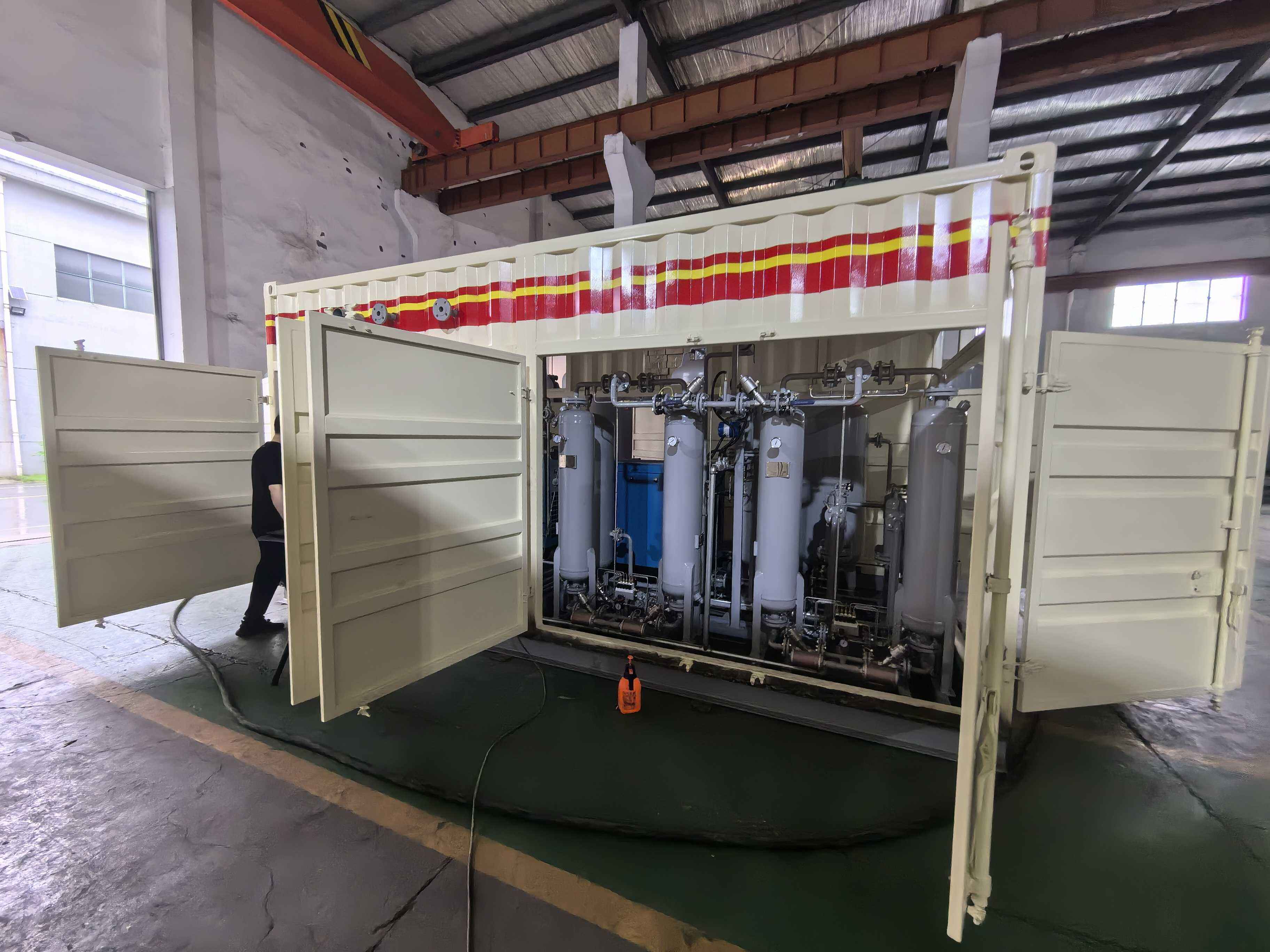
Nitrogen generation represents one of the most widespread applications of PSA working principle technology across numerous industrial sectors. These systems separate nitrogen from compressed air using carbon molecular sieve adsorbents that preferentially adsorb oxygen, carbon dioxide, and water vapor while allowing nitrogen to pass through. The resulting high-purity nitrogen streams support applications ranging from food packaging and electronics manufacturing to pharmaceutical production and metal processing.
System sizing for nitrogen generation applications depends on required flow rates, purity levels, and pressure specifications of downstream processes. Modular system designs enable capacity scaling to match facility requirements while providing redundancy for critical applications. Advanced monitoring systems track nitrogen purity continuously and automatically adjust operating parameters to maintain specification compliance despite variations in ambient conditions or compressed air quality.
Oxygen Concentration and Purification
Oxygen concentration systems utilize zeolite molecular sieves to selectively adsorb nitrogen from compressed air, producing oxygen-enriched streams for medical, industrial, and environmental applications. The PSA working principle enables cost-effective oxygen production directly at the point of use, eliminating storage and transportation requirements associated with conventional oxygen supply methods. These systems provide particular value in remote locations or applications requiring variable oxygen demand.
Medical-grade oxygen systems incorporate additional purification stages and monitoring systems to ensure compliance with stringent purity and safety requirements. Redundant system configurations provide continuous oxygen supply for critical medical applications, while automated switching between multiple adsorber vessels maintains uninterrupted operation during maintenance activities. Advanced alarm systems monitor critical parameters and alert operators to any conditions that could affect oxygen quality or availability.
Maintenance Strategies and Performance Monitoring
Preventive Maintenance Protocols
Effective PSA working principle maintenance requires comprehensive protocols that address all system components and operating parameters. Regular valve inspection and calibration ensures proper cycle timing and prevents cross-contamination between process phases. Adsorbent condition monitoring identifies gradual performance degradation before it significantly impacts separation efficiency or product quality.
Scheduled maintenance activities include pressure testing, instrumentation calibration, and adsorbent sampling for laboratory analysis. These proactive measures identify potential issues before they cause system failures or product quality problems. Maintenance scheduling considers operating hours, cycle counts, and environmental conditions that accelerate component wear or adsorbent degradation.
Performance Monitoring and Diagnostic Systems
Advanced diagnostic systems continuously evaluate PSA system performance through real-time monitoring of multiple parameters including pressure profiles, flow rates, and product purity levels. These systems utilize sophisticated algorithms to detect subtle changes in system behavior that indicate developing problems or optimization opportunities. Early detection capabilities enable proactive maintenance interventions that prevent costly system failures or extended downtime periods.
Data logging and trending analysis provide valuable insights into long-term system performance patterns and help optimize operating parameters for maximum efficiency. Remote monitoring capabilities enable expert technical support regardless of system location, providing rapid diagnostic assistance and troubleshooting guidance when issues arise. These advanced monitoring systems significantly reduce operational costs while improving system reliability and performance consistency.
Future Developments and Technology Advancement
Advanced Adsorbent Materials
Research into novel adsorbent materials continues to enhance PSA working principle effectiveness through improved selectivity, capacity, and durability characteristics. Metal-organic frameworks and engineered nanomaterials offer potential advantages over traditional adsorbents in specific applications, providing higher surface areas and tailored molecular recognition capabilities. These advanced materials may enable more compact system designs while achieving superior separation performance.
Development of specialized adsorbent materials for emerging applications includes carbon capture, trace contaminant removal, and specialty gas purification requirements. These materials incorporate specific chemical functionalities or structural features optimized for particular separation challenges. Continued advancement in material science enables PSA technology to address increasingly demanding separation requirements across diverse industrial applications.
Process Integration and Automation Enhancement
Integration of PSA systems with broader facility automation systems enables coordinated operation that optimizes overall process efficiency and reduces energy consumption. Advanced control systems can adjust PSA operation based on downstream demand patterns, ambient conditions, and energy pricing to minimize operational costs while maintaining required performance levels. These integrated approaches maximize the economic benefits of PSA working principle implementation.
Artificial intelligence and machine learning applications offer opportunities for predictive maintenance, automated optimization, and enhanced diagnostic capabilities. These technologies analyze vast amounts of operational data to identify patterns and relationships that exceed human analytical capabilities. Implementation of AI-driven control systems may revolutionize PSA system operation by enabling autonomous optimization and predictive maintenance scheduling.
FAQ
What factors determine the effectiveness of PSA working principle in gas separation applications
PSA system effectiveness depends on several critical factors including adsorbent material properties, operating pressure levels, cycle timing, and temperature conditions. The selectivity and capacity of chosen adsorbent materials directly influence separation efficiency and product purity. Operating pressures must be optimized to maximize adsorption while minimizing energy consumption, while proper cycle timing ensures complete regeneration without sacrificing throughput. Temperature control affects both adsorption capacity and selectivity, requiring careful consideration of ambient conditions and process heat generation.
How does adsorbent degradation impact PSA system performance over time
Adsorbent degradation gradually reduces PSA working principle effectiveness through decreased adsorption capacity, reduced selectivity, and potential contamination of product streams. Physical degradation may result from mechanical stress during pressure cycling, while chemical degradation can occur from exposure to contaminants or reactive compounds in the feed gas. Regular monitoring of system performance parameters helps identify degradation trends before they significantly impact operation. Proper feed gas pretreatment and optimized operating conditions minimize degradation rates and extend adsorbent service life.
What are the primary advantages of PSA technology compared to other gas separation methods
PSA technology offers several significant advantages including lower energy consumption compared to cryogenic separation, elimination of chemical consumables unlike absorption processes, and minimal maintenance requirements relative to membrane systems. The PSA working principle enables on-demand gas production at the point of use, reducing storage and transportation costs. Systems can be easily scaled to match capacity requirements and provide rapid startup and shutdown capabilities. Additionally, PSA systems operate at moderate temperatures and pressures, reducing safety concerns and infrastructure requirements compared to alternative separation technologies.
How can facilities optimize PSA system performance for specific applications
Performance optimization requires comprehensive analysis of application requirements including required purity levels, flow rates, pressure specifications, and operating schedules. Proper adsorbent selection based on target gas properties and separation requirements forms the foundation for optimal performance. Operating parameter tuning including pressure levels, cycle timing, and temperature control should be adjusted based on actual operating conditions and performance monitoring data. Regular maintenance and adsorbent condition monitoring ensure sustained performance, while advanced control systems can automatically optimize operation based on changing conditions and requirements.
Table of Contents
- Fundamental Principles of Pressure Swing Adsorption Technology
- System Components and Configuration Elements
- Process Optimization and Performance Enhancement
- Industrial Applications and Implementation Strategies
- Maintenance Strategies and Performance Monitoring
- Future Developments and Technology Advancement
-
FAQ
- What factors determine the effectiveness of PSA working principle in gas separation applications
- How does adsorbent degradation impact PSA system performance over time
- What are the primary advantages of PSA technology compared to other gas separation methods
- How can facilities optimize PSA system performance for specific applications