 EN
EN


Nitrogen generation systems have become indispensable assets in industries ranging from food packaging and electronics manufacturing to pharmaceuticals and oil and gas operations. These sophisticated systems deliver on-demand nitrogen supply, eliminating dependency on external suppliers while reducing operational costs. However, the reliability and efficiency of these systems hinge entirely on proper nitrogen machine maintenance practices. Without a structured maintenance approach, even the most advanced nitrogen generators can experience premature component failure, reduced purity levels, increased energy consumption, and costly unplanned downtime that disrupts production schedules and impacts profitability.
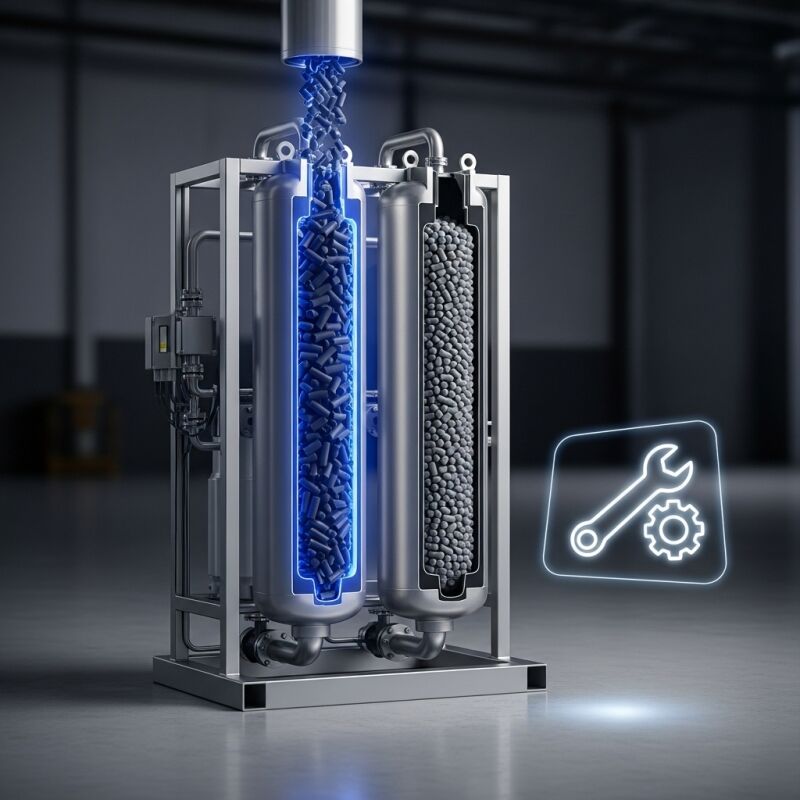
This comprehensive guide addresses the critical importance of nitrogen machine maintenance by exploring why systematic care protocols are non-negotiable, what components require attention, how to implement effective maintenance schedules, and when intervention becomes necessary. Whether you operate pressure swing adsorption systems, membrane generators, or cryogenic units, understanding the maintenance requirements specific to your technology ensures consistent nitrogen quality, extends equipment lifespan, and protects your investment. The following sections provide actionable insights that maintenance teams, plant managers, and operations personnel can immediately apply to optimize their nitrogen generation infrastructure.
Understanding the Critical Role of Nitrogen Machine Maintenance
Why Maintenance Directly Impacts Nitrogen Purity and Production Efficiency
The quality of nitrogen output from any generation system depends fundamentally on the condition of its core components. In pressure swing adsorption systems, carbon molecular sieves selectively separate nitrogen from compressed air, but these sieve materials gradually accumulate contaminants, moisture, and particulates that compromise their separation efficiency. Without regular nitrogen machine maintenance, purity levels can drift from the required 99.999% to substandard levels that fail quality control specifications. This degradation occurs gradually, often unnoticed until production batches are rejected or sensitive equipment suffers damage from contaminated nitrogen supply.
Beyond purity concerns, maintenance practices directly influence energy consumption patterns. Compressed air systems account for significant operational expenses, and any inefficiency in the nitrogen generation process translates to wasted electricity costs. Clogged filters force compressors to work harder, maintaining higher discharge pressures to compensate for restricted airflow. Worn valve seals allow nitrogen to escape during the pressurization cycle, requiring longer run times to achieve target pressure levels. Air dryer malfunction introduces moisture that carbon molecular sieves must work harder to remove, increasing cycle times and energy draw. Systematic nitrogen machine maintenance addresses these inefficiencies before they compound into substantial cost increases.
The Business Consequences of Neglected Maintenance Protocols
Organizations that defer nitrogen machine maintenance face predictable and expensive consequences. Unplanned equipment failures typically occur during critical production periods, creating emergency situations that demand immediate attention. Emergency service calls command premium rates, often two to three times standard maintenance costs, while expedited replacement parts carry significant markups. More damaging than these direct costs is the production downtime that accompanies unexpected failures. Manufacturing facilities may lose thousands of dollars per hour when nitrogen-dependent processes halt, with some industries facing even steeper losses when product batches must be scrapped due to contamination during system failures.
The cumulative effect of maintenance neglect extends equipment deterioration beyond simple component replacement. When carbon molecular sieves degrade without timely intervention, the resulting dust and particulate contamination can damage downstream valves, instrumentation, and control systems. Moisture intrusion from failing air dryers accelerates corrosion throughout the system, affecting piping, vessels, and fittings. What begins as a deferred filter change or postponed valve inspection cascades into comprehensive system rehabilitation requiring extensive downtime and capital expenditure. Proactive nitrogen machine maintenance breaks this deterioration cycle, preserving asset value and ensuring reliable operation.
Essential Components Requiring Regular Maintenance Attention
Compressed Air Preparation System Elements
The compressed air feeding any nitrogen generation system must meet stringent quality standards, making the air preparation subsystem a critical maintenance focus. Inlet filters serve as the first defense against atmospheric contaminants, capturing particulates, oil aerosols, and other impurities before they enter downstream components. These filters feature finite service lives measured in operating hours or differential pressure readings. As particulate loading increases, filters experience rising pressure drops that force compressors to generate higher discharge pressures, wasting energy and stressing mechanical components. Nitrogen machine maintenance schedules must include regular filter element replacement based on manufacturer specifications and actual operating conditions.
Refrigerated or desiccant air dryers remove moisture from compressed air, preventing water accumulation that would damage carbon molecular sieves and reduce nitrogen purity. Refrigerated dryers use cooling circuits with refrigerant systems requiring periodic inspection for leaks, proper charge levels, and heat exchanger cleanliness. Desiccant dryers employ regenerative beds of moisture-absorbing material that gradually saturate and require replacement or regeneration. Moisture separator drains, whether manual or automatic, need regular verification to ensure proper condensate removal. Neglecting these dryer maintenance requirements allows moisture to migrate into the nitrogen generator, causing immediate purity problems and long-term component degradation that only comprehensive nitrogen machine maintenance can address.
Pressure Swing Adsorption System Core Components
Carbon molecular sieve beds represent the heart of PSA nitrogen generators, requiring careful monitoring and eventual replacement. These specially engineered materials feature microporous structures sized to preferentially adsorb oxygen molecules while allowing nitrogen to pass through. Over thousands of operating cycles, carbon molecular sieves experience physical attrition from pressure cycling, chemical degradation from contaminant exposure, and gradual pore blockage from accumulated impurities. Performance monitoring through purity measurement and flow capacity assessment provides early warning of sieve degradation. While carbon molecular sieve replacement constitutes a significant maintenance event, timely intervention through scheduled nitrogen machine maintenance prevents catastrophic purity failures and maintains consistent production capabilities.
Automated valve assemblies control the cycling between adsorption and regeneration phases in PSA systems, experiencing millions of actuations over their service lives. These valves must seal completely during each cycle phase to prevent cross-contamination between pressurized and depressurizing beds. Valve seal wear leads to internal leakage that reduces nitrogen recovery rates and compromises purity levels. Pneumatic actuators require proper air supply pressure, lubrication where specified, and periodic seal replacement. Electronic control valves need electrical connection verification and solenoid coil inspection. Regular valve maintenance includes leak testing, actuation timing verification, and seal replacement at prescribed intervals, ensuring the precise cycle control essential for optimal nitrogen generation efficiency.
Critical Support System Infrastructure
Air compressors supplying nitrogen generators require dedicated maintenance programs covering oil changes, air filter replacement, cooling system inspection, and mechanical component monitoring. Compressor failures immediately shut down nitrogen production, making their reliability paramount. Oil-lubricated compressors need regular oil analysis to detect bearing wear, contamination, or thermal degradation before mechanical failure occurs. Oil-free compressors require coating inspection and bearing monitoring. Cooling system maintenance prevents overheating that accelerates component wear and reduces compressor efficiency. Including compressor care within comprehensive nitrogen machine maintenance protocols ensures the foundation of nitrogen production remains reliable.
Control systems and instrumentation provide the operational intelligence and automation essential for modern nitrogen generators. Pressure transmitters, oxygen analyzers, flow meters, and temperature sensors require periodic calibration to maintain measurement accuracy. Control panels need electrical connection inspection, component cleaning, and firmware updates. Programmable logic controllers store operating parameters and cycle timing that optimize nitrogen production, requiring backup and verification. Instrumentation failures can cause improper system operation, reduced efficiency, or complete shutdown. Regular calibration and inspection of these control elements, integrated into overall nitrogen machine maintenance routines, protects against measurement drift and ensures accurate process control.
Implementing Effective Maintenance Schedules and Procedures
Establishing Frequency-Based Maintenance Intervals
Successful nitrogen machine maintenance programs balance equipment manufacturer recommendations with actual operating conditions and performance monitoring data. Standard maintenance intervals typically include daily operator checks covering visual inspections, gauge readings, and condensate drain verification. Weekly tasks might include detailed inspection of filters, drains, and system pressures with documentation of any abnormal conditions. Monthly maintenance activities often involve filter element replacement, detailed leak detection surveys, and valve operation verification. Quarterly procedures typically include lubrication services, detailed performance testing, and comprehensive system inspection.
Annual nitrogen machine maintenance events address major components requiring less frequent attention but critical to long-term reliability. These comprehensive shutdowns allow carbon molecular sieve inspection, major valve servicing, compressor overhaul, and complete system performance verification against baseline specifications. Multi-year intervals cover major component replacements including carbon molecular sieve bed renewal, compressor rebuilds, and control system upgrades. These layered maintenance frequencies ensure appropriate attention to components with vastly different service lives while spreading maintenance workload across manageable intervals that minimize operational disruption.
Developing Condition-Based Maintenance Strategies
Advanced nitrogen machine maintenance approaches incorporate condition monitoring to optimize intervention timing based on actual equipment status rather than arbitrary time intervals. Differential pressure monitoring across filters triggers replacement only when actual restriction occurs rather than following fixed schedules that may replace functional elements prematurely or allow excessive restriction. Vibration analysis on compressors detects bearing degradation, alignment issues, or mechanical looseness before catastrophic failure, allowing planned intervention during scheduled downtime rather than emergency response to unexpected breakdowns.
Oxygen purity trend analysis provides early warning of carbon molecular sieve degradation or valve seal problems, allowing maintenance teams to investigate and address developing issues before product quality suffers. Energy consumption monitoring identifies efficiency losses from restricted filters, failing dryers, or system leaks, quantifying the cost of deferred maintenance and justifying intervention investments. Temperature monitoring detects cooling system problems, compressor issues, or abnormal cycling patterns requiring attention. Integrating these condition monitoring techniques into nitrogen machine maintenance protocols transforms reactive repair approaches into predictive maintenance programs that maximize equipment availability while minimizing maintenance costs.
Creating Detailed Maintenance Documentation Systems
Effective nitrogen machine maintenance depends on thorough documentation capturing equipment history, maintenance actions, component replacements, and performance trends. Maintenance logs record every service activity including date, technician, work performed, parts replaced, and system performance measurements before and after intervention. These records establish service history that informs future maintenance decisions and provides warranty documentation when needed. Component tracking logs monitor accumulated operating hours on critical elements like carbon molecular sieves, compressor components, and valve assemblies, enabling accurate prediction of replacement timing.
Performance trending databases capture purity measurements, flow rates, pressure readings, and energy consumption over time, revealing gradual degradation patterns that might otherwise go unnoticed until failure occurs. Maintenance procedure documents standardize work processes, ensuring consistent quality regardless of which technician performs the service. These procedures include detailed step-by-step instructions, required tools and materials, safety precautions, and acceptance criteria for completed work. Digital maintenance management systems centralize this documentation, providing easy access, automated reminder generation, and analytical tools that enhance nitrogen machine maintenance effectiveness across single facilities or multi-site operations.
Troubleshooting Common Maintenance-Related Performance Issues
Diagnosing and Resolving Purity Degradation Problems
When nitrogen purity falls below specification, systematic troubleshooting through proper nitrogen machine maintenance procedures identifies root causes. Moisture contamination typically indicates air dryer malfunction or condensate drain failure, requiring dryer repair and drain system inspection. Valve leakage allows oxygen-rich purge gas to contaminate product nitrogen, necessitating valve seal replacement and timing verification. Carbon molecular sieve degradation produces gradual purity decline accompanied by reduced capacity, signaling the need for sieve bed replacement. Compressor oil carryover from inadequate inlet filtration or compressor problems introduces hydrocarbons that compromise purity, requiring enhanced filtration and compressor service.
Purity troubleshooting begins with isolating the problem through strategic testing and inspection. Oxygen analyzer calibration verification ensures measurement accuracy before pursuing expensive component repairs. Individual bed testing in dual-bed PSA systems identifies whether degradation affects one or both sieve beds. Inlet air quality testing confirms adequate moisture removal and contamination control upstream of the nitrogen generator. Leak testing using ultrasonic detectors or soap solutions locates valve or piping leaks allowing air infiltration. This methodical diagnostic approach, guided by comprehensive nitrogen machine maintenance knowledge, prevents unnecessary component replacement while rapidly identifying actual failure points requiring correction.
Addressing Capacity and Flow Rate Reductions
Nitrogen flow capacity decline signals restriction, degradation, or control system problems requiring investigation. Inlet filter restriction represents the most common cause of capacity reduction, solved through timely filter element replacement. Carbon molecular sieve attrition reduces effective bed depth, decreasing capacity and requiring sieve replacement. Valve timing drift extends cycle durations unnecessarily, reducing effective production time and overall capacity. Compressor capacity decline from mechanical wear, valve problems, or control issues limits available feed air, restricting nitrogen production proportionally.
Capacity troubleshooting follows logical progression from simple to complex potential causes. Filter differential pressure measurement quickly identifies restriction requiring element replacement. Cycle timing verification against design specifications reveals control system drift requiring reprogramming. Compressor discharge pressure and flow measurement confirms adequate compressed air supply. Carbon molecular sieve bed depth measurement during maintenance shutdowns quantifies attrition levels and remaining service life. These diagnostic steps, performed as part of routine nitrogen machine maintenance activities, enable targeted interventions that restore design capacity efficiently without speculative component replacement.
Resolving Excessive Energy Consumption Issues
Unexpected increases in nitrogen generation energy costs indicate inefficiency requiring maintenance attention. System leaks waste compressed air continuously, forcing compressors to run longer to maintain system pressure. Restricted filters increase pressure drop, requiring higher compressor discharge pressures and greater energy input. Valve seal leakage extends cycle times as the system compensates for gas loss. Fouled heat exchangers in refrigerated dryers reduce cooling efficiency, increasing compressor runtime and power consumption. Air compressor wear increases specific power consumption, drawing more electricity for the same air delivery.
Energy efficiency troubleshooting quantifies losses and prioritizes corrective actions based on impact. Compressed air leak surveys using ultrasonic detection equipment identify and quantify system leakage, with repair priority based on leak severity. Filter pressure drop measurement across all elements identifies excessive restriction. Valve leakage testing during system cycling reveals seal problems requiring service. Compressor specific power monitoring compared to manufacturer specifications identifies mechanical degradation requiring overhaul. These energy-focused nitrogen machine maintenance activities deliver measurable cost reductions by addressing inefficiencies that accumulate gradually during normal operation.
Advanced Maintenance Considerations and Performance Optimization
Planning Major Component Replacement and System Upgrades
Carbon molecular sieve replacement represents the most significant scheduled nitrogen machine maintenance event, typically required every seven to ten years depending on operating conditions and air quality. Planning this major service includes ordering replacement material with adequate lead time, scheduling production downtime, arranging specialized technical support, and preparing for proper disposal of spent sieve material. The replacement process provides opportunity for comprehensive system inspection and upgrade implementation, including valve servicing, piping inspection, instrumentation calibration, and control system updates that enhance overall system performance beyond simple sieve renewal.
Compressor major overhauls follow similar planning requirements, addressing wear accumulated over years of operation. These events include complete disassembly, component inspection, bearing replacement, seal renewal, and reassembly with careful alignment verification. Combining compressor overhaul with nitrogen generator maintenance activities during coordinated shutdowns minimizes total downtime impact. Control system upgrades incorporating modern programmable logic controllers, touchscreen interfaces, and remote monitoring capabilities transform aging equipment into contemporary installations with improved reliability, efficiency, and operational insight. Strategic timing of these major nitrogen machine maintenance investments extends equipment service life decades beyond original expectations while maintaining competitive performance levels.
Implementing Predictive Maintenance Technologies
Modern nitrogen machine maintenance programs increasingly incorporate advanced monitoring technologies that predict component failure before occurrence. Vibration sensors mounted on compressors continuously monitor bearing condition, detecting gradual degradation that allows scheduled bearing replacement rather than catastrophic failure. Infrared temperature monitoring identifies electrical connection problems, bearing friction, or cooling system inadequacy before equipment damage occurs. Oil analysis programs track lubricant condition and contamination levels, optimizing oil change intervals and detecting mechanical wear through particle analysis.
Remote monitoring systems transmit real-time performance data including purity levels, pressures, temperatures, and flow rates to centralized databases accessible from anywhere. Analytics software identifies developing problems by comparing current performance against historical baselines and manufacturer specifications. Automated alerts notify maintenance personnel when parameters exceed acceptable ranges, enabling rapid response before minor issues escalate. These predictive technologies transform nitrogen machine maintenance from scheduled intervention and reactive repair into proactive optimization that maximizes equipment availability, extends component service life, and minimizes total maintenance costs through precisely timed intervention based on actual equipment condition.
Training and Developing In-House Maintenance Capabilities
Organizations maximizing nitrogen machine maintenance effectiveness invest in developing skilled internal maintenance teams through comprehensive training programs. Equipment manufacturer training courses provide deep technical understanding of system design, operation principles, troubleshooting methodologies, and proper service procedures. Hands-on workshops build practical skills in component replacement, adjustment procedures, and specialized techniques required for major maintenance events. Certification programs validate technician competency and provide recognition for skill development that supports career progression.
Internal knowledge development through documented procedures, mentoring relationships, and continuous learning initiatives builds institutional expertise that survives personnel changes. Regular technical updates from equipment suppliers introduce maintenance teams to design improvements, updated service recommendations, and new diagnostic tools. Participation in industry associations and technical forums exposes maintenance personnel to best practices and emerging technologies applicable to nitrogen machine maintenance. This investment in human capital development delivers returns through improved maintenance quality, reduced reliance on external service providers, faster problem resolution, and enhanced equipment reliability supporting business objectives.
FAQ
How often should nitrogen machine maintenance be performed to ensure optimal system reliability?
Maintenance frequency depends on specific components and operating conditions, but effective programs typically include daily operator checks, weekly detailed inspections, monthly filter replacements, quarterly comprehensive servicing, and annual major maintenance events. Condition monitoring technologies increasingly supplement time-based schedules, triggering maintenance based on actual equipment status rather than arbitrary intervals. High-utilization systems operating continuously in demanding environments require more frequent attention than intermittent-duty installations in clean conditions. Manufacturer recommendations provide baseline schedules that should be adjusted based on performance monitoring and operational experience.
What are the warning signs that nitrogen machine maintenance has been neglected and problems are developing?
Key indicators of maintenance neglect include declining nitrogen purity readings, reduced flow capacity compared to design specifications, increasing energy consumption for the same production output, more frequent low-pressure alarms, visible moisture in compressed air lines, unusual noises from compressors or valve assemblies, and rising operating temperatures. Gradual performance degradation over weeks or months often goes unnoticed without systematic monitoring, while sudden failures indicate that preventive maintenance intervals have been exceeded. Establishing baseline performance measurements and tracking trends reveals developing problems before they cause production disruptions or equipment damage.
Can in-house maintenance teams handle nitrogen machine maintenance or is specialized technical support always required?
Most routine nitrogen machine maintenance activities including filter replacement, drain inspection, valve seal replacement, and general troubleshooting can be performed by properly trained in-house maintenance personnel using manufacturer-provided documentation and training. Organizations benefit from developing internal expertise through formal training programs that build competency in system operation, preventive maintenance procedures, and common repairs. However, major maintenance events like carbon molecular sieve replacement, complex control system programming, or specialized component overhauls may require factory-trained technicians with specialized tools and deep technical knowledge. Effective strategies combine strong in-house capabilities for routine maintenance with strategic use of expert support for complex interventions.
What documentation should be maintained as part of a comprehensive nitrogen machine maintenance program?
Comprehensive documentation includes detailed maintenance logs recording all service activities with dates, technicians, work performed, and parts replaced. Performance trend databases should capture purity measurements, flow rates, pressures, temperatures, and energy consumption over time to reveal gradual changes indicating developing problems. Component tracking records monitor accumulated operating hours on critical elements to predict replacement timing accurately. Standardized maintenance procedures ensure consistent service quality, while equipment manuals, drawings, and technical specifications provide reference information. Digital maintenance management systems centralize these records, enable automated scheduling, and provide analytical tools that enhance overall nitrogen machine maintenance effectiveness across facilities.
Table of Contents
- Understanding the Critical Role of Nitrogen Machine Maintenance
- Essential Components Requiring Regular Maintenance Attention
- Implementing Effective Maintenance Schedules and Procedures
- Troubleshooting Common Maintenance-Related Performance Issues
- Advanced Maintenance Considerations and Performance Optimization
-
FAQ
- How often should nitrogen machine maintenance be performed to ensure optimal system reliability?
- What are the warning signs that nitrogen machine maintenance has been neglected and problems are developing?
- Can in-house maintenance teams handle nitrogen machine maintenance or is specialized technical support always required?
- What documentation should be maintained as part of a comprehensive nitrogen machine maintenance program?