 EN
EN

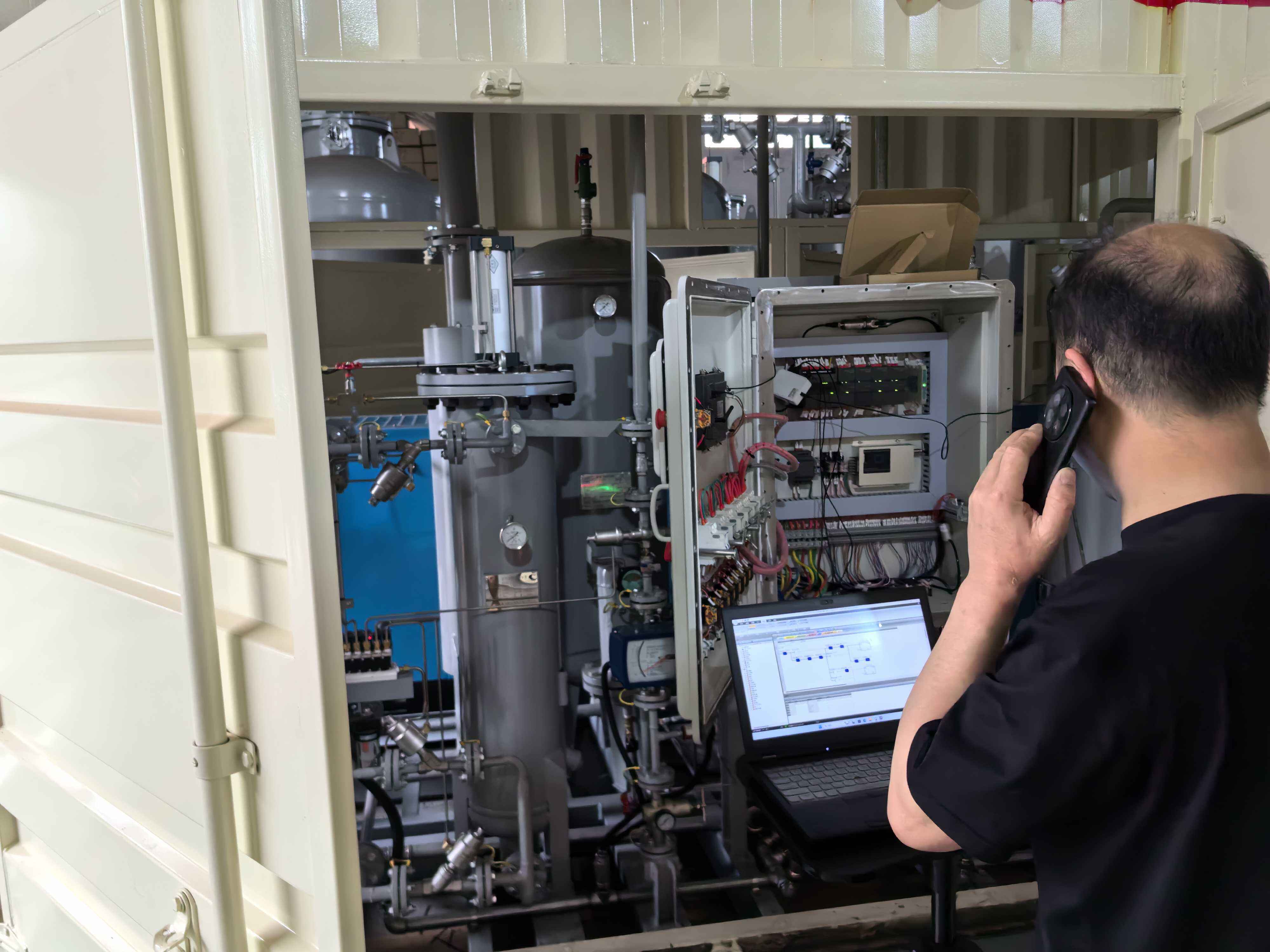
The oil and gas industry operates under extreme conditions where safety, efficiency, and environmental protection are paramount. Among the various industrial gases utilized in petroleum operations, nitrogen for oil and gas applications stands as one of the most critical components for ensuring operational integrity and personnel safety. This comprehensive guide explores how nitrogen solutions transform drilling, production, and maintenance processes across upstream, midstream, and downstream operations.
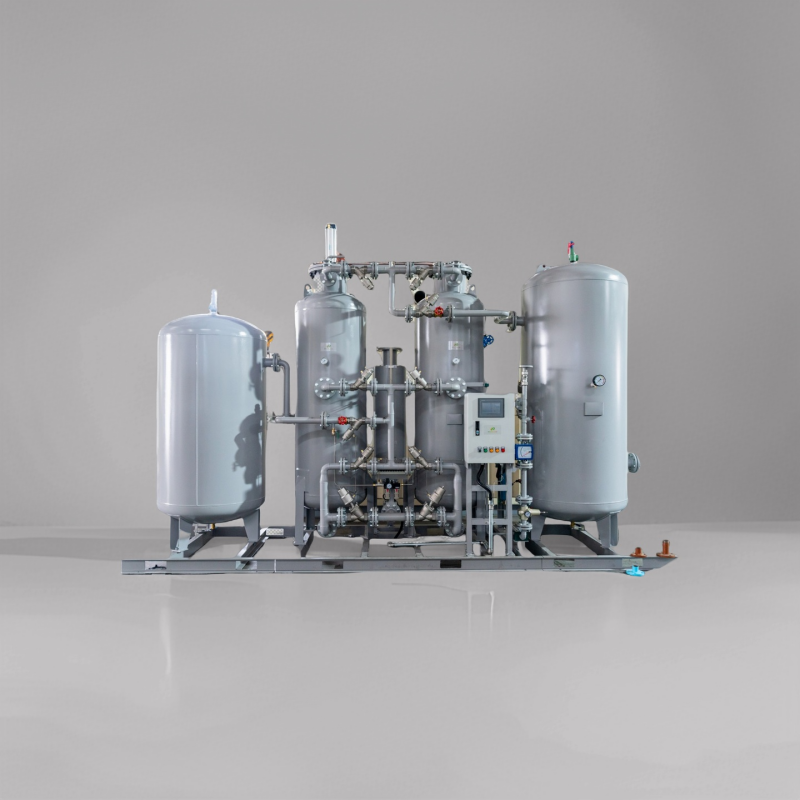
Modern petroleum facilities rely heavily on nitrogen systems to create inert atmospheres, prevent explosions, and maintain pressure control throughout complex operations. The versatility of nitrogen applications spans from wellhead pressure testing to pipeline purging, making it an indispensable resource for maintaining operational continuity and regulatory compliance in today's competitive energy markets.
Fundamental Applications of Nitrogen in Petroleum Operations
Drilling and Completion Operations
During drilling operations, nitrogen for oil and gas serves multiple critical functions that directly impact well integrity and safety outcomes. Nitrogen injection systems help maintain proper drilling fluid density while preventing formation damage that could compromise long-term production capabilities. The inert properties of nitrogen create protective barriers against hydrogen sulfide and other corrosive gases commonly encountered in petroleum reservoirs.
Well completion procedures require precise pressure control to ensure optimal production flow rates without compromising wellbore stability. Nitrogen systems provide the necessary pressure support during casing installation and cement displacement operations, creating controlled environments that prevent unwanted fluid migration between geological formations.
Advanced nitrogen lifting techniques have revolutionized artificial lift applications in mature oil fields where natural reservoir pressure has declined. These systems inject controlled volumes of nitrogen gas into production tubing, reducing fluid density and enabling continued economical production from wells that would otherwise require expensive mechanical lifting equipment.
Enhanced Oil Recovery Techniques
Enhanced oil recovery operations utilize nitrogen for oil and gas extraction to maximize reservoir productivity through sophisticated injection programs. Nitrogen flooding techniques create miscible displacement processes that mobilize trapped hydrocarbons, particularly in light oil reservoirs where conventional water flooding proves ineffective.
The immiscible displacement characteristics of nitrogen make it particularly effective in gravity drainage applications where vertical permeability allows optimal sweep efficiency. These operations require continuous nitrogen supply systems capable of delivering high-purity gas at precise flow rates and pressures determined by reservoir engineering calculations.
Nitrogen-assisted gas cycling operations help maintain reservoir pressure while optimizing hydrocarbon recovery factors in gas condensate fields. These complex processes require sophisticated control systems that monitor injection rates, production responses, and reservoir pressure dynamics to ensure maximum economic recovery.
Safety and Environmental Benefits
Explosion Prevention and Hazard Mitigation
The inert characteristics of nitrogen for oil and gas operations provide unmatched safety benefits in environments where explosive atmospheres pose constant threats to personnel and equipment. Nitrogen purging systems eliminate oxygen from confined spaces, creating safe working conditions for maintenance activities in tanks, vessels, and pipeline systems.
Emergency response protocols in petroleum facilities increasingly rely on rapid nitrogen deployment systems that can quickly inert large volumes during potential fire or explosion scenarios. These systems integrate with automated safety networks that detect dangerous gas concentrations and immediately initiate protective nitrogen release sequences.
Personnel safety during hot work operations benefits significantly from nitrogen blanketing systems that maintain oxygen-free environments around welding and cutting activities. These applications prevent ignition of hydrocarbon vapors that might otherwise create catastrophic incidents in active petroleum facilities.
Environmental Protection Measures
Environmental stewardship in modern petroleum operations relies heavily on nitrogen systems to minimize emissions and prevent contamination incidents. Vapor recovery systems utilize nitrogen displacement to capture valuable hydrocarbons that would otherwise be released to the atmosphere during loading and unloading operations.
Pipeline commissioning and decommissioning procedures use nitrogen for oil and gas applications to displace hydrocarbons safely before maintenance activities begin. These processes prevent soil and groundwater contamination while ensuring compliance with increasingly stringent environmental regulations governing petroleum operations.
Tank cleaning operations benefit from nitrogen-assisted procedures that minimize waste generation while ensuring thorough removal of hydrocarbon residues. These environmentally conscious approaches reduce disposal costs while maintaining the high cleanliness standards required for product quality specifications.
Technical Specifications and Equipment Requirements
Purity Standards and Quality Control
Petroleum applications demand specific nitrogen purity levels that vary according to operational requirements and safety considerations. Typical nitrogen for oil and gas operations requires minimum purity levels of 95% for basic inerting applications, while specialized procedures may require ultra-high purity grades exceeding 99.99% nitrogen content.
Quality control systems monitor oxygen content, moisture levels, and hydrocarbon contamination to ensure nitrogen meets stringent petroleum industry specifications. Advanced analytical instruments provide real-time monitoring capabilities that prevent contaminated nitrogen from compromising critical operations or creating safety hazards.
Certification requirements for petroleum-grade nitrogen include comprehensive testing protocols that verify gas composition, pressure capabilities, and flow rate specifications. These quality assurance measures ensure consistent performance across diverse operating conditions encountered in global petroleum operations.
Generation and Distribution Systems
On-site nitrogen generation systems offer petroleum facilities significant advantages in terms of supply reliability, cost control, and operational flexibility. nitrogen for oil and gas applications benefit from pressure swing adsorption technology that produces high-purity nitrogen from compressed air using molecular sieves.
Membrane separation systems provide alternative nitrogen generation solutions for applications requiring moderate purity levels with lower capital investment requirements. These systems offer excellent reliability and minimal maintenance requirements, making them attractive options for remote petroleum facilities with limited technical support capabilities.
Distribution infrastructure for nitrogen systems includes specialized piping networks designed to handle high-pressure gas delivery while maintaining purity standards throughout the supply chain. These systems incorporate pressure regulation, flow measurement, and safety shutdown capabilities essential for reliable petroleum operations.
Economic Advantages and Cost Optimization
Operational Efficiency Improvements
The economic benefits of implementing comprehensive nitrogen for oil and gas programs extend far beyond simple gas supply cost comparisons. Improved operational efficiency results from reduced downtime, enhanced safety margins, and optimized production processes that maximize hydrocarbon recovery while minimizing operational risks.
Maintenance cost reductions occur when nitrogen systems prevent corrosion, contamination, and equipment degradation that would otherwise require expensive repairs or replacements. These preventive benefits compound over time, creating substantial long-term savings that justify initial nitrogen system investments.
Production optimization through nitrogen-assisted operations often generates revenue increases that exceed the total cost of nitrogen supply systems. Enhanced recovery rates, improved product quality, and reduced processing losses contribute to improved profitability across petroleum operations.
Supply Chain Management Benefits
Strategic nitrogen supply management helps petroleum companies reduce dependency on external suppliers while maintaining operational flexibility during market fluctuations. On-site generation capabilities eliminate transportation costs, delivery scheduling constraints, and supply chain disruptions that could impact critical operations.
Inventory management benefits from nitrogen for oil and gas systems include reduced storage requirements, eliminated product waste, and improved cash flow through reduced working capital requirements. These financial advantages become particularly significant for large petroleum facilities with substantial nitrogen consumption requirements.
Contract flexibility improves when petroleum companies control their own nitrogen production capabilities, enabling rapid response to changing operational requirements without lengthy supplier negotiations or minimum purchase commitments that may not align with actual consumption patterns.
Industry Standards and Regulatory Compliance
Safety Regulations and Best Practices
Petroleum industry safety standards increasingly emphasize the importance of nitrogen systems for maintaining safe working environments and preventing catastrophic incidents. Regulatory agencies worldwide recognize nitrogen for oil and gas applications as essential safety equipment rather than optional enhancement technologies.
Best practice guidelines developed by industry associations provide comprehensive frameworks for implementing effective nitrogen safety programs. These standards address personnel training requirements, equipment maintenance protocols, and emergency response procedures that ensure consistent safety performance across diverse petroleum operations.
Compliance documentation requirements include detailed records of nitrogen system performance, maintenance activities, and safety testing results. These comprehensive documentation systems support regulatory audits while providing valuable data for continuous improvement initiatives.
Environmental Compliance Requirements
Environmental regulations governing petroleum operations increasingly require nitrogen systems to minimize emissions and prevent environmental contamination. Compliance with these requirements often mandates specific nitrogen purity levels, application procedures, and monitoring protocols that ensure environmental protection objectives are met.
Emissions reduction credits may be available for petroleum facilities that implement comprehensive nitrogen for oil and gas programs that exceed minimum regulatory requirements. These incentive programs recognize the environmental benefits of nitrogen systems while providing economic incentives for enhanced environmental performance.
International environmental standards create uniform requirements for nitrogen applications across global petroleum operations, ensuring consistent environmental protection regardless of operational location. These standardized approaches facilitate technology transfer and best practice sharing among international petroleum companies.
Future Trends and Technology Developments
Advanced Nitrogen Generation Technologies
Emerging technologies in nitrogen generation promise improved efficiency, reduced energy consumption, and enhanced reliability for petroleum applications. Advanced molecular sieve materials and optimized pressure swing adsorption cycles are developing higher purity nitrogen at lower operational costs than traditional systems.
Integration with renewable energy sources enables sustainable nitrogen for oil and gas operations that reduce carbon footprints while maintaining operational effectiveness. Solar and wind-powered nitrogen generation systems offer particular advantages for remote petroleum facilities where traditional power sources are expensive or unreliable.
Smart monitoring and control systems utilize artificial intelligence and machine learning algorithms to optimize nitrogen system performance automatically. These advanced technologies predict maintenance requirements, optimize energy consumption, and prevent operational disruptions through predictive analytics capabilities.
Industry Integration and Automation
Digital integration of nitrogen systems with overall petroleum facility management systems creates opportunities for enhanced operational coordination and efficiency improvements. Real-time data sharing enables automated responses to changing operational conditions while maintaining optimal nitrogen supply parameters.
Automated safety systems increasingly incorporate nitrogen for oil and gas applications as integral components of comprehensive risk management programs. These integrated approaches provide faster emergency response capabilities while reducing human error risks during critical safety operations.
Predictive maintenance programs utilize advanced sensors and data analytics to optimize nitrogen system performance while minimizing maintenance costs. These programs identify potential problems before they impact operations, ensuring continuous availability of critical nitrogen supplies.
FAQ
What are the primary safety benefits of using nitrogen in oil and gas operations
Nitrogen provides essential safety benefits by creating inert atmospheres that prevent explosions and fires in petroleum facilities. The gas displaces oxygen and eliminates ignition sources, particularly during maintenance activities, tank cleaning, and pipeline operations. Additionally, nitrogen systems provide emergency response capabilities for rapid inerting of dangerous atmospheres, protecting personnel and equipment during potential hazardous incidents.
How does nitrogen enhance oil recovery in mature petroleum reservoirs
Nitrogen enhances oil recovery through multiple mechanisms including pressure maintenance, miscible displacement, and artificial lift applications. In mature reservoirs, nitrogen injection maintains reservoir pressure while mobilizing trapped hydrocarbons through improved sweep efficiency. The gas also reduces fluid density in production tubing, enabling continued economical production from wells with declining natural pressure.
What purity levels are required for different petroleum nitrogen applications
Petroleum nitrogen applications require varying purity levels depending on specific operational requirements. Basic inerting and purging operations typically require 95% minimum purity, while enhanced oil recovery and specialized applications may require 99% or higher purity levels. Critical safety applications often mandate ultra-high purity nitrogen exceeding 99.99% to ensure optimal performance and prevent contamination issues.
What are the cost advantages of on-site nitrogen generation versus delivered supply
On-site nitrogen generation offers significant cost advantages including elimination of transportation expenses, reduced inventory requirements, and improved supply reliability. Facilities with substantial nitrogen consumption typically achieve payback periods of 12-24 months while gaining operational flexibility and independence from external suppliers. Additional benefits include reduced working capital requirements and protection against price volatility in delivered nitrogen markets.
Table of Contents
- Fundamental Applications of Nitrogen in Petroleum Operations
- Safety and Environmental Benefits
- Technical Specifications and Equipment Requirements
- Economic Advantages and Cost Optimization
- Industry Standards and Regulatory Compliance
- Future Trends and Technology Developments
-
FAQ
- What are the primary safety benefits of using nitrogen in oil and gas operations
- How does nitrogen enhance oil recovery in mature petroleum reservoirs
- What purity levels are required for different petroleum nitrogen applications
- What are the cost advantages of on-site nitrogen generation versus delivered supply