 EN
EN
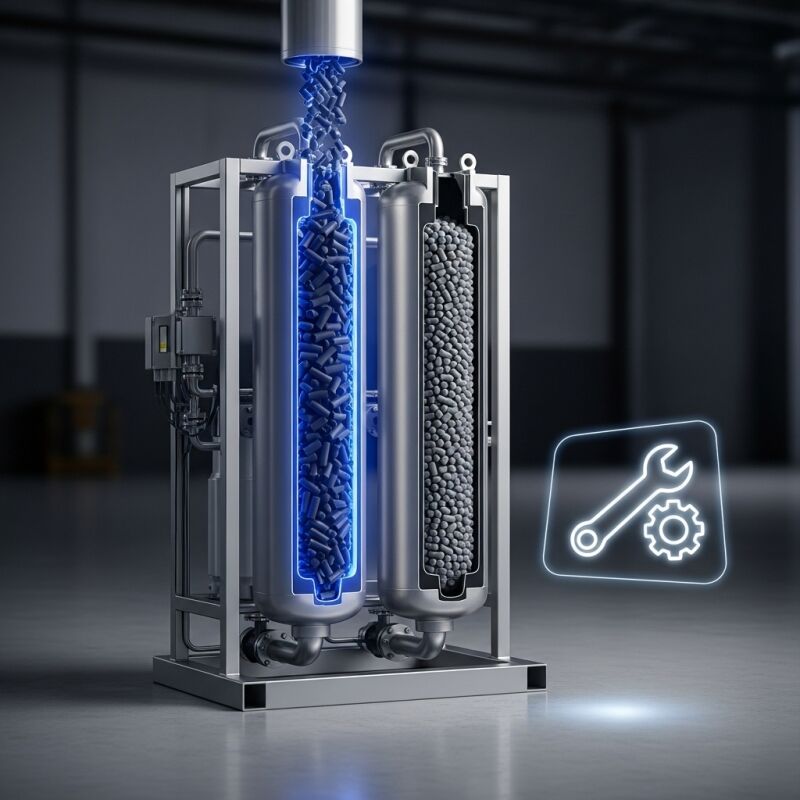
Industrial nitrogen generators have become essential equipment across numerous manufacturing sectors, providing on-demand nitrogen production for critical applications ranging from food packaging to pharmaceutical manufacturing. These systems must adhere to stringent safety standards to ensure reliable operation and protect personnel from potential hazards. Understanding these safety requirements is crucial for facility managers, safety engineers, and procurement specialists who oversee the selection and implementation of industrial nitrogen generators in their operations.
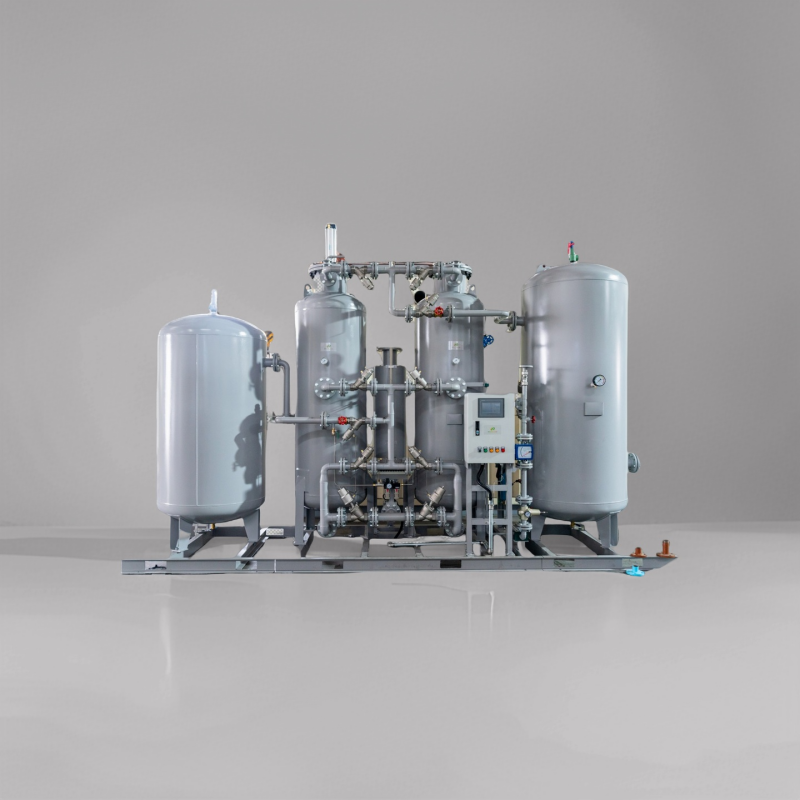
The complexity of modern industrial nitrogen generators necessitates comprehensive safety protocols that address multiple risk factors. From pressure vessel integrity to electrical safety systems, these machines operate under demanding conditions that require robust engineering solutions. Manufacturing facilities depend on these systems for continuous production, making safety compliance not just a regulatory requirement but a business imperative that directly impacts operational continuity and worker wellbeing.
Regulatory bodies worldwide have established detailed frameworks governing the design, installation, and operation of industrial nitrogen generators. These standards encompass mechanical safety, electrical protection, environmental considerations, and operational procedures. Companies investing in these systems must navigate a complex landscape of international standards, local regulations, and industry-specific requirements to ensure full compliance and optimal safety performance.
Regulatory Framework for Industrial Nitrogen Generator Safety
International Safety Standards and Certifications
The global regulatory environment for industrial nitrogen generators is governed by several key international standards that establish minimum safety requirements. The International Organization for Standardization has developed comprehensive guidelines that address mechanical design, electrical systems, and operational safety protocols. These standards serve as the foundation for national regulations and provide manufacturers with clear benchmarks for product development and testing procedures.
Pressure vessel standards play a particularly critical role in the safety certification of industrial nitrogen generators, as these systems operate under significant internal pressure. The ASME Boiler and Pressure Vessel Code in North America and the Pressure Equipment Directive in Europe establish rigorous requirements for vessel design, material selection, welding procedures, and testing protocols. Compliance with these standards ensures that pressure-containing components can safely withstand operational stresses and emergency conditions.
Electrical safety certifications are equally important, as industrial nitrogen generators incorporate sophisticated control systems, sensors, and automation components. International Electrotechnical Commission standards define requirements for electrical enclosures, grounding systems, emergency shutdown procedures, and protection against electrical hazards. These certifications are essential for ensuring safe operation in industrial environments where electrical safety is paramount.
Regional Compliance Requirements
Regional regulatory bodies have developed specific compliance frameworks that industrial nitrogen generators must satisfy for legal operation within their jurisdictions. In the United States, the Occupational Safety and Health Administration establishes workplace safety requirements that directly impact how these systems are installed and operated. European Union directives provide comprehensive safety requirements that must be met before equipment can receive CE marking and enter the European market.
Asian markets have increasingly developed sophisticated regulatory frameworks for industrial equipment safety, with countries like Japan, South Korea, and Singapore implementing stringent certification processes. These regional requirements often incorporate international standards while addressing specific local conditions, environmental factors, and industrial practices. Manufacturers must demonstrate compliance with these diverse regulatory requirements through extensive testing and documentation processes.
The complexity of regional compliance is further increased by industry-specific regulations that may apply to particular applications of industrial nitrogen generators. Food and beverage industries, pharmaceutical manufacturing, and chemical processing sectors often have additional safety requirements that go beyond general industrial equipment standards. Understanding these specialized requirements is essential for proper system selection and installation.
Pressure System Safety Standards
Pressure Vessel Design Requirements
Pressure vessel safety represents one of the most critical aspects of industrial nitrogen generator design and operation. These systems typically operate at pressures ranging from 80 to 150 PSI, requiring robust vessel construction that can safely contain high-pressure nitrogen gas. Design standards mandate specific material grades, wall thickness calculations, and stress analysis procedures to ensure vessels can withstand both normal operating conditions and potential overpressure scenarios.
Material selection for pressure vessels in industrial nitrogen generators must meet stringent quality requirements that address corrosion resistance, temperature stability, and mechanical strength. Carbon steel and stainless steel are commonly specified materials, each requiring different welding procedures and heat treatment processes. The certification process includes detailed material traceability, mechanical testing, and non-destructive examination to verify that vessel construction meets design specifications.
Fabrication standards for pressure vessels incorporate rigorous quality control measures that extend throughout the manufacturing process. Welding procedures must be qualified according to recognized standards, with welders certified for specific materials and joint configurations. Post-weld heat treatment, pressure testing, and final inspection procedures ensure that completed vessels meet safety requirements before being incorporated into industrial nitrogen generators.
Pressure Relief and Safety Systems
Pressure relief systems are mandatory safety components that protect industrial nitrogen generators from dangerous overpressure conditions. Safety valves must be properly sized, installed, and maintained to ensure they can adequately relieve excess pressure while maintaining system integrity. These devices are typically set to activate at pressures slightly above normal operating levels but well below the maximum allowable working pressure of the system.
Modern industrial nitrogen generators incorporate multiple layers of pressure protection, including primary safety valves, secondary relief devices, and automated pressure monitoring systems. Redundant safety systems provide backup protection in case primary devices fail or become compromised. These multi-layered approaches significantly reduce the risk of catastrophic pressure-related failures that could endanger personnel or damage equipment.
Regular testing and maintenance of pressure relief systems are essential for maintaining safety compliance throughout the operational life of industrial nitrogen generators. Testing schedules must comply with regulatory requirements and manufacturer recommendations, typically involving periodic valve lifting tests, inspection of relief valve settings, and verification of pressure monitoring system accuracy. Documentation of these maintenance activities is required for regulatory compliance and insurance purposes.
Electrical Safety and Control Systems
Electrical Enclosure and Grounding Standards
Electrical safety systems in industrial nitrogen generators must meet comprehensive standards that address both personnel protection and equipment reliability. Electrical enclosures must provide appropriate protection against environmental conditions, unauthorized access, and electrical hazards. National Electrical Code requirements specify enclosure ratings, installation procedures, and maintenance practices that ensure safe electrical operation in industrial environments.
Proper grounding systems are fundamental to electrical safety in industrial nitrogen generators, providing protection against electrical faults and reducing the risk of equipment damage. Grounding requirements include equipment grounding, system grounding, and lightning protection measures that must be designed and installed according to recognized electrical standards. These systems require regular inspection and testing to ensure continued effectiveness throughout the equipment lifecycle.
Circuit protection devices play a crucial role in preventing electrical hazards and equipment damage in industrial nitrogen generators. Overcurrent protection, ground fault protection, and arc fault protection systems must be properly coordinated to provide selective protection that isolates faults without unnecessarily disrupting system operation. These protective devices require periodic testing and calibration to maintain their protective capabilities.
Control System Safety Features
Modern industrial nitrogen generators incorporate sophisticated control systems that monitor operating parameters and automatically respond to abnormal conditions. These control systems must meet safety integrity level requirements that ensure reliable operation under all operating conditions. Redundant sensors, backup control systems, and fail-safe operating modes provide multiple layers of protection against control system failures.
Emergency shutdown systems are mandatory safety features that enable rapid system shutdown in response to dangerous conditions. These systems must be designed to function independently of normal control systems and provide immediate response to emergency situations. Manual emergency stops, automatic shutdown triggers, and remote shutdown capabilities ensure that operators can quickly secure the system when necessary.
Alarm systems and operator interfaces provide critical safety information that enables appropriate response to changing operating conditions. Visual and audible alarms must be clearly distinguishable and provide sufficient information for operators to take appropriate corrective actions. Human-machine interface design must follow ergonomic principles that reduce operator error and improve safety performance.
Installation and Operational Safety Protocols
Site Preparation and Installation Requirements
Proper site preparation is essential for the safe installation and operation of industrial nitrogen generators. Site requirements include adequate ventilation, appropriate foundation design, and sufficient clearances for maintenance access. Environmental considerations such as temperature control, humidity management, and protection from weather conditions must be addressed during the planning phase to ensure optimal system performance and longevity.
Installation procedures for industrial nitrogen generators must follow manufacturer specifications and applicable safety standards. Qualified installation teams must have appropriate training and certification to work with high-pressure systems and electrical components. Installation documentation must include detailed records of all connections, testing procedures, and safety system verification to ensure proper commissioning and future maintenance activities.
Commissioning procedures for industrial nitrogen generators involve comprehensive testing of all safety systems and operational parameters. Pressure testing, electrical system verification, and control system calibration must be completed before the system enters service. Safety system testing includes verification of pressure relief devices, emergency shutdown systems, and alarm functions to ensure they operate correctly under actual operating conditions.
Training and Operational Procedures
Operator training is a critical component of safety management for industrial nitrogen generators, as proper operation directly impacts system safety and reliability. Training programs must cover system operation, routine maintenance procedures, emergency response protocols, and hazard recognition. Operators must demonstrate competency in both normal operations and emergency situations before being authorized to work independently with the equipment.
Standard operating procedures provide detailed guidance for safe operation of industrial nitrogen generators under various conditions. These procedures must address startup and shutdown sequences, routine monitoring activities, and response protocols for abnormal conditions. Regular review and updating of operating procedures ensures they remain current with equipment modifications, regulatory changes, and lessons learned from operational experience.
Documentation requirements for industrial nitrogen generators include maintaining detailed records of operations, maintenance activities, and safety system testing. These records are essential for regulatory compliance, warranty protection, and troubleshooting support. Digital documentation systems can improve record keeping accuracy and provide easier access to critical information during emergencies or regulatory inspections.
Maintenance and Inspection Standards
Preventive Maintenance Requirements
Preventive maintenance programs are essential for maintaining the safety and reliability of industrial nitrogen generators throughout their operational life. Maintenance schedules must follow manufacturer recommendations and regulatory requirements that address critical components such as pressure vessels, safety systems, and control equipment. Regular maintenance activities help identify potential problems before they develop into safety hazards or cause system failures.
Component-specific maintenance procedures must address the unique requirements of different system elements in industrial nitrogen generators. Compressor maintenance, filter replacement, and valve servicing require specialized procedures and qualified personnel. Safety-critical components such as pressure relief valves and emergency shutdown systems require particularly careful attention during maintenance activities to ensure continued protection.
Maintenance documentation must provide complete records of all service activities, including parts replacement, system modifications, and testing results. These records are essential for tracking component life cycles, identifying recurring problems, and demonstrating regulatory compliance. Digital maintenance management systems can improve record keeping and provide automated scheduling for critical maintenance activities.
Inspection and Testing Protocols
Regular inspection programs for industrial nitrogen generators must address both internal and external components that affect system safety and performance. Visual inspections can identify external damage, corrosion, and wear that may compromise system integrity. Internal inspections require system shutdown and may involve specialized inspection techniques such as ultrasonic testing or radiographic examination.
Non-destructive testing methods are commonly used to evaluate the condition of pressure-containing components in industrial nitrogen generators. Ultrasonic thickness measurements can detect wall thinning, while magnetic particle testing can identify surface cracks or other defects. These testing methods provide valuable information about component condition without requiring destructive disassembly of system components.
Testing schedules for safety systems must comply with regulatory requirements and manufacturer recommendations. Pressure relief valve testing, emergency shutdown system verification, and alarm system testing are typically required on annual or semi-annual schedules. Test procedures must be carefully planned to minimize system downtime while ensuring thorough verification of safety system performance.
FAQ
What are the main safety certifications required for industrial nitrogen generators
Industrial nitrogen generators must obtain several key safety certifications depending on their intended application and geographic location. Pressure vessel certifications such as ASME compliance are mandatory for systems containing pressurized components. Electrical safety certifications from recognized testing laboratories ensure compliance with electrical safety standards. Additional certifications may be required for specific industries such as food processing or pharmaceutical manufacturing, where specialized safety requirements apply.
How often should safety systems be tested on industrial nitrogen generators
Safety system testing frequencies are typically specified by regulatory requirements and manufacturer recommendations. Pressure relief valves generally require annual testing and calibration to ensure proper operation. Emergency shutdown systems and alarm functions should be tested monthly or quarterly depending on system criticality. Control system safety functions may require more frequent verification, potentially during each routine maintenance cycle, to ensure continued reliability and compliance with safety standards.
What training is required for operators of industrial nitrogen generators
Operators of industrial nitrogen generators must receive comprehensive training covering system operation, safety procedures, and emergency response protocols. Initial training should include hands-on instruction with the specific equipment model, covering normal startup and shutdown procedures, routine monitoring tasks, and recognition of abnormal conditions. Ongoing training requirements may include annual refresher courses, updates for system modifications, and specialized training for maintenance activities that operators may perform.
What are the consequences of non-compliance with safety standards for industrial nitrogen generators
Non-compliance with safety standards for industrial nitrogen generators can result in serious legal, financial, and operational consequences. Regulatory violations may result in fines, shutdown orders, and legal liability for workplace injuries or property damage. Insurance coverage may be voided if equipment is not properly certified or maintained according to applicable standards. Beyond regulatory consequences, safety violations can lead to equipment failures, production disruptions, and significant repair costs that far exceed the investment required for proper compliance.
Table of Contents
- Regulatory Framework for Industrial Nitrogen Generator Safety
- Pressure System Safety Standards
- Electrical Safety and Control Systems
- Installation and Operational Safety Protocols
- Maintenance and Inspection Standards
-
FAQ
- What are the main safety certifications required for industrial nitrogen generators
- How often should safety systems be tested on industrial nitrogen generators
- What training is required for operators of industrial nitrogen generators
- What are the consequences of non-compliance with safety standards for industrial nitrogen generators