 EN
EN
Electronics manufacturing demands exceptional precision at every stage, from semiconductor fabrication to component assembly. One critical factor that often determines success or failure in these processes is the quality of the atmospheric environment, specifically the purity level of nitrogen gas used throughout production. The difference between standard industrial-grade nitrogen and 99.999% purity nitrogen can mean the difference between flawless products and costly defects. In today's competitive electronics market, manufacturers cannot afford to compromise on gas purity standards, as even trace contaminants can lead to product failures, reduced yields, and significant financial losses.
Understanding Nitrogen Purity Standards in Electronics Manufacturing
Defining Ultra-High Purity Nitrogen Specifications
The electronics industry operates under stringent purity requirements that far exceed those of most other industrial applications. When we discuss 99.999% purity nitrogen, we are referring to nitrogen gas containing less than 10 parts per million of total impurities. This ultra-high purity grade, often designated as Grade 5.0, represents the gold standard for critical electronics manufacturing processes. The remaining 0.001% may consist of oxygen, moisture, carbon dioxide, hydrocarbons, and other trace gases that must be carefully controlled and monitored.
Manufacturing facilities typically measure nitrogen purity using sophisticated analytical instruments capable of detecting impurities at the parts-per-billion level. These measurements are crucial because even minute concentrations of contaminants can interfere with delicate manufacturing processes. The specification for 99.999% purity nitrogen typically includes maximum allowable levels for specific contaminants: oxygen below 3 ppm, moisture below 3 ppm, carbon monoxide below 1 ppm, carbon dioxide below 1 ppm, and total hydrocarbons below 1 ppm.
Industry Standards and Certification Requirements
Electronics manufacturers must comply with various international standards that specify nitrogen purity requirements for different applications. The International Organization for Standardization provides guidelines through ISO 14175 and other relevant standards that define gas purity classes for industrial applications. These standards ensure consistency across global supply chains and help manufacturers maintain quality control throughout their production processes.
Certification bodies regularly audit nitrogen suppliers to verify that their products meet the stringent requirements for 99.999% purity nitrogen. This certification process includes extensive testing, documentation review, and ongoing monitoring to ensure consistent quality delivery. Manufacturers often require their nitrogen suppliers to provide detailed certificates of analysis with each delivery, documenting the exact purity levels and contaminant concentrations measured during production and packaging.
Critical Applications Requiring Ultra-High Purity Nitrogen
Semiconductor Wafer Processing and Fabrication
Semiconductor fabrication represents one of the most demanding applications for 99.999% purity nitrogen in the electronics industry. During wafer processing, nitrogen serves multiple critical functions including creating inert atmospheres for chemical vapor deposition, providing carrier gas for dopant introduction, and maintaining contamination-free environments during lithography processes. Any impurities in the nitrogen supply can directly impact device performance, causing defects that may not become apparent until final testing or field deployment.
The economic impact of using lower-purity nitrogen in semiconductor manufacturing can be devastating. A single contaminated wafer lot can result in losses exceeding hundreds of thousands of dollars, not including the costs associated with production delays, rework, and potential customer returns. Leading semiconductor manufacturers have therefore established strict protocols requiring 99.999% purity nitrogen for all critical process steps, with real-time monitoring systems to detect any deviation from specified purity levels.
Surface Mount Technology and Component Assembly
Surface mount technology assembly processes rely heavily on controlled atmospheres to prevent oxidation and ensure proper solder joint formation. During reflow soldering, 99.999% purity nitrogen creates an oxygen-free environment that prevents the formation of metal oxides on component surfaces and solder paste. This controlled atmosphere is essential for achieving reliable electrical connections and preventing cold solder joints that could lead to field failures.
The use of ultra-high purity nitrogen in SMT processes also extends component shelf life and reduces the need for expensive plasma cleaning or other surface preparation steps. Manufacturers have documented significant improvements in first-pass yield rates when upgrading from lower-purity nitrogen to 99.999% purity specifications. These yield improvements typically result in cost savings that exceed the additional expense of higher-purity gas within the first year of implementation.
Contamination Risks and Their Impact on Product Quality
Oxygen and Moisture Contamination Effects
Oxygen contamination in nitrogen supplies poses serious risks to electronics manufacturing processes, particularly those involving high-temperature operations or reactive materials. Even trace amounts of oxygen can cause oxidation of metal surfaces, leading to poor adhesion of thin films, compromised electrical conductivity, and premature device failure. The effects of oxygen contamination are often cumulative, building up over multiple process steps to create significant quality issues.
Moisture contamination presents equally serious challenges, as water vapor can hydrolyze sensitive materials, cause corrosion of metallic components, and interfere with plasma processes used in semiconductor fabrication. The hygroscopic nature of many electronic materials means that even brief exposure to elevated moisture levels can permanently compromise device performance. Maintaining 99.999% purity nitrogen with moisture levels below 3 ppm is essential for preventing these moisture-related defects.
Hydrocarbon and Particulate Contamination Consequences
Hydrocarbon contamination in nitrogen supplies can have subtle but devastating effects on electronics manufacturing processes. These organic compounds can deposit on surfaces during high-temperature processes, creating insulating layers that interfere with electrical performance. In plasma processes, hydrocarbons can polymerize to form stubborn residues that are difficult to remove and can cause process drift over time.
Particulate contamination, while not directly related to nitrogen purity percentage, often accompanies lower-quality nitrogen supplies due to inadequate filtration systems. These particles can cause short circuits, interfere with lithographic processes, and create nucleation sites for contamination growth. The combination of chemical purity and particulate cleanliness makes 99.999% purity nitrogen systems essential for maintaining the ultra-clean environments required in modern electronics manufacturing.
Economic Benefits of Implementing High-Purity Nitrogen Systems
Yield Improvement and Defect Reduction
The economic justification for investing in 99.999% purity nitrogen systems becomes clear when analyzing the relationship between gas purity and manufacturing yields. Industry studies consistently demonstrate that facilities using ultra-high purity nitrogen experience significantly higher first-pass yields compared to those using lower-grade alternatives. These yield improvements translate directly to reduced material costs, lower labor expenses, and increased throughput capacity.
Defect reduction represents another major economic benefit of implementing high-purity nitrogen systems. By eliminating contamination sources that cause subtle but persistent quality issues, manufacturers can reduce warranty returns, improve customer satisfaction, and protect their brand reputation. The cost of field failures often exceeds the manufacturing cost of the original product by orders of magnitude, making defect prevention through proper nitrogen purity a critical business investment.
Long-Term Cost Analysis and Return on Investment
While the initial investment in 99.999% purity nitrogen generation systems may appear substantial, comprehensive cost analysis typically reveals attractive returns within 18-24 months of implementation. These systems eliminate the ongoing costs of purchasing bottled nitrogen, reduce delivery logistics expenses, and provide greater control over supply security. The ability to generate nitrogen on-demand also eliminates waste associated with tank rentals and reduces inventory carrying costs.
Energy efficiency improvements in modern nitrogen generation systems have further enhanced their economic attractiveness. Advanced pressure swing adsorption technologies can produce 99.999% purity nitrogen at significantly lower energy costs than previous generation systems. When combined with reduced transportation costs and improved process reliability, these systems often provide total cost of ownership savings exceeding 40% compared to traditional bottled nitrogen supply arrangements.
Technology Solutions for Achieving Ultra-High Purity Nitrogen
Pressure Swing Adsorption Technology Advances
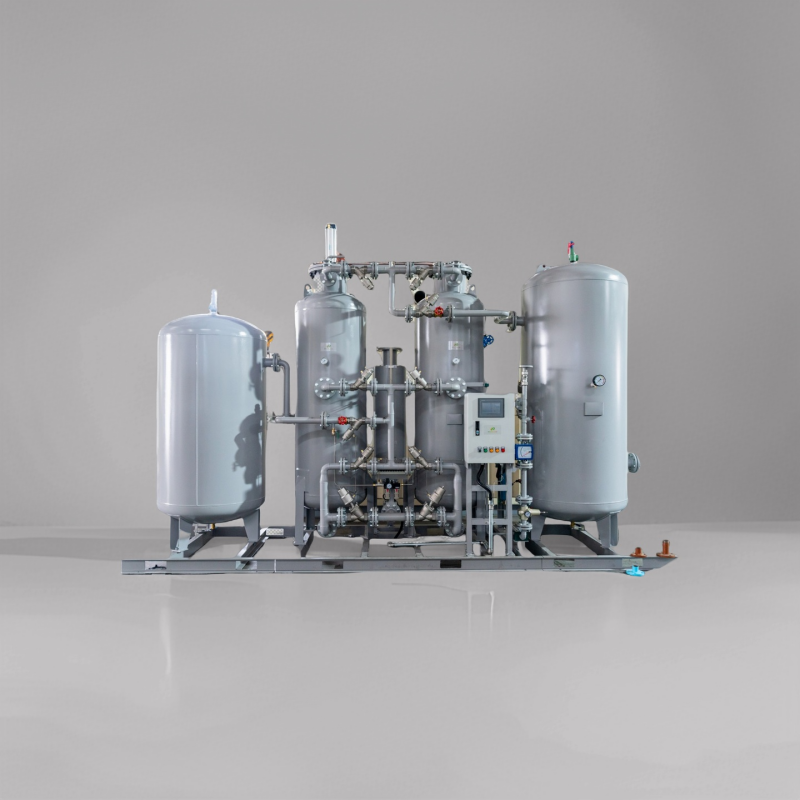
Modern pressure swing adsorption systems have evolved to deliver consistent 99.999% purity nitrogen with exceptional reliability and efficiency. These systems utilize advanced molecular sieve materials and sophisticated control algorithms to separate nitrogen from atmospheric air while maintaining strict purity specifications. The latest generation of PSA systems incorporates real-time purity monitoring and automatic adjustment capabilities to ensure consistent output quality regardless of ambient conditions or feed air variations.
The modular design of contemporary PSA nitrogen generators allows manufacturers to scale their nitrogen production capacity as their operations expand. This scalability is particularly valuable for growing electronics companies that need to maintain consistent 99.999% purity nitrogen supplies while managing capital expenditure constraints. Advanced systems also feature predictive maintenance capabilities that minimize downtime and ensure continuous availability of high-purity nitrogen for critical manufacturing processes.
Quality Control and Monitoring Systems
Maintaining 99.999% purity nitrogen requires sophisticated monitoring and control systems that can detect minute changes in gas composition and automatically adjust system parameters to maintain specifications. Modern nitrogen generation systems incorporate multiple analytical technologies including oxygen sensors, moisture analyzers, and trace contaminant detectors that provide real-time feedback on gas quality.
Integration with manufacturing execution systems allows nitrogen purity data to be correlated with production outcomes, enabling continuous improvement initiatives and rapid identification of quality issues. These integrated monitoring systems can automatically shut down production processes if nitrogen purity falls below acceptable thresholds, preventing the manufacture of defective products and protecting valuable materials from contamination.
FAQ
What is the difference between 99.999% purity nitrogen and standard industrial nitrogen?
The primary difference lies in the concentration of impurities, with 99.999% purity nitrogen containing less than 10 parts per million of total contaminants compared to several hundred or thousand ppm in standard industrial grades. This ultra-high purity level is achieved through advanced purification processes and strict quality control measures that remove oxygen, moisture, hydrocarbons, and other trace contaminants that could interfere with sensitive electronics manufacturing processes.
How do I verify that my nitrogen supply meets 99.999% purity specifications?
Verification requires specialized analytical equipment capable of detecting impurities at the parts-per-million level, including oxygen analyzers, moisture meters, and gas chromatography systems for hydrocarbon detection. Most manufacturers require certificates of analysis from their nitrogen suppliers and implement continuous monitoring systems with real-time purity measurement capabilities. Regular third-party testing and calibration of monitoring equipment ensures measurement accuracy and compliance with industry standards.
What are the typical applications that require 99.999% purity nitrogen in electronics manufacturing?
Critical applications include semiconductor wafer processing, surface mount technology assembly, wave soldering operations, plasma processing, chemical vapor deposition, and component storage in controlled atmospheres. These processes are particularly sensitive to contamination because even trace amounts of oxygen, moisture, or hydrocarbons can cause defects, reduce yields, or compromise long-term reliability of electronic devices.
Can lower purity nitrogen be upgraded to meet 99.999% specifications?
While it is technically possible to purify lower-grade nitrogen using additional filtration and purification stages, this approach is typically not economically viable for continuous production requirements. The most cost-effective solution is usually to implement a dedicated nitrogen generation system designed to produce 99.999% purity nitrogen directly from atmospheric air, providing better control over quality, availability, and long-term costs compared to upgrading purchased nitrogen supplies.
Table of Contents
- Understanding Nitrogen Purity Standards in Electronics Manufacturing
- Critical Applications Requiring Ultra-High Purity Nitrogen
- Contamination Risks and Their Impact on Product Quality
- Economic Benefits of Implementing High-Purity Nitrogen Systems
- Technology Solutions for Achieving Ultra-High Purity Nitrogen
-
FAQ
- What is the difference between 99.999% purity nitrogen and standard industrial nitrogen?
- How do I verify that my nitrogen supply meets 99.999% purity specifications?
- What are the typical applications that require 99.999% purity nitrogen in electronics manufacturing?
- Can lower purity nitrogen be upgraded to meet 99.999% specifications?