 EN
EN

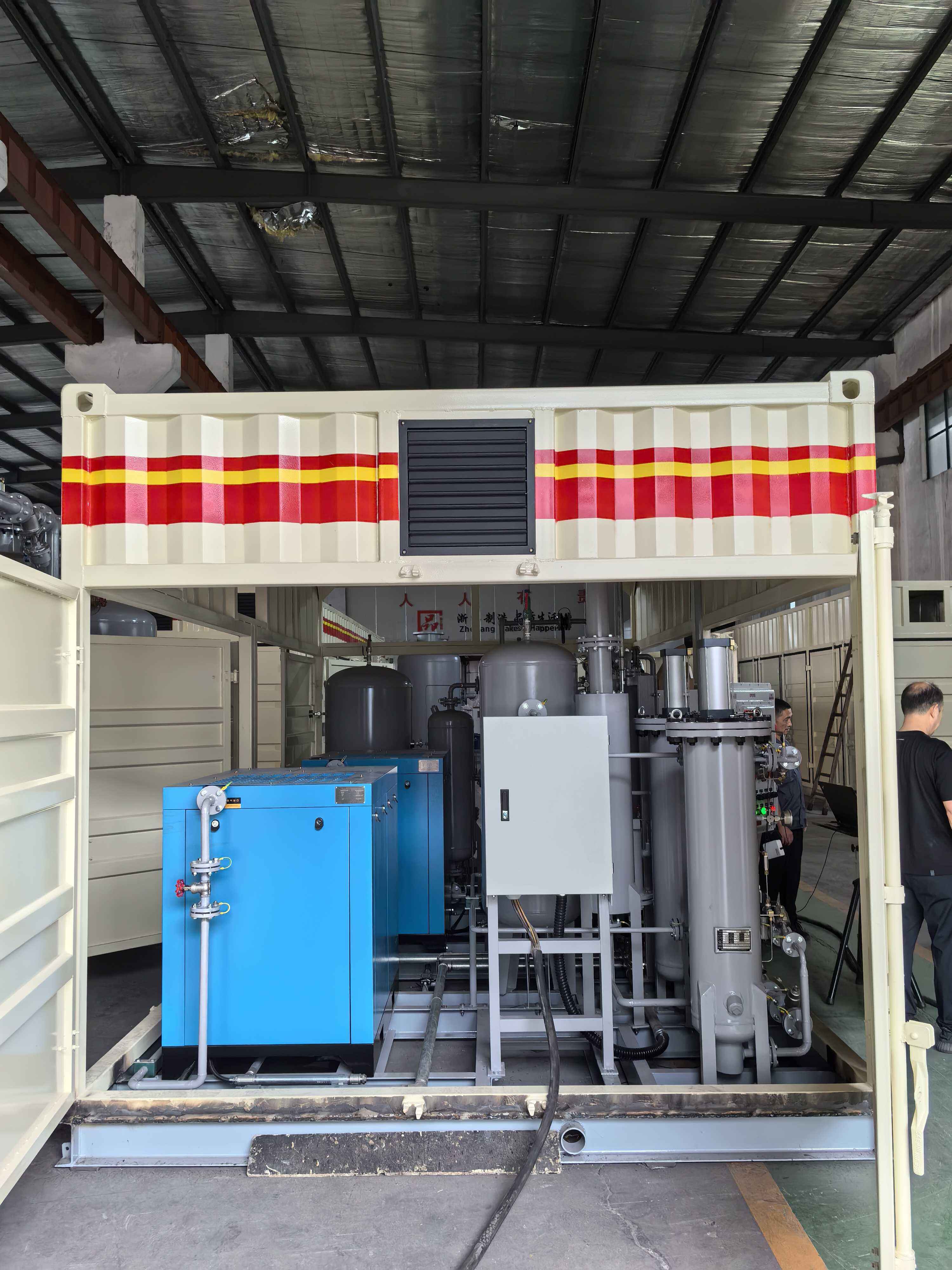
A pressure swing adsorber represents one of the most critical separation technologies in modern industrial processes, enabling engineers to achieve high-purity gas separation through cyclical pressure variations and selective adsorption. This advanced system leverages the differential adsorption characteristics of various gas components on solid adsorbent materials, creating an efficient and cost-effective method for gas purification, separation, and concentration across diverse industrial applications.
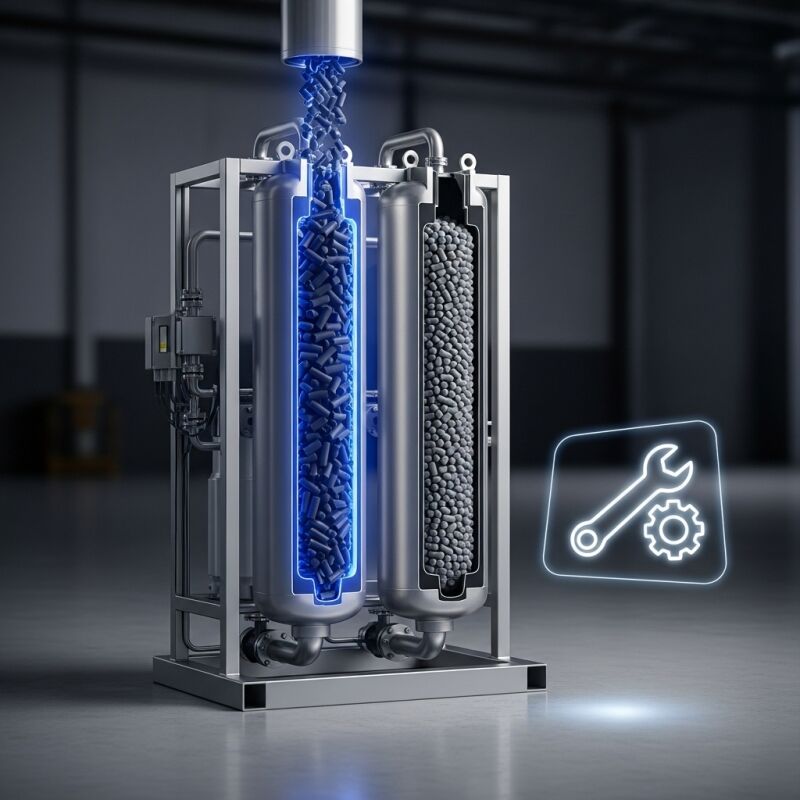
Understanding the fundamental principles and operational mechanics of a pressure swing adsorber is essential for engineers working in chemical processing, petroleum refining, air separation, and gas purification industries. This comprehensive guide explores the core concepts, design considerations, and practical applications that make pressure swing adsorber technology indispensable for achieving precise gas separation requirements in industrial environments.
Fundamental Operating Principles of Pressure Swing Adsorber Systems
Adsorption Mechanism and Thermodynamic Foundation
The pressure swing adsorber operates based on the principle that different gas molecules exhibit varying adsorption affinities when exposed to solid adsorbent materials under specific pressure and temperature conditions. During the high-pressure adsorption phase, target gas components with stronger molecular attraction to the adsorbent material become preferentially adsorbed onto the solid surface, while less adsorbable components pass through as the product stream.
The thermodynamic driving force behind pressure swing adsorber operation relies on the relationship between adsorption capacity and system pressure, as described by adsorption isotherms. When system pressure increases, the adsorbent material can accommodate higher concentrations of adsorbable components, effectively removing them from the gas stream. Conversely, reducing system pressure decreases the adsorption capacity, enabling desorption and regeneration of the adsorbent bed.
Temperature effects play a secondary but important role in pressure swing adsorber performance, as most adsorption processes are exothermic. The heat of adsorption generated during the high-pressure phase must be properly managed to maintain optimal separation efficiency and prevent thermal degradation of the adsorbent material.
Cyclical Process Phases and Timing Control
A typical pressure swing adsorber operates through four distinct phases: pressurization, adsorption, depressurization, and purge. During pressurization, the adsorbent bed is brought to operating pressure using feed gas or product gas, preparing the system for the adsorption phase. The adsorption phase represents the primary separation period, where feed gas flows through the pressurized bed and target components are selectively removed.
Depressurization involves reducing system pressure to atmospheric or sub-atmospheric levels, causing desorption of previously adsorbed components. The purge phase uses a small portion of product gas or an external purge stream to sweep desorbed impurities from the adsorbent bed, completing the regeneration process and preparing the bed for the next cycle.
Precise timing control of each phase is crucial for optimal pressure swing adsorber performance. Phase duration must be carefully balanced to ensure complete adsorption during the high-pressure phase while allowing sufficient time for thorough regeneration during the low-pressure phases. Advanced control systems monitor bed conditions and adjust cycle timing based on feed composition variations and product purity requirements.
Essential Components and System Architecture
Adsorbent Bed Design and Configuration
The adsorbent bed represents the core component of any pressure swing adsorber system, requiring careful design to optimize gas-solid contact, minimize pressure drop, and ensure uniform flow distribution. Most commercial pressure swing adsorber systems utilize vertical cylindrical vessels with structured adsorbent packing to maximize separation efficiency while minimizing system footprint.
Adsorbent material selection depends on the specific separation requirements, with common options including molecular sieves, activated carbon, silica gel, and specialized synthetic materials. The chosen adsorbent must demonstrate high selectivity for target components, adequate adsorption capacity, mechanical stability under cycling conditions, and resistance to contamination from feed impurities.
Multi-bed configurations are standard in industrial pressure swing adsorber applications, typically employing two to eight beds operating in staggered cycles. This arrangement enables continuous product flow while individual beds undergo regeneration, maintaining steady-state operation and maximizing system utilization efficiency.
Valve Systems and Flow Control Infrastructure
Sophisticated valve systems control the complex flow patterns required for pressure swing adsorber operation, managing feed distribution, product collection, and waste stream handling across multiple beds and process phases. High-performance automatic valves with rapid response times are essential for maintaining precise cycle timing and preventing cross-contamination between process streams.
Flow control infrastructure includes pressure regulation systems, flow measurement devices, and distribution manifolds designed to handle the dynamic pressure and flow variations characteristic of pressure swing adsorber operation. Advanced systems incorporate variable frequency drives and proportional control valves to optimize energy consumption and adapt to changing operating conditions.
Emergency shutdown systems and safety relief mechanisms protect the pressure swing adsorber from overpressure conditions and ensure safe operation during abnormal situations. These systems must be integrated with plant-wide safety systems and comply with relevant industry safety standards and regulations.
Industrial Applications and Performance Characteristics
Gas Separation and Purification Applications
Pressure swing adsorber technology finds extensive application in hydrogen purification, where it removes carbon dioxide, carbon monoxide, methane, and other impurities from steam methane reformer output or other hydrogen-rich streams. The system can achieve hydrogen purities exceeding 99.9% while recovering valuable hydrogen that would otherwise be lost in traditional purification processes.
Nitrogen generation represents another major application area, where pressure swing adsorber systems separate nitrogen from compressed air by preferentially adsorbing oxygen, water vapor, and carbon dioxide. These systems provide on-site nitrogen production capabilities for applications requiring high-purity inert atmospheres, including electronics manufacturing, food packaging, and chemical processing.
Carbon dioxide removal applications utilize pressure swing adsorber technology in natural gas processing, biogas upgrading, and industrial gas treatment. The system selectively removes carbon dioxide while allowing valuable hydrocarbon components to pass through as product, improving gas heating value and meeting pipeline specifications.
Performance Optimization and Efficiency Considerations
Pressure swing adsorber performance depends on multiple interconnected factors, including feed composition, operating pressure ratio, cycle time, temperature, and adsorbent characteristics. Engineers must carefully balance these parameters to achieve desired product purity while maximizing recovery and minimizing energy consumption.
Energy efficiency optimization focuses on minimizing compression power requirements through pressure ratio optimization, heat integration, and advanced cycle configurations such as pressure equalization steps. Modern pressure swing adsorber systems incorporate energy recovery mechanisms that capture and reuse compression energy from depressurizing beds.
Process intensification techniques, including rapid cycle operation, structured adsorbents, and enhanced heat and mass transfer, enable compact pressure swing adsorber designs with improved productivity and reduced capital costs. These advances make pressure swing adsorber technology increasingly attractive for distributed gas processing applications.
Design Considerations and Engineering Guidelines
System Sizing and Capacity Determination
Proper sizing of a pressure swing adsorber system requires comprehensive analysis of feed gas composition, product specifications, and capacity requirements. Engineers must account for variations in feed conditions, seasonal demand fluctuations, and future expansion needs when determining system capacity and configuration.
Adsorbent bed sizing calculations consider adsorption isotherms, mass transfer kinetics, and pressure drop constraints to determine optimal bed dimensions and adsorbent quantity. These calculations must account for the dynamic nature of pressure swing adsorber operation, including the effects of competitive adsorption and thermal cycling on separation performance.
Process simulation and modeling tools help engineers optimize pressure swing adsorber design by predicting system performance under various operating conditions. Advanced models incorporate detailed adsorbent properties, heat and mass transfer correlations, and valve dynamics to provide accurate performance predictions for design validation and troubleshooting.
Integration with Upstream and Downstream Processes
Successful pressure swing adsorber implementation requires careful integration with upstream feed preparation systems and downstream product handling equipment. Feed pretreatment may include compression, cooling, moisture removal, and contaminant elimination to ensure optimal pressure swing adsorber performance and adsorbent life.
Product handling systems must accommodate the variable flow and pressure characteristics of pressure swing adsorber output, potentially including product storage, pressure regulation, and quality monitoring equipment. Waste stream management requires appropriate disposal or treatment systems for desorbed impurities and purge gases.
Control system integration enables coordinated operation between the pressure swing adsorber and related process equipment, optimizing overall plant efficiency and maintaining consistent product quality. Advanced control strategies incorporate feed-forward control, adaptive algorithms, and predictive maintenance capabilities.
Maintenance Requirements and Operational Considerations
Preventive Maintenance Programs and Adsorbent Management
Effective maintenance of pressure swing adsorber systems requires comprehensive programs addressing adsorbent performance monitoring, valve maintenance, and instrumentation calibration. Regular adsorbent performance evaluation helps identify declining separation efficiency and determine optimal replacement timing to maintain product quality and system efficiency.
Adsorbent regeneration and restoration techniques can extend useful life and restore performance in cases of contamination or capacity decline. These procedures may include thermal regeneration, chemical treatment, or mechanical cleaning, depending on the adsorbent type and contamination mechanism.
Valve maintenance programs focus on the high-cycle-count automatic valves that control pressure swing adsorber operation. Regular inspection, lubrication, and seal replacement help prevent valve failures that could compromise system performance or create safety hazards.
Troubleshooting Common Operational Issues
Common pressure swing adsorber operational issues include declining product purity, reduced recovery efficiency, excessive energy consumption, and premature adsorbent degradation. Systematic troubleshooting approaches help identify root causes and implement appropriate corrective actions to restore optimal performance.
Product purity problems often result from adsorbent contamination, improper cycle timing, or feed composition changes. Detailed analysis of product composition trends, cycle parameters, and feed conditions helps isolate the specific cause and guide corrective actions.
Energy consumption optimization involves analyzing compression power requirements, cycle efficiency, and heat integration opportunities. Regular energy audits help identify opportunities for improvement and validate the effectiveness of efficiency enhancement measures.
FAQ
How does a pressure swing adsorber differ from other gas separation technologies?
A pressure swing adsorber operates through cyclical pressure variations and selective adsorption, distinguishing it from membrane separation, cryogenic distillation, or chemical absorption processes. Unlike continuous separation methods, the pressure swing adsorber uses batch-wise regeneration cycles, enabling complete adsorbent regeneration and high-purity product recovery. This approach offers advantages in energy efficiency for moderate-scale applications and provides excellent flexibility in handling varying feed compositions and capacity requirements.
What factors determine the optimal cycle time for a pressure swing adsorber system?
Optimal cycle time for a pressure swing adsorber depends on adsorbent kinetics, mass transfer rates, feed composition, and desired product purity. Shorter cycles may improve productivity but require more frequent valve operations and higher energy consumption, while longer cycles enable more complete adsorption but may reduce system responsiveness. Engineers typically determine optimal cycle time through pilot testing or detailed process modeling, balancing separation efficiency, energy consumption, and equipment durability requirements.
Can pressure swing adsorber systems handle varying feed compositions and flow rates?
Modern pressure swing adsorber systems demonstrate excellent flexibility in handling feed composition and flow rate variations through advanced control strategies and adaptive cycle management. The system can automatically adjust cycle timing, pressure levels, and bed switching sequences to maintain product quality despite feed variations. However, extreme changes in feed composition may require adsorbent replacement or system reconfiguration to ensure optimal performance and prevent adsorbent contamination.
What are the typical energy requirements for pressure swing adsorber operation?
Energy requirements for pressure swing adsorber systems primarily involve compression power for pressurization and auxiliary power for valve operation and control systems. Typical energy consumption ranges from 0.3 to 1.5 kWh per thousand standard cubic feet of product, depending on pressure ratio, recovery efficiency, and system configuration. Advanced systems incorporate energy recovery features such as pressure equalization steps and heat integration to minimize overall energy consumption and improve economic performance.
Table of Contents
- Fundamental Operating Principles of Pressure Swing Adsorber Systems
- Essential Components and System Architecture
- Industrial Applications and Performance Characteristics
- Design Considerations and Engineering Guidelines
- Maintenance Requirements and Operational Considerations
-
FAQ
- How does a pressure swing adsorber differ from other gas separation technologies?
- What factors determine the optimal cycle time for a pressure swing adsorber system?
- Can pressure swing adsorber systems handle varying feed compositions and flow rates?
- What are the typical energy requirements for pressure swing adsorber operation?