 EN
EN

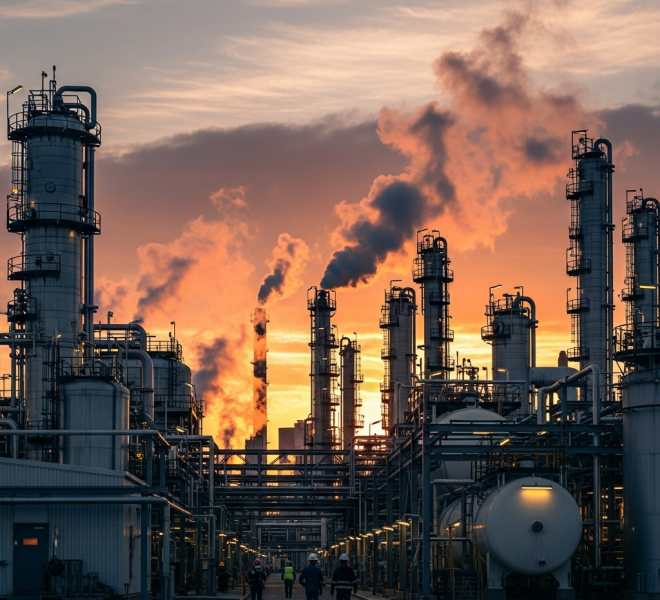
Industrial nitrogen production facilities require comprehensive safety measures to protect personnel, equipment, and surrounding communities. Operating a nitrogen plant involves complex processes that can pose significant risks if proper precautions are not implemented. Understanding and adhering to established nitrogen plant safety protocols ensures operational excellence while minimizing potential hazards. These safety measures encompass everything from personal protective equipment requirements to emergency response procedures, creating a robust framework for secure nitrogen production operations.
Essential Personal Protection Equipment Standards
Respiratory Safety Requirements
Proper respiratory protection forms the cornerstone of nitrogen plant safety protocols in environments where oxygen displacement may occur. Workers must utilize self-contained breathing apparatus or supplied-air respirators when entering confined spaces or areas with potential nitrogen accumulation. Regular fit testing and equipment maintenance ensure optimal protection against asphyxiation risks. Emergency escape breathing devices should remain accessible throughout the facility, providing immediate respiratory support during unexpected nitrogen releases.
Air monitoring systems continuously evaluate atmospheric conditions, triggering alarms when oxygen concentrations drop below safe thresholds. These automated systems integrate with personal monitoring devices worn by plant personnel, creating multiple layers of respiratory protection. Training programs emphasize recognition of oxygen-deficient environments and proper response procedures when atmospheric hazards are detected.
Protective Clothing and Equipment
Specialized protective clothing addresses various hazards present in nitrogen production facilities, including extreme temperatures, chemical exposure, and mechanical risks. Fire-resistant materials protect against flash fires that may occur during maintenance activities or equipment failures. Cold-weather protection becomes essential when working with cryogenic nitrogen systems, preventing frostbite and hypothermia.
Safety footwear with non-slip soles and electrical hazard protection reduces slip-and-fall incidents while providing protection against electrical hazards. Hard hats, safety glasses, and cut-resistant gloves complete the basic personal protective equipment ensemble required for nitrogen plant operations. Regular inspection and replacement of worn equipment maintains protective integrity throughout extended use periods.
Gas Detection and Monitoring Systems
Continuous Atmospheric Monitoring
Advanced gas detection systems provide real-time monitoring of oxygen levels, nitrogen concentrations, and potential contaminants throughout the production facility. Fixed monitoring stations strategically positioned in critical areas continuously analyze atmospheric conditions, transmitting data to central control systems. These systems trigger immediate alarms when gas concentrations exceed predetermined safety thresholds, enabling rapid response to potentially dangerous situations.
Portable gas detectors carried by personnel provide personal protection during routine inspections and maintenance activities. Multi-gas detectors capable of measuring oxygen, combustible gases, and toxic vapors offer comprehensive atmospheric assessment capabilities. Calibration procedures ensure detector accuracy, while regular battery replacement maintains reliable operation during critical safety applications.
Alarm Systems and Response Protocols
Integrated alarm systems utilize visual and audible signals to communicate atmospheric hazards to plant personnel. Different alarm tones indicate specific hazard types, enabling appropriate response measures based on the detected threat. Emergency communication systems maintain contact with external response agencies, ensuring rapid assistance during major incidents.
Response protocols define specific actions required when gas detection alarms activate, including evacuation procedures, emergency ventilation activation, and personnel accountability measures. Regular drills validate response effectiveness while identifying areas for improvement in emergency procedures. Documentation requirements ensure proper incident reporting and regulatory compliance following alarm activations.
Confined Space Entry Procedures
Pre-Entry Safety Assessment
Comprehensive atmospheric testing precedes any confined space entry within nitrogen production facilities, evaluating oxygen content, flammable gas concentrations, and toxic vapor levels. Entry permits document hazard assessments, required protective equipment, and authorized personnel for each confined space entry operation. Continuous monitoring during entry operations ensures atmospheric conditions remain within acceptable safety parameters.
Ventilation systems remove hazardous atmospheres and maintain safe breathing conditions throughout confined space operations. Mechanical ventilation equipment provides continuous air exchange, while emergency ventilation capabilities offer rapid atmosphere clearing during incident responses. Lockout-tagout procedures isolate energy sources and process connections that could introduce hazardous materials during entry activities.
Entry Team Coordination
Trained entry supervisors coordinate all confined space activities, maintaining communication with entry teams and monitoring atmospheric conditions from outside the space. Standby rescue personnel equipped with appropriate rescue equipment remain positioned for immediate response to entry team emergencies. Communication systems enable continuous contact between entry teams and external supervisors throughout the operation.
Retrieval systems allow rapid extraction of entry team members in emergency situations, utilizing mechanical winches or tripod rescue systems as appropriate for the specific confined space configuration. Emergency response procedures define roles and responsibilities for entry team members, standby personnel, and emergency responders during incident situations.
Emergency Response and Evacuation Planning
Emergency Communication Systems
Reliable communication networks ensure immediate notification of emergency situations to all plant personnel and external response agencies. Public address systems provide facility-wide emergency announcements, while personal communication devices enable individual contact with emergency coordinators. Backup communication systems maintain functionality during power outages or primary system failures.
Emergency contact procedures include notification of local fire departments, hazardous materials response teams, and medical emergency services. Automated notification systems reduce response delays while ensuring consistent information transmission during high-stress emergency situations. Regular testing validates communication system reliability and identifies maintenance requirements for optimal performance.
Evacuation Routes and Assembly Points
Clearly marked evacuation routes guide personnel to designated assembly points during emergency situations, accounting for potential atmospheric hazards that may affect certain areas of the facility. Multiple evacuation paths ensure continued egress capability even when primary routes become compromised. Emergency lighting systems maintain visibility during power failures or low-visibility conditions.
Assembly point locations consider prevailing wind patterns and potential gas dispersion scenarios, positioning personnel upwind and at safe distances from the nitrogen production facility. Accountability procedures ensure all personnel reach designated assembly areas, enabling emergency responders to focus rescue efforts on specific individuals or locations as needed.
Equipment Maintenance and Safety Inspections
Preventive Maintenance Programs
Systematic maintenance programs address all safety-critical equipment within nitrogen production facilities, including gas detection systems, emergency ventilation equipment, and personal protective devices. Scheduled maintenance intervals prevent equipment degradation that could compromise safety system performance. Maintenance documentation tracks equipment condition and repair history, supporting reliability analysis and replacement planning.
Qualified technicians perform specialized maintenance on complex safety systems, ensuring proper calibration and functional testing of critical components. Spare parts inventory management maintains availability of essential safety system components, minimizing downtime that could compromise facility safety. Quality assurance procedures verify maintenance work completion and validate restored equipment functionality.
Safety System Testing and Validation
Regular testing programs validate safety system performance under simulated emergency conditions, identifying potential failures before actual emergencies occur. Functional testing includes gas detection system calibration, alarm system verification, and emergency ventilation performance evaluation. Testing documentation provides regulatory compliance evidence while supporting continuous improvement initiatives.
Performance benchmarks establish acceptable safety system response times and detection capabilities, enabling objective evaluation of system effectiveness. Trending analysis identifies degrading performance patterns that may indicate developing equipment problems. Corrective action procedures address identified deficiencies promptly, maintaining optimal safety system performance throughout the facility lifecycle.
Training and Competency Development
Initial Safety Training Requirements
Comprehensive training programs prepare new personnel for safe operations within nitrogen production environments, covering hazard recognition, emergency response procedures, and proper use of safety equipment. Hands-on training components provide practical experience with gas detection equipment, respiratory protection devices, and emergency communication systems. Competency evaluations ensure personnel demonstrate required knowledge and skills before independent work authorization.
Specialized training addresses specific job functions and associated safety requirements, including confined space entry procedures, equipment maintenance safety, and emergency response roles. Training documentation maintains records of completed programs and competency demonstrations, supporting regulatory compliance and personnel development tracking. nitrogen plant safety protocols require ongoing reinforcement through regular training updates and refresher programs.
Ongoing Education and Skills Maintenance
Annual refresher training maintains personnel competency in critical safety procedures while introducing updates to safety protocols and regulatory requirements. Emergency drill participation provides practical experience with response procedures under realistic conditions. Skills assessment programs identify individual training needs and support targeted competency development.
Cross-training initiatives develop backup capabilities for critical safety functions, ensuring continued safety coverage during personnel absences or emergency situations. Advanced training opportunities enable career development while building enhanced safety expertise within the organization. Training effectiveness evaluation measures knowledge retention and identifies areas for program improvement.
Process Safety Management Integration
Hazard Analysis and Risk Assessment
Systematic hazard analysis identifies potential safety risks associated with nitrogen production processes, evaluating likelihood and consequence severity for each identified hazard scenario. Process hazard analysis techniques examine normal operations, maintenance activities, and abnormal operating conditions that could create safety risks. Risk assessment methodologies prioritize hazards based on potential impact, supporting resource allocation for risk mitigation measures.
Layer of protection analysis evaluates existing safety measures and identifies additional protective systems that may be required to achieve acceptable risk levels. Quantitative risk assessment techniques provide objective evaluation of safety system effectiveness and support decision-making regarding additional safety investments. Regular hazard analysis updates incorporate operational experience and lessons learned from industry incidents.
Management of Change Procedures
Formal change management procedures ensure safety considerations receive appropriate attention during facility modifications, process changes, and equipment upgrades. Safety review requirements evaluate potential impacts on existing nitrogen plant safety protocols and identify necessary updates to safety procedures. Change documentation maintains configuration control and supports future safety analyses.
Pre-startup safety reviews validate proper implementation of safety measures associated with facility changes before returning equipment to service. Personnel notification procedures ensure affected workers receive training on modified safety procedures and equipment changes. Change tracking systems maintain visibility of pending modifications and their potential safety implications.
Regulatory Compliance and Documentation
Safety Documentation Requirements
Comprehensive documentation systems maintain records of safety training, equipment inspections, incident investigations, and regulatory compliance activities. Document control procedures ensure current versions of safety procedures remain accessible to plant personnel while maintaining historical records for audit purposes. Electronic document management systems facilitate information retrieval and support efficient regulatory reporting.
Safety performance metrics track key indicators including incident rates, near-miss reports, training completion rates, and equipment reliability statistics. Performance trending analysis identifies improvement opportunities and validates effectiveness of implemented safety measures. Regular reporting provides management visibility into safety program performance and supports resource allocation decisions.
Audit and Inspection Programs
Internal audit programs provide systematic evaluation of nitrogen plant safety protocols implementation and effectiveness, identifying areas for improvement and ensuring consistent application of safety procedures. External inspections by regulatory agencies verify compliance with applicable safety regulations and standards. Audit findings tracking ensures timely resolution of identified deficiencies and prevents recurring compliance issues.
Corrective action programs address audit findings and safety improvement opportunities through systematic problem-solving approaches. Root cause analysis techniques identify underlying factors contributing to safety deficiencies, supporting development of effective corrective measures. Follow-up verification confirms proper implementation of corrective actions and validates their effectiveness in preventing recurrence.
FAQ
What are the most critical safety hazards in nitrogen plant operations
The primary safety hazards in nitrogen plant operations include oxygen displacement leading to asphyxiation, high-pressure system failures, cryogenic exposure risks, and confined space entry dangers. Oxygen displacement occurs when nitrogen gas accumulates in enclosed areas, reducing oxygen concentration below levels necessary to sustain life. Proper gas detection systems, atmospheric monitoring, and respiratory protection protocols provide essential protection against these atmospheric hazards. Regular safety training ensures personnel recognize and respond appropriately to these critical risks.
How often should gas detection equipment be calibrated and tested
Gas detection equipment requires calibration according to manufacturer specifications, typically monthly for fixed systems and before each use for portable detectors. Daily bump testing verifies detector response to target gases, while annual comprehensive calibration ensures accuracy across the full measurement range. Documentation of all calibration activities supports regulatory compliance and equipment reliability programs. Immediate calibration becomes necessary following any incident that may have compromised detector accuracy or following equipment repair activities.
What personal protective equipment is required for nitrogen plant maintenance work
Maintenance work in nitrogen plants requires comprehensive personal protective equipment including respiratory protection appropriate for the atmospheric conditions, fire-resistant clothing, safety footwear with slip-resistant soles, hard hats, safety glasses, and cut-resistant gloves. Cryogenic work requires additional insulated gloves and face protection to prevent frostbite injuries. Confined space entry necessitates full-body harnesses and retrieval equipment. The specific equipment selection depends on the maintenance task, atmospheric conditions, and identified hazards present in the work area.
How should emergency response procedures be tested and validated
Emergency response procedures require regular testing through tabletop exercises, functional drills, and full-scale emergency simulations. Monthly communication tests verify alarm system functionality and personnel response capabilities. Quarterly evacuation drills validate evacuation route effectiveness and assembly procedures. Annual comprehensive emergency exercises test coordination with external response agencies and evaluate overall emergency response effectiveness. Post-drill evaluations identify improvement opportunities and update emergency procedures based on lessons learned during testing activities.
Table of Contents
- Essential Personal Protection Equipment Standards
- Gas Detection and Monitoring Systems
- Confined Space Entry Procedures
- Emergency Response and Evacuation Planning
- Equipment Maintenance and Safety Inspections
- Training and Competency Development
- Process Safety Management Integration
- Regulatory Compliance and Documentation
- FAQ