 EN
EN

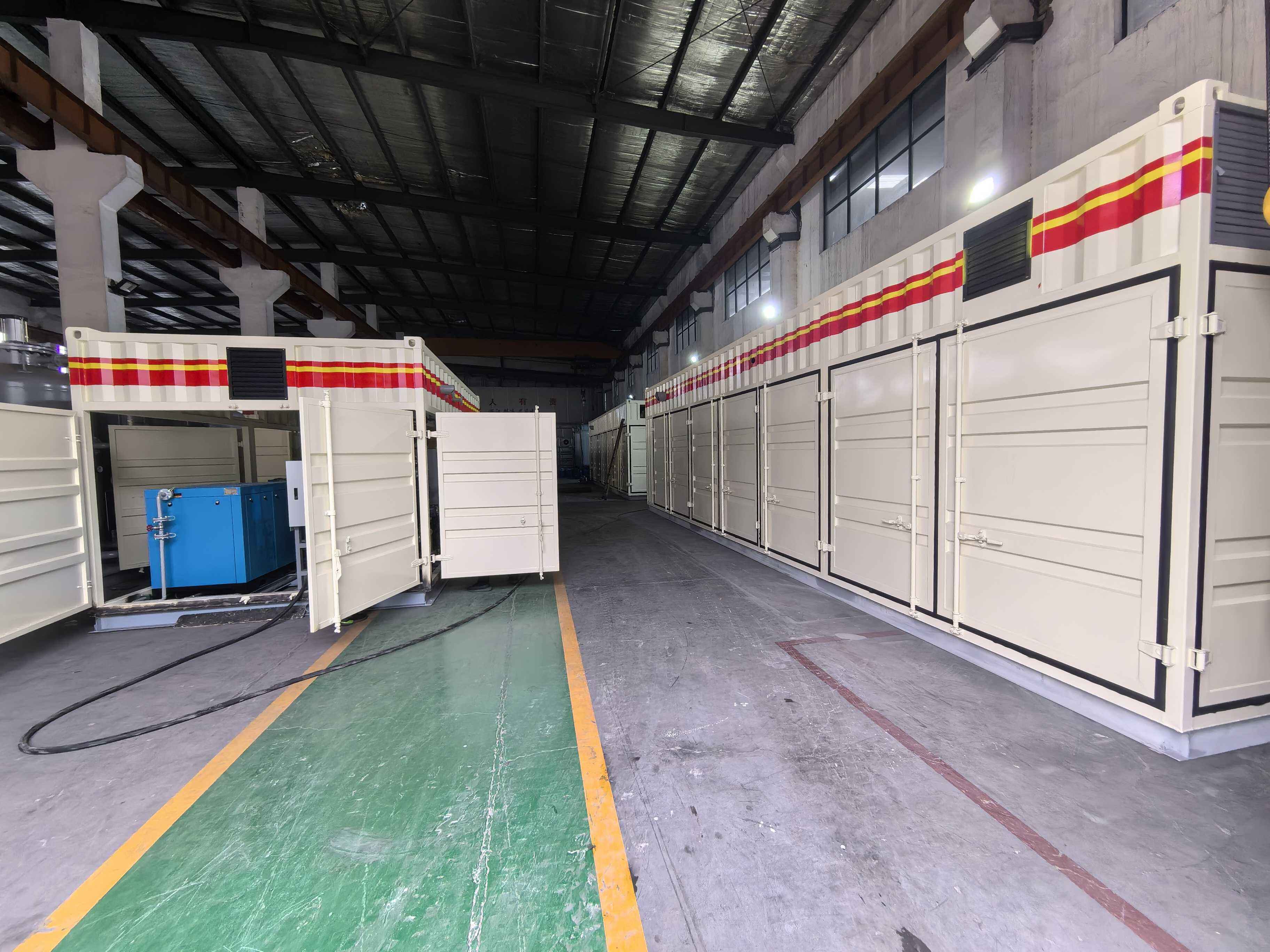
Industrial manufacturing processes across countless sectors rely heavily on nitrogen gas to maintain quality, safety, and efficiency standards. This colorless, odorless, and inert gas comprises approximately 78% of Earth's atmosphere, making it one of the most abundant and accessible industrial gases available. The unique properties of nitrogen gas, including its non-reactive nature and ability to displace oxygen, have made it indispensable in modern industrial operations ranging from food packaging to pharmaceutical manufacturing.
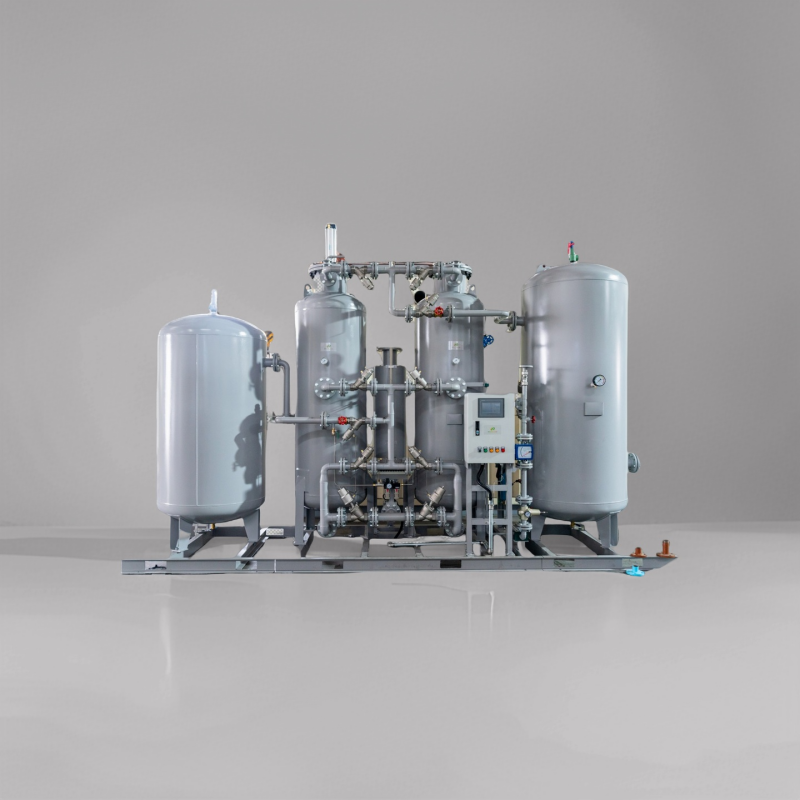
The widespread adoption of nitrogen gas in industrial applications stems from its chemical stability and safety profile. Unlike oxygen or other reactive gases, nitrogen gas remains chemically inert under normal operating conditions, preventing unwanted oxidation reactions that could compromise product quality or create safety hazards. This characteristic has led to its extensive use in applications where maintaining an oxygen-free environment is critical for process success.
Food and Beverage Industry Applications
Modified Atmosphere Packaging
The food packaging industry extensively utilizes nitrogen gas to extend shelf life and preserve product freshness through modified atmosphere packaging (MAP). By replacing oxygen with nitrogen gas inside packaging containers, manufacturers can significantly slow down oxidation processes that lead to food spoilage, rancidity, and color deterioration. This application is particularly valuable for packaging snack foods, fresh produce, and prepared meals where maintaining visual appeal and taste integrity is essential.
Nitrogen gas provides an ideal packaging atmosphere because it does not react with food components or alter taste profiles. The gas effectively prevents the growth of aerobic bacteria and mold while maintaining the original texture and nutritional content of packaged products. Many potato chip manufacturers, for instance, use nitrogen gas to keep their products crisp and prevent the oils from becoming rancid during storage and transportation.
Beverage Production and Storage
Breweries and wineries depend on nitrogen gas to prevent oxidation during various stages of production and storage. The gas serves as a protective blanket over wine and beer during fermentation, aging, and bottling processes, ensuring that unwanted chemical reactions do not compromise flavor profiles or cause off-tastes. Additionally, nitrogen gas helps maintain consistent carbonation levels and prevents the formation of foam during packaging operations.
The beverage industry also uses nitrogen gas for tank purging and cleaning operations between production batches. This application ensures that residual oxygen or contaminants from previous batches do not affect new products, maintaining strict quality control standards that consumers expect from premium beverages.
Electronics and Semiconductor Manufacturing
Cleanroom Environment Maintenance
Semiconductor fabrication facilities require ultra-pure environments where even microscopic contaminants can cause significant product defects. Nitrogen gas plays a crucial role in maintaining these cleanroom environments by providing an inert atmosphere that prevents oxidation of sensitive electronic components during manufacturing processes. The gas helps maintain precise humidity and temperature controls while eliminating particulate contamination.
Manufacturing processes for computer chips, circuit boards, and other electronic components often occur under nitrogen gas blankets to prevent surface oxidation that could interfere with electrical conductivity. The controlled atmosphere also helps maintain consistent processing conditions, resulting in higher yields and improved product reliability across production runs.
Soldering and Wave Soldering Processes
Electronics manufacturers utilize nitrogen gas during soldering operations to create stronger, more reliable solder joints while reducing defect rates. The inert atmosphere prevents the formation of oxides on metal surfaces, allowing solder to flow more smoothly and create better electrical connections. This application is particularly important in surface-mount technology where component miniaturization demands extremely precise soldering techniques.
Wave soldering processes benefit significantly from nitrogen gas atmospheres because the gas reduces dross formation and extends the life of soldering equipment. Manufacturing facilities report substantial cost savings through reduced material waste and lower equipment maintenance requirements when implementing nitrogen gas systems in their soldering operations.
Chemical and Pharmaceutical Industries
Reaction Vessel Inerting
Chemical processing facilities rely on nitrogen gas to create safe operating conditions during potentially hazardous reactions. By displacing oxygen and maintaining an inert atmosphere within reaction vessels, nitrogen gas prevents explosive mixtures and unwanted side reactions that could compromise product quality or worker safety. This application is particularly critical when working with flammable solvents or reactive intermediates.
Pharmaceutical manufacturers use nitrogen gas to maintain product purity during synthesis and formulation processes. The controlled atmosphere prevents degradation of active pharmaceutical ingredients and ensures consistent batch-to-batch quality. Many temperature-sensitive compounds require nitrogen gas protection throughout their entire manufacturing lifecycle to maintain therapeutic efficacy.
Storage Tank Blanketing
Large-scale storage of chemicals and pharmaceutical intermediates often requires nitrogen gas blanketing to prevent contamination and maintain product stability. The gas creates a protective layer above stored liquids, preventing vapor space oxidation and reducing evaporation losses. This application is especially important for storing expensive raw materials where even small amounts of degradation can result in significant financial losses.
Tank blanketing with nitrogen gas also provides important safety benefits by preventing the formation of explosive vapor mixtures. The controlled atmosphere reduces fire and explosion risks while maintaining optimal storage conditions for temperature-sensitive materials that require long-term stability.
Metal Processing and Manufacturing
Heat Treatment Operations
Metal processing industries extensively use nitrogen gas during heat treatment operations to prevent oxidation and scaling of metal surfaces. Annealing, hardening, and tempering processes benefit from nitrogen gas atmospheres that maintain precise metallurgical properties while preventing surface contamination. This application is particularly valuable for producing high-quality steel, aluminum, and specialty alloys that require specific mechanical properties.
Bright annealing processes utilize nitrogen gas to produce shiny, oxide-free metal surfaces that require minimal post-processing. The controlled atmosphere eliminates the need for pickling or mechanical cleaning operations, reducing production costs and environmental impact while improving final product quality.
Welding and Cutting Applications
Welding operations benefit from nitrogen gas shielding that protects weld pools from atmospheric contamination during metal joining processes. The gas prevents porosity and inclusion formation while maintaining consistent penetration characteristics across different metal thicknesses. Plasma cutting systems also utilize nitrogen gas as both a plasma medium and shield gas for producing clean, precise cuts in various metal types.
Stainless steel fabrication particularly benefits from nitrogen gas applications because the controlled atmosphere prevents chromium carbide precipitation that can reduce corrosion resistance. The gas helps maintain the metallurgical integrity of welded joints while ensuring that finished products meet stringent quality specifications for critical applications.
Oil and Gas Industry Applications
Pipeline Purging and Maintenance
Oil and gas companies utilize nitrogen gas for pipeline purging operations that remove oxygen and moisture before introducing hydrocarbons. This application prevents internal corrosion and eliminates explosion risks during maintenance activities. The inert nature of nitrogen gas makes it ideal for displacing flammable vapors and creating safe working conditions for personnel performing pipeline repairs or modifications.
Pressure testing operations often employ nitrogen gas because it provides accurate test results without the safety risks associated with compressed air or hydrocarbon gases. The controlled atmosphere allows technicians to identify leaks and verify system integrity without creating potential ignition sources during testing procedures.
Enhanced Oil Recovery
Enhanced oil recovery techniques increasingly rely on nitrogen gas injection to maintain reservoir pressure and improve hydrocarbon extraction rates. The gas helps displace remaining oil from formation rock while preventing reservoir damage that could reduce long-term production capacity. This application has become particularly important as conventional oil reserves become more difficult to extract economically.
Nitrogen gas flooding operations can significantly extend the productive life of oil wells by maintaining optimal pressure conditions throughout the reservoir. The technique has proven especially effective in mature oil fields where primary recovery methods have become insufficient to maintain economic production rates.
FAQ
What makes nitrogen gas suitable for industrial applications
Nitrogen gas possesses several key properties that make it ideal for industrial use, including chemical inertness, non-flammability, and abundance in the atmosphere. Its ability to displace oxygen while remaining chemically stable under normal operating conditions provides safety and quality benefits across numerous applications. The gas does not react with most materials or chemicals, making it suitable for protecting sensitive products and processes from oxidation or contamination.
How is nitrogen gas typically supplied to industrial facilities
Industrial facilities can obtain nitrogen gas through several supply methods, including on-site generation systems, bulk liquid delivery, or high-pressure gas cylinders. On-site nitrogen generation using pressure swing adsorption (PSA) or membrane technology has become increasingly popular due to cost-effectiveness and supply reliability. The choice of supply method depends on factors such as consumption volume, purity requirements, and operational continuity needs specific to each industrial application.
What purity levels are required for different nitrogen gas applications
Nitrogen gas purity requirements vary significantly depending on the specific industrial application. Food packaging typically requires 99% to 99.5% purity, while electronics manufacturing may demand 99.999% or higher purity levels. Chemical processing applications generally need purity levels between 95% and 99.9%, depending on the sensitivity of the processes involved. Higher purity nitrogen gas typically costs more but provides better protection for critical applications where contamination could cause significant quality or safety issues.
Are there environmental considerations when using nitrogen gas industrially
Nitrogen gas is considered environmentally friendly because it is a natural component of the atmosphere and does not contribute to ozone depletion or greenhouse gas effects. However, industrial users should consider energy consumption associated with nitrogen gas production and delivery methods. On-site generation systems often provide environmental benefits by reducing transportation requirements and associated carbon emissions. Proper handling and waste minimization practices help ensure that nitrogen gas applications support sustainable manufacturing operations while maintaining process effectiveness.