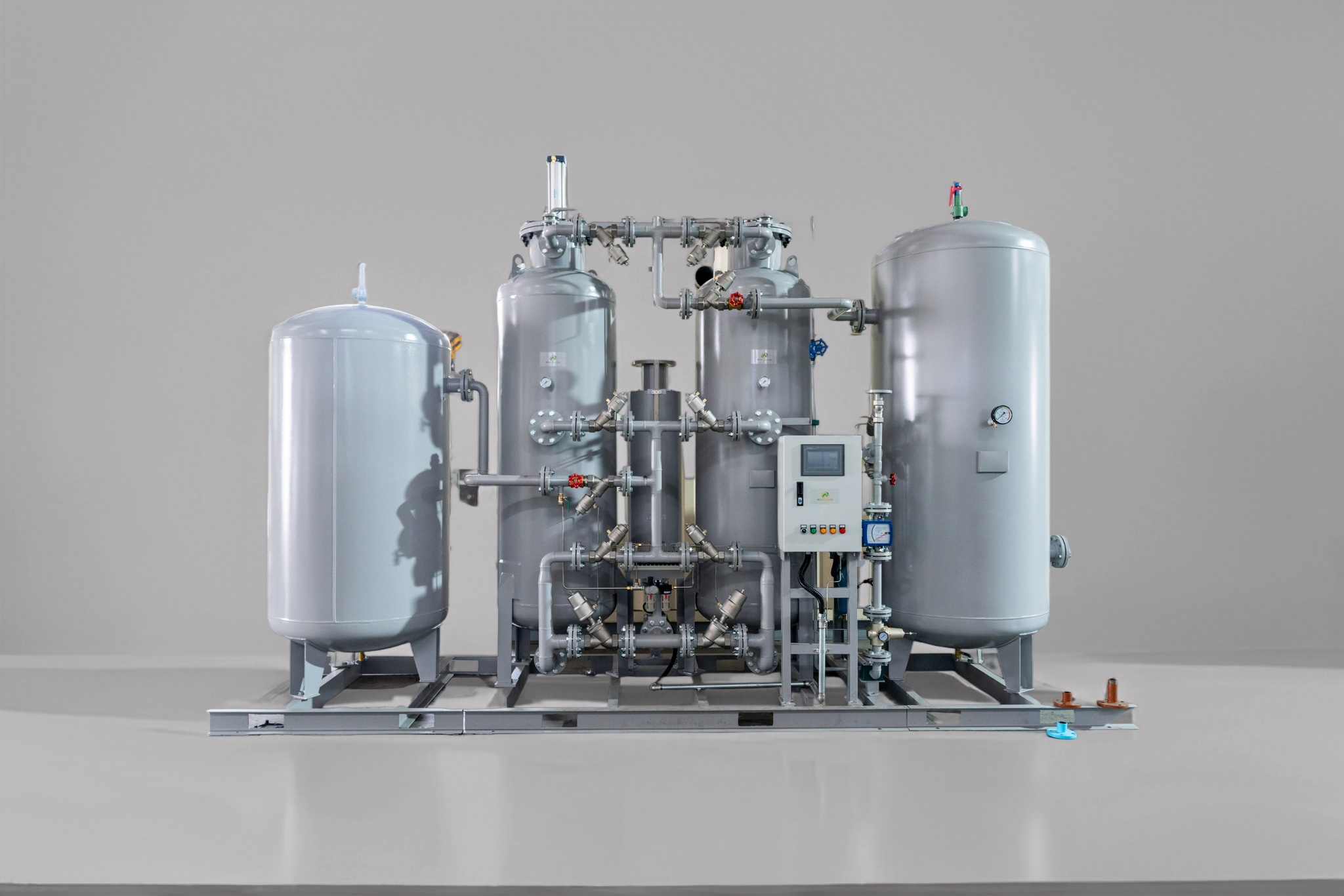
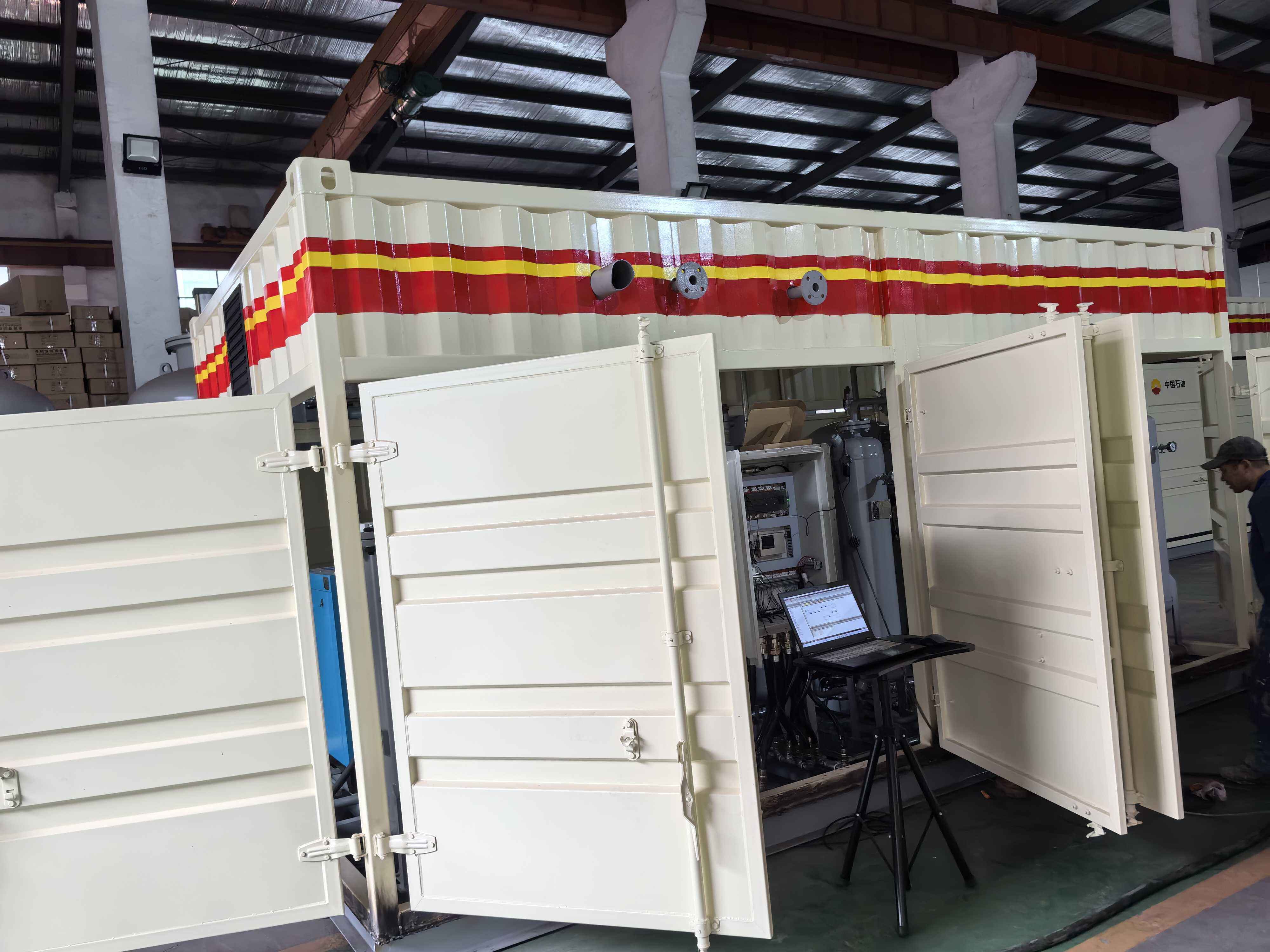
pressure adsorption swing
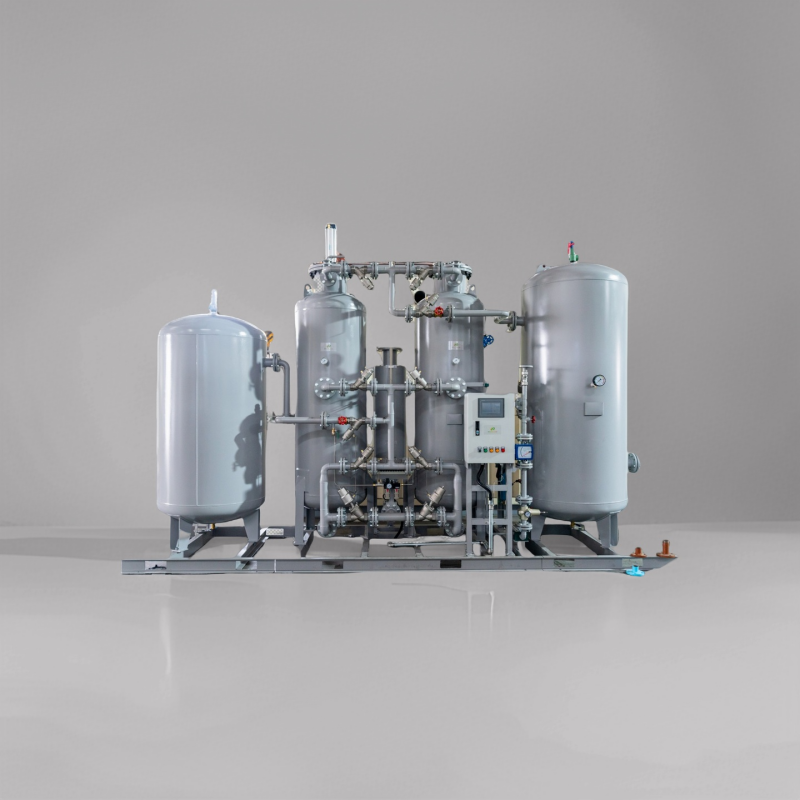
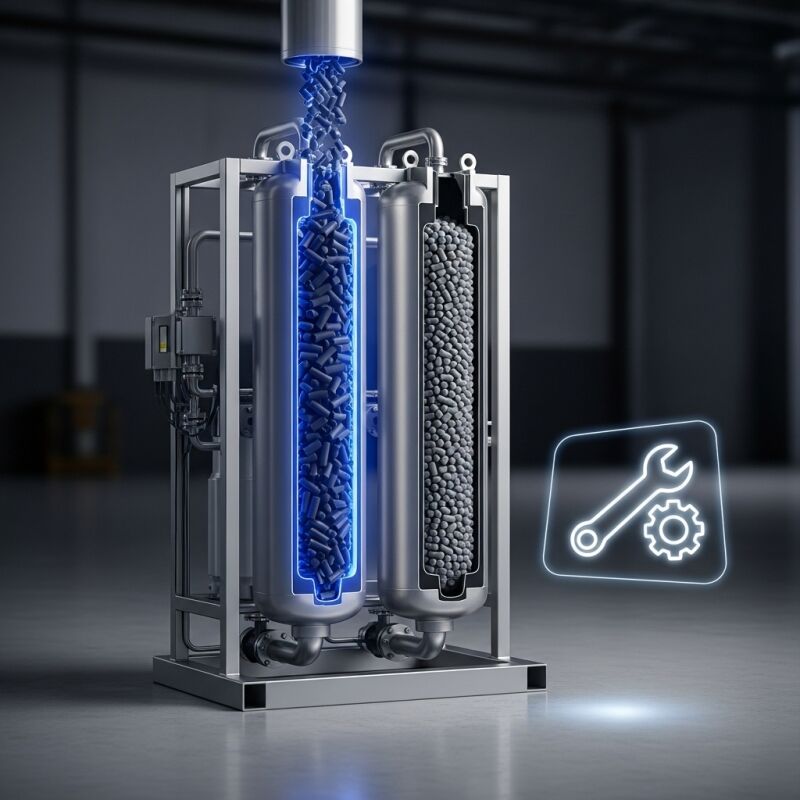
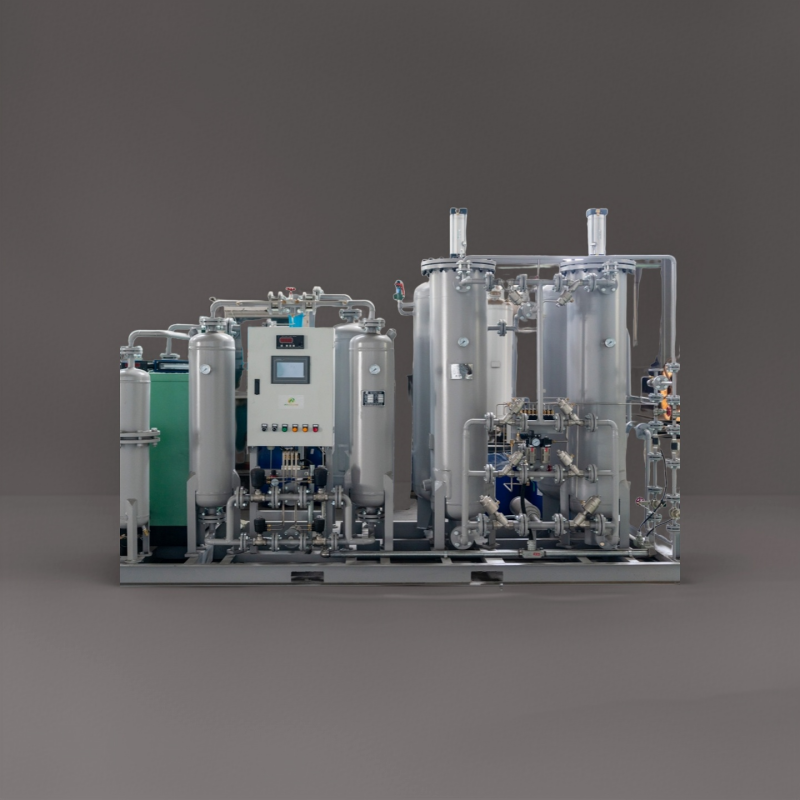
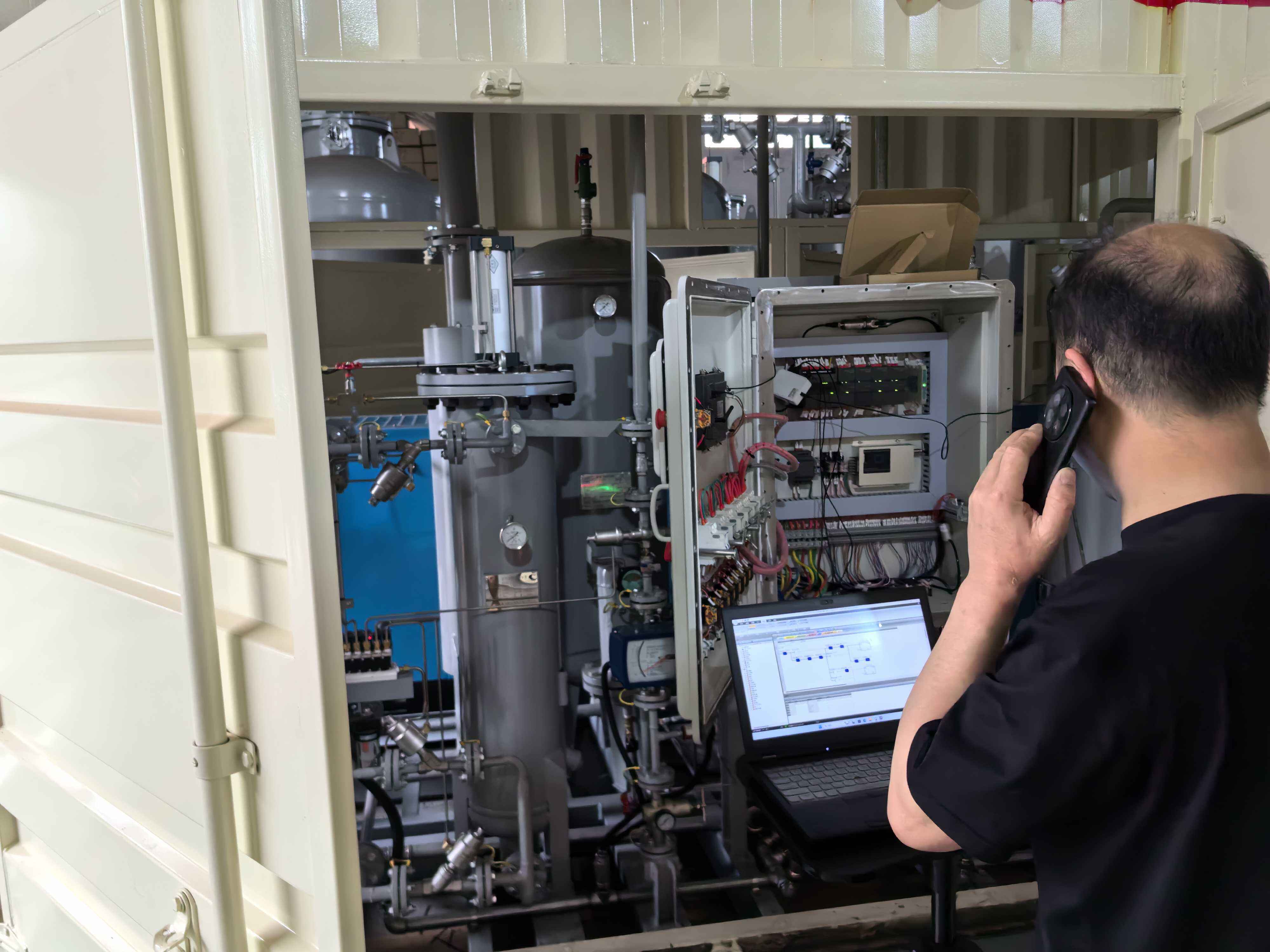
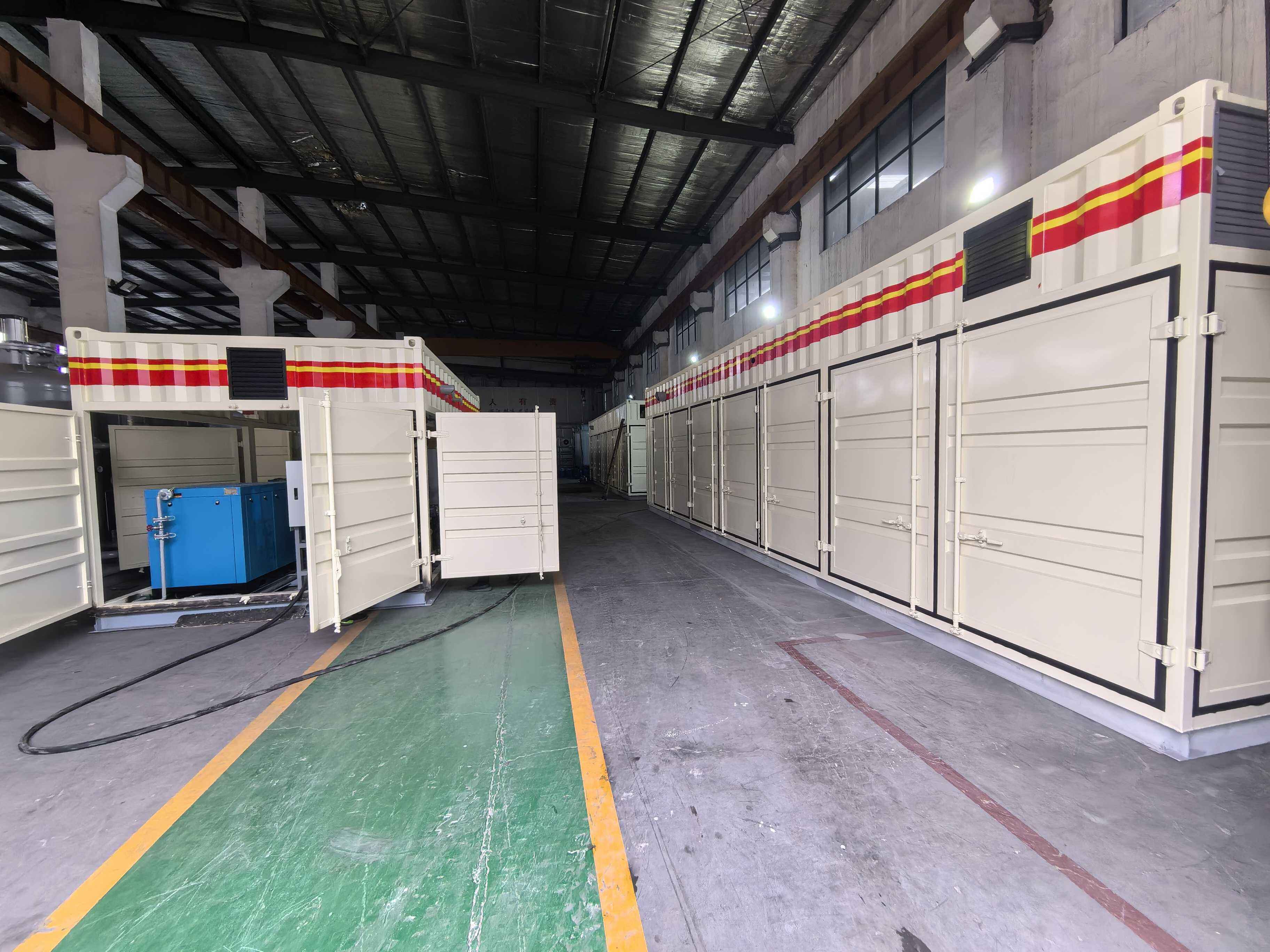
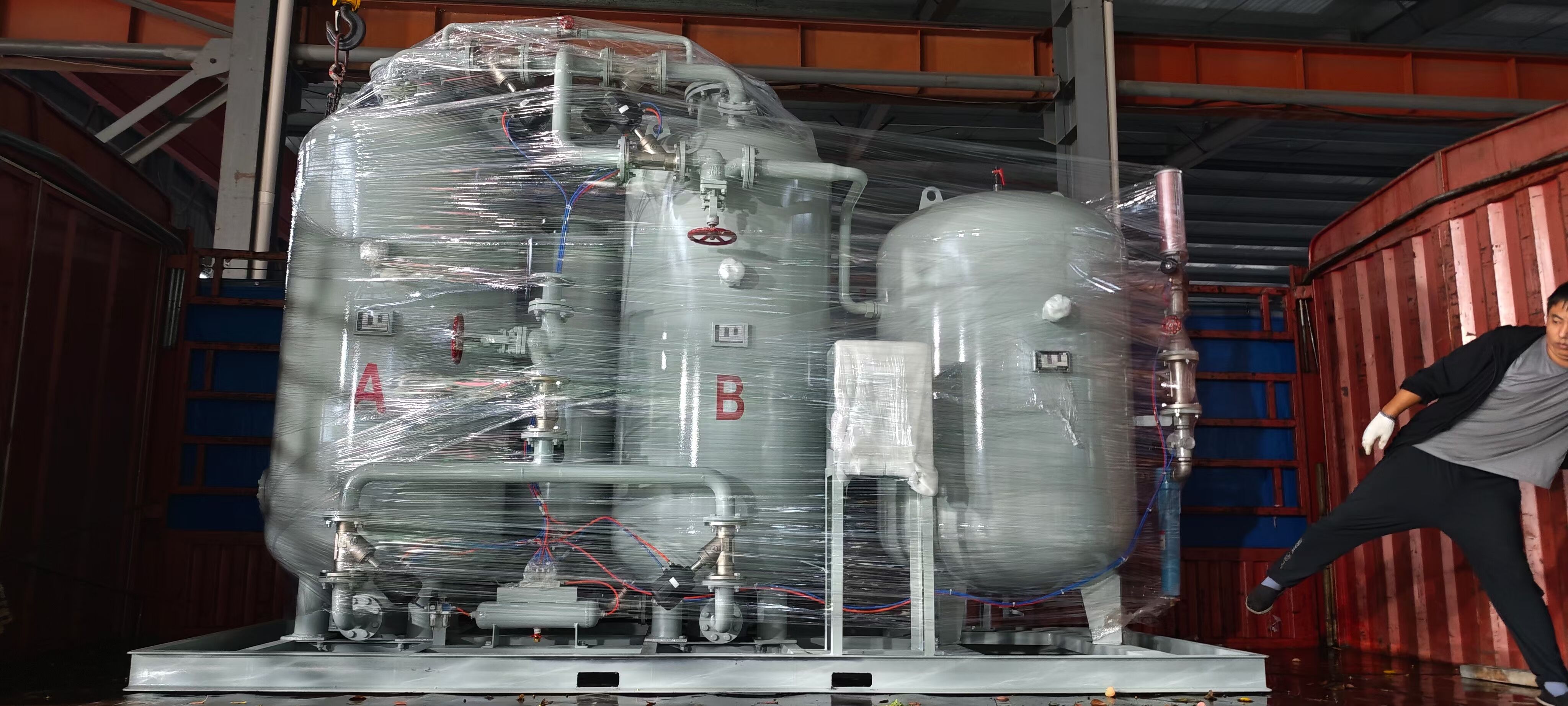
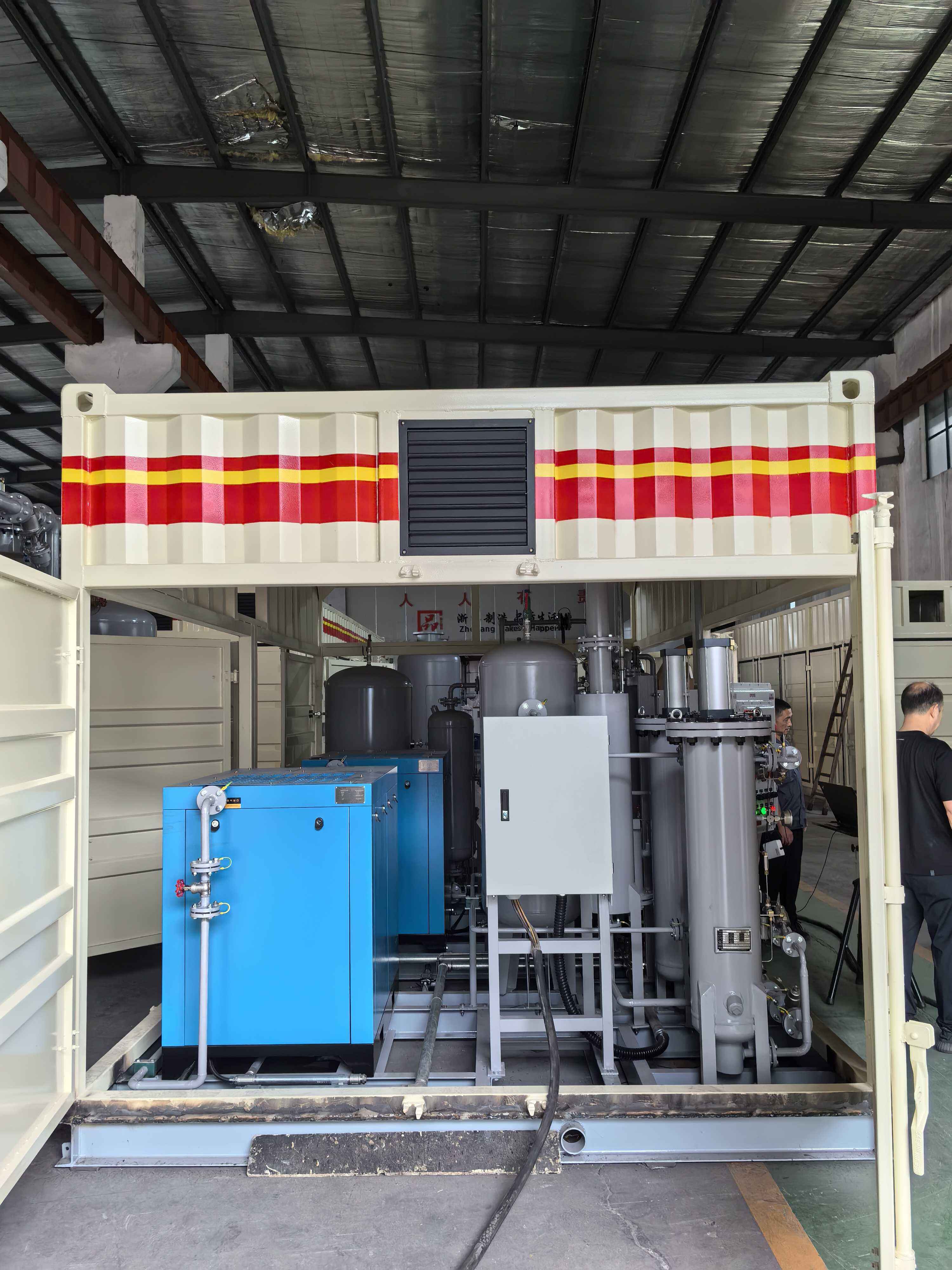
Pressure adsorption swing (PSA) is a sophisticated gas separation technology that utilizes the principle of selective adsorption under varying pressure conditions. This process operates by exposing a gas mixture to an adsorbent material under high pressure, causing specific gas components to adhere to the adsorbent surface while allowing others to pass through. The system then reduces pressure to release the adsorbed gases, completing the separation cycle. PSA technology has revolutionized industrial gas purification, offering a highly efficient method for producing high purity gases. The process typically employs specialized adsorbent materials such as zeolites, activated carbon, or molecular sieves, each selected based on their specific adsorption properties. Modern PSA systems incorporate advanced control systems that optimize cycle times, pressure levels, and flow rates to maximize separation efficiency. This technology finds extensive applications in hydrogen purification, nitrogen generation, oxygen concentration, and carbon dioxide capture. The modular nature of PSA systems allows for scalability, making them suitable for both small scale operations and large industrial installations. With its ability to operate continuously and produce high purity gases without requiring external heat input, PSA has become an indispensable tool in various industries including healthcare, petrochemical processing, and environmental protection.
 EN
EN