pressure swing adsorption process
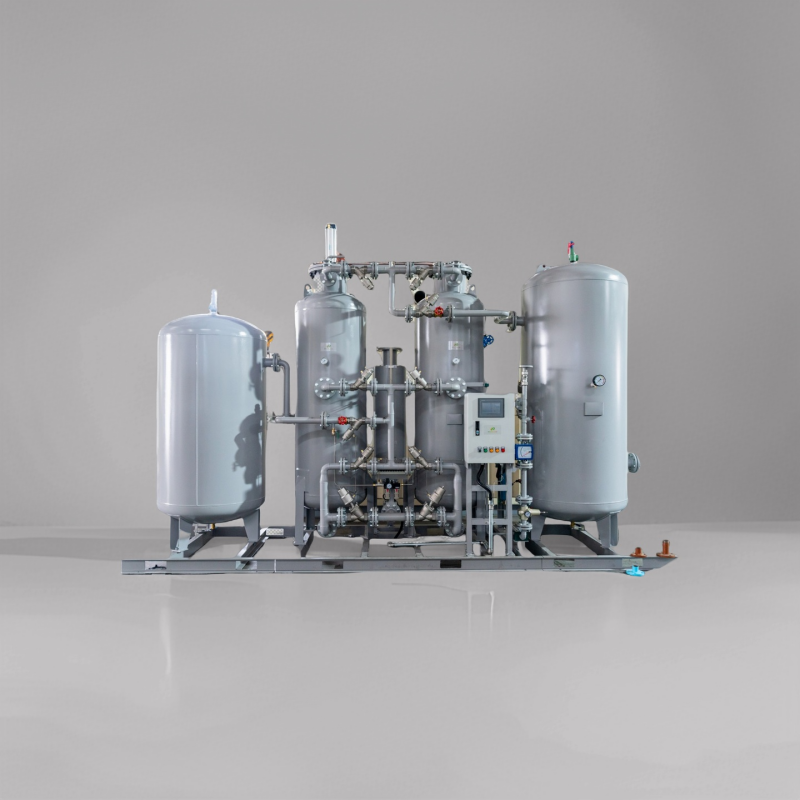
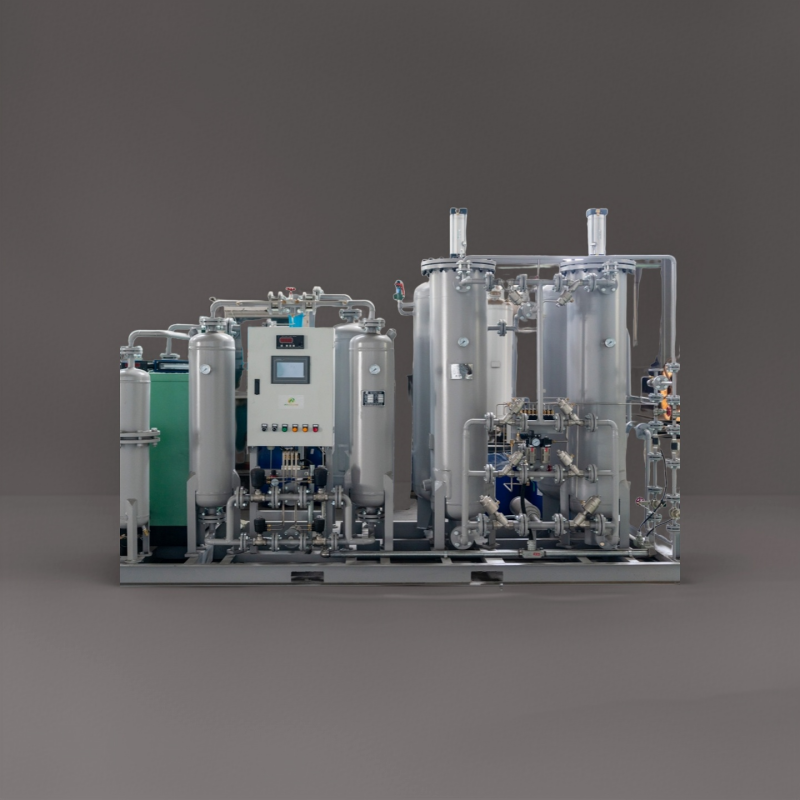
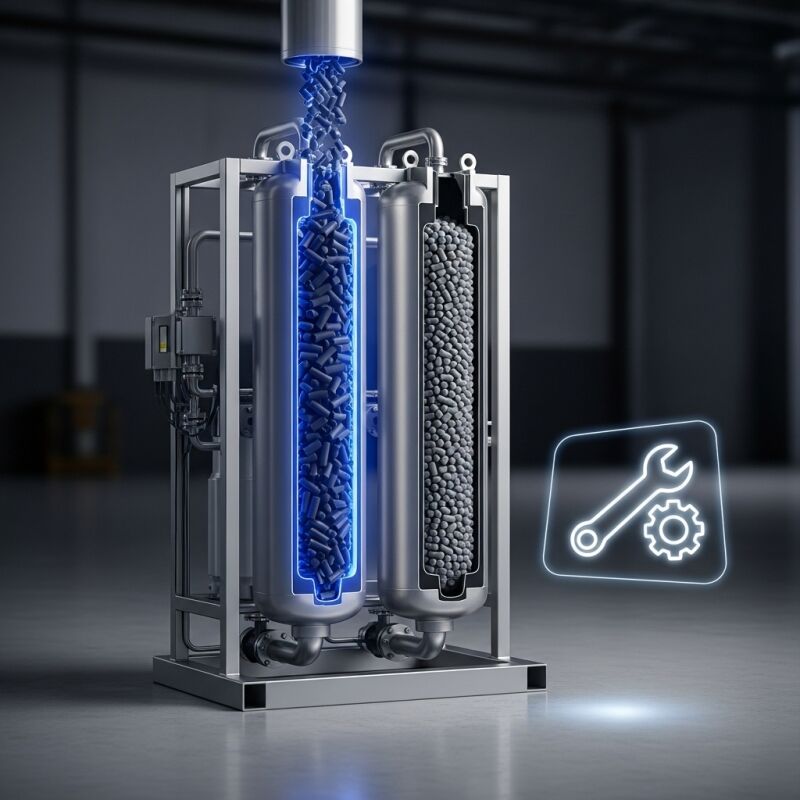
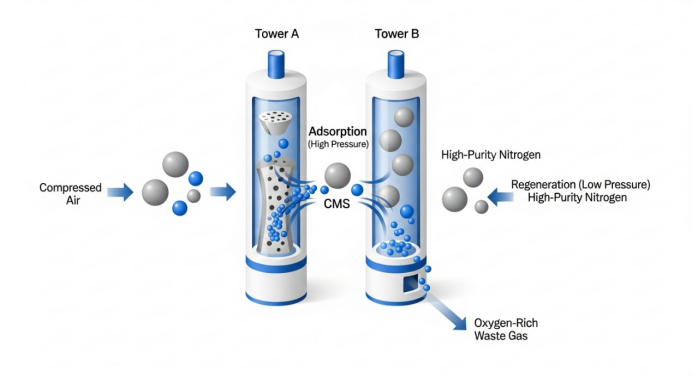
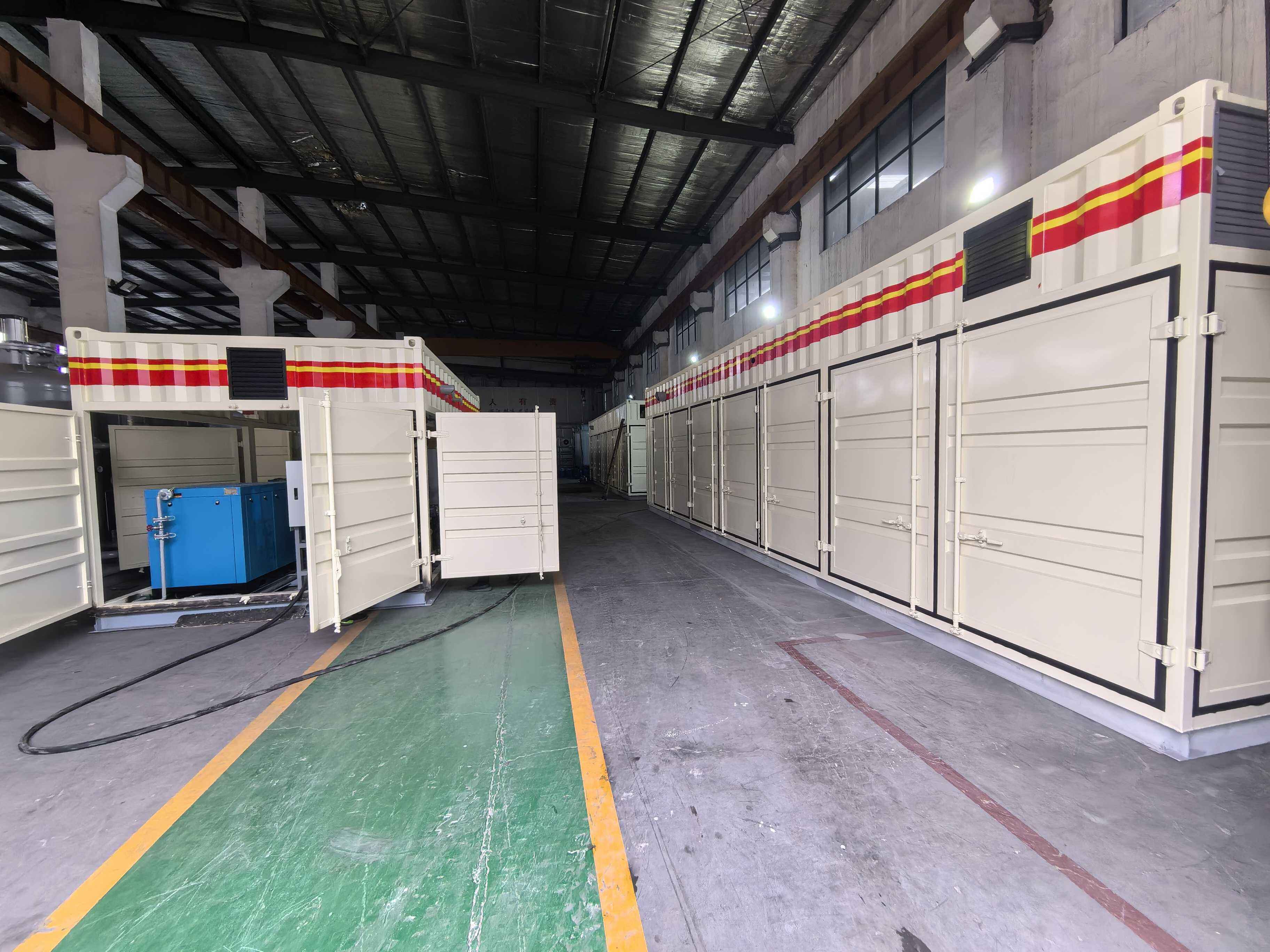
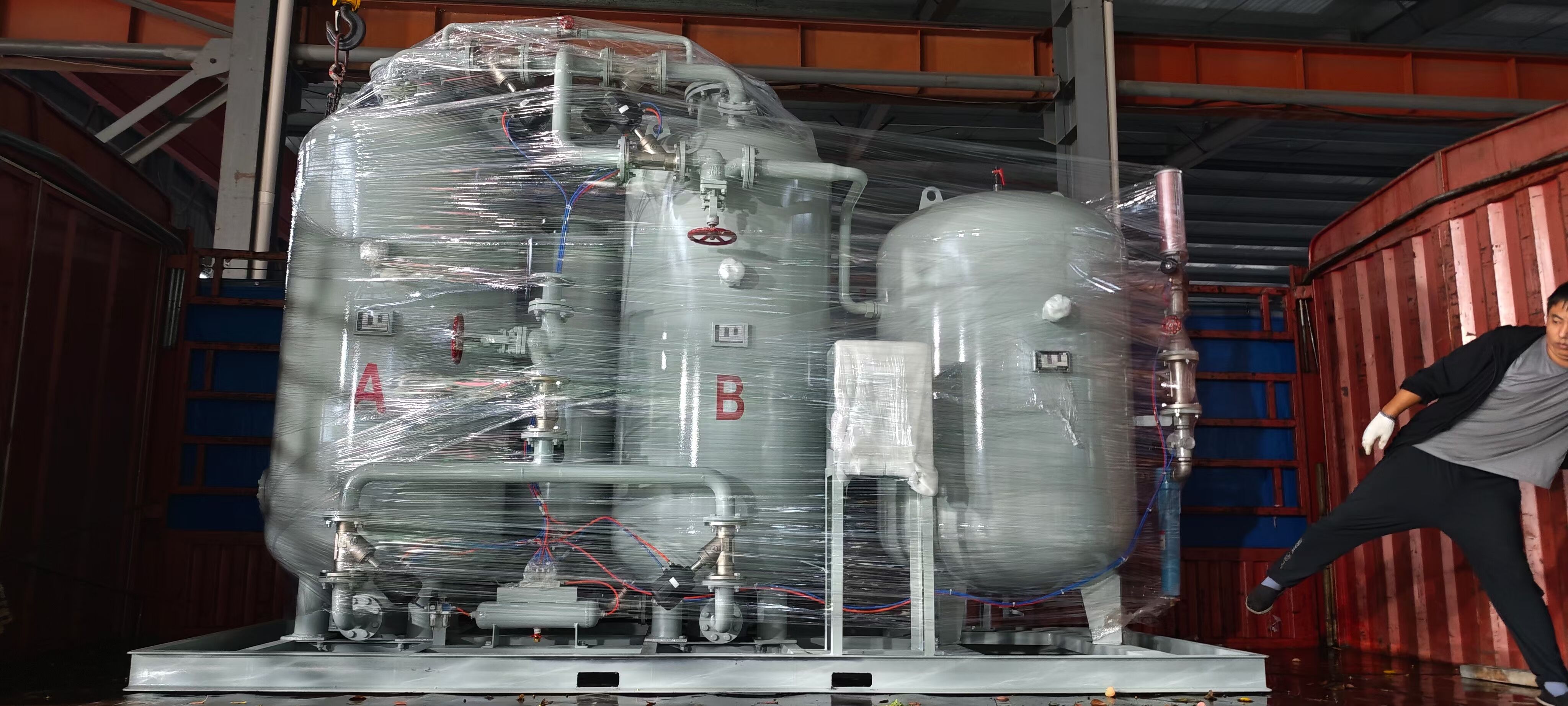
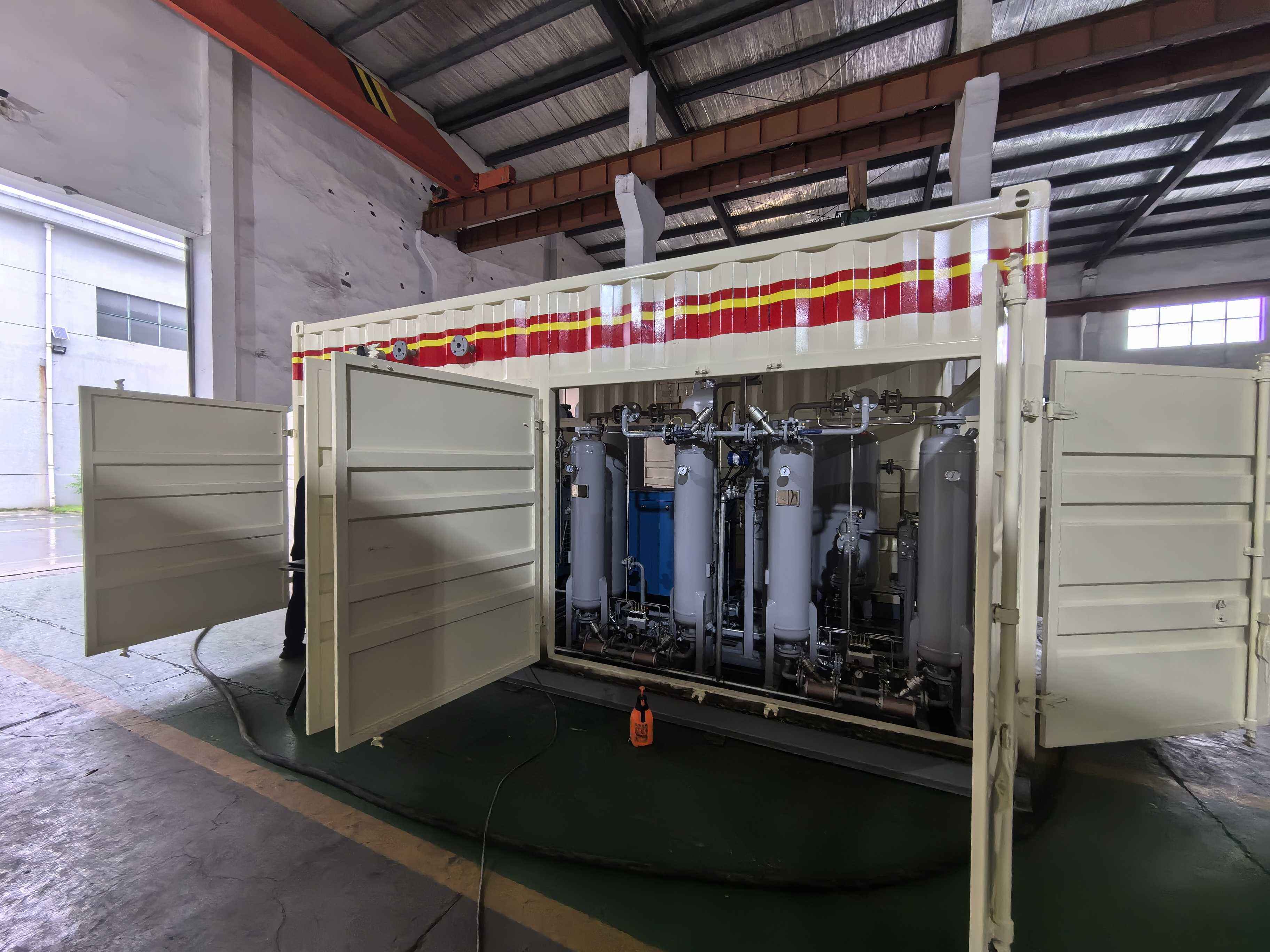
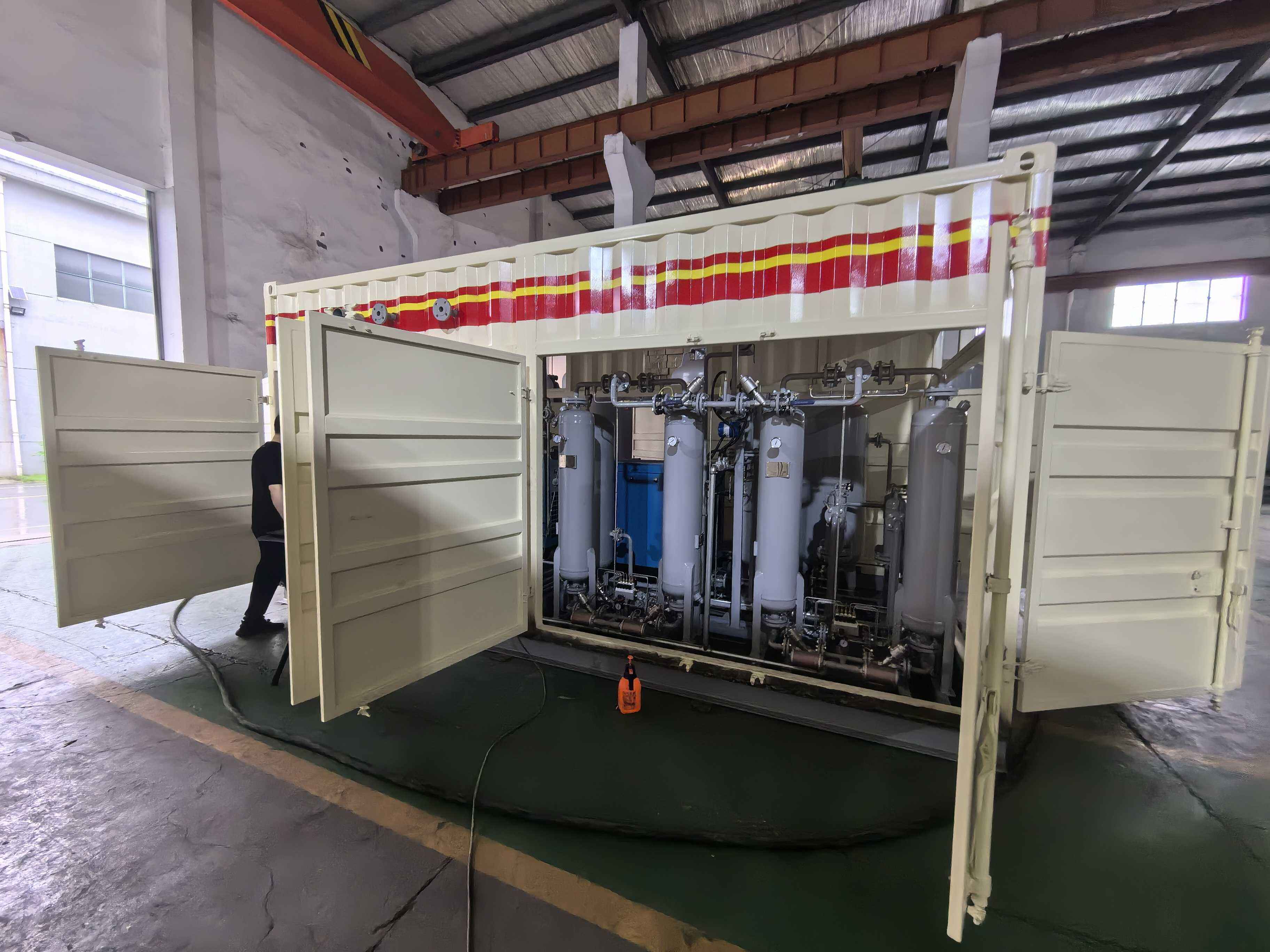
Pressure swing adsorption (PSA) is a cutting-edge gas separation technology that utilizes the principle of selective adsorption to separate specific gas components from a mixture. The process operates by exposing a gas mixture to an adsorbent material under high pressure, causing certain gas molecules to adhere to the adsorbent's surface while allowing others to pass through. When the pressure is reduced, the adsorbed gases are released, enabling their collection and separation. The PSA process typically operates in cycles, with multiple vessels working in sequence to ensure continuous operation. This technology has revolutionized gas separation in various industries, particularly in hydrogen purification, nitrogen generation, and oxygen concentration. The process is highly efficient, operating at near-ambient temperatures, which significantly reduces energy consumption compared to traditional cryogenic separation methods. Modern PSA systems incorporate advanced control systems and specialized adsorbent materials, enabling precise gas separation with purities exceeding 99.999% in some applications. The technology's versatility allows it to handle various feed gas compositions and flow rates, making it suitable for both small-scale and industrial-scale operations.
 EN
EN